
Most people assume that once a film hits theaters, it’s finished. The director hands over the reels, the studio prints the posters, and that’s that. The reality of filmmaking, though, is considerably messier. From studio interference and commercial pressure to a director’s own restless perfectionism, the version audiences see on opening night is often not the version the filmmaker intended.
What follows is a collection of nine directors who, for one reason or another, went back into the editing room after their films had already reached the public. Some did it quietly, some fought tooth and nail to make it happen, and at least one did it while the film was still running in theaters. The results range from modest adjustments to complete creative overhauls.
1. Stanley Kubrick – 2001: A Space Odyssey (1968)

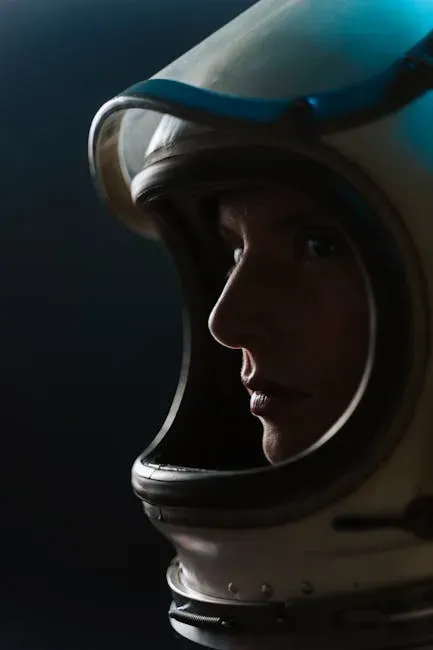
The film’s world premiere was on April 2, 1968, at the Uptown Theater in Washington, D.C., with a 160-minute cut. What many don’t realize is that the version audiences saw a week later was already different. Shortly after the premiere, Kubrick had additional edits made to the movie by sending out detailed instructions on what to trim to theater owners, with roughly 17 to 19 minutes of footage removed.
The film was edited by Kubrick and editor Ray Lovejoy between April 5 and 9, 1968, and detailed instructions were sent to theater owners already showing the film so they might put the trims into effect – which meant that some of the cut scenes may have been poorly done in a particular theater. Kubrick’s rationale for trimming the film was to tighten the narrative, as reviews suggested the film suffered from its departure from traditional cinematic storytelling. Even more remarkably, Kubrick was adamant that the trims were never to be seen and reportedly had the negatives, which he had kept in his garage, burned shortly before his death.
2. Ridley Scott – Blade Runner (1982/1992/2007)

The original theatrical version of the film was not the version director Ridley Scott wanted audiences to see, as it contained various voiceovers by Harrison Ford in an attempt to help explain the backstory, as well as a studio-mandated happier ending. Scott was never content with that compromise. In 1992, a new version of Blade Runner was released that dropped both the voiceover and the happy ending, dubbed the “Director’s Cut,” which popularized the fan theory that Deckard is actually a replicant himself.
Sadly, despite its improvements, Scott himself did not fully supervise that 1992 cut, and in 2007 he opted to remedy that with what became known as the “Final Cut” – with Scott’s direct supervision, this version further plays up the Deckard-as-replicant interpretation, adds in some scenes previously only seen in international releases, and features a full restoration done under Scott’s watchful eye. The magazine Video Watchdog counted no less than seven distinct versions in a 1993 issue, before Scott later released the “Final Cut” in 2007, bringing the supposed grand total to eight differing versions of Blade Runner.
3. Terry Gilliam – Brazil (1985)

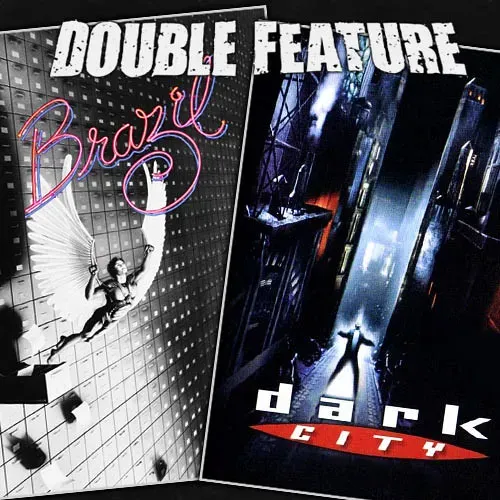
Gilliam’s cut of the film, with a downbeat ending, was released in the UK in February 1985, but Universal head Sid Sheinberg demanded a different version for the US, which became dubbed the “Love Conquers All” edit. Gilliam refused to let that happen without a fight. He went behind his paymasters’ backs and showed his cut to students and critics, then took out a full-page ad in Variety asking Sheinberg when he was going to let the American public see Brazil. After seeing the critical raves the original had been attracting, Gilliam’s intended form of the movie was released in the US in December 1985.
In December of 1985, the Los Angeles Film Critics Association named Brazil – Gilliam’s cut of it, which hadn’t even been released in the U.S. yet – the best picture of the year. That critical validation broke the deadlock. Brazil was awarded “Best Picture,” “Best Screenplay,” and “Best Director” by the Los Angeles Film Critics Association, which mixed with the public desire to see the film led Universal to fold and release the 132-minute “American Release” to the public on December 18, 1985.
4. Orson Welles – Touch of Evil (1958/1998)

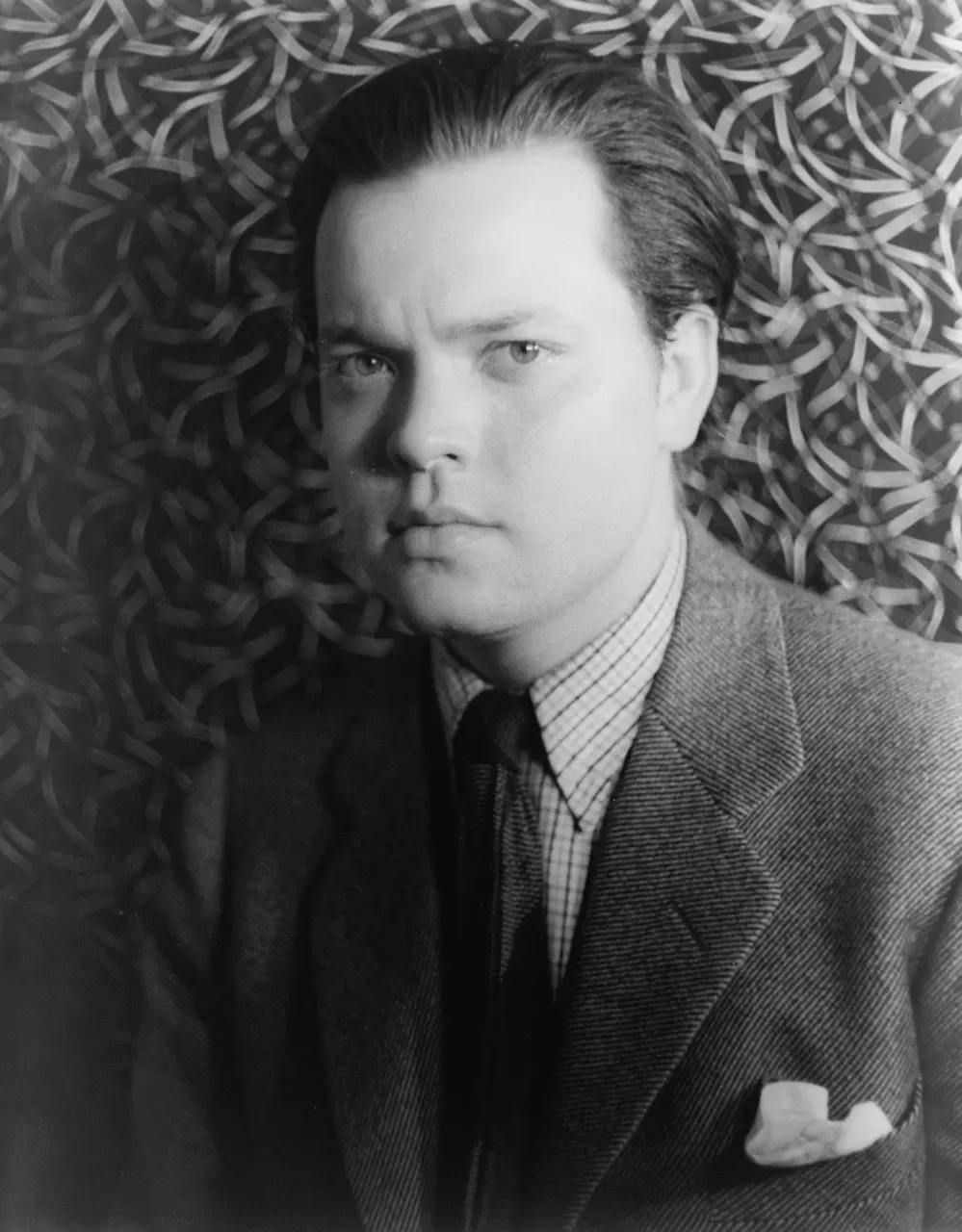
After the film was cut and re-edited by the studio in 1958, Welles wrote a 58-page memo detailing his vision for the film, and decades later, in 1998, a restoration based on that memo was finally released. It was a remarkably detailed document, essentially a director’s cut delivered in written form decades before the technology existed to realize it. Touch of Evil was previewed at 108 minutes, then recut to 95 minutes for release, and the changes Welles requested were finally realized when the film was released on DVD in 1998 with a running time of 111 minutes.
The re-edited version famously restored the uninterrupted opening shot, a technical marvel that’s been studied in film schools ever since, with critics and cinephiles hailing the restoration as a triumph, finally allowing Welles’ voice to shine through. What makes this case so unusual is that Welles himself never saw the restoration completed. He died in 1985, and the version that most closely matches his intentions only reached audiences thirteen years after his death. It remains one of cinema history’s most compelling examples of a filmmaker being vindicated long after the fact.
5. Richard Donner – Superman II: The Richard Donner Cut (2006)

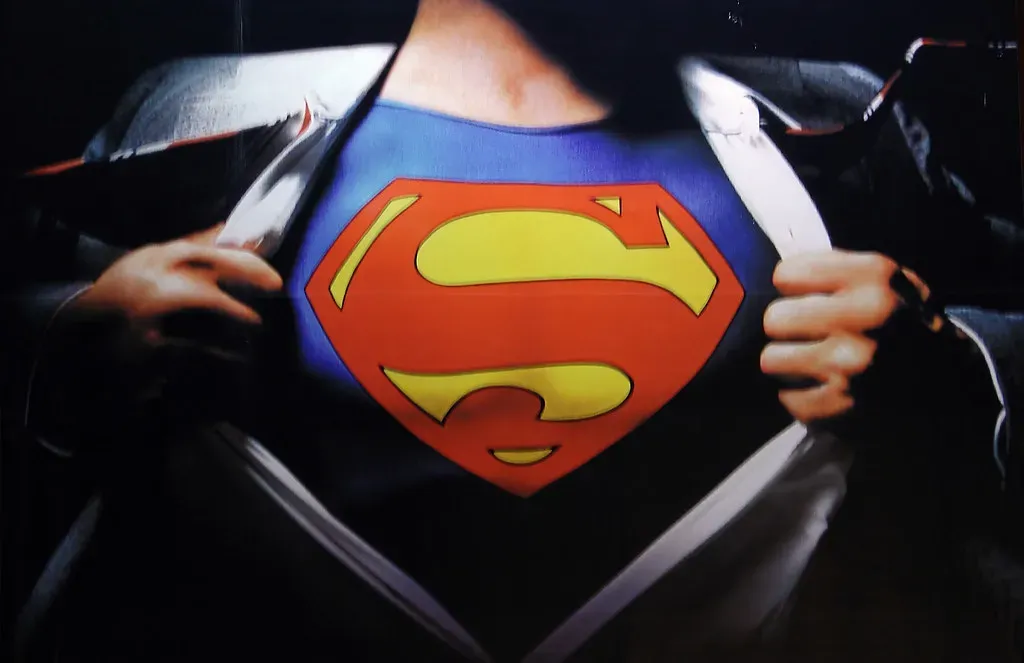
In 1979, Superman: The Movie director Richard Donner was fired from Superman II by the film’s producers and replaced by director Richard Lester. What made this different from many productions in which a director is fired is that Donner had been making both films simultaneously, so much of the footage he intended to use already existed. Lester rewrote and reshot much of the film, which is what audiences saw when Superman II was finally released.
As years went by, the legend of Donner’s unreleased version grew, and in 2001 editor Michael Thau came across the original reels containing Donner’s unused footage. Thau approached Donner and asked if he’d be interested in supervising a new cut, and Superman II: The Richard Donner Cut was finally released on DVD in 2006. The Donner Cut is strikingly different from the theatrical release, restoring Marlon Brando’s performance as Jor-El and embracing a darker, more serious tone, with unused footage and new special effects combined to create what many fans and critics see as the definitive version.
6. Francis Ford Coppola – Apocalypse Now Redux (2001)

Apocalypse Now was already a critical success when it was released in 1979, but Coppola felt there were additional scenes that provided more depth to the narrative. In 2001, “Apocalypse Now Redux” was released, adding nearly 50 minutes of footage that had been cut from the original. The additions were substantive, not just cosmetic. Among the most controversial additions was the “French Plantation” sequence, a slow-burning philosophical detour that deepened the film’s exploration of colonialism and war. Critics had mixed reactions, but many praised how the new scenes enriched the film’s psychological and thematic complexity.
The tale of Coppola and his Vietnam War epic is well-documented, resulting in four different cuts of Apocalypse Now. The movie’s troubled production resulted in a ton of footage and story changes, and Coppola returned to the project in 2001 and 2019 with Apocalypse Now Redux and Apocalypse Now: Final Cut, trying to rework his footage for slower versions than the original. That 2019 Final Cut was Coppola’s attempt to find a middle ground between the leaner original and the sprawling Redux. It is a rare case of a director revisiting the same film across four decades.
7. Richard Kelly – Donnie Darko: The Director’s Cut (2004)

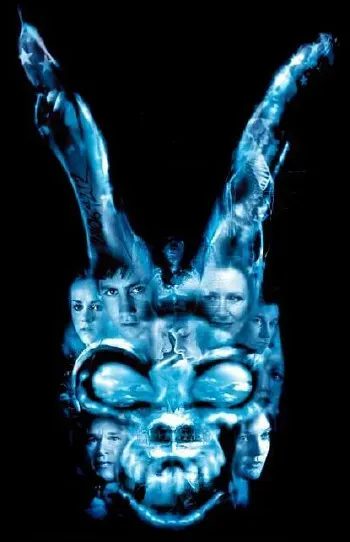
In 2004, director Richard Kelly took a second shot at clarity by releasing a Director’s Cut with 20 extra minutes and text from the in-universe book “The Philosophy of Time Travel.” These additions helped untangle the notoriously complex plot, offering more context for Donnie’s surreal adventures. Critics observed that the Director’s Cut gave fans a deeper appreciation for Kelly’s ambitious storytelling, with the new scenes adding a sense of coherence while still preserving the film’s dreamlike quality.
The original 2001 theatrical cut had become a cult phenomenon largely because of its deliberate ambiguity. Kelly’s decision to add explanatory text and additional footage split opinion sharply among fans who felt the mystery was part of the film’s appeal. Some viewers welcomed the clarity, while others preferred the original’s unresolved strangeness. It is one of the more interesting examples of a director’s cut that divides rather than unifies its audience – and one that invites a genuine question about whether clarity always serves a story better than doubt.
8. Francis Ford Coppola – The Godfather Coda (2020)

Francis Ford Coppola wasn’t satisfied with the way “The Godfather Part III” wrapped up Michael Corleone’s story, and in 2020 he released “The Godfather Coda: The Death of Michael Corleone,” a re-edited version with a new beginning and ending. The original 1990 release had been widely criticized as the weakest entry in the trilogy, with much of the criticism directed at its structural and tonal choices in the final act. Coppola’s re-edit restructured the opening sequences and adjusted the film’s final moments to align more closely with what he had originally intended.
The Coda version runs only slightly shorter than the theatrical cut, but the changes carry real narrative weight. By opening differently, Coppola reframes Michael Corleone’s arc in a way that feels more earned and more tragic. Critical reception to the Coda was noticeably warmer than the original had received, with many reviewers acknowledging that the re-edit transformed a flawed film into something closer to a worthy conclusion for one of cinema’s most celebrated trilogies.
9. Ridley Scott – Kingdom of Heaven: Director’s Cut (2005/2025)


Radically altered from the financially unsuccessful version that unspooled in theaters in the summer of 2005, Kingdom of Heaven: Director’s Cut restores 45 minutes of footage and transforms a compelling-yet-frustrating movie into a breathtaking epic. The studio had stripped the film down to a conventional action-adventure runtime, removing character arcs and subplots that gave the story its moral weight. The Director’s Cut was first released on December 23, 2005, at the Laemmle Fairfax Theatre in Los Angeles, unsupported by advertising from 20th Century Fox. This version has been universally praised and is what Ridley Scott originally wanted released to theaters.
The original Kingdom of Heaven grossed $218 million worldwide up against a $130 million budget and received mixed reviews, but its director’s-cut version has since earned a reputation as one of Scott’s best films. The story has had a genuinely long afterlife. Kingdom of Heaven, released in 2005, is celebrating 20 years with a new 4K UHD Blu-ray Steelbook that includes a restored and remastered director’s cut of the film. Unlike some extended cuts that add a few scenes that should have been left on the cutting room floor, the Kingdom of Heaven Director’s Cut adds around 45 minutes of footage that should never have been removed – what audiences need to understand is that the Director’s Cut was the theatrical cut until the studio forced Scott to make the film a lot shorter.
These nine cases share a common thread: the finished film is rarely as finished as it seems. Whether driven by studio interference, poor initial reception, or a filmmaker’s own evolving sense of the work, the editing room has a way of staying open long after the lights in the theater have come on. For audiences, that means the version you first saw might not be the only one worth knowing.