Every now and then, a film gets pulled from theaters not because it’s dangerous or morally destructive, but because someone, somewhere, found a reason that leaves the rest of the world scratching their heads. Censorship has a long and complicated history, and plenty of bans are understandable given their cultural or political context. These nine, though, are something else entirely.
From cartoon color palettes to a phone number in a throwaway joke, the behind these bans range from baffling to genuinely comic. They serve as a reminder that censorship is rarely just about the content on screen. Sometimes, it reflects the anxieties, vanities, and political sensitivities of whoever happens to be holding the rubber stamp.
Monty Python’s Life of Brian (1979) – Banned in Norway for Blasphemy It Wasn’t Committing
Monty Python’s satirical comedy Life of Brian is one of the most famous examples of a banned film in the history of cinema, yet when you actually watch the movie, it’s hard to understand why it was so controversial. Those who protested the film in countries like Ireland, Italy, Norway, and Sweden cited blasphemy, when the actual story followed a man who was born next to Jesus’s stable. The film was never about Jesus himself. The mix-up seems almost impossible to justify, especially given how clearly the opening scenes establish the distinction.
Ireland banned the film from 1979 to 1987, and Norway banned it for a full year until 1980. The studio even used these bans as promotional material. In Sweden, they added the now-famous tagline “the film so funny that it got banned in Norway.” It remains one of the rare cases where a film’s censors inadvertently turned it into an international sensation. The ban almost certainly gave the movie more cultural longevity than it would have had otherwise.
The Simpsons Movie (2007) – Banned in Burma for Being Yellow
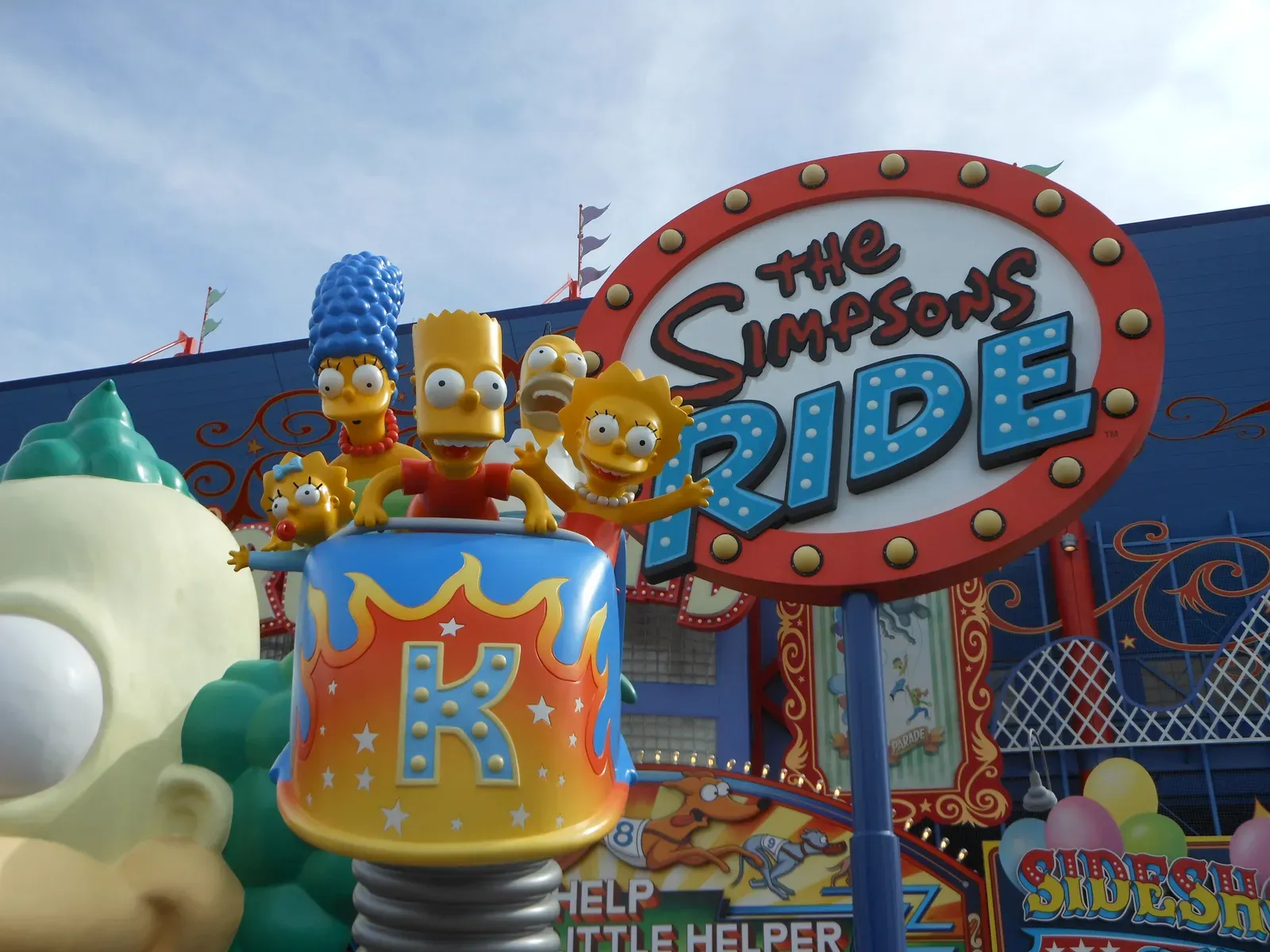
Springfield’s most famous residents are instantly recognizable thanks to their yellow complexion, which was half of the reason why The Simpsons Movie was banned in Burma. The content of the long-awaited animated feature had nothing to do with its ban, but rather the color palette. In what was then known as Myanmar, a rebel group called the National League of Democracy featured red and yellow prominently on their flag. In an effort to avoid showing bias or inciting violence, the authorities declared that The Simpsons Movie wouldn’t be shown on local screens.
The reasoning feels absurd, as the movie’s plot about the Simpson family saving Springfield has no political agenda. It’s a classic case of overanalyzing a cartoon for hidden messages. Homer Simpson’s love of doughnuts was never going to ignite a revolution. Crazy as it sounds looking back from 2026, Bart was once seen as morally dangerous by many, yet by the time the 2007 movie came out, the family had largely become a celebrated part of pop culture with global recognition.
E.T. the Extra-Terrestrial (1982) – Too Scary for Scandinavian Kids
Steven Spielberg’s children’s classic E.T. the Extra-Terrestrial is a beacon of nostalgic joy for viewers worldwide, that is, unless you grew up in Sweden. While this family-friendly film about a young boy befriending an extraterrestrial has endured as a kids’ classic for more than forty years, back when it was released, the local ratings boards felt this story was too scary for young viewers and banned the movie for children under 11 years old.
The Scandinavian censorship director explained that the classic fantasy “may cause mental injuries to children aged over seven but under 11 years” and cited its “threatening and frightening mood” as well as adults being portrayed as enemies to children. Sweden, Finland, and Norway didn’t think E.T. was suitable for children. The reason? They said that it portrayed adults as heartless, arguing that the movie might cause kids to think it is acceptable to disobey their elders. A film about love, friendship, and going home was apparently a gateway to juvenile rebellion.
Back to the Future (1985) – Chinese Censors Feared Time Travel
Back to the Future, a timeless adventure about a boy and his time-traveling DeLorean, was off-limits in China until 2011. Chinese authorities believed depicting time travel was disrespectful to history and could undermine the country’s official narrative. For years, audiences in China missed out on one of Hollywood’s most beloved films, all because of fears that fiction might influence reality.
China has a tendency to ban anything it disagrees with, including bans on “fantasy, time-travel, random compilations of mythical stories, bizarre plots, absurd techniques, even propagating feudal superstitions, fatalism and reincarnation, ambiguous moral lessons, and even a lack of positive thinking.” Fans in China missed out on Marty McFly’s iconic journey due to this philosophical clash. One of cinema’s most beloved comedies, essentially grounded for going back to 1955.
Zoolander (2001) – Malaysia Took the Joke Personally

If it has been a while since you last saw Zoolander, you may be hard-pressed to recall why Malaysia might have had an issue with the film. The cult comedy, led by Ben Stiller, is absurd and over-the-top and focuses more on poking fun at the fashion industry than on offending anyone. Yet it was the brainwashing plot that saw Derek Zoolander programmed to assassinate the Prime Minister of Malaysia that had the country banning it.
Partner offer
There is no anti-government statement in the film, with the reason being that the assassination plot is tied to child slave labor getting in the way of low costs in the fashion industry. Western audiences took it as a silly joke, not rooted in any hate for Malaysia, but for the government, it was too much. Singapore later lifted the ban in 2006, but Malaysia stood firm. A dimwitted male model’s fictional mission apparently cut a little too close to home.
Pirates of the Caribbean: Dead Man’s Chest (2006) – China Banned It for Having Ghosts
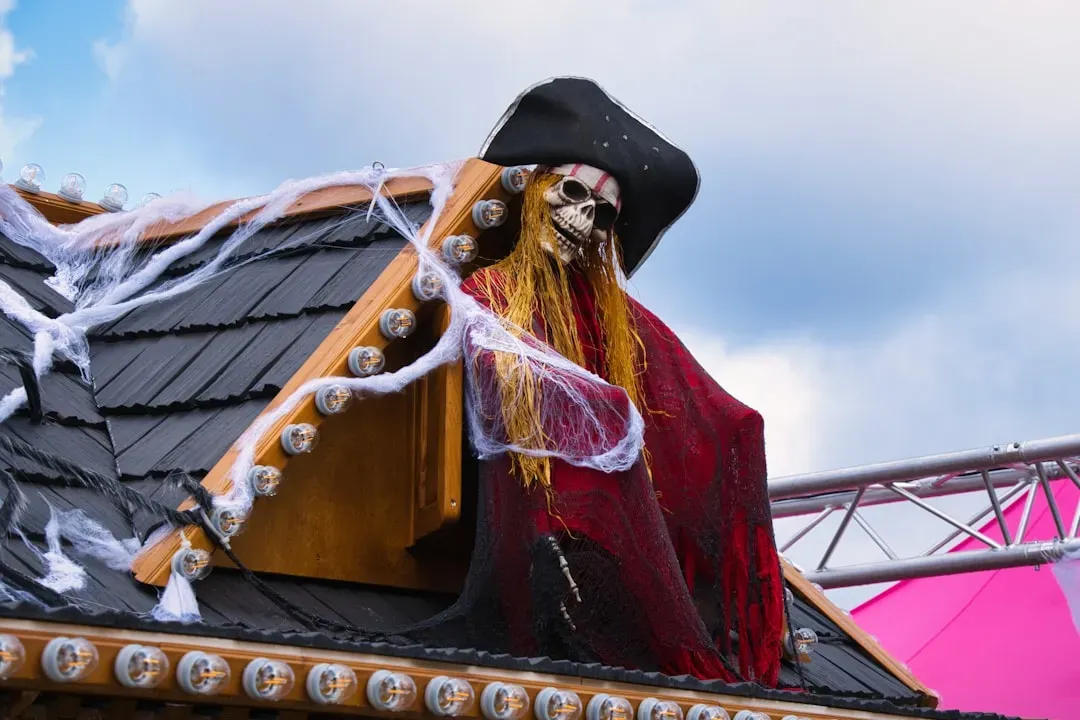
Pirates of the Caribbean: Dead Man’s Chest encountered censorship issues and was ultimately banned in China. Although some might think the activities of real-world pirates were the culprit, the truth was that it was actually the inclusion of ghosts in the film that caused issues. China’s strict censorship laws mean that media featuring ghosts is majorly restricted and, in some cases, outright banned.
Pirates of the Caribbean is not the only series to face problems due to the inclusion of ghosts, as other movies like Crimson Peak were similarly unable to be released in China. While the reasoning stated is that ghosts go against the Communist Party’s secular principles, it’s also true that ghosts have often acted as a metaphor for corrupt officials and sometimes come with a lot of political baggage. A swashbuckling Disney adventure, sunk by the supernatural.
The Santa Clause (1994) – Pulled Over a Joke Phone Number That Actually Worked

Tim Allen’s Santa Clause movie was banned for the most ridiculous of . The film contained a joke in which Allen’s character responds to his ex-wife giving him her mother’s number in case of emergency. This line didn’t lead to censorship because of parents offended by inappropriate content, but because in real life, that number led to a sex hotline. After a child ran up a $400 bill by attempting to call the number, The Santa Clause was removed from distribution, though it was returned to theaters once the line was changed.
This is perhaps the only entry on this list where a ban was enforced not because of anything the filmmakers intended, but because of a spectacularly unfortunate coincidence. A throwaway gag in a family comedy became a very expensive phone call for one household. The film was eventually re-released with the offending digits quietly swapped out, and most people watching today would never know it happened.
Dr. Strangelove (1964) – Finland Feared It Would Upset the Soviets
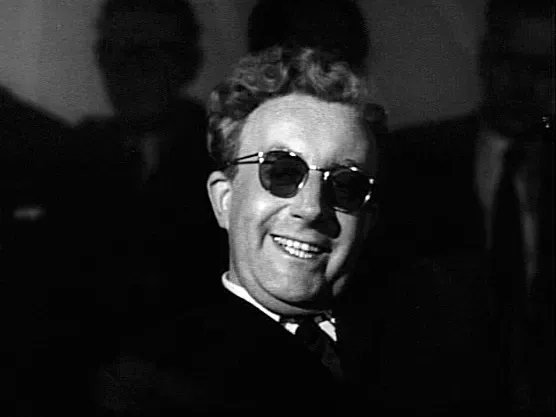
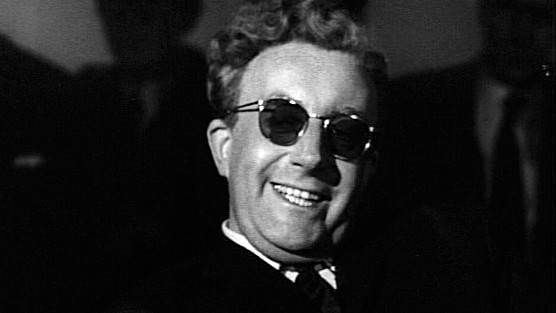
Stanley Kubrick’s timeless comedy Dr. Strangelove might be a scathing social satire wrapped in a blackly comic escapade drenched in farce, but it was never viewed as being particularly offensive or controversial. However, the government of Finland had a different perspective, opting to outlaw Peter Sellers’ performance from being screened to audiences nationwide due to fears that the content could affect the country’s ties to the Soviet Union. Kubrick’s film wasn’t necessarily offensive to the Finnish population specifically, but because it might have been construed as a slap in the face to the Soviets, it was decreed that Dr. Strangelove wasn’t worth the potential risk.
Looking back, the censorship of Dr. Strangelove is hard to fathom. With comedy legend Peter Sellers playing multiple roles, Dr. Strangelove was a masterclass in clever satire that was controversial enough to cause Finland to outright ban the movie. The film was making fun of nuclear war and political absurdity in equal measure. Finland apparently worried that the Soviets might not appreciate the distinction between satirist and critic.
Minions: The Rise of Gru (2022) – Lebanon Banned It Over a Nun with Nunchucks
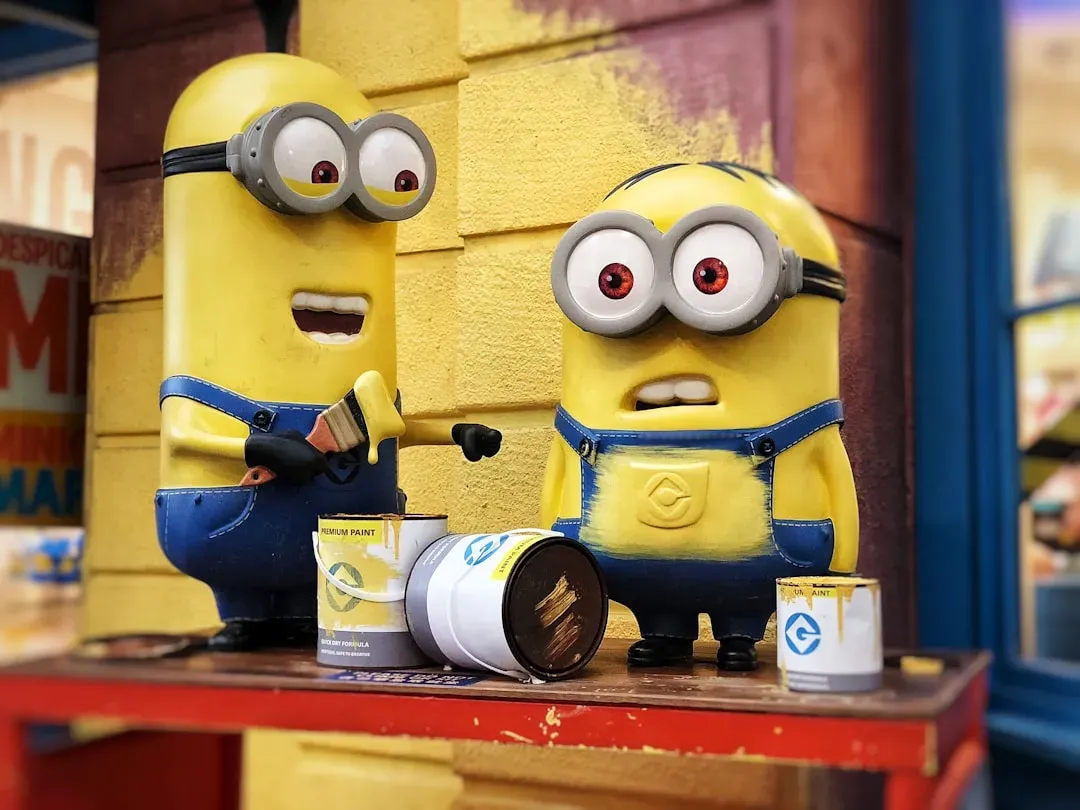
Minions: The Rise of Gru was banned in Lebanon due to a character named Nun-chuck, voiced by Lucy Lawless. The whole scenario ironically feels like something that could happen in a Simpsons episode and is one of the stranger for a film being banned. Authorities deemed the portrayal of a nun as a villain sacrilegious, fearing it mocked religious figures. The decision sparked debate, as the film’s lighthearted tone and comedic intent were clear. Lebanon’s sensitivity to religious depictions led to the outright ban, leaving families unable to enjoy this family-friendly adventure.
Literally a nun who wields nunchucks, The Rise of Gru was banned for portraying nuns as evil. In the pantheon of silly for banning a movie, this one has to be among the most absurd ones. The character is a cartoonish villain in a children’s animated film. The ban meant that Lebanese kids missed out on a movie about small yellow creatures being mischievous, all because of a pun in a character name.
Taken together, these nine cases reveal something worth sitting with. Governments and censors often react not to what a film actually says, but to what they fear it might imply. The more you study these bans, the less they tell you about the movies themselves and the more they reveal about the institutions doing the banning.
Partner offer
Planning a trip to Vegas?
Compare hotel rates and show tickets on VEGAS.com.