Folk music in the 1960s was never just background noise. It turned up at protest marches, in college coffeehouses, and on the pop charts, often within the same year.
Many of these songs have older roots than people realize, and some began as poems, novels, or church hymns. Here are nine of them, with a look at where each one came from.
Blowin’ in the Wind
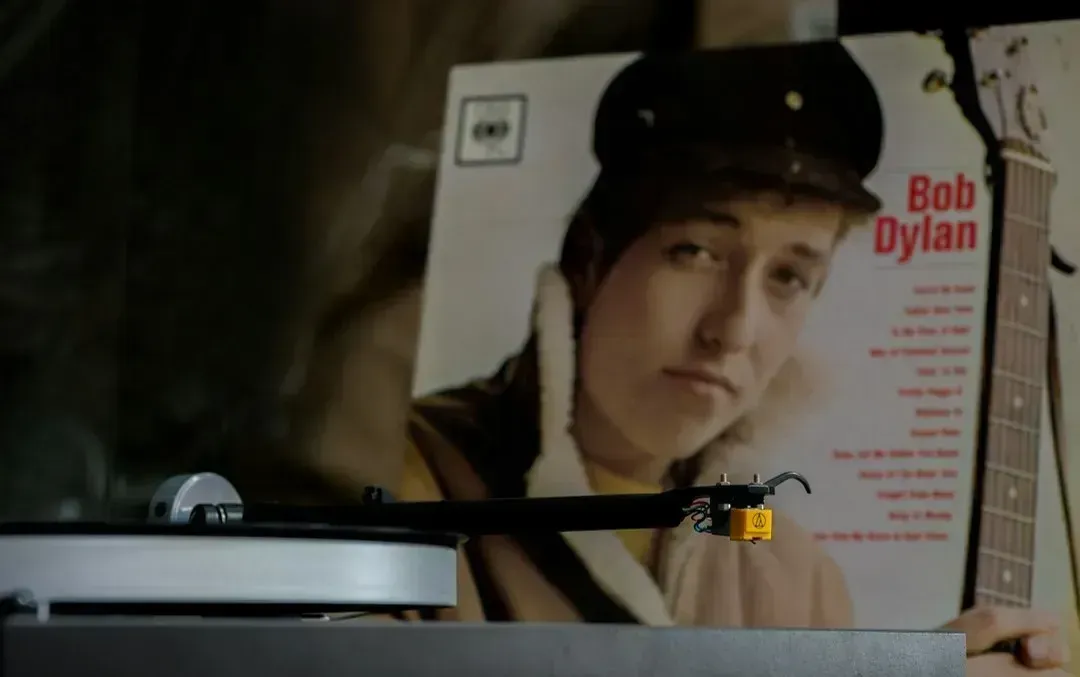
Bob Dylan wrote this song in 1962, and it appeared on his album The Freewheelin’ Bob Dylan in 1963. Its melody borrows from an older spiritual called No More Auction Block, which gives the tune a quiet, hymn-like pull.
Peter, Paul and Mary released their version in 1963, and it climbed to the second spot on the Billboard Hot 100. That success brought Dylan’s writing to a mass audience. Sam Cooke was also moved by the song, and it helped inspire him to write A Change Is Gonna Come.
We Shall Overcome
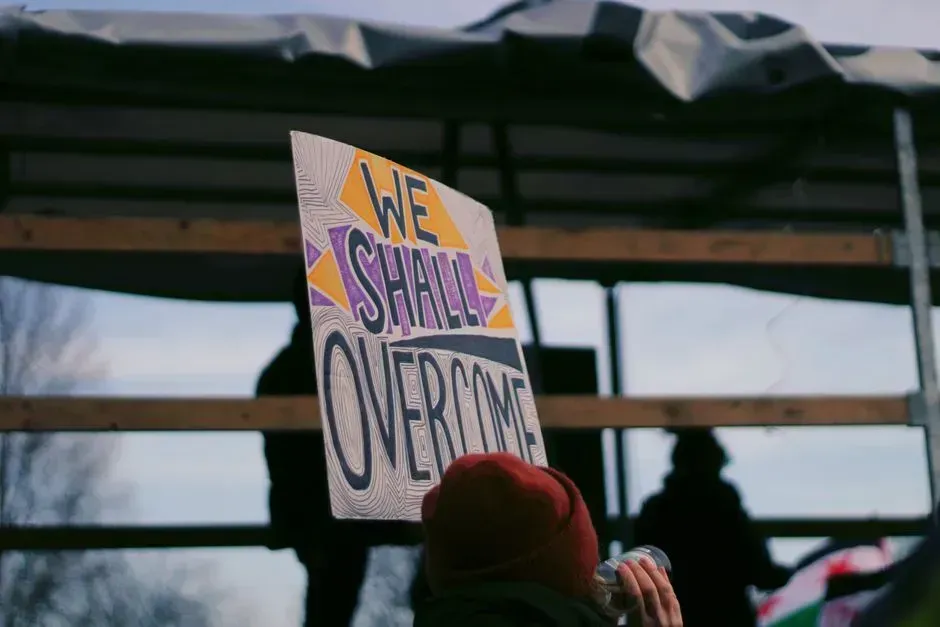
This anthem of the civil rights movement grew out of gospel. It traces back to a hymn by Charles Albert Tindley, I’ll Overcome Someday, and later versions circulated among labor activists. Pete Seeger helped spread it, and Guy Carawan taught it to student activists at a 1960 gathering in Raleigh, North Carolina.
Joan Baez sang it at the March on Washington in 1963. In March 1965, President Lyndon Johnson used its title phrase in a speech to Congress supporting voting rights legislation. Few folk songs have moved so directly from a church pew to the halls of government.
Where Have All the Flowers Gone?

Pete Seeger wrote the first verses in the 1950s, reportedly inspired by lines in Mikhail Sholokhov’s novel And Quiet Flows the Don. He added little more at the time. In 1960, Joe Hickerson contributed extra verses and helped shape the song’s circular structure, in which flowers, young girls, soldiers, and graveyards loop back around.
The Kingston Trio recorded it in 1961, and Peter, Paul and Mary followed in 1962. Marlene Dietrich later performed it in several languages, which carried its antiwar message well beyond American coffeehouses. The song still reads as a gentle but firm argument about the cost of war.
If I Had a Hammer
Pete Seeger and Lee Hays wrote this one in 1949, and it was first tied to the progressive causes of that era. It stayed relatively quiet until the early 1960s, when folk music went mainstream. Peter, Paul and Mary recorded it in 1962, and the trio won two Grammy Awards for it in 1963.
Trini Lopez then turned it into a lively pop hit in 1963, and it reached the top ten in the United States. Two very different arrangements, one earnest and one bouncy, show how flexible the song was. The lyrics about justice, freedom, and love stayed the same either way.
Masters of War

Dylan wrote this song in 1963, and it appeared on The Freewheelin’ Bob Dylan. It’s a direct, bitter attack on those who profit from conflict. The mood echoes the concern President Eisenhower had expressed in 1961 about the growing influence of the military industrial complex.
The melody comes from Nottamun Town, a traditional tune that singer Jean Ritchie had helped preserve in the Appalachian tradition. Ritchie later raised the question of credit for that borrowed melody. It’s a useful reminder that folk songs often travel through many hands before they reach a record.
Puff, the Magic Dragon

Peter, Paul and Mary took this song to the second spot on the Billboard Hot 100 in 1963. It began as a poem written by Leonard Lipton, a Cornell University student, in 1959. He had been inspired by an Ogden Nash poem about a dragon.
Peter Yarrow later set the words to music, and the group recorded it. Rumors that the song was secretly about drugs spread widely, though Yarrow and Lipton consistently rejected them. Both described it as a story about childhood ending and the loss that comes with growing up.
Four Strong Winds

Ian Tyson wrote this song in the early 1960s, and he and Sylvia Fricker recorded it as the duo Ian and Sylvia in 1963. It’s a song of restless leaving, with a mood shaped by the Canadian prairies. Neil Young later recorded his own version, which brought it to new listeners.
In a 2005 CBC listener poll, the song was voted the greatest Canadian song of all time. That result says a lot about how deeply it settled into the national memory. For many Canadians, it works as an unofficial anthem.
The Sound of Silence

Paul Simon wrote this song in early 1964, shortly after the assassination of President John F. Kennedy. Simon and Art Garfunkel first released it as an acoustic track on their 1964 album Wednesday Morning, 3 A.M., and the record sold poorly. The duo went their separate ways for a time.
Producer Tom Wilson then added electric guitar, bass, and drums to the original recording without the duo’s involvement in 1965. This version reached number one on the Billboard Hot 100 in January 1966. The accident created folk rock’s biggest crossover moment.
Both Sides Now
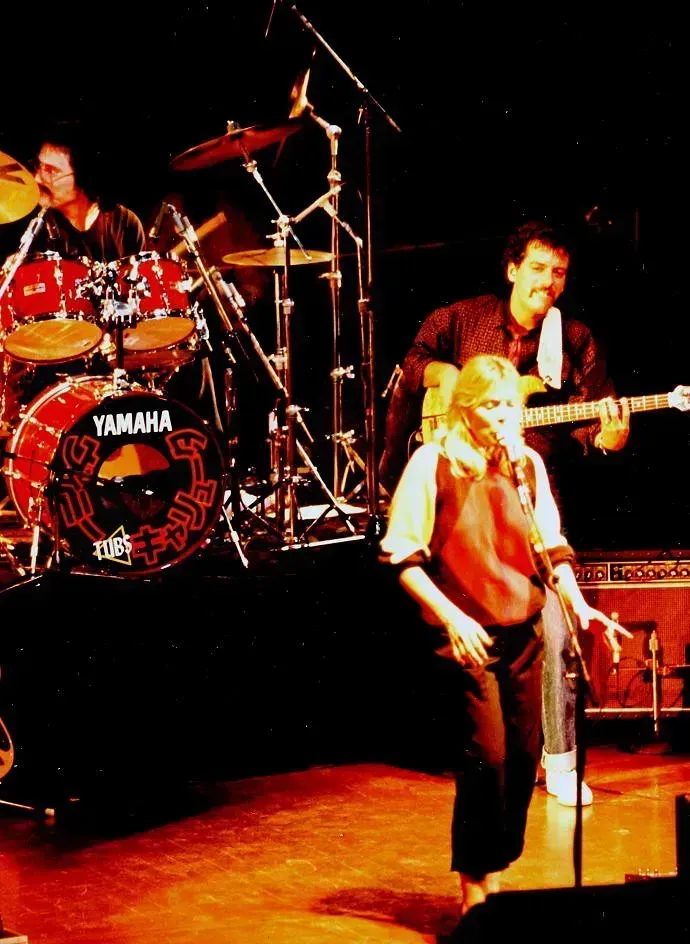
Joni Mitchell wrote this song in 1966, reportedly after reading a passage in Saul Bellow’s novel Henderson the Rain King while on a plane. Judy Collins recorded it first, in 1967, and her version reached the top ten of the Billboard Hot 100. It earned Collins a Grammy Award in 1969.
Mitchell released her own version on the 1969 album Clouds. She later recorded it again in 2000 with a full orchestra, giving the lyrics a markedly different weight. It’s one of the few songs from the decade that sounds wiser every time someone new picks it up.