Turn the dial on a weekend morning and a record from the 1960s will probably turn up within the hour. Classic hits stations, oldies shows and plenty of general music channels still lean on the decade’s catalog. Some of those songs are now more than sixty years old.
Longevity on the radio usually comes down to a few things: a hook that sticks, a performance that holds up, and a story listeners keep passing along. The ten songs below each have a documented history, and each keeps returning to the airwaves.
Good Vibrations by The Beach Boys
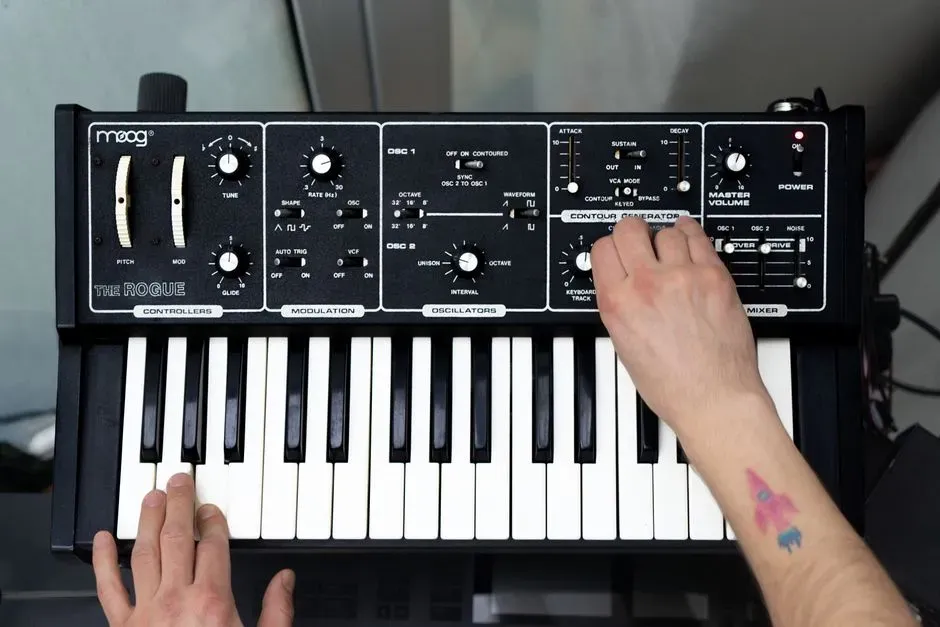
Released in 1966, Good Vibrations reached number one in both the United States and the United Kingdom. Brian Wilson built it from several recording sessions at different studios, stitching the pieces together in a way that was unusual for pop at the time. It was among the most expensive singles made up to that point.
The song’s cello, bright harmonies and eerie electronic wail give it a sound no other record from the period quite matches. That wail came from an Electro-Theremin played by Paul Tanner. Radio programmers still favor it because it sounds like summer even in November.
Respect by Aretha Franklin
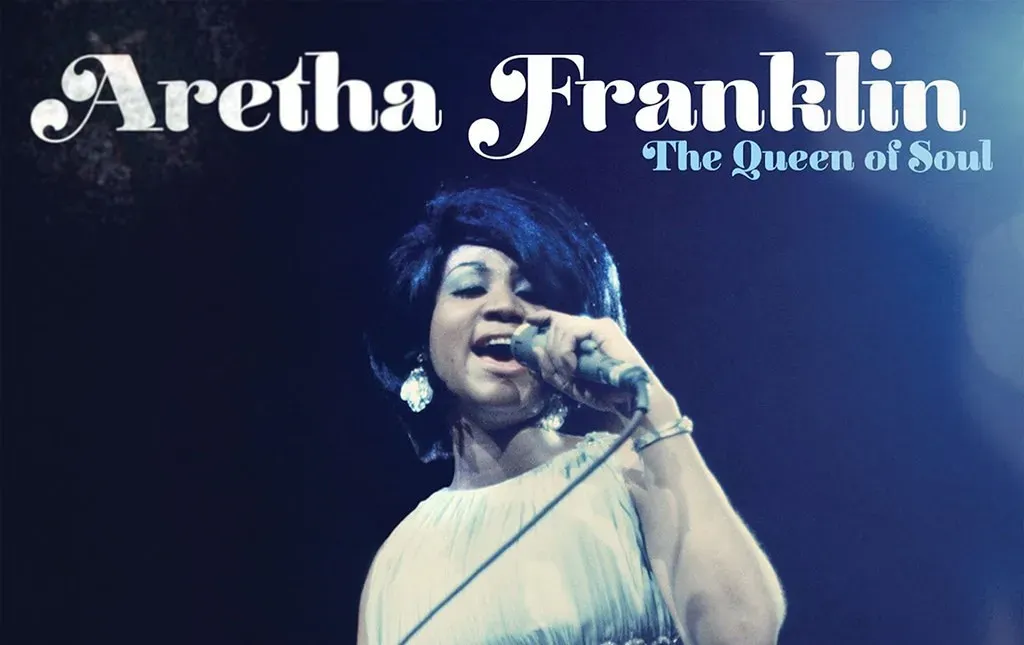
Otis Redding wrote and first recorded Respect, but Aretha Franklin’s 1967 version became the definitive one. It reached number one on the Billboard Hot 100 that year. She rearranged the song, added the spelling out of the title and brought in a backing vocal arrangement that changed its character.
It also earned Franklin Grammy Awards and became closely linked to the civil rights and women’s movements of the era. Stations keep it in rotation because it works on almost any playlist, from soul to classic hits. Few vocal performances from the decade carry as much force.
Hey Jude by The Beatles
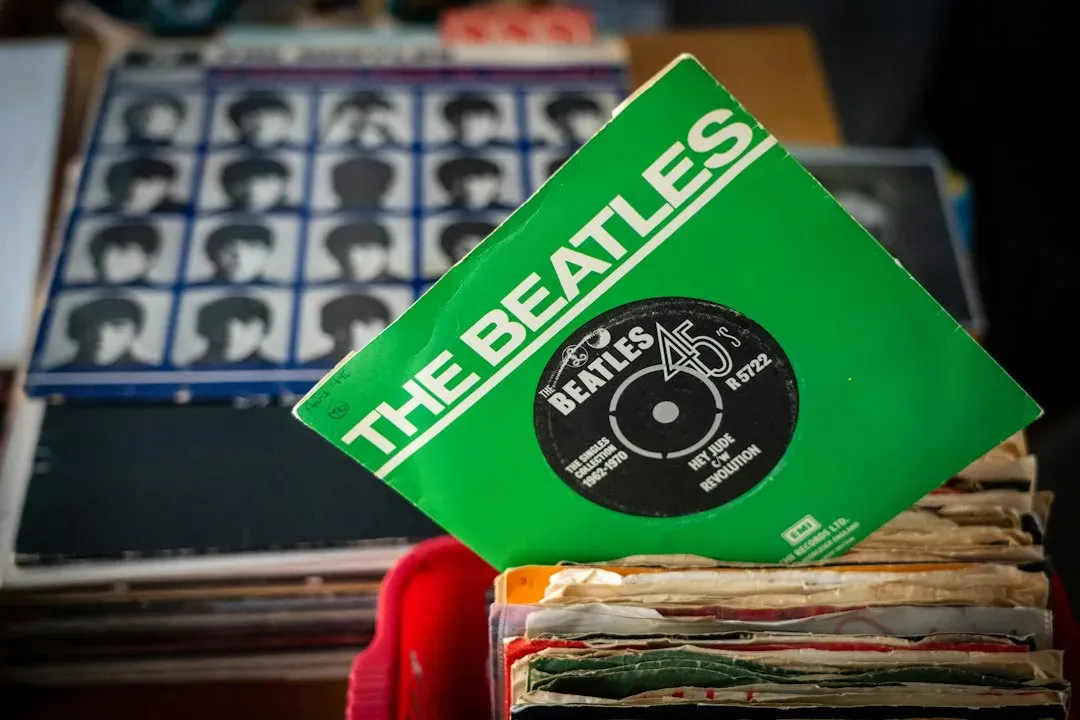
Paul McCartney wrote Hey Jude in 1968, and it was the first single released on the band’s own Apple label. At more than seven minutes, it was far longer than the usual single of the time. Even so, it spent nine weeks at number one in the United States.
The long singalong ending is a big part of why people remember it. Radio stations have often played it in full, which says a lot about how strongly listeners respond to it. It remains one of the best known Beatles tracks on the air.
(I Can’t Get No) Satisfaction by The Rolling Stones
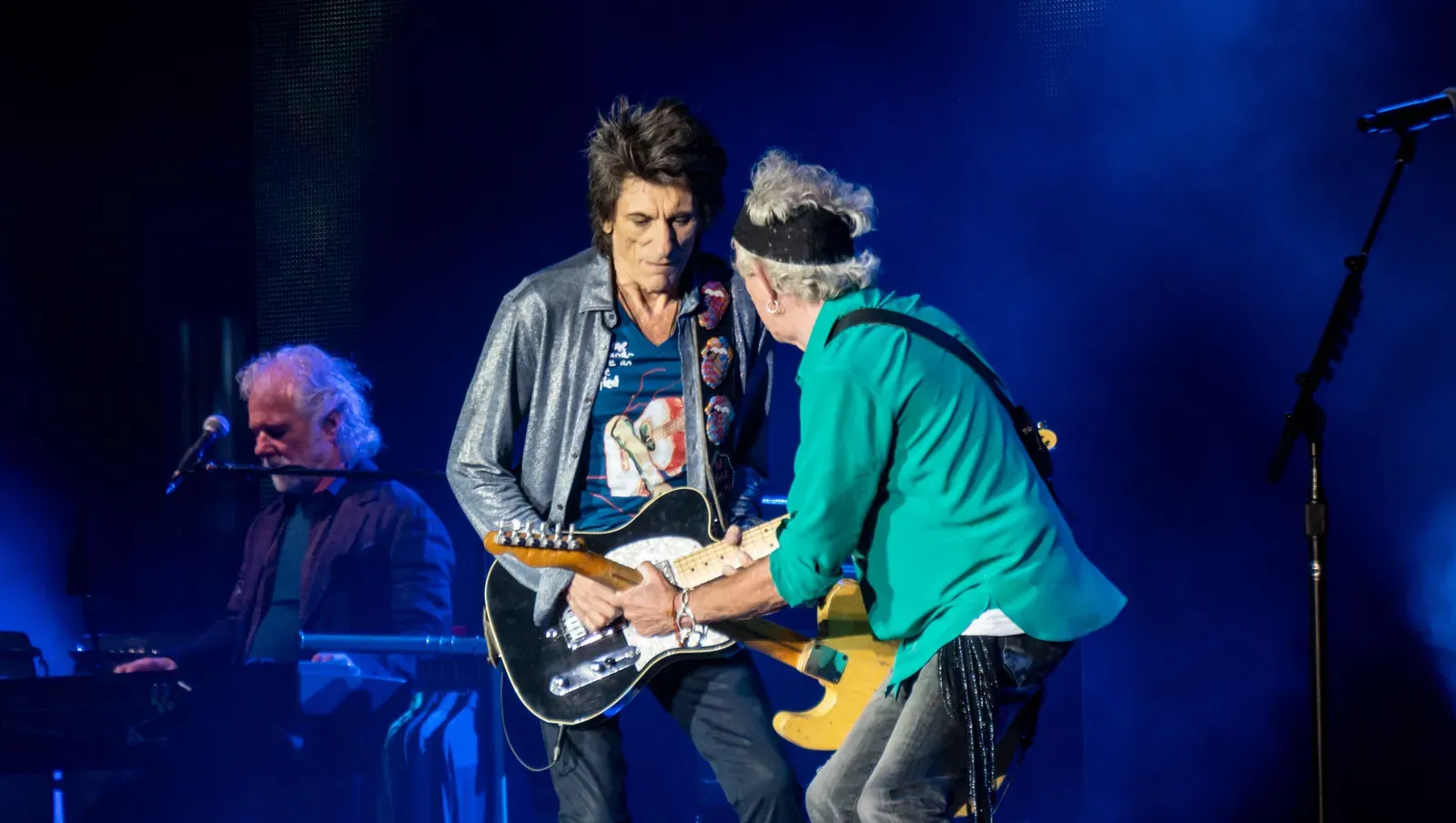
Keith Richards has said the main riff came to him in his sleep, and he recorded a rough version on a cassette recorder. The 1965 single went to number one in the United States. It gave the Rolling Stones their first big American hit.
The riff’s gritty tone came from a fuzz box, a Gibson Maestro FZ-1, which was new to most listeners at the time. That crunchy sound helped define rock guitar for years afterward. Classic rock stations still use it as a staple.
Like a Rolling Stone by Bob Dylan
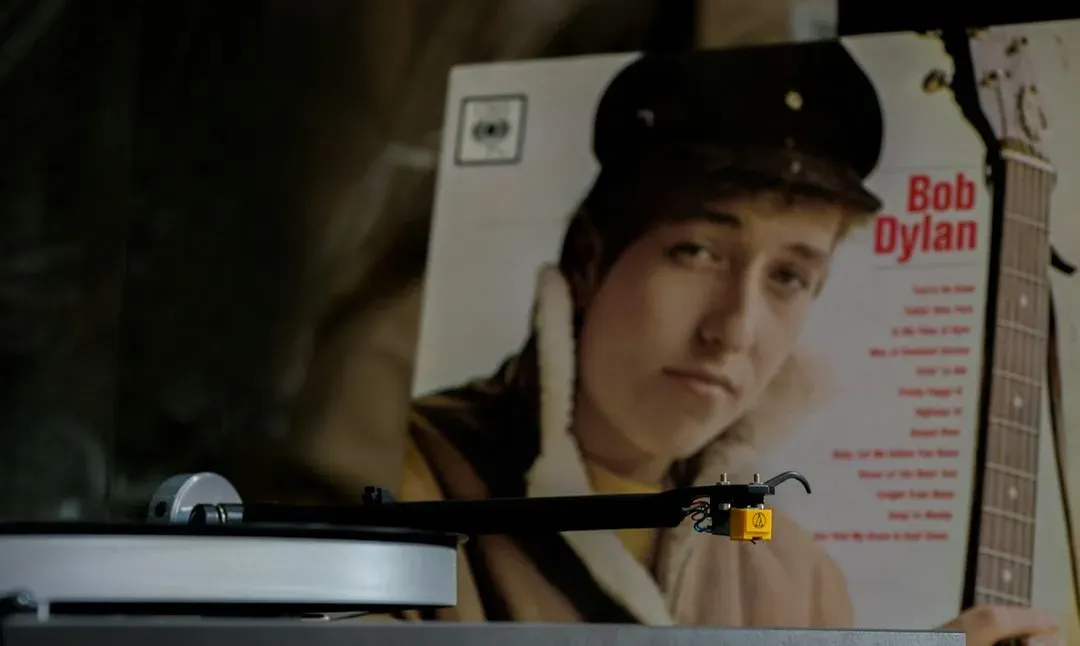
Released in 1965, Like a Rolling Stone ran about six minutes, which was well beyond the norm for a single. It peaked at number two on the US chart. Radio edits and full length versions have both been played over the decades.
Its mix of organ, loose drums and a sneering vocal pushed rock lyrics into new territory. Critics have ranked it among the greatest songs ever recorded, and Rolling Stone magazine has placed it at or near the top of its lists. That reputation keeps it on classic rock playlists.
My Girl by The Temptations
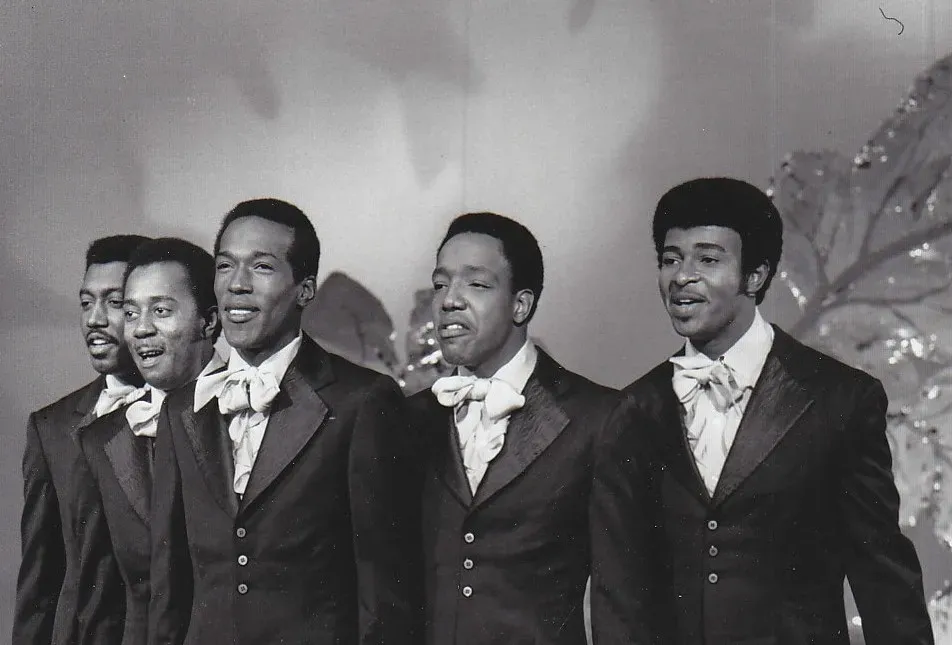
My Girl went to number one in the United States in early 1965. Smokey Robinson and Ronald White of The Miracles wrote it, and David Ruffin sang the lead. The opening bass line is one of the most recognizable intros in Motown.
The arrangement of strings, horns and guitar is smooth without feeling heavy. Because it is warm and uncomplicated, it fits oldies, soul and adult contemporary formats equally well. Many listeners know it even if they can’t name the group.
Sweet Caroline by Neil Diamond
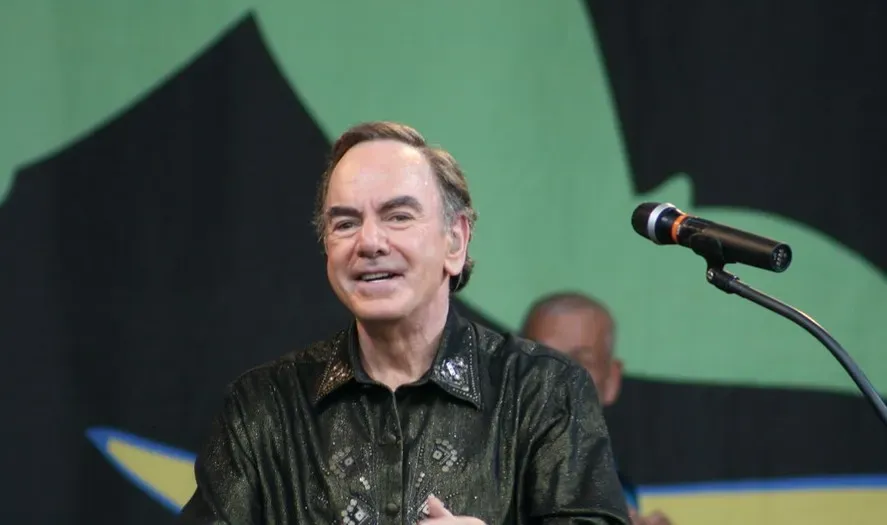
Neil Diamond released Sweet Caroline in 1969, and it reached number four on the US pop chart. It became a bigger part of popular culture long after its debut. The Boston Red Sox play it at Fenway Park during the middle of the eighth inning, a tradition that has become well known.
That ballpark ritual has helped keep the song familiar to younger audiences. Radio stations tend to play it for the singalong chorus and the horn flourish. It sits comfortably between pop and country oriented formats.
Oh, Pretty Woman by Roy Orbison

Roy Orbison co-wrote the song with Bill Dees, and it hit number one in both the United States and the United Kingdom in 1964. The growling guitar riff at the start sets it apart immediately. Orbison’s dramatic voice does the rest.
The song later gained fresh exposure through a 1990 film that borrowed its title. Oldies stations still rely on it because the riff grabs listeners within seconds. It stands as one of the most durable singles of the early British Invasion years.
Stand By Me by Ben E. King

Ben E. King recorded Stand By Me in 1961, and he co-wrote it with the songwriting team of Jerry Leiber and Mike Stoller. The song drew on a gospel idea and was built around a distinctive, repeating bass line. It reached the US top ten on its first release.
It returned to the top ten in 1986 after a film of the same name used it. Since then it has been covered by many artists across genres. Radio programmers keep it in rotation because the bass figure and King’s voice feel instantly familiar.
The Sound of Silence by Simon and Garfunkel
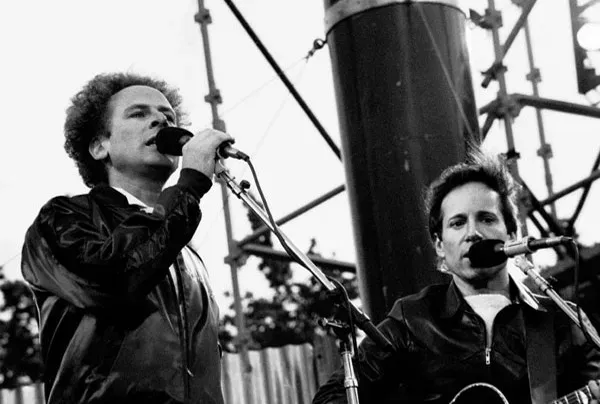
The Sound of Silence began as an acoustic recording in 1964. Producer Tom Wilson later added electric guitar, bass and drums without the duo being present. The new version reached number one in the United States in early 1966.
That folk rock reworking helped define a new sound in popular music. The song’s reflective lyrics and gentle harmonies have kept it on adult contemporary and classic rock playlists. It still turns up regularly on stations that favor 1960s music.