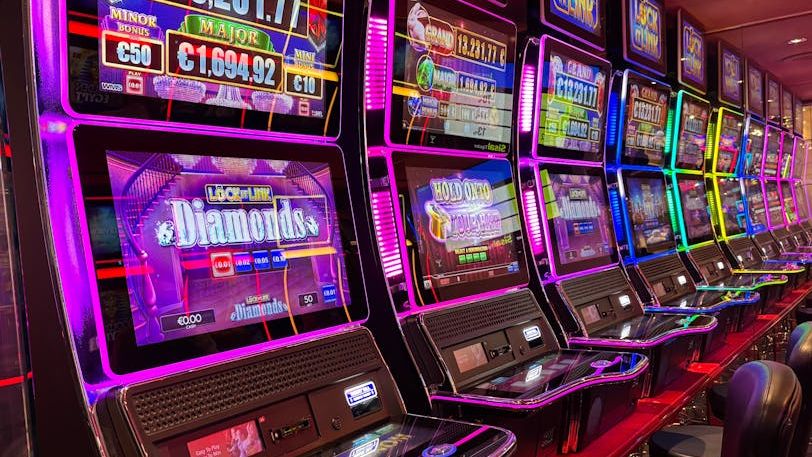
Walk across any casino floor in Las Vegas and you’ll see it. Someone rubbing the screen before a spin. A player whispering to the machine. Another who won’t let anyone sit in “their” seat because the energy is right. It looks a little strange from the outside, but from the inside, it feels completely logical. That tension between what we know and what we feel is at the heart of gambling psychology, and it’s a surprisingly rich topic once you start pulling at the threads.
The Machine Has Already Decided Before Your Hand Moves
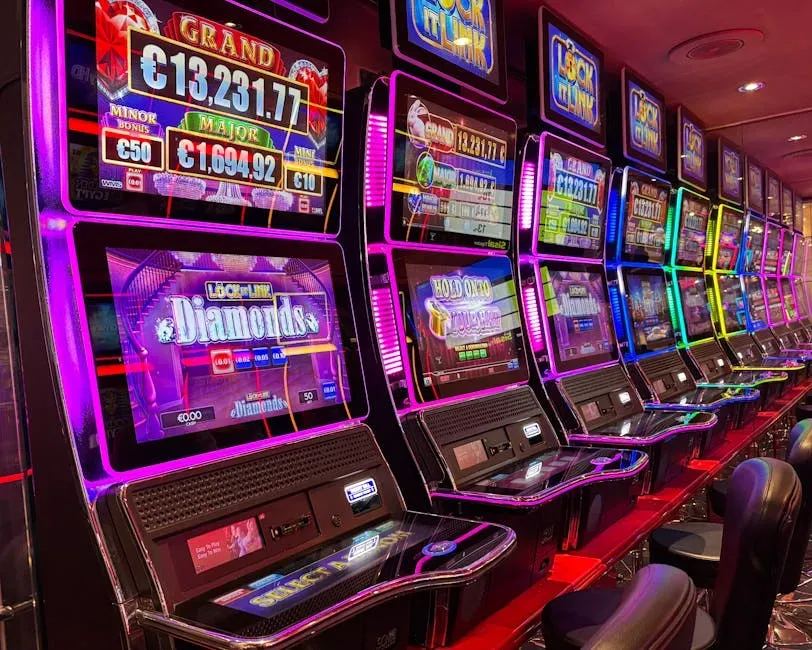
One of the most misunderstood facts about modern slot machines is that the outcome isn’t determined when the reels stop spinning. It’s determined the instant you press the button. Once the RNG produces a number, the slot’s software uses a mathematical mapping system to translate that number into a visual position on each reel, meaning the visual spinning of the reels is merely a dramatic presentation of a result that was effectively randomized the instant you pressed the button.
This is crucial. Even when no one is playing, the RNG constantly generates numbers at an astonishing rate, thousands per second. When a player presses the spin button, the RNG selects the most recent number, which corresponds to a specific reel position. So tapping the machine gently, pressing hard, or stroking the glass changes absolutely nothing. The number was already picked before your finger made contact.
The Scale of the Industry Explains Why Superstitions Persist
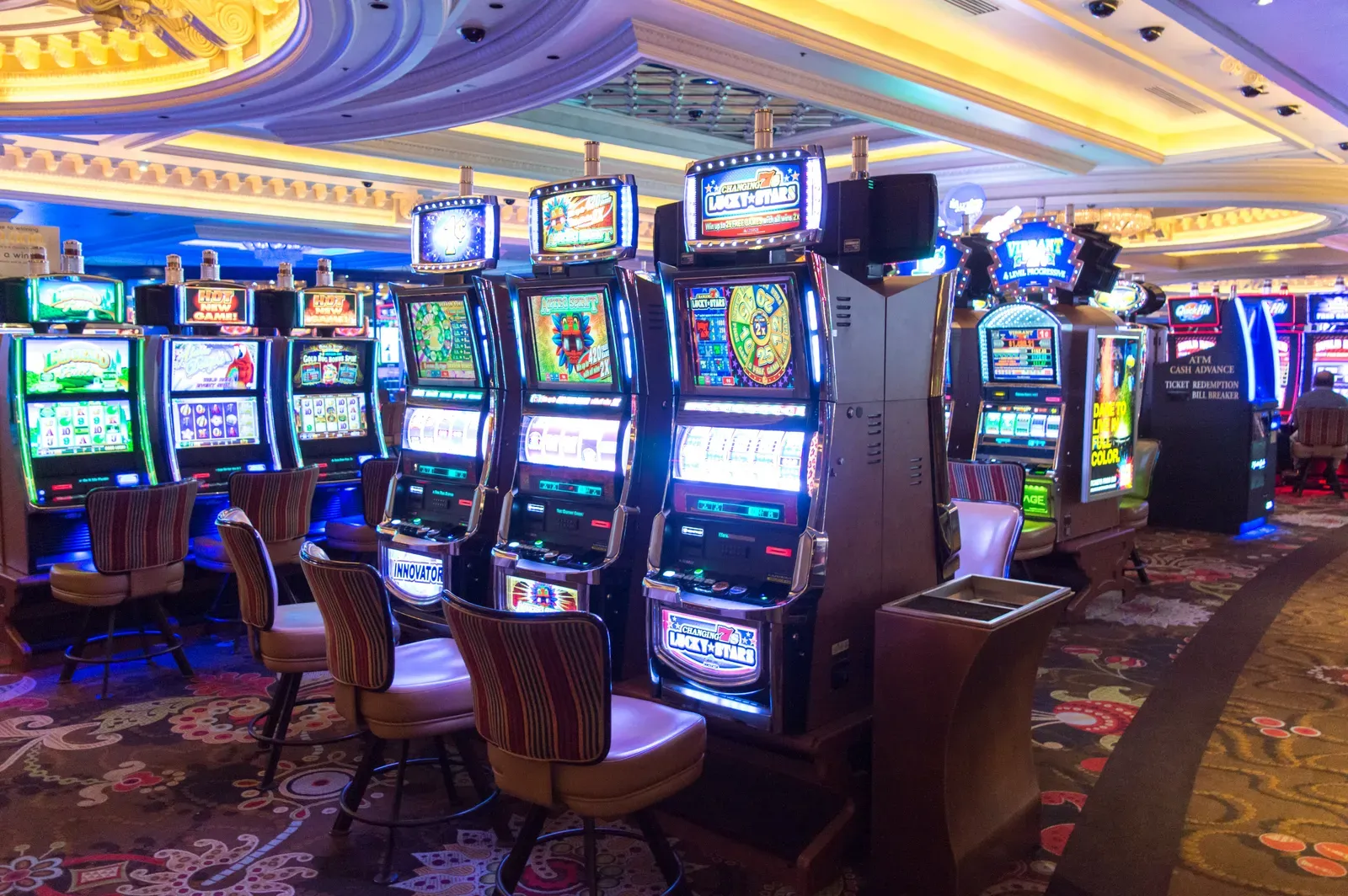
Slot machines aren’t just a fun distraction in Nevada. They’re the financial backbone of the entire casino industry. Slot machines were Nevada’s primary revenue driver in 2024, generating $10.52 billion, or 67.3% of total gaming revenue. That’s a staggering figure, and it reflects just how many people are feeding money into these machines day after day.
In 2024, the state’s casinos won a record $15.6 billion from players who gambled, with $10.5 billion coming from slot machines and $5.1 billion from table games. When that much money changes hands, it creates an enormous pool of human experience, emotional investment, and desperate pattern-seeking. The more you lose, the more urgently your brain looks for something, anything, that might tip the balance. Superstition fills that void.
Illusory Control: The Cognitive Trap at the Core of It All
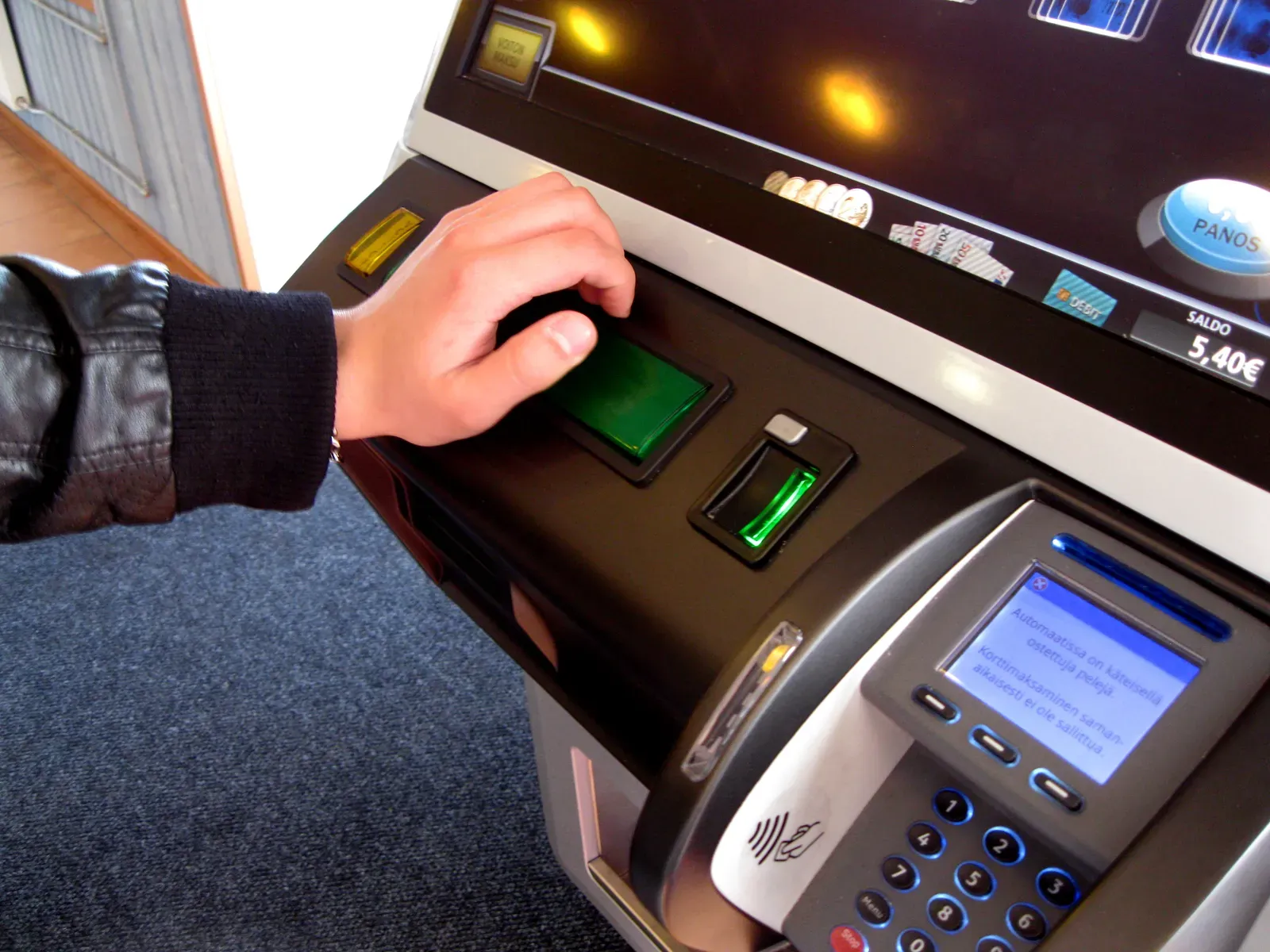
The illusion of control is a cognitive bias where individuals overestimate their personal influence over random events. Psychologists have been studying it for decades, and it turns out to be remarkably stubborn. It doesn’t just affect gamblers. It shows up in everyday life whenever people feel anxious and uncertain. Gambling, with its high emotional stakes and rapid feedback loops, is basically the perfect breeding ground for it.
When gambling, agents seek control over random chance. This illusory control can be derived from perceived skill components of a gamble, such as the belief that pressing the button with a specific speed or force will produce a win, from personal luck, or from using other people’s perceived luck. The truly strange thing is that people who understand the machine is random still experience the pull of these beliefs. Knowing something intellectually and feeling it emotionally are two very different things.
Why Ritual Behaviors Feel So Convincing
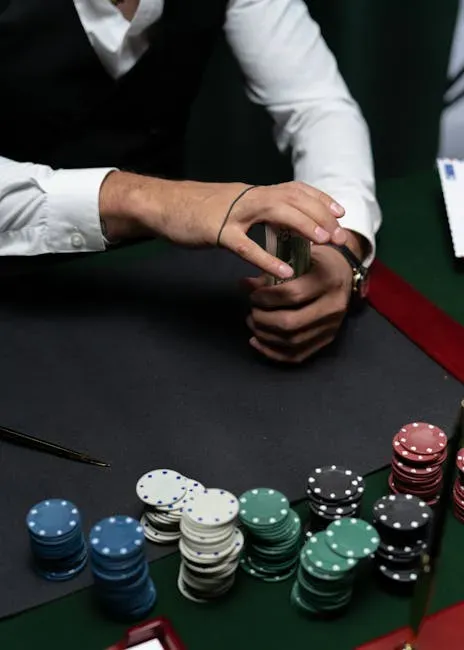
Some people believe in superstitions which are expected to increase the chances of a favorable outcome, such as carrying lucky charms, blowing on dice, or performing other rituals which are not considered skill but are expected to increase luck. These behaviors are more common than most people would admit. Surveys consistently show that a significant portion of gamblers engage in at least one such ritual, and many don’t even recognize it as irrational in the moment.
Particularly when money is wagered on the outcome of games that are objectively uncontrollable and contain a house edge, the illusion of control may lead to persistent gambling and financial loss. Rituals, in this context, serve a psychological function. They give the gambler something to do, a sense of agency in a situation that offers none. The ritual isn’t really about the machine. It’s about managing internal anxiety.
The Gambler’s Fallacy and the Myth of “Due” Wins
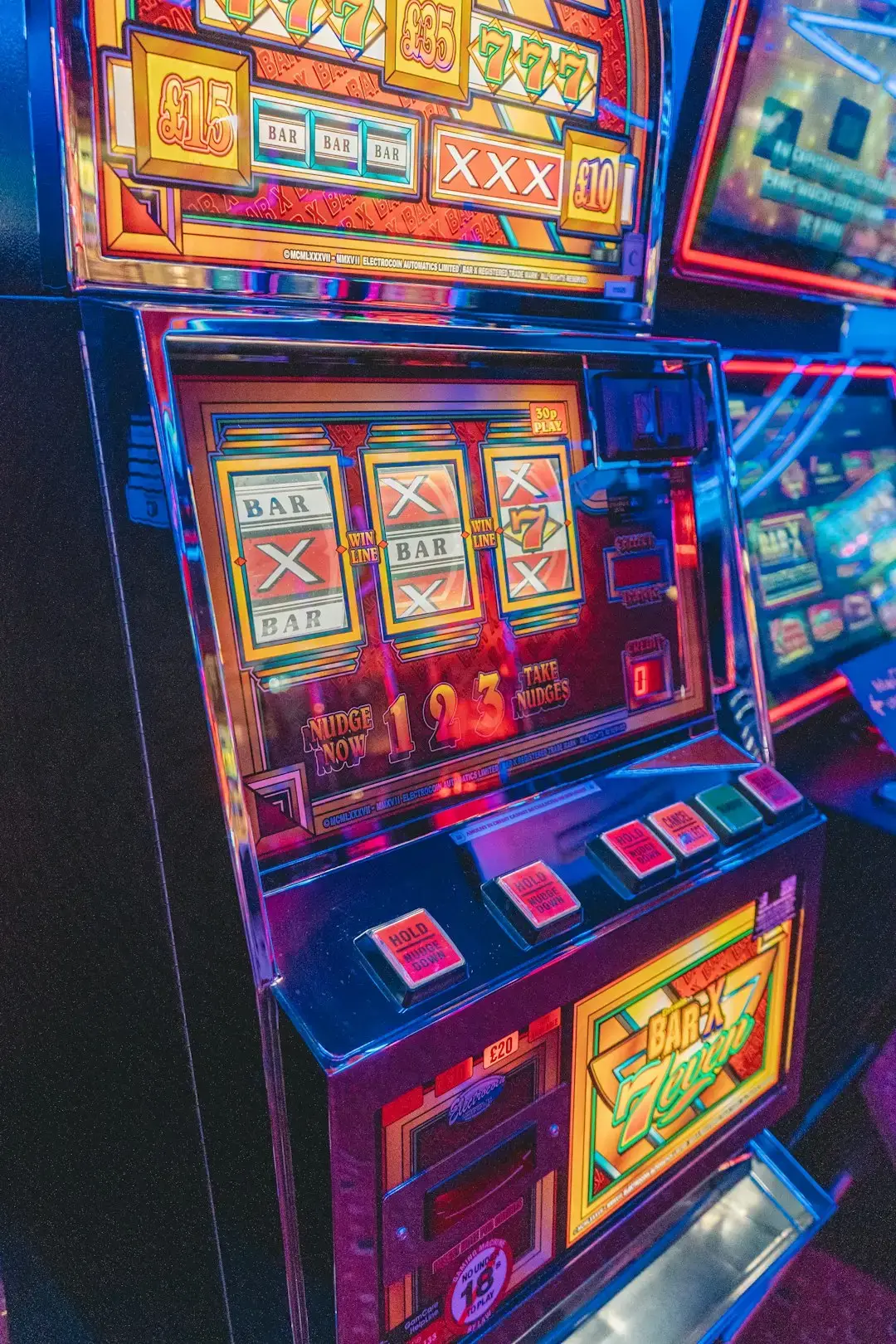
RNGs ensure that each spin is independent. The machine controls no “hot” or “cold” streaks. Despite this, the gambler’s fallacy remains one of the most widespread cognitive errors in casinos. Players who have lost ten spins in a row genuinely feel that a win is more likely on the eleventh. It isn’t. Each spin has no memory of what came before it.
The machine doesn’t know “you won last time.” True randomness has no memory. The brain, however, is built to detect patterns. It evolved in environments where patterns meant survival. A rustle in the grass could mean a predator, so the brain learned to connect events even when no real connection exists. In a casino, that same hardwiring misfires constantly, turning random sequences into perceived streaks and apparent rhythms that simply aren’t there.
Near-Misses: The Cruelest Design Feature
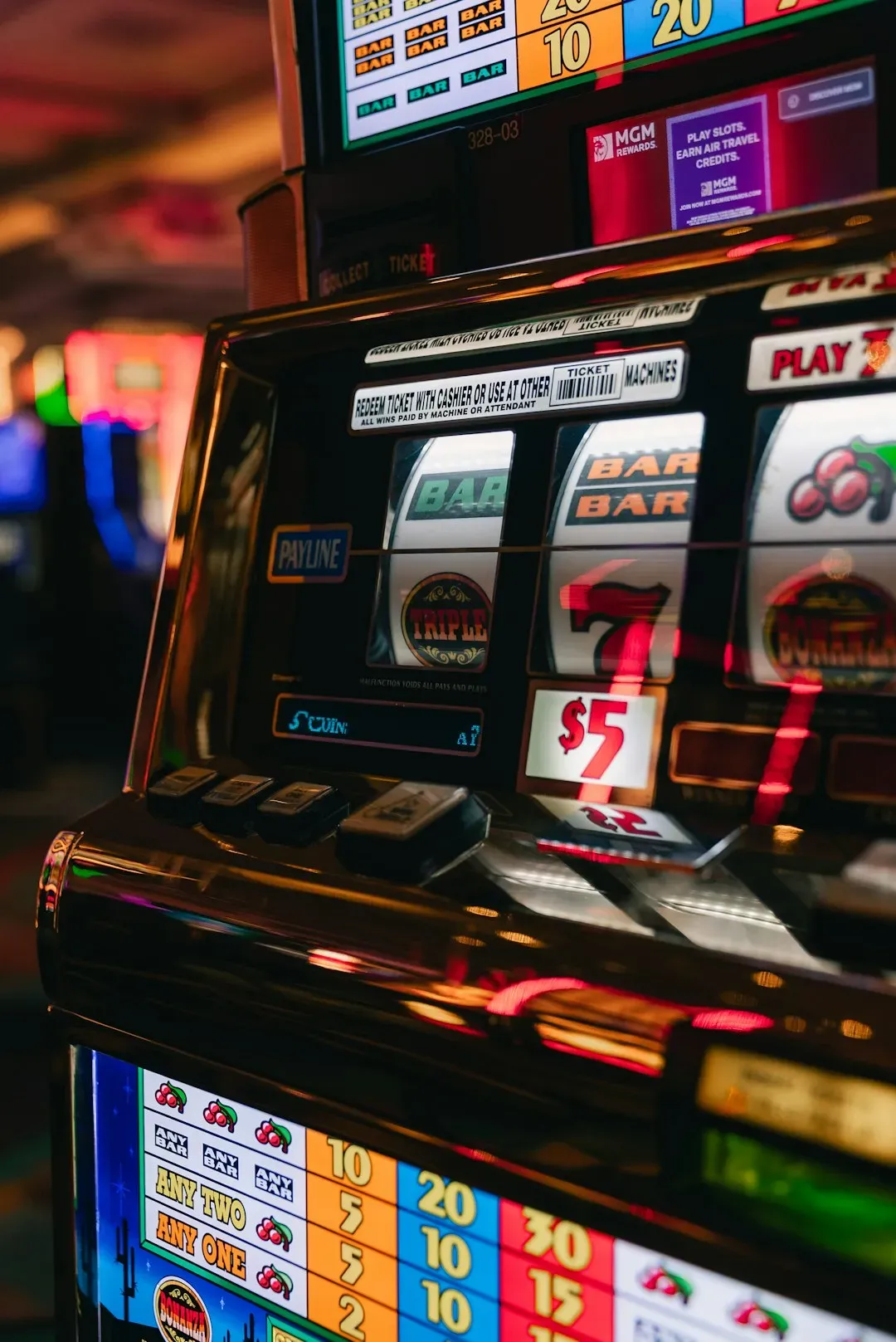
“Near-miss” events, where unsuccessful outcomes are proximal to the jackpot, increase gambling propensity and may be associated with the addictiveness of gambling. If you’ve ever watched the third reel stop one symbol short of the jackpot and felt your heart drop, you know exactly what this means. That feeling isn’t accidental. It’s engineered.
Partner offer
Near-miss outcomes stimulate reward-related parts of the brain such as the ventral striatum, and can increase heart rate and dopamine transmission in the brain, with the stimuli causing the feeling that the gambler is close to a win. From a purely rational standpoint, a near-miss is just a loss. The near-misses you sometimes see are not the machine teasing you with what might have been; they’re simply the visual result of a number that the math had already decided. The brain, though, treats near-misses more like partial victories, and that emotional response pushes people to keep playing.
Dopamine, Anticipation, and the Real Reward Loop
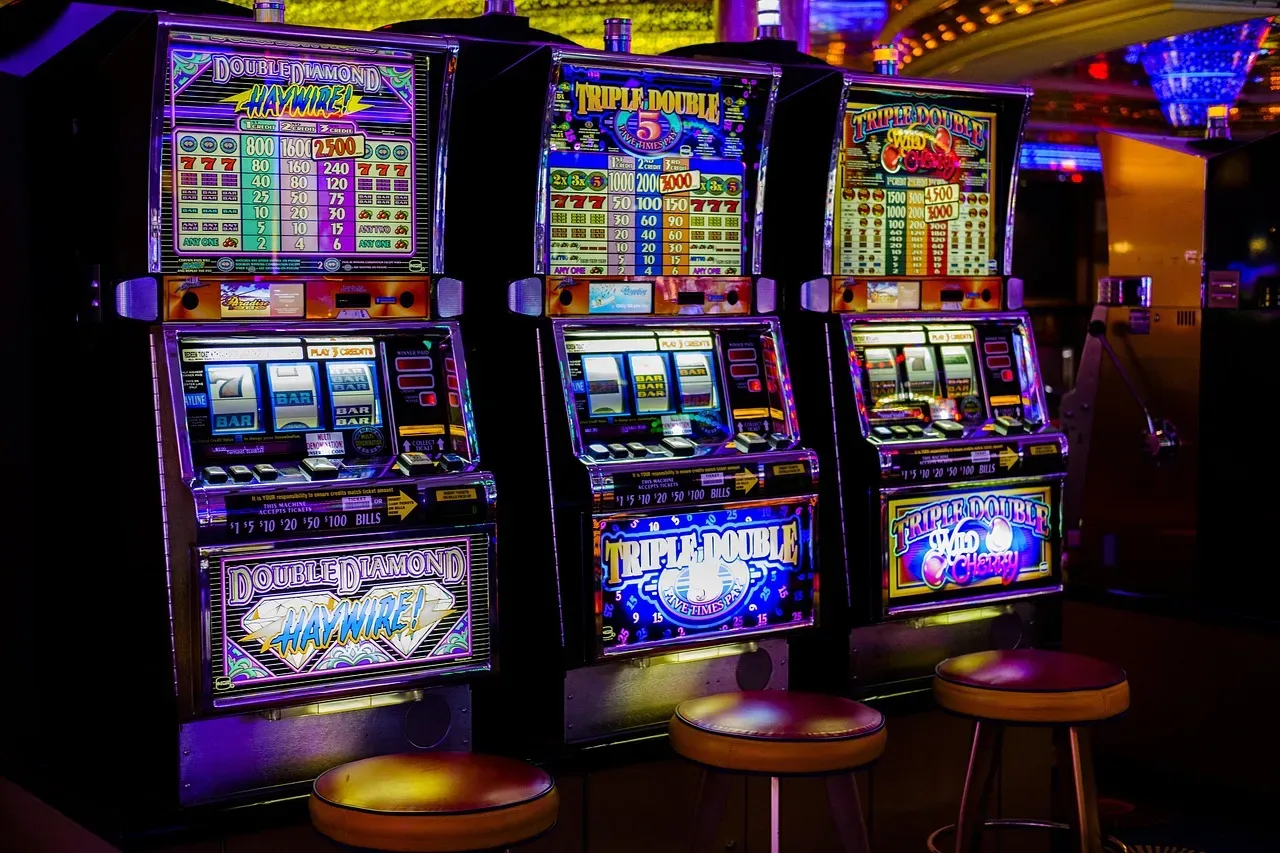
The popular image of gambling as simply rewarding wins turns out to be incomplete. Gambling severity seems to predict a greater response in the dopaminergic midbrain to near-miss events, but not to winning events, suggesting that near-misses involve reward-related brain circuits in frequent gamblers. In other words, the brain’s most intense chemical response isn’t triggered by winning. It’s triggered by almost winning, which is far more common and far harder to walk away from.
Cognitive accounts of gambling suggest that the experience of almost winning, so-called near-misses, encourage continued play and accelerate the development of pathological gambling in vulnerable individuals. One explanation for this effect is that near-misses signal imminent winning outcomes and heighten reward expectancy, galvanizing further play. Superstitious behaviors often cluster around these near-miss experiences. A player who almost hits the jackpot doesn’t conclude the machine is random. They conclude they were this close, and start adjusting their ritual accordingly.
How Slot Machines Are Designed to Encourage Belief in Control
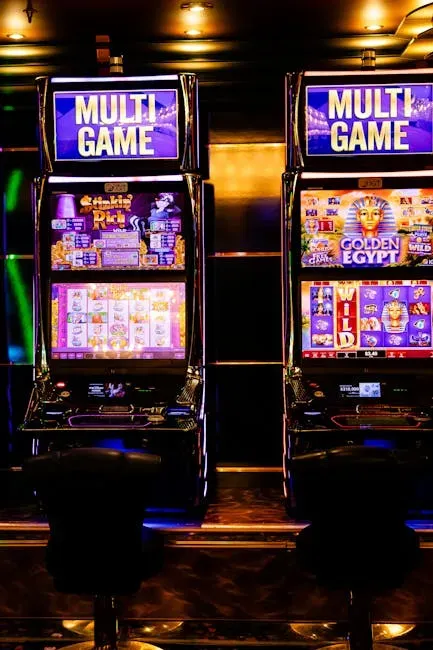
Within chance-based gambling products, technologies are continually being added to provide gamblers with a heightened sense of control. One of the first devices introduced on slot machines was a stopper button for braking the reels. The win or loss outcome on such a game is determined when the reel is spun, so any sense of control from using the stopper is illusory, yet many gamblers can attest to a compelling experience of self-agency following a win when applying the stopper.
Skill-based gambling machines are an innovation in EGM technology that combines the skill or apparent skill often employed in video games with the randomised monetary rewards of traditional electronic gaming machines. They integrate video-gaming attributes, such as reaction-time skilful play, but outcomes are largely chance-determined. The machines are becoming increasingly sophisticated in mimicking skill-based environments, which only deepens the illusion that what you do with your hands actually matters.
Return to Player: The Number Nobody Thinks About
Every slot machine is programmed with a Return to Player percentage that determines how much money, on average, is paid back over millions of spins. The Return to Player percentage is a critical statistic that indicates the average amount a game returns to players over an extended period. A slot machine with an RTP of 95% will, on average, pay back roughly 95 for every 100 wagered. Notice the phrase “on average over an extended period.” Short-term results can vary wildly, and that variation is where superstition grows.
The only control electronic gaming machine gamblers have is over the bet size and number of lines bet. These choices only affect the size and frequency of wins and losses but do not influence the overall percentage return-to-player. The return is instead set by a payout table that is fixed, although often seldom accessed by gamblers. Most players never read the payout tables. They rely instead on feel, intuition, and the rituals they’ve developed over time. Tapping the machine, in a sense, is what fills the knowledge gap.
The Psychology of Uncertainty and Why Superstitions Spread

Superstitions don’t only survive in casinos because people are uninformed. They survive because uncertainty is psychologically uncomfortable, and ritual relieves that discomfort. Langer’s landmark research on the illusion of control showed that people act in ways that suggest they hold illusory beliefs in their ability to control the outcome of chance-determined games. This highly cited work influenced the emerging field of gambling studies and became a building block for cognitive approaches to problem gambling.
Cognitive distortions can result in maladaptive interpretations of events and maladaptive behavior. In the case of gambling, such distortions can contribute to the maintenance of the disorder. What makes this especially tricky is that these distortions aren’t always obvious to the people experiencing them. A belief that feels personal and intuitive, like choosing a specific seat or tapping the screen in a specific rhythm, doesn’t register as irrational from the inside. It feels like a reasonable response to a complicated situation. And that, more than anything, is why these superstitions are so hard to shake.
What Knowing the Truth Actually Changes
Understanding how RNG systems work doesn’t automatically make gambling more rational or less emotionally charged. The cognitive biases that produce superstitions are baked into human psychology at a deep level. Over time, research on illusory control has inspired therapeutic approaches based on cognitive restructuring, preventative programs focused upon gambling myths, and regulatory scrutiny of skill mechanics in modern gambling products. Progress is happening, but slowly.
The value of understanding the mechanics isn’t to drain gambling of its entertainment. It’s to recognize the difference between playing for fun within clear limits and playing with the belief that you’ve found a system that works. Casino rituals and superstitions can lead to irresponsible gambling and players placing large bets on results that can’t be predicted at all. Falling for misconceptions like the infamous gambler’s fallacy can tell us a lot about player psychology. Awareness, in this case, is a form of protection rather than a buzzkill.
Tapping the screen changes nothing about the outcome. What it does change is how the player feels in that moment, and that gap between what the machine is doing and what the player believes it’s doing is one of the most fascinating places in all of behavioral psychology. The machine doesn’t care. The human brain, relentlessly meaning-making and pattern-hungry, very much does.
Partner offer
Planning a trip to Vegas?
Compare hotel rates and show tickets on VEGAS.com.