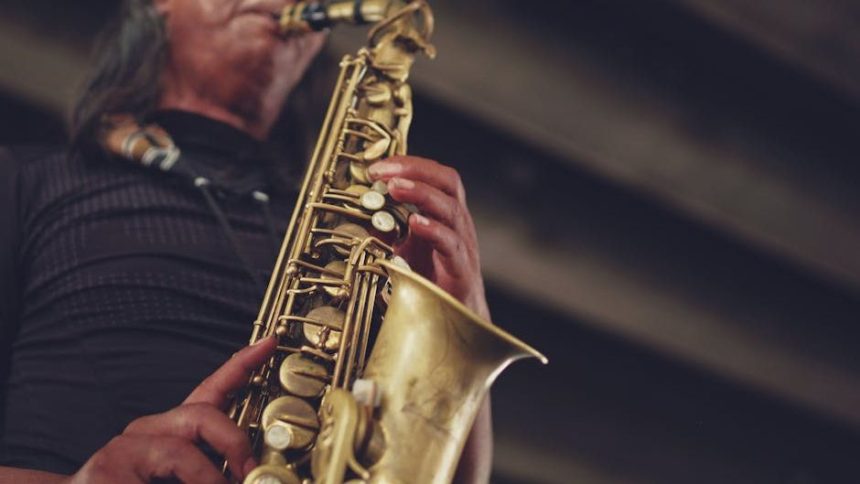
There’s a reason historians keep circling back to jazz. Not because it’s the most commercially dominant genre today – honestly, it isn’t – but because few forces in American history moved through so many layers of society at once, shifting norms, borders, and identities with such quiet authority. It didn’t announce itself with a manifesto. It moved through speakeasies and radio waves and street corners, and by the time anyone noticed, it had already rewritten the rules.
From the question of who could share a stage or a dance floor to the birth of hip-hop decades later, jazz threaded itself through the American story in ways that still deserve attention. So let’s dive in.
Born from Bondage: The African American Roots of Jazz
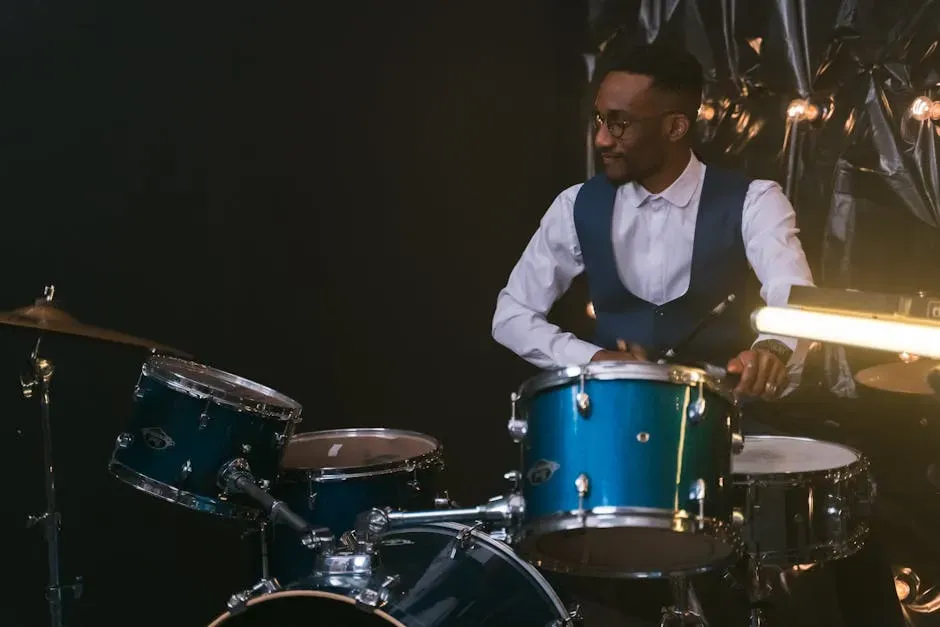
On the grounds where enslaved people labored as captives, they created songs to unwind, express themselves, vent, and keep the customs and culture of their African homelands alive. That raw act of cultural survival would eventually become one of the most influential art forms the world has ever known. It’s a stunning origin story, if you think about it – resilience turned into a revolution.
Jazz music originated in African American communities in the United States in the late 19th and early 20th centuries, characterized by swing and blue notes, call and response vocals, polyrhythms, and improvisation, with roots in West African cultural and musical expression and African American music traditions including blues and ragtime. It wasn’t just music. It was a memory, a philosophy, a living archive.
Jazz developed from Afro-American music which included work songs, spiritual music, and other forms. Jazz music emerged out of “hot music” from New Orleans at the turn of the twentieth century and some of the structures were inherited from Africa and passed down to blacks from slavery to freedom. That inheritance was profound and, for a long time, unacknowledged.
The Jazz Age: When a Generation Decided to Rebel
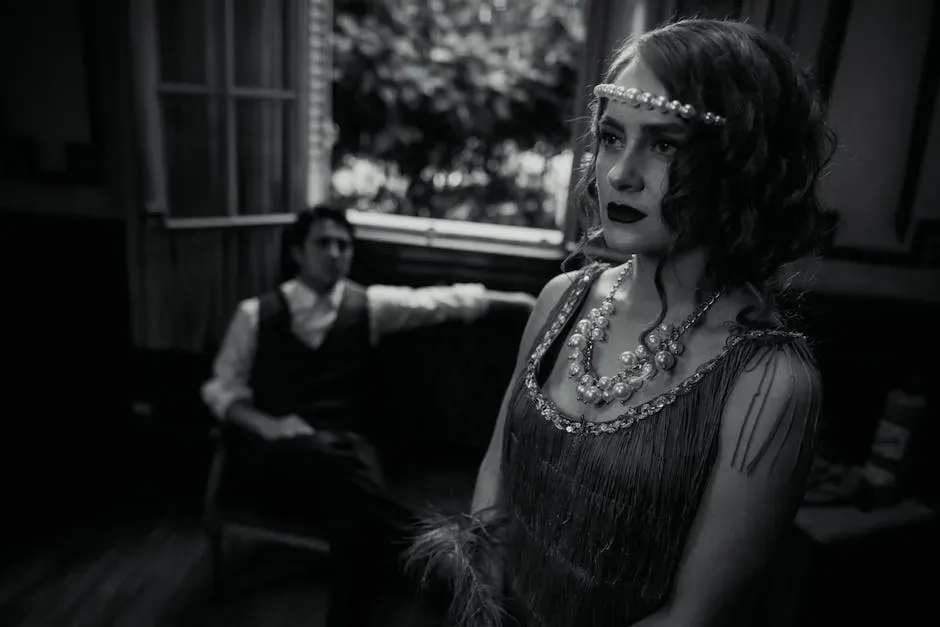
No longer a regional music dominated by African Americans, jazz in the 1920s helped define a generation torn between the Victorian society of nineteenth-century America and the culture of modernity that was quickly defining the early twentieth century. That generational tension is easy to underestimate. Young people were essentially choosing between the world their parents built and something entirely new.
Young people in the 1920s, captivated by jazz, were the first generation of teenagers and young adults to rebel against their parents’ traditional culture. Think about that for a moment. Every generation of rebellious youth since then – rock kids in the fifties, punk teenagers in the seventies – owes something to those original jazz-age rule-breakers. They were the prototype.
The rapid developments in recording technology, the growing popularity of radio, and the burgeoning film industry transformed jazz from a local, predominately African American music, to a nationally accepted cultural form identified as uniquely American. Technology and music had formed their first real alliance, and the country would never sound the same again.
Jazz, Race, and the Speakeasy as Sacred Ground
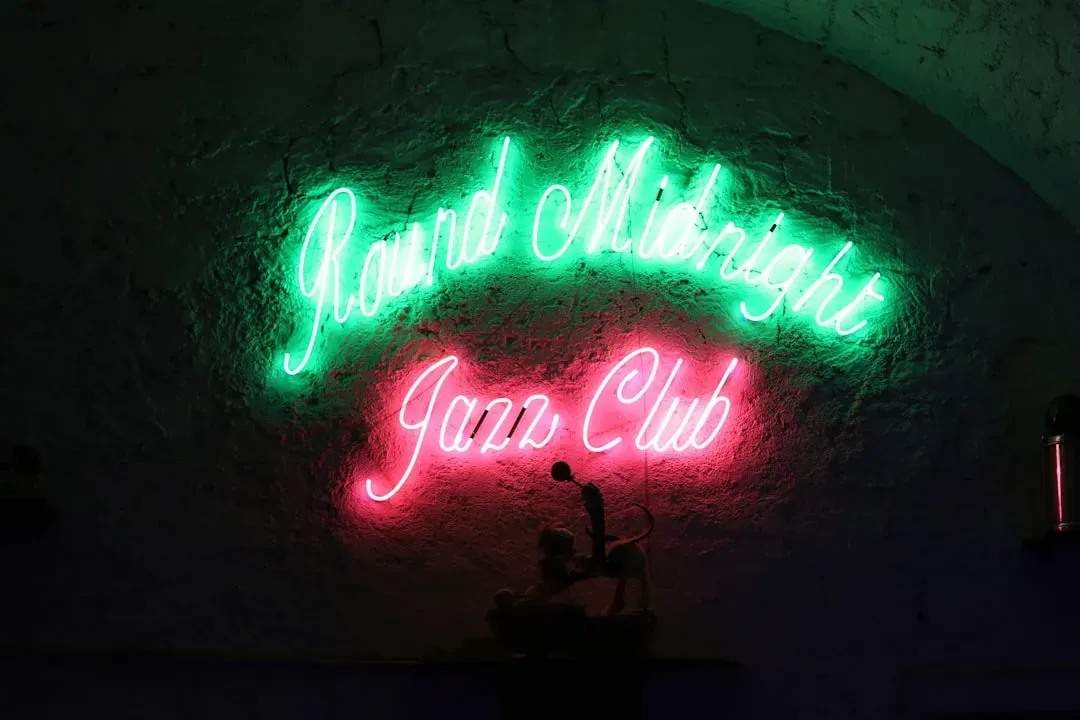
In Harlem and in Chicago’s South Side, integrated cabarets comprised some of the few spaces where white and Black people could openly interact in social settings at the height of Jim Crow segregation. This is honestly one of the most overlooked facts about the era. When nearly every public institution was designed to keep races apart, jazz clubs quietly ignored the rulebook.
Although scorned by many as vulgar and even morally corrupting, jazz was a unifying social force for blacks and whites who lived their lives mostly as two separate nations within the United States. Through more than the first half of the 20th century, jazz provided a rare, virtually underground passageway through which many young white musicians and white fans passed on their way to discovering the richness and shared common humanity of black culture.
A decade before Jackie Robinson broke down baseball’s “color barrier,” the black jazz greats Teddy Wilson and Lionel Hampton were making not just musical but also social and cultural history by playing with Benny Goodman, the enormously popular white bandleader and clarinetist known as the King of Swing. The sports world gets enormous credit for integration. Jazz did it first, and with a saxophone.
The Harlem Renaissance: Jazz as the Fuel of a Cultural Explosion
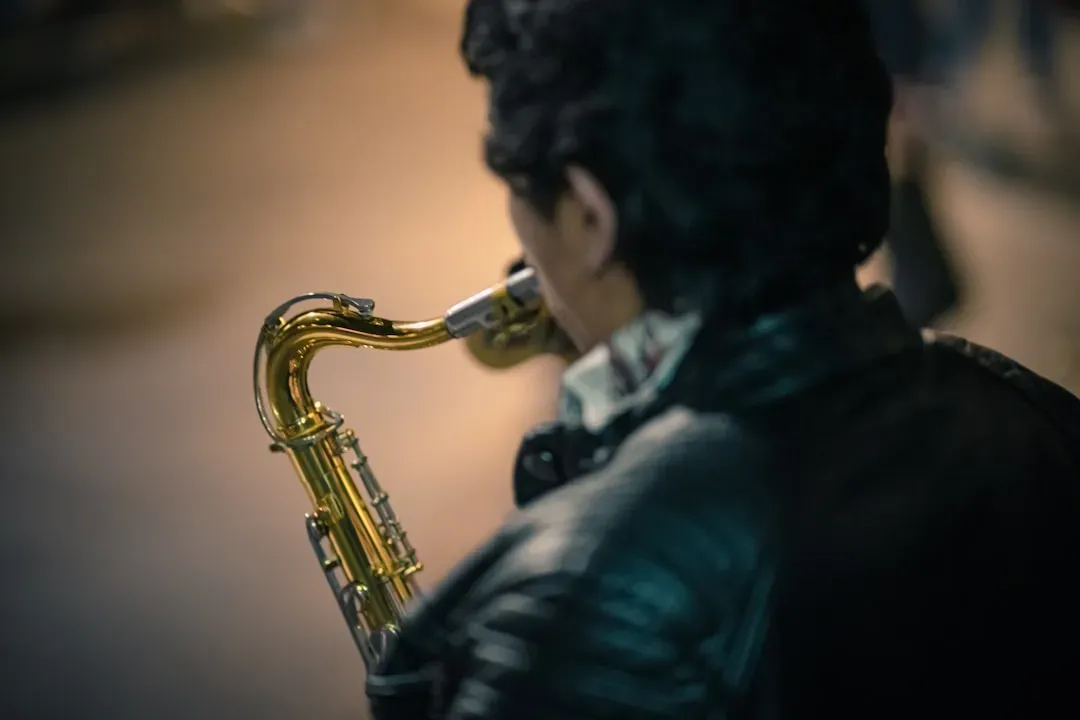
The Harlem Renaissance was an intellectual and cultural movement of African-American music, dance, art, fashion, literature, theater, politics, and scholarship centered in Harlem, Manhattan, New York City, spanning the 1920s and 1930s. It was nothing short of a rebirth. The sheer scale of what happened in those years is still breathtaking to consider.
Contributing factors leading to the Harlem Renaissance were the Great Migration of African Americans to Northern cities, which concentrated ambitious people in places where they could encourage each other, and the First World War, which had created new industrial work opportunities for tens of thousands of people. Jazz was the soundtrack to that migration. It gave the movement its heartbeat.
Black writers such as Langston Hughes and Countee Cullen used language in similarly innovative ways, employing rhythms and themes inspired by jazz. Their works explored the Black experience in America, criticizing racism while celebrating Black identity. Jazz thus became more than background music – it symbolized liberation, self-expression, and the promise of something new.
Jazz and the Women’s Liberation Movement
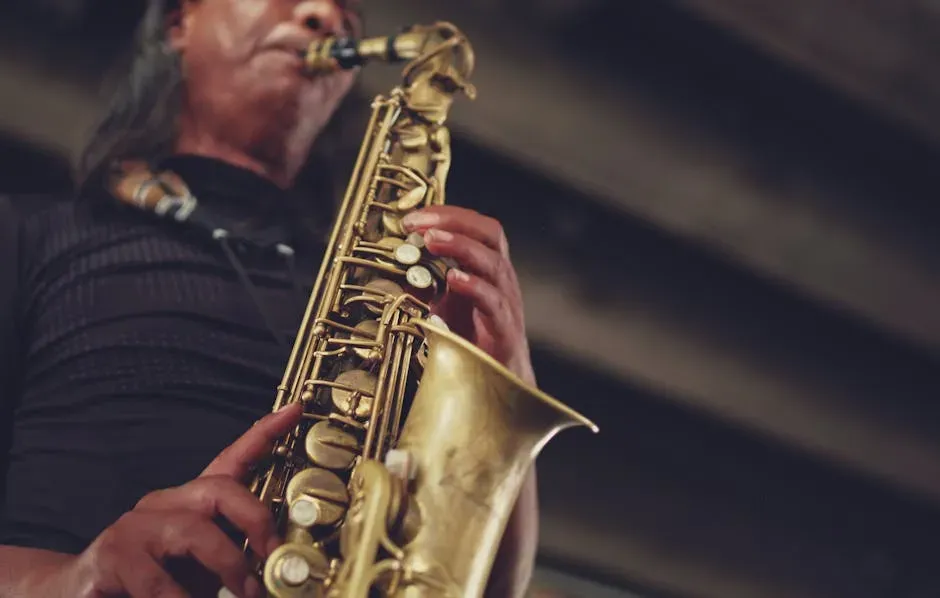
The Jazz Age and the proliferation of the flapper lifestyle of the 1920s should not be seen merely as the product of postwar disillusionment and newfound prosperity. Rather, the search for new styles of dress and new forms of entertainment like jazz was part of a larger women’s rights movement. Here’s the thing – the connection between jazz and women’s freedom is rarely told as directly as it deserves to be.
The Jazz Age saw the rise of the flappers – young American women who participated in acts considered untraditional and unfeminine. Flappers drank, smoked, partied, dared to dance, and engaged in other typically masculine activities. They used the jazz dance floor as a stage for social defiance. Every shimmy was a small act of revolt.
Women were increasingly leaving the Victorian era norms of the previous generation behind, as they broadened the concept of women’s liberation to include new forms of social expression such as dance, fashion, women’s clubs, and forays into college and the professions. Jazz didn’t cause the women’s movement, but it gave it a rhythm, a context, and a crowd to perform in front of.
Strange Fruit and the Sound of Civil Rights
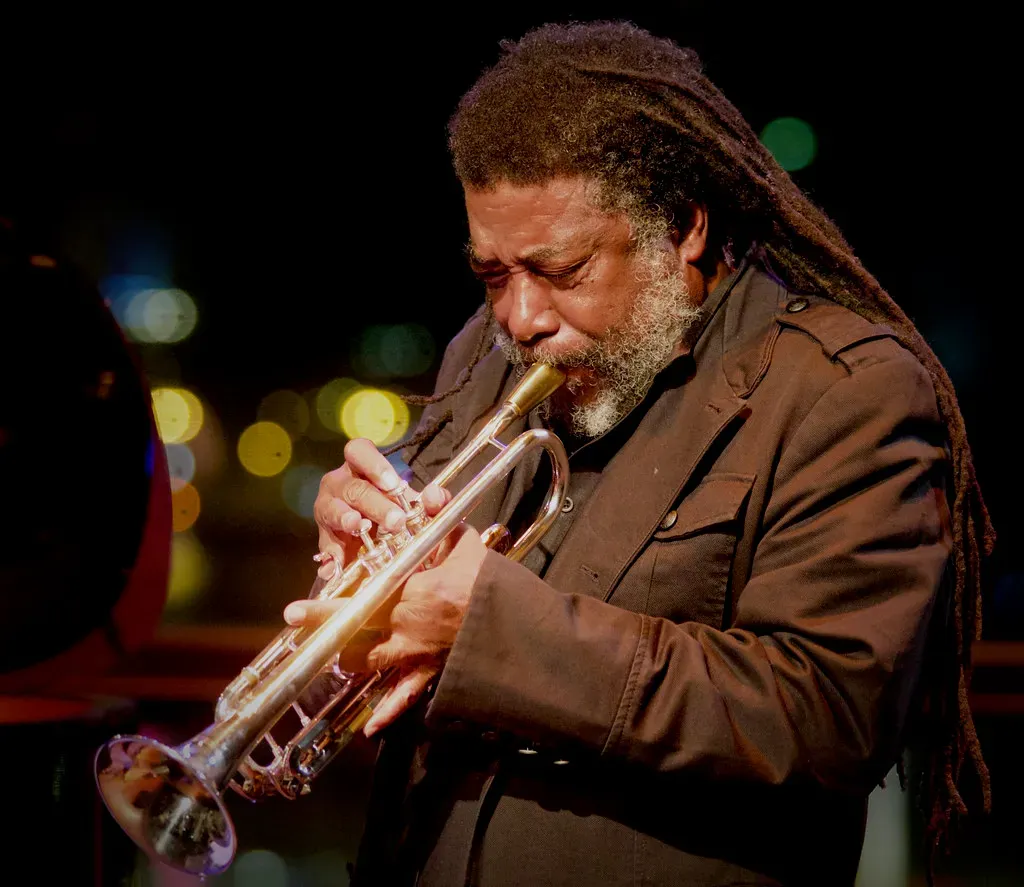
Jazz served as a tool for social change, providing a platform for political expression and activism. During the Civil Rights Movement of the 1950s and 1960s, jazz musicians used their art to advocate for equality and justice. Songs like “Strange Fruit,” performed by Billie Holiday, addressed the horrific realities of racism and lynching, stirring public consciousness and prompting discussions about civil rights. There are songs that entertain. Then there are songs that indict. “Strange Fruit” was the latter.
In 1956, when Arkansas Governor Orville Faubus sought to block integration of his state’s schools, the bassist Charles Mingus responded with a scathing piece called “Fables of Faubus.” In 1958, jazz saxophonist Sonny Rollins recorded “The Freedom Suite” with drummer Max Roach and bassist Oscar Pettiford. The song’s theme was groundbreaking, and its length – nearly 20 minutes – was unusual. John Hasse, curator emeritus of American music at the Smithsonian National Museum of American History, cites the suite as one of the earliest jazz pieces to make an explicit statement about civil rights.
Jazz-inspired activism joined other political and civic efforts to push the U.S. Congress to pass the Civil Rights Act of 1964, which makes discrimination based on race, color, religion, sex or national origin illegal; the Voting Rights Act of 1965, which outlawed many discriminatory voting practices; and the Fair Housing Act of 1968, which bars discrimination in the housing industry. The legislative victories had many authors. Jazz was one of them.
Bebop, Identity, and the Sound of Defiance
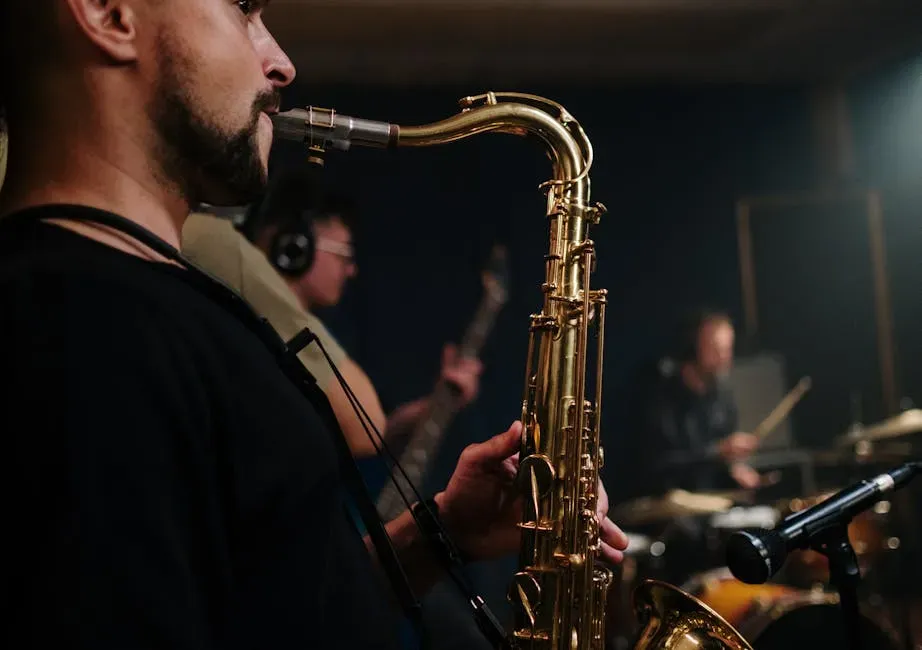
Jazz categories include Dixieland, swing, bop, cool jazz, hard bop, free jazz, Third Stream, jazz-rock, and fusion. The first jazz style to receive recognition as a fine art was bebop, which is mainly instrumental and was formed by serious black jazz musicians who experimented with new ideas in the late night jam sessions. Bebop evolved in the 1940s and was said to have been created by blacks in a way that whites could not copy. That last point is loaded with meaning. Bebop wasn’t just a musical evolution – it was a deliberate act of reclamation.
Bebop was known for confronting the status quo. With rapid chord changes and tempos, it couldn’t be ignored by carefree dancers like the swing music that preceded it. Bop demanded the listeners’ attention and was a voice that compelled change. It was the musical equivalent of saying: sit down, pay attention, and listen to what we’re actually saying.
Black musicians and the black middle class ceased to be ashamed of their culture with the civil rights movement and became proud of jazz music. That shift in cultural pride, from shame to celebration, is one of the most important psychological transformations of the 20th century. Jazz helped bring it about.
Jazz, Language, and the DNA of Hip-Hop
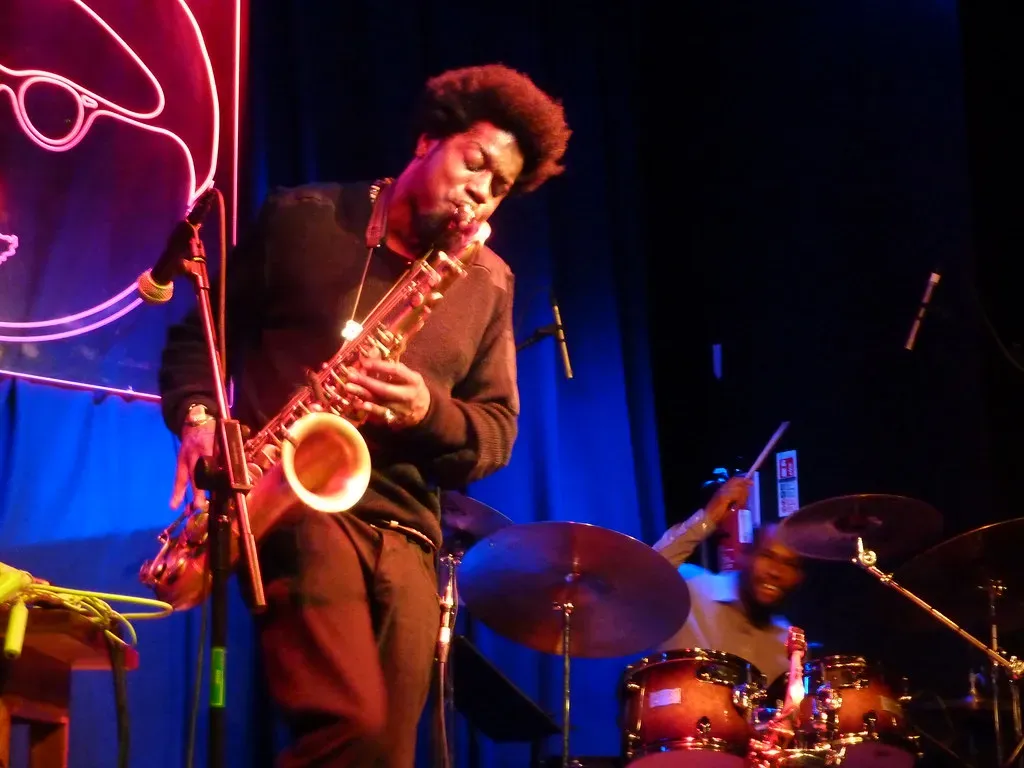
Before hip-hop and rap took hold in the United States, spoken-word poetry occasionally worked its way into jazz performances. Many history-minded rappers also connect their art to The Last Poets, a Harlem-based group, and The Watts Prophets out of Los Angeles. Both emerged in the late 1960s and paired political poetry with improvisational jazz. The line between jazz improvisation and freestyle rap is shorter than most people think. It’s practically a straight road.
Few artistic developments in half a century have altered the face of global communication, identity and expression as deeply as hip-hop, but it is not the first time in musical history that African Americans played an important role in the creation of a musical genre. It follows in the same powerful cultural influences as the African-American rooted musical genres of blues, jazz, disco, funk, soul as well as rhythm and blues. Jazz was chapter one in a very long story.
Jazz rap’s emergence can be seen as an attempt to elevate rap music’s status by associating it with jazz’s cultural capital, and this association not only enriched the musical texture of hip-hop but also provided a platform for social and political commentary, aligning with jazz’s historical role as a voice for African American experiences and struggles. The torch was passed, and hip-hop ran with it.
Jazz in the Classroom: Education, Creativity, and Collaboration
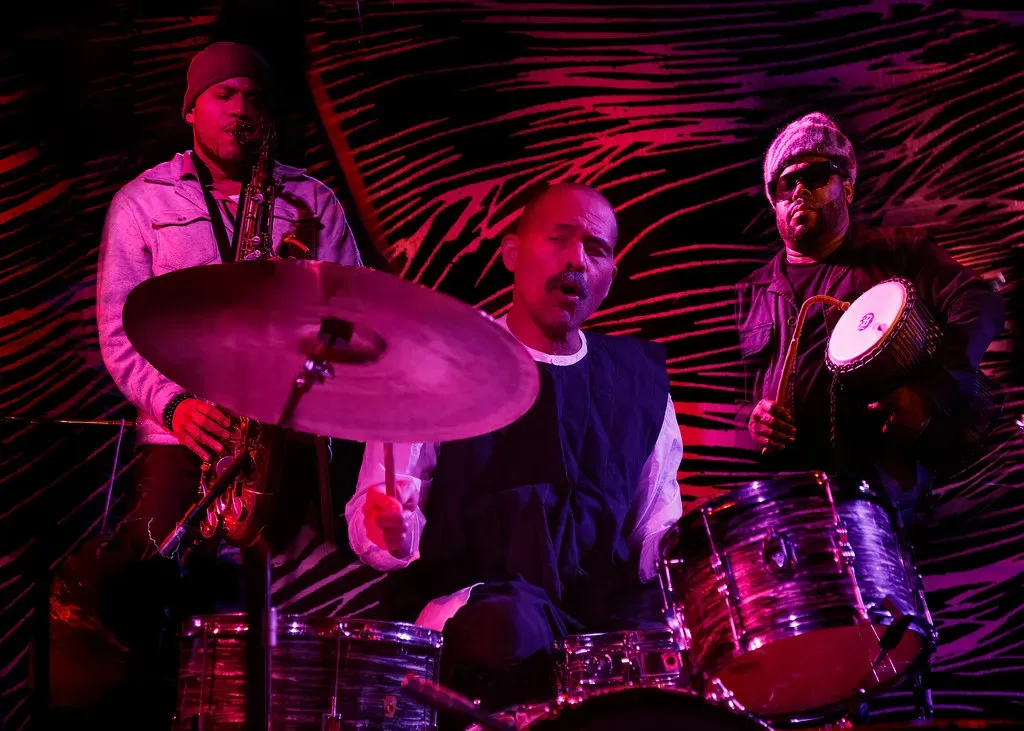
Jazz began to penetrate the music programs of high schools, colleges and universities right after World War II, and in 1968, the International Association of Jazz Education was formed. That institutional shift mattered enormously. It took jazz from the speakeasy to the lecture hall, and gave it a permanent home in American intellectual life.
The influence of jazz extends into the realm of education, where it has become an essential component of music curricula across the United States. Jazz studies programs have emerged in colleges and universities, emphasizing the importance of jazz in American music history. Students learn not only the technical skills required to perform jazz but also the cultural context that surrounds the genre. Jazz education fosters creativity, collaboration, and improvisation skills, which are invaluable in various fields beyond music.
The genre’s focus on individual expression within a collective framework promotes teamwork and adaptability, qualities that are crucial in today’s ever-evolving workforce. Think of jazz as the original model for collaborative innovation – a template that business schools now spend billions trying to teach artificially. Jazz figured it out organically, a century ago.
Jazz Today: A Niche Legacy with a Massive Footprint
Jazz and blues, despite their rich history, are among the least popular genres today. A Statista Consumer Insights survey found that these genres ranked low across 21 countries, including the U.S., where only about one in five respondents reported listening to jazz or blues. This places them 7th out of the 10 most common genres, signaling their decline in mainstream appeal, despite maintaining a passionate niche audience. The numbers are humbling but not the whole story.
Jazz not only paved the way for future developments in popular music but also remains an enduring symbol of creativity, social change, and resilience within African American culture. Even as we move further from the 1920s in time, the influence of jazz remains woven into the fabric of American culture. You hear it in hip-hop samples, in film scores, in the architecture of pop songwriting. It’s everywhere, even when nobody calls it jazz.
From its roots in New Orleans to its global impact today, jazz remains a testament to the resilience and innovation of the human spirit. Its legacy continues to shape the music landscape, inspiring new generations of musicians and listeners alike. That, honestly, is not a small thing. It’s the whole thing. A music born from suffering quietly built the soundtrack of a civilization – and then handed the baton to every genre that followed. What other art form can claim that?