Some of the biggest songs in pop history almost never made it to the radio. Before they became karaoke staples and wedding-reception anthems, these tracks sat in inboxes, got played for A&R executives who shrugged, or landed in the hands of singers who simply said no thanks. The artists who eventually recorded them weren’t always the first choice, and in several cases they weren’t even the fifth. What makes these stories interesting isn’t just the trivia of who passed. It’s how close the world came to never hearing these songs at all, and how a single yes changed the trajectory of a career.
Alone by Heart

Heart’s thunderous 1987 power ballad started life four years earlier as a modest flop. “Alone” first appeared on the 1983 album Taking a Cold Look by i-Ten, a group comprised of the song’s writers, Billy Steinberg and Tom Kelly. Songwriter Billy Steinberg later admitted he wasn’t thrilled with how the record turned out, even though the song itself had potential.
A year after that, actors John Stamos and Valerie Stevenson performed the song during the sixth episode of their one-season CBS sitcom Dreams, and that version also failed to chart. It took Steinberg and Kelly becoming hot songwriters, fresh off hits for Madonna and Cyndi Lauper, before Tom Kelly pitched the forgotten track to Heart, who were hunting for a power ballad. Heart released the song as the first single from their ninth studio album, Bad Animals, in May 1987, and it spent three weeks at No. 1 on the U.S. Billboard Hot 100 in July 1987.
Umbrella by Rihanna
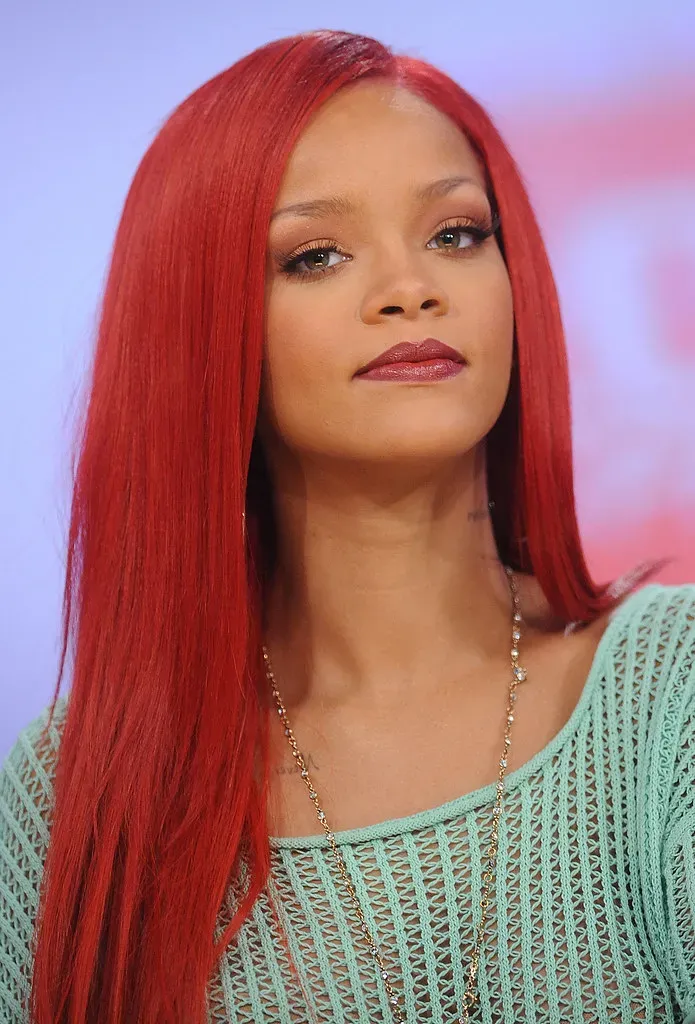
Rihanna’s signature song was written for someone else entirely. The song was originally written for recording artist Britney Spears, whose label rejected it, reportedly because her team already had enough material lined up for the album Blackout. Songwriter Tricky Stewart described the frantic scramble that followed, saying they were in “the bidding war of our lives” once Britney’s camp passed.
Mary J. Blige was next in line, but timing worked against her. Blige failed to hear the song in full due to her obligations to the Grammys at the time and “had to sign off on the record before her reps could accept it”. Meanwhile, singer Taio Cruz loved the track, but the British singer couldn’t convince his label to release it, before it finally reached L.A. Reid at Def Jam, who knew instantly it belonged to Rihanna. Released that March, the song became one of the defining pop records of the decade.
Toxic by Britney Spears
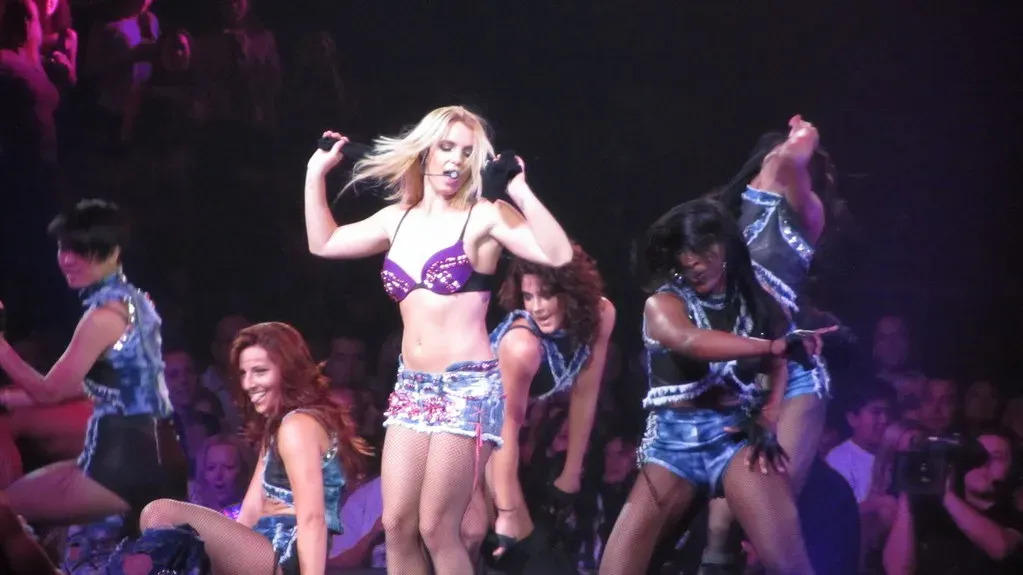
Long before it became Britney Spears’ signature dance-pop moment, “Toxic” was meant for a different pop icon. The song was originally offered to Kylie Minogue for her ninth studio album Body Language, but she rejected it. Minogue later reflected on the near miss with some grace, saying “it’s like the fish that got away. You just have to accept it.”
The song had also reportedly caught the attention of another camp before Spears got hold of it. Its writers reportedly had Janet Jackson in mind when they were working on it, but, in the end, Toxic was initially offered to Kylie Minogue. Once it landed with Spears, the song became her first US top-ten hit in years and eventually earned her a Grammy for Best Dance Recording.
Since U Been Gone by Kelly Clarkson

Max Martin and Dr. Luke didn’t write this one with an American Idol winner in mind. Martin originally wrote “Since U Been Gone” with Pink in mind, but she turned it down. It was then given to Hilary Duff, but she rejected the song because she could not reach its higher notes. Two big passes on a song that would go on to define an era of pop.
The track only found its home thanks to a bit of executive persistence. The song was finally given to Clarkson after Clive Davis convinced the writers to give it to her. Once Clarkson added rock guitars and pushed the chorus up an octave, the song became her biggest hit, later crossing one billion streams on Spotify decades after release.
Torn by Natalie Imbruglia
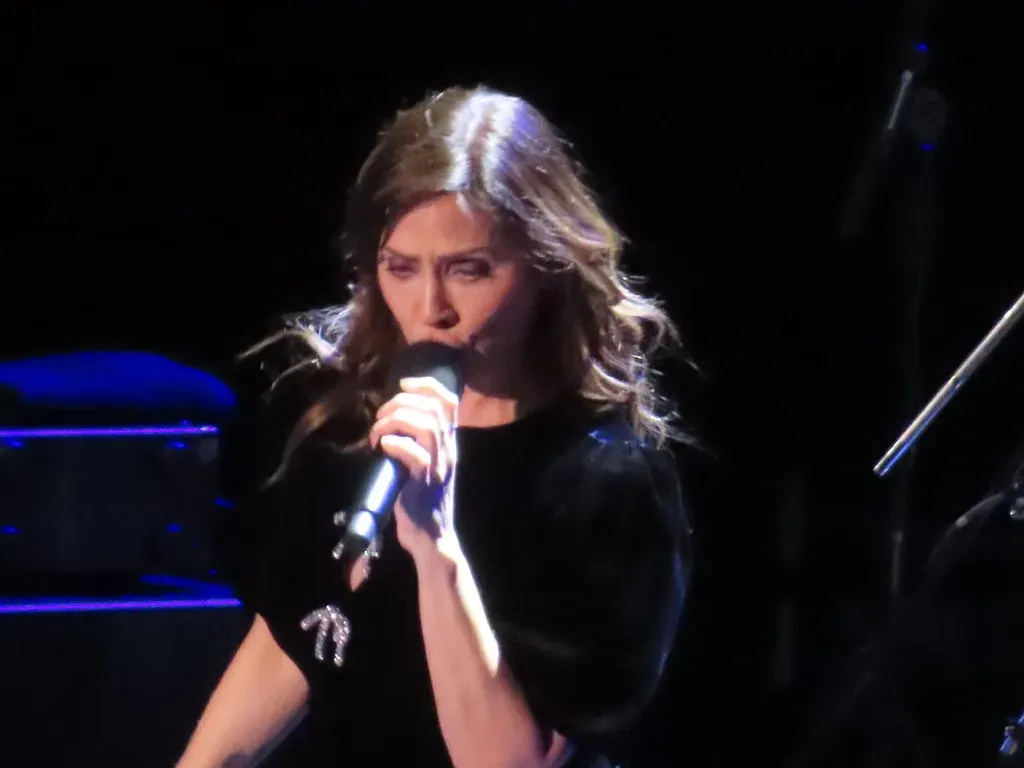
Few songs bounced around quite like “Torn” before landing its definitive version. The song was first recorded by the Danish singer Lis Sørensen as “Braendt” in 1993, then by the band Ednaswap in 1995, and again by Norwegian singer Trine Rein in 1996, none of which broke through internationally. By the time it reached American shores, the reception was even colder.
Producer Phil Thornalley recalled shopping the song around the US music industry with zero luck. Imbruglia’s version was turned down by every American label she approached, with executives simply saying “no thanks”. Once the song became a UK sensation in 1997, those same executives suddenly wanted credit for discovering it.
How Do I Live by Trisha Yearwood and LeAnn Rimes

This ballad’s path to the charts involved a movie deal gone sideways. The song was originally intended for release as a single for the 1997 film Con Air, with Diane Warren writing it for LeAnn Rimes, but the film producers felt her version had too much of a pop feeling and asked her to re-record it.
Rimes refused to change her recording, so the filmmakers moved on. The producers chose Trisha Yearwood to record the song instead, and her more country-style version appeared in the film. Rimes released her original version anyway once she heard the news, and both recordings ended up charting the same week, with Rimes’ take eventually setting a Billboard Hot 100 longevity record.
Baby One More Time by Britney Spears
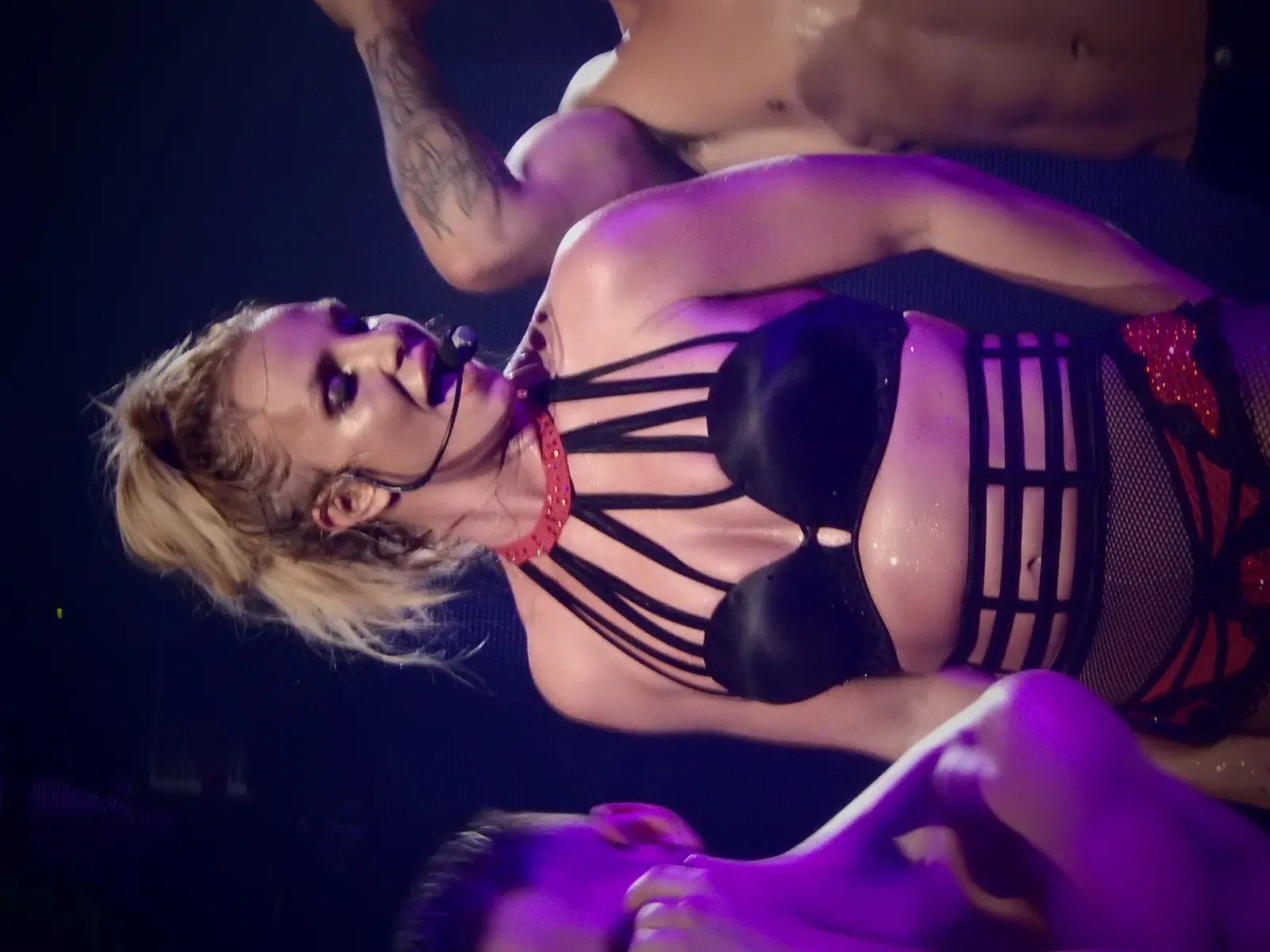
Before it became the song that launched a global pop career, this Max Martin composition made the rounds among established girl groups and solo acts. TLC reportedly turned it down, feeling the bubblegum sound clashed with their more R&B-leaning image at the time. Swedish singer Robyn was also considered but passed on the track before it ever reached Britney Spears’ team.
When Jive Records finally handed the demo to a then-unknown teenage Spears, the fit was immediate. The song’s blunt, catchy hook and unmistakable production turned it into one of the best-selling singles of the era and set the template for late-90s teen pop. It remains one of the clearest examples of a song finding its true home only after several detours.
Save the Best for Last by Vanessa Williams
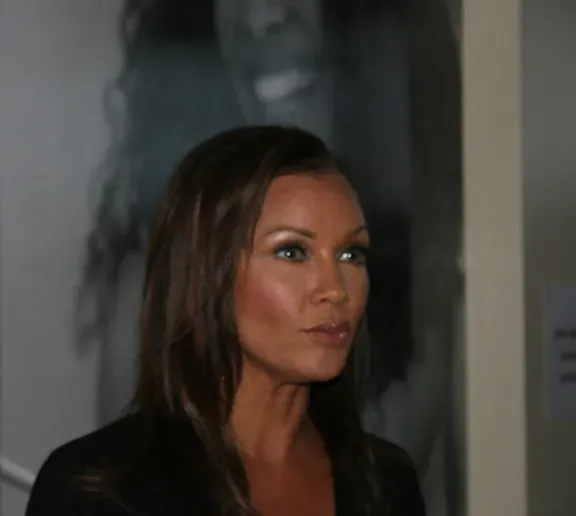
Written by Phil Galdston, Jon Lind, and Wendy Waldman, this ballad spent time in the hands of a few other vocalists before Vanessa Williams ever heard it. The song had reportedly been passed over by other singers who didn’t connect with its slow-building structure, which relies on patience rather than an immediate hook.
Williams recorded it for her 1992 album The Comfort Zone, and the timing turned out to be perfect. The song became her signature single, topping the Billboard Hot 100 and cementing her transition from beauty pageant controversy to genuine recording artist. It stands as one of the clearer cases of a song simply waiting for the right voice to catch up to it.
Alive by Sia

Sia wrote this soaring anthem with producer Jesse Shatkin specifically for Adele’s album 25, hoping it might land alongside tracks like “Hello.” Adele’s camp ultimately passed on the song, deciding it didn’t fit the direction of that record.
Rather than shelve it, Sia kept the song for herself and released it as the lead single from her 2016 album This Is Acting, an album she openly described as built from songs written for and turned down by other major pop stars. “Alive” went on to become one of her most successful solo singles, proving that sometimes the writer is the best interpreter of their own work all along.
Taken together, these nine stories share a common thread. A song’s fate rarely rests on the strength of the writing alone. Timing, image, and a bit of luck decide who ends up singing the words that millions later can’t stop humming.