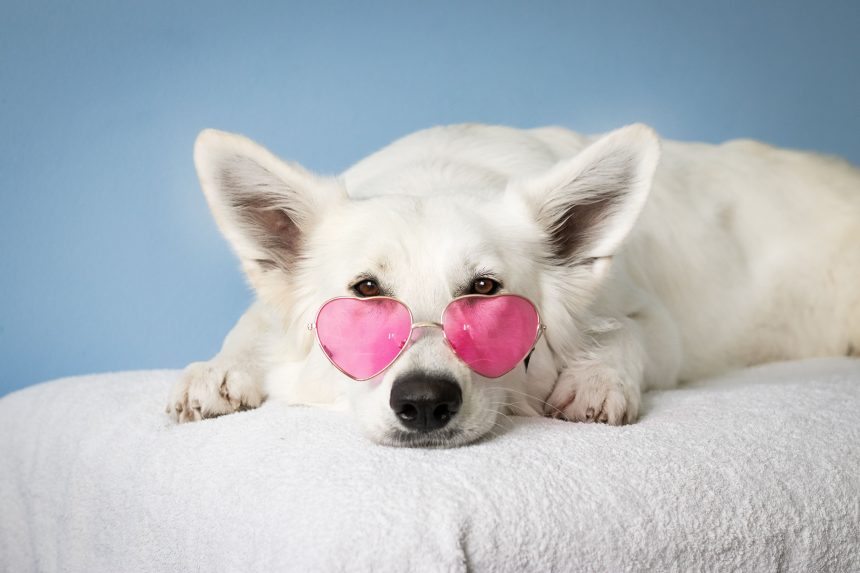
You’re sitting on the couch, minding your own business, when you feel it: that unmistakable sensation of being watched. You glance over and there’s your dog, eyes locked on yours, not blinking, just staring. It’s a moment nearly every dog owner recognizes, and it turns out this quiet behavior carries far more meaning than most people realize.
Animal behaviorists have spent years studying why dogs fix their gaze on their humans, and the answers range from pure affection to urgent warning signs. The truth is that a dog’s stare isn’t one single message. It’s a whole vocabulary, and learning to read it can tell you a lot about what’s actually going on inside your dog’s head.
The Science Behind the Stare: A Bonding Hormone at Work
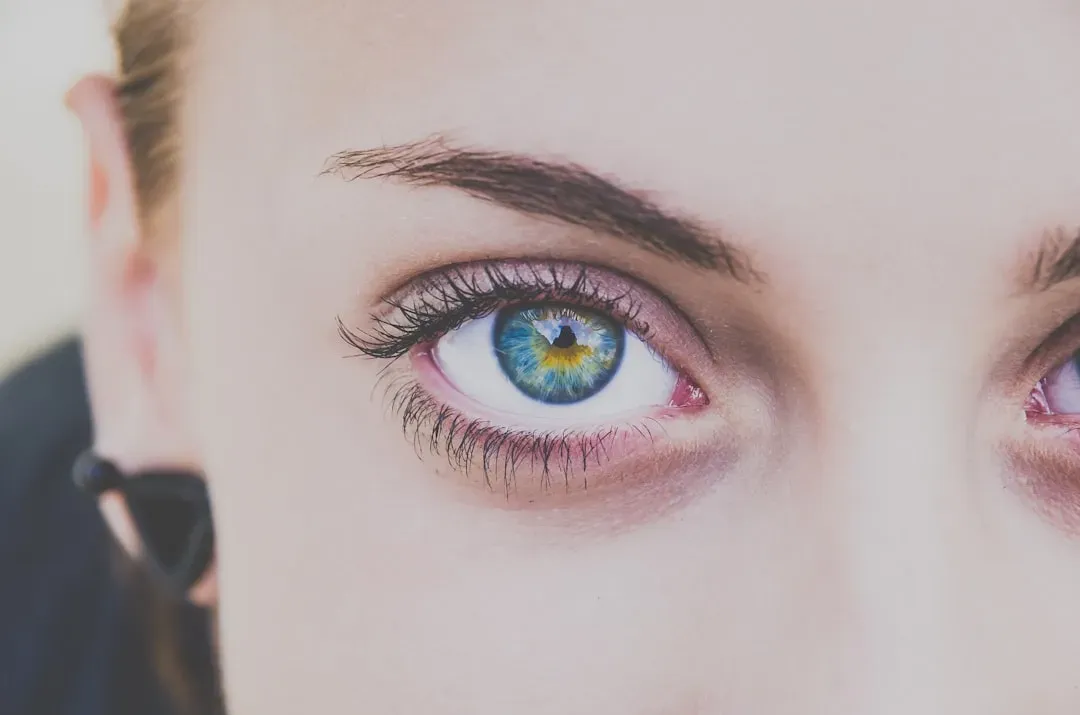
One of the most fascinating discoveries in canine behavior research came from a study published in the journal Science, led by animal behaviorist Takeumi Kikusui of Azabu University in Japan. Kikusui and his team found evidence suggesting dogs used their lovable stare to win over the hearts of humans thousands of years ago. The researchers discovered that when interacting and exchanging gazes, both dogs and their owners experienced rushes of oxytocin in their brains, the same hormone associated with parent-infant bonding in humans.
In the experiment, researchers looked at oxytocin levels in the urine of 30 human-dog pairs before and after spending a half-hour together, finding that oxytocin levels increased among both dog and owner when the gaze was held for at least five minutes or for longer. What makes this even more compelling is the comparison group. A control group of wolf-owner pairs turned up no changes in hormone production, despite the wolves being raised by the person staring into their eyes. That distinction suggests this affiliative gaze developed specifically through the long process of dog domestication, not simply through raising an animal in a human household.
Why This Gaze Likely Evolved Between Dogs and Humans
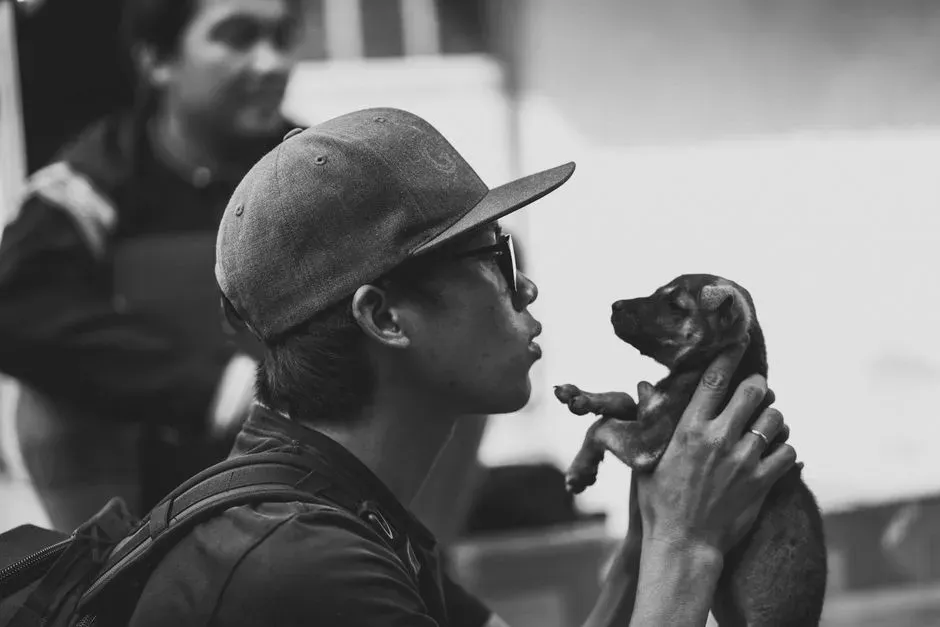
It’s worth understanding just how unusual this behavior is in the animal kingdom. As Kikusui explained regarding the biology involved, “Eye gaze from human to animals is usually threatening, not affiliative. We speculated that some small population of ancestor of dogs show an affiliative eye gaze toward humans, due to the change in the temperament.” In other words, dogs essentially rewired an ancient survival instinct into a tool for connection.
Follow-up research has added nuance to this original finding rather than overturning it. Later studies noted that the hormone’s effects depend on sex, breed, prior experience, relationship and social context, meaning not every dog experiences this bonding loop identically. Some researchers have also pushed back on interpreting every oxytocin spike as pure affection, pointing out that it is common place in oxytocin research to assume positive valence without controlling for negative valence and arousal. Still, the core finding, that mutual gaze changes brain chemistry in both species, has held up as one of the more remarkable discoveries in human-animal bonding research.
The Soft, Loving Look: What Affection Actually Looks Like
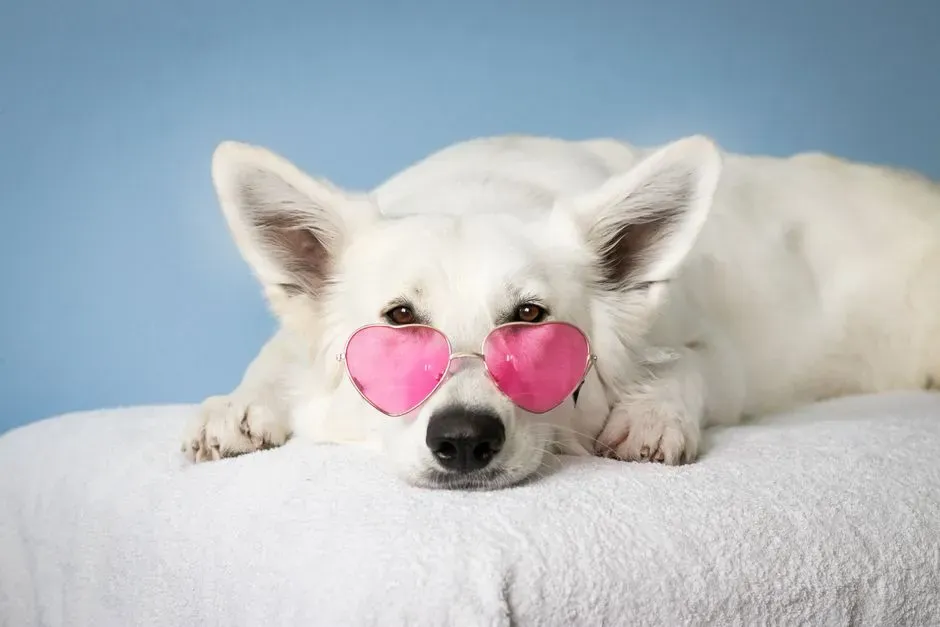
Not every stare is created equal, and behaviorists say the difference often comes down to the softness of the face. According to veterinary guidance on the subject, a dog might simply be looking at you with love, since dogs gaze at owners with the doggy equivalent of heart eyes, often with eyes that seem slightly squinted, which along with a relaxed posture is a sign that they’re giving you a look of love. This kind of gaze tends to come with a loose, wiggly body rather than any tension.
Clinical professor Philip Tedeschi, founder of the Institute for Human-Animal Connection at the University of Denver, draws an important distinction between this loving look and a more tense stare. He describes a gaze as “a deeper, patient attempt to reach out, a penetrating look that conveys equal parts affection, earnest commitment to knowing, and an invitation all in one.” When your dog looks at you this way, with soft eyes and relaxed ears, it’s generally a sign of genuine connection rather than a request or a warning.
The Attention-Seeking Stare: “Notice Me, Please”
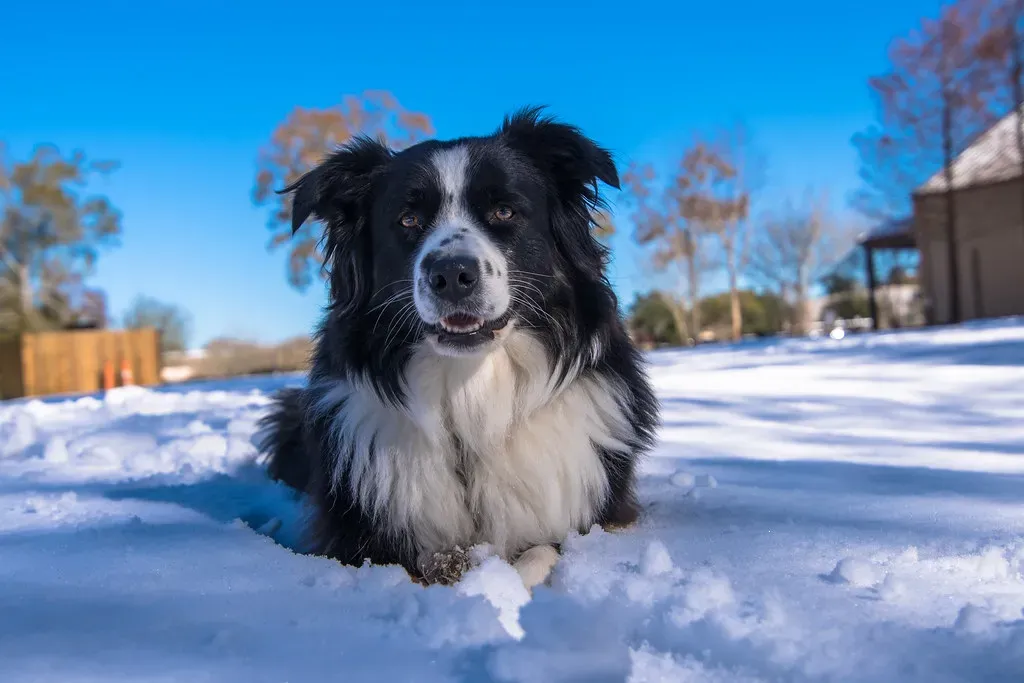
Sometimes the stare has nothing to do with grand emotional bonding and everything to do with a much simpler goal: getting you to look up from your phone. Behaviorists note that this is one way a dog can ask for attention without being physically demanding, like jumping on you. If you find yourself unable to resist glancing back, you’re not imagining things. That’s exactly the response your dog is hoping for.
This attention-seeking behavior often escalates gradually. It might start with a simple look, and if that’s ignored, your dog may add a whine, a paw on your leg, or a nudge. Veterinary behaviorist Leslie Sinn has noted that a dog staring at you when it’s close to dinnertime or time for their evening walk, while you’re still sitting on the couch, is a very common reason dogs stare at their owner, since they’ve simply learned that watching you closely tends to pay off eventually.
The “I Want Something” Stare: Food, Walks, and Requests
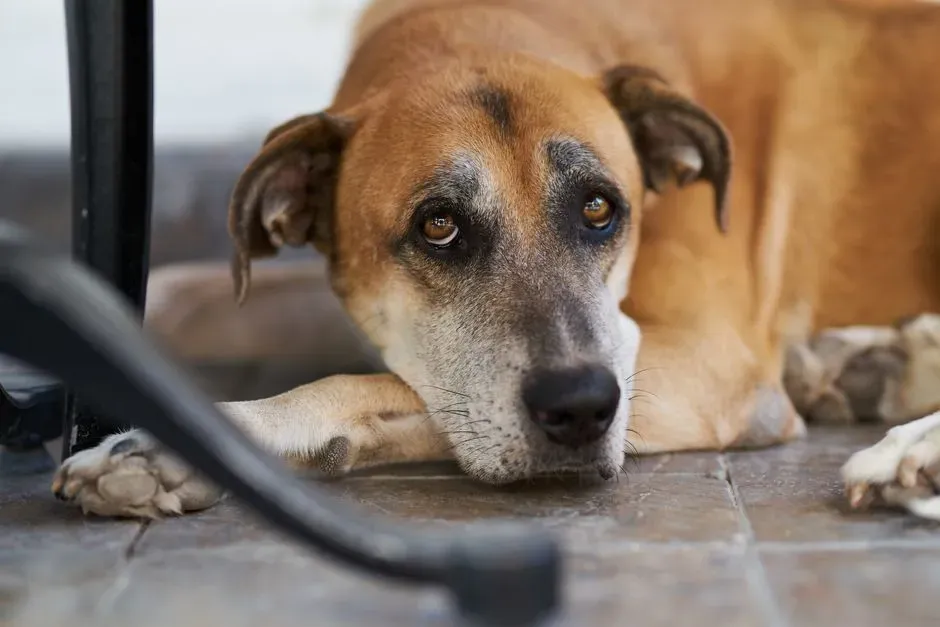
Closely related to attention-seeking is a more targeted version of the stare, one aimed at getting something specific rather than just eye contact. Trainers and behaviorists commonly describe this as one of the most common reasons that dogs stare, wanting something specific such as going potty, being fed dinner, or playing fetch, or hoping for a morsel of whatever the owner is eating. Dogs are remarkably good at pattern recognition, and they quickly learn which behaviors on their part reliably lead to a response from you.
Partner offer
This is also where owners unintentionally train the behavior they later complain about. As one behavior resource explains, dogs often stare during dinnertime because around dinner time, many dogs may try to catch your eye to remind you to feed them. If you give in to that gaze often enough, whether with treats or attention, you’re reinforcing the stare as an effective communication tool, and your dog will keep using it.
Looking for Direction: The Training Connection
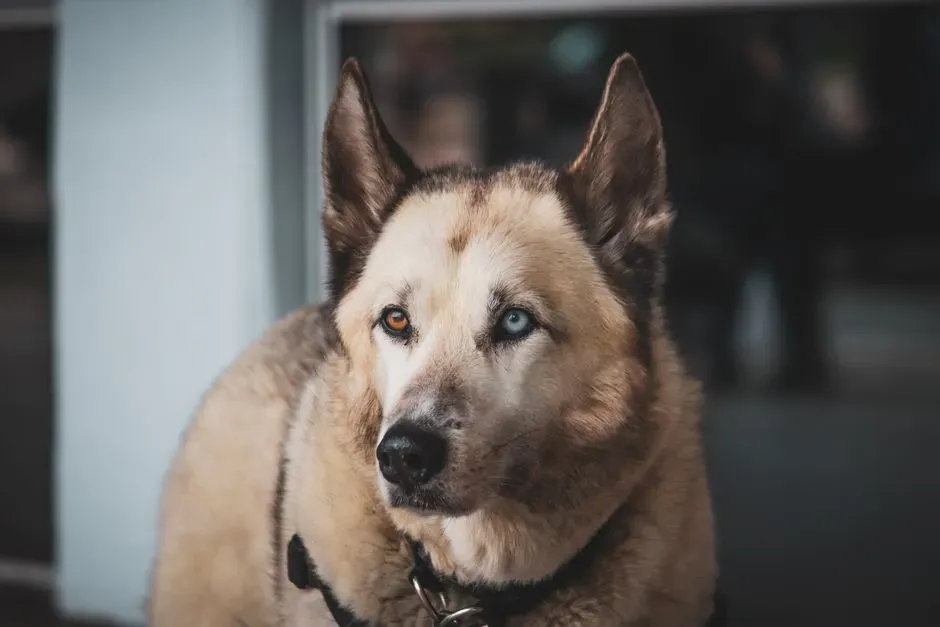
Dogs are constantly scanning us for information, and a well-trained dog often uses eye contact as a built-in checkpoint. According to the American Kennel Club, dogs are more in tune with humans than almost any other animal on Earth, sensing our moods, following our pointing gestures, and reading us for information about what’s going to happen next, which means they stare at us a lot to gain knowledge about their environment. This is particularly noticeable in dogs who’ve gone through positive reinforcement training.
In these cases, staring becomes less about longing and more about active problem-solving. Trainers point out that dogs will keep an eye out for opportunities to earn a reward, particularly dogs trained with positive reinforcement methods, since these dogs learn to love training and wait eagerly for signs it’s time to play the training game. If your dog stares at you right before a training session or when you pick up a leash, that’s this same instinct in action.
The Hard Stare: When Eye Contact Turns Into a Warning
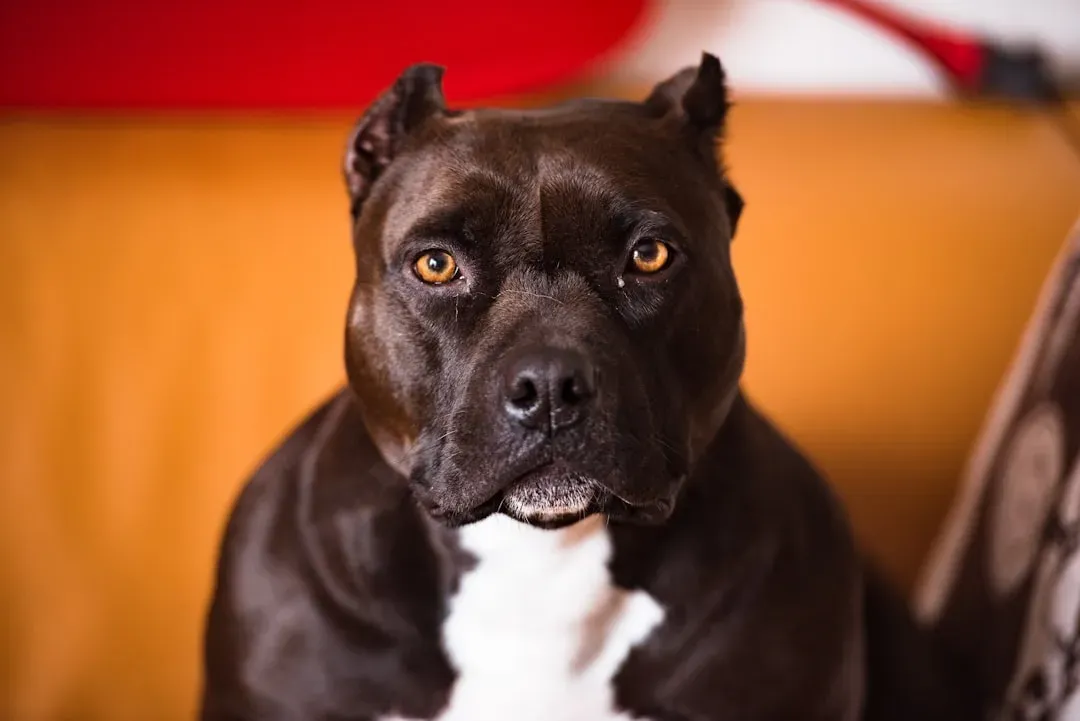
Not every stare is friendly, and this is the version behaviorists most want owners to recognize quickly. A hard stare typically comes paired with unmistakable body language. As one veterinary resource puts it, in dogs’ wolf ancestors, staring is considered threatening and rude, which is why you should never stare down strange dogs, and if a dog gives you a hard stare with unblinking eyes and a stiff posture, you should back away and avoid making eye contact. This type of stare is a dog’s way of asking for space, not affection.
Resource guarding is a particularly common trigger for this behavior. Experts note that you might see this hard stare in your own dog when there is a bone or other valued treat at stake, since resource guarding is often accompanied by a hard stare and other aggressive body language, and if you see it in your dog, you should consult a professional trainer or behaviorist. The key warning signs to watch for include a stiff tail, a closed mouth, and a body that seems frozen rather than relaxed.
Vulnerable Moments: Why Dogs Stare While Using the Bathroom
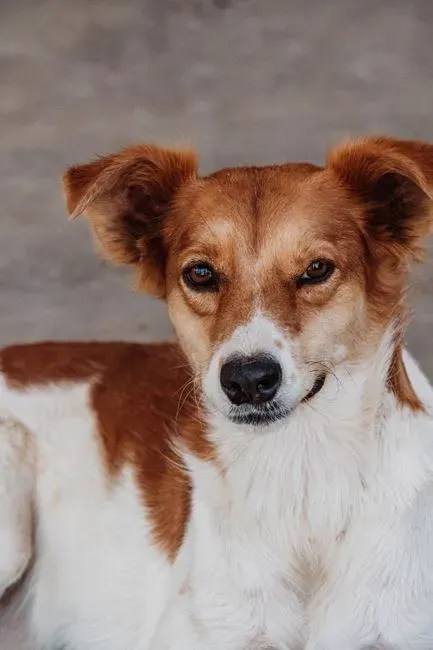
If you’ve ever noticed your dog locking eyes with you while relieving themselves outside, you’re far from alone, and behaviorists have a fairly touching explanation for it. According to chief behaviorist Qiai Chong, this happens because it’s all about trust and protection, since when dogs are “doing their business,” they feel vulnerable, and making eye contact with their owner during this time is their way of ensuring they’re safe and that you’ve got their back, literally. They’re instinctively looking to the person they trust most to keep watch while they’re distracted.
This behavior underscores just how much dogs rely on their humans for a sense of security in everyday moments most owners barely think about. It’s less a request for something and more a quiet check-in, a way of confirming that the environment remains safe. Owners who notice this stare and respond calmly, without fuss or sudden movement, are essentially reinforcing that trust each time it happens.
Breed Tendencies and When Staring Signals a Bigger Problem
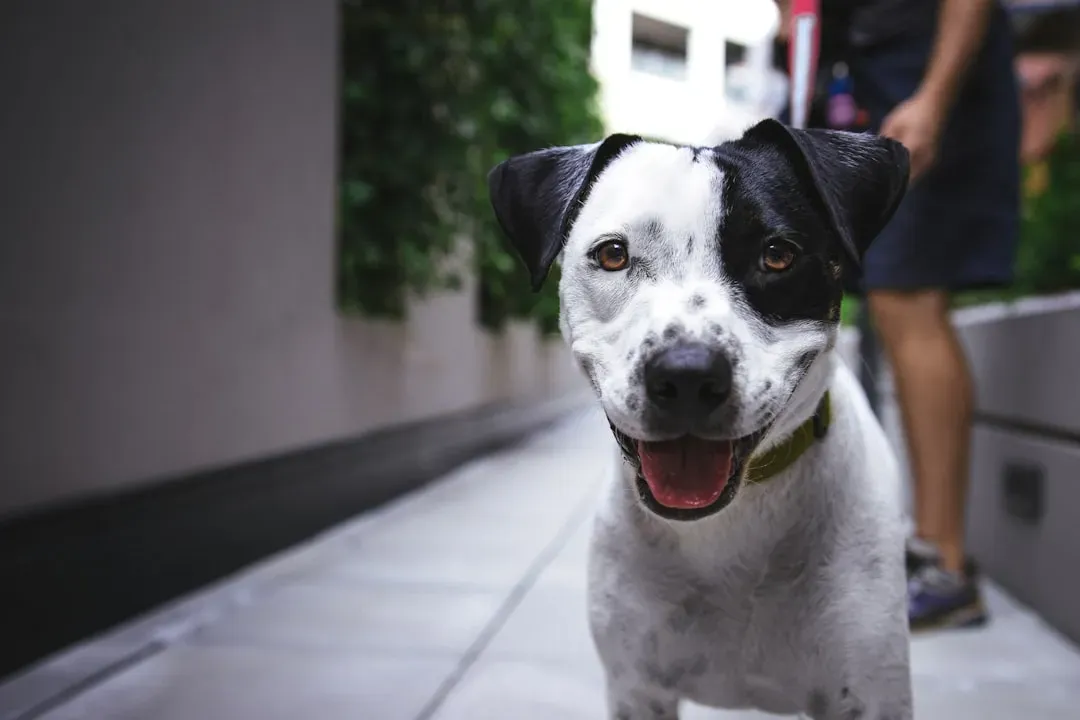
Not all dogs stare with equal intensity, and genetics plays a real role here. Herding breeds are a well-known example, since some dogs, like Border Collies and other herding breeds, are natural starers, with the infamous “collie stare” being a skill bred into them for herding sheep, though it’s not always appreciated in daily family life. If you own one of these breeds, an intense, unwavering stare may simply be part of their working heritage rather than a specific emotional message.
On the flip side, prolonged or unusual staring can occasionally point to something medical rather than behavioral, especially in older dogs. One resource notes that long periods of staring, especially if a dog seems to be staring off into space or gazing blankly at a random spot, could be a sign of Canine Cognitive Dysfunction, or CCD. Separation anxiety can also drive frequent, anxious staring, since some dogs with separation anxiety will constantly stare at their pet parents because they’re worried their owner will sneak out and leave them home alone. If staring seems obsessive, disconnected from any obvious trigger, or paired with other worrying symptoms, it’s worth mentioning to a vet or certified behaviorist rather than assuming it’s just a quirky habit.
A dog’s stare turns out to be one of the richest, most layered forms of communication in the entire human-canine relationship. It can be a request for dinner, a plea for a walk, a nervous check-in during a vulnerable moment, or genuine, oxytocin-fueled affection built over thousands of years of shared history. Learning to read the difference, by paying attention to posture, facial tension, and context, gives you a real window into what your dog is thinking and feeling. The next time those eyes meet yours, take a second look. There’s likely more being said than a single glance lets on.
Partner offer
Planning a trip to Vegas?
Compare hotel rates and show tickets on VEGAS.com.