
Some books don’t reveal what they’re doing until the last chapters. Then you realize the person who guided you through the story was steering you the whole time.
A second read changes these novels. Small details that seemed harmless start to look like clues, and the narrator’s confidence begins to sound a little different. These nine are well known for rewarding that return trip.
The Remains of the Day by Kazuo Ishiguro

Published in 1989, this novel follows Stevens, an English butler who looks back on his years of service at Darlington Hall. It won the Booker Prize that year. Stevens speaks in a measured, formal voice that seems calm and trustworthy.
Over time, his account shows how much he avoids. He explains away his employer’s political sympathies and his own feelings for the housekeeper, Miss Kenton. On a second reading, the silences around those subjects become the real story.
The Great Gatsby by F. Scott Fitzgerald
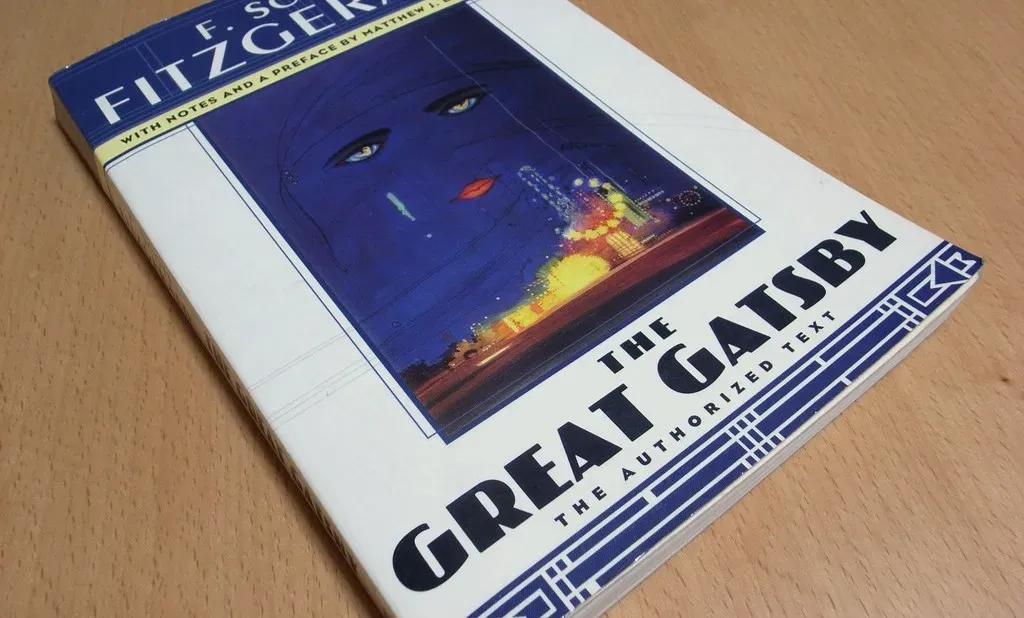
Nick Carraway opens the 1925 novel by saying he is inclined to reserve judgment. He then spends the book judging nearly everyone, and he plainly admires Gatsby despite his stated doubts. His loyalties shape what he chooses to show us.
Nick is also selective about his own role. He helps arrange the reunion between Gatsby and Daisy, and he tells us little about his own romantic entanglements. Rereading him as a participant rather than a bystander gives the book a sharper edge.
Gone Girl by Gillian Flynn

Flynn’s 2012 thriller alternates between Nick Dunne’s present day account and Amy Dunne’s diary entries. Both voices ask for our trust, and both have reasons to bend the truth. The structure invites readers to pick a side early.
The midpoint shift is famous, so many readers know the twist before they open the book. Even so, a second pass shows how carefully Flynn placed hints in the early chapters. Knowing the answer turns the diary into a very different kind of document.
The Murder of Roger Ackroyd by Agatha Christie

Christie published this Hercule Poirot mystery in 1926, and it caused real argument among mystery fans over whether the ending played fair. The story is narrated by Dr. James Sheppard, a country physician who assists Poirot with the investigation. He seems an ordinary and helpful companion.
The trick rests on what the narrator reports and what he leaves out. Reread it and you can see how Christie words his statements so that they remain technically accurate. It’s a good study in how careful phrasing can mislead without lying outright.
Partner offer
Lolita by Vladimir Nabokov

Humbert Humbert narrates this 1955 novel in elegant, persuasive prose. He presents himself as a man overcome by passion, and he invites sympathy with every clever turn of phrase. That charm is exactly the problem the book wants readers to notice.
Beneath the style, the facts of what he does to a child are plain. Many readers find that a second reading lets them see through his rhetoric and hear what he tries to bury. It’s an uncomfortable book, and it’s meant to be.
Atonement by Ian McEwan

McEwan’s 2001 novel begins in 1935 with young Briony Tallis, whose misunderstanding of what she witnesses has lasting consequences. The shifting perspectives lend the story an air of objectivity. It reads like a straightforward historical drama for much of its length.
The final section reframes who has been shaping the story and why. Once you know that, earlier scenes read as acts of invention and confession. A second read makes the book feel less like a plot and more like a long, painful apology.
Fight Club by Chuck Palahniuk

Palahniuk’s 1996 debut is told by an unnamed narrator suffering from insomnia and alienation. His account moves quickly, with a dry sense of humor that makes him easy company. The reader follows along as he meets Tyler Durden and the story grows darker.
The narrator’s gaps in awareness are the central device. On a return visit, conversations and scenes read differently once you understand what he can’t or won’t admit. The sharp, clipped prose hides more than it appears to.
Rebecca by Daphne du Maurier

Du Maurier’s 1938 novel is narrated by a young woman who never gives her own first name. She tells us about her marriage to Maxim de Winter and her life at Manderley. Her insecurity colors everything, especially her picture of Rebecca, the first Mrs. de Winter.
She repeatedly accepts other people’s versions of events and fills in blanks with her own fears. As a result, what she believes about Rebecca and about her husband is only partly dependable. Reading again, you notice how much of the dread comes from her imagination rather than from evidence.
Pale Fire by Vladimir Nabokov

Published in 1962, this novel presents a 999 line poem by John Shade, along with a foreword and commentary by his neighbor Charles Kinbote. The commentary is supposed to explain the poem. Instead it increasingly tells Kinbote’s own story about a lost kingdom called Zembla.
Kinbote’s claims are hard to verify, and his reading of the poem seems driven by obsession. Readers often return to the book to sort out what the poem actually says from what Kinbote insists it means. The puzzle is part of the pleasure, and each pass tends to uncover something new.
Partner offer
Planning a trip to Vegas?
Compare hotel rates and show tickets on VEGAS.com.