Watch enough small films and you start to notice something odd. A few of them, made for a fraction of what a studio spends on catering, look as if they cost ten times more. The gap between money spent and image on screen isn’t always as wide as people assume.
It usually comes down to a handful of choices made early, long before anyone yells action. Here are nine of the most common reasons a modest production can look expensive.
Careful Pre-Production Planning
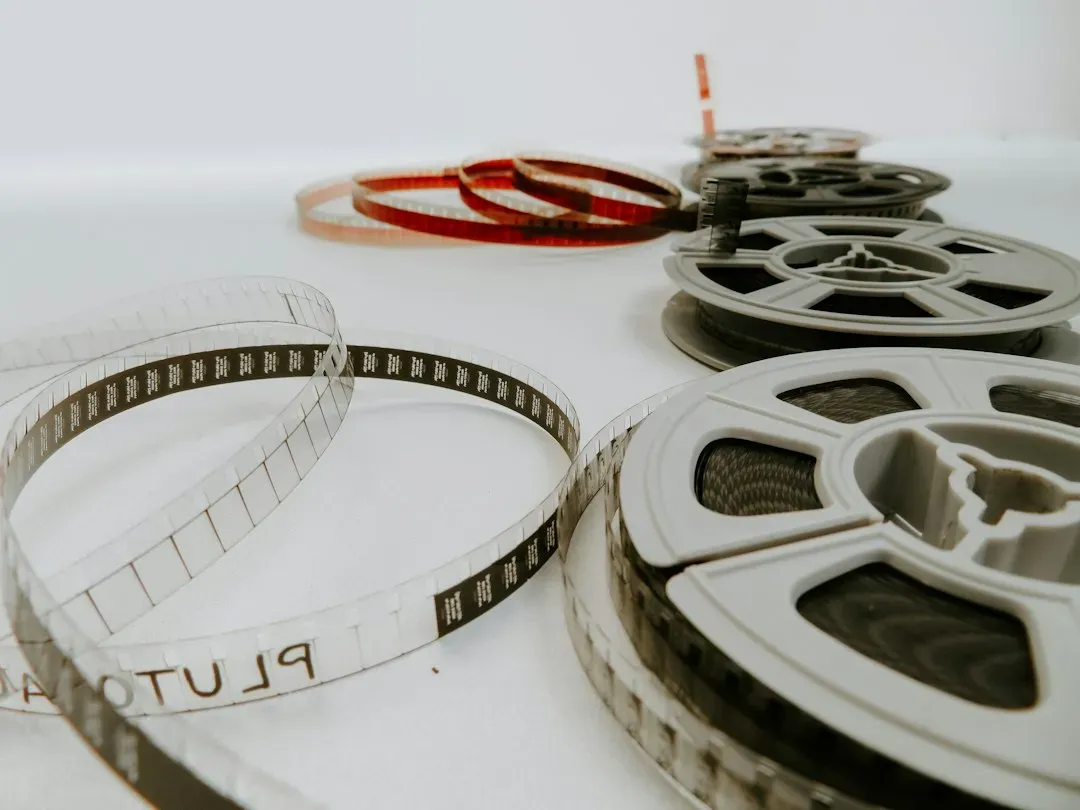
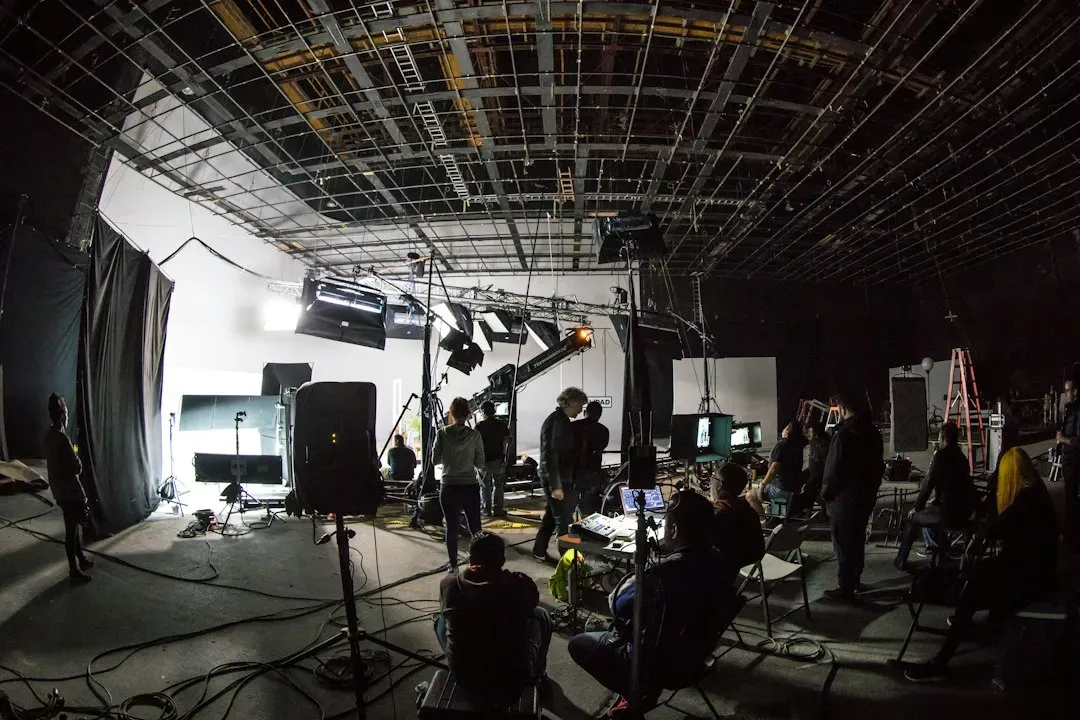
Most of the polish is decided on paper. Detailed shot lists, storyboards, and schedules mean the crew knows what they need before the camera rolls. Time is the most expensive thing on a set, so wasting less of it matters.
Planning also exposes problems cheaply. A scene that won’t work with the available locations or actors can be rewritten in a meeting rather than fixed during a costly reshoot. Many small productions that look sharp simply arrived on set better prepared.
Strong Cinematography Choices
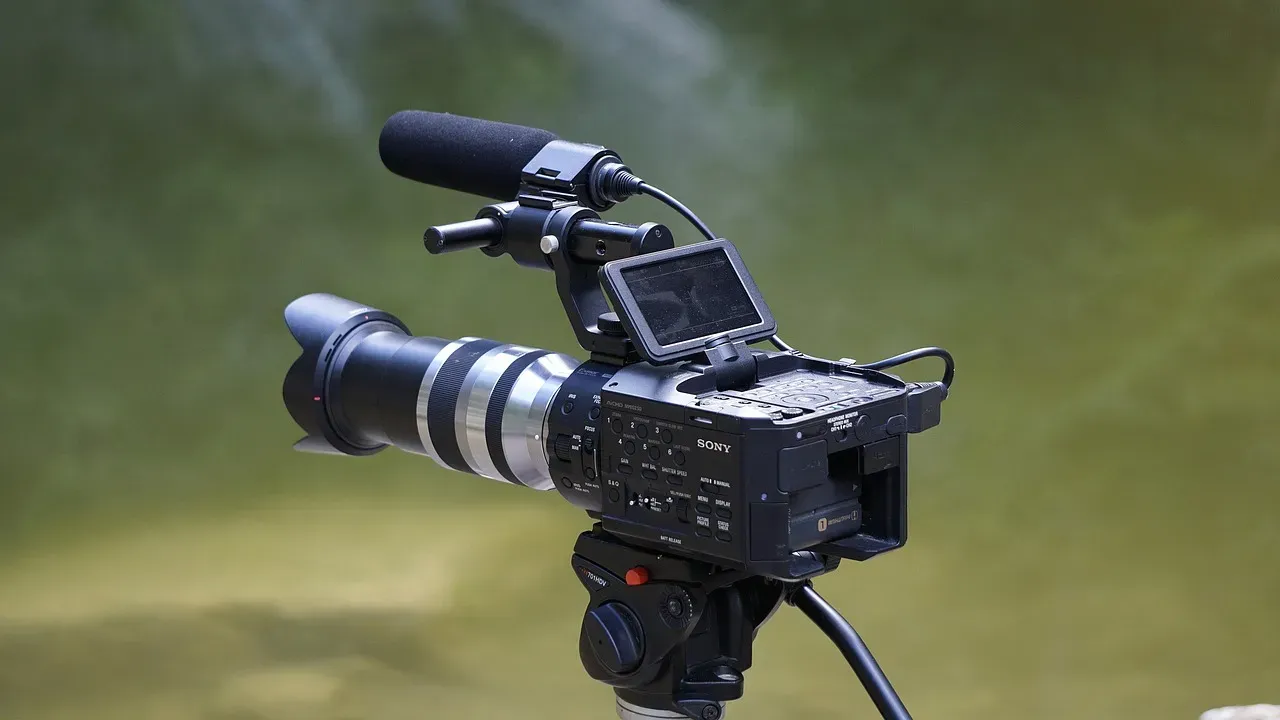
A skilled cinematographer can make modest gear look deliberate. Consistent framing, thoughtful composition, and controlled depth of field give images a sense of intent. Audiences read that intent as quality, even if they couldn’t explain why.
Camera cost matters less than it once did. Digital cinema cameras have become far more affordable over the past decade, so the difference often lies in how the shots are designed. A well placed, simple frame beats a chaotic expensive one.
Smart Use of Natural and Practical Lighting
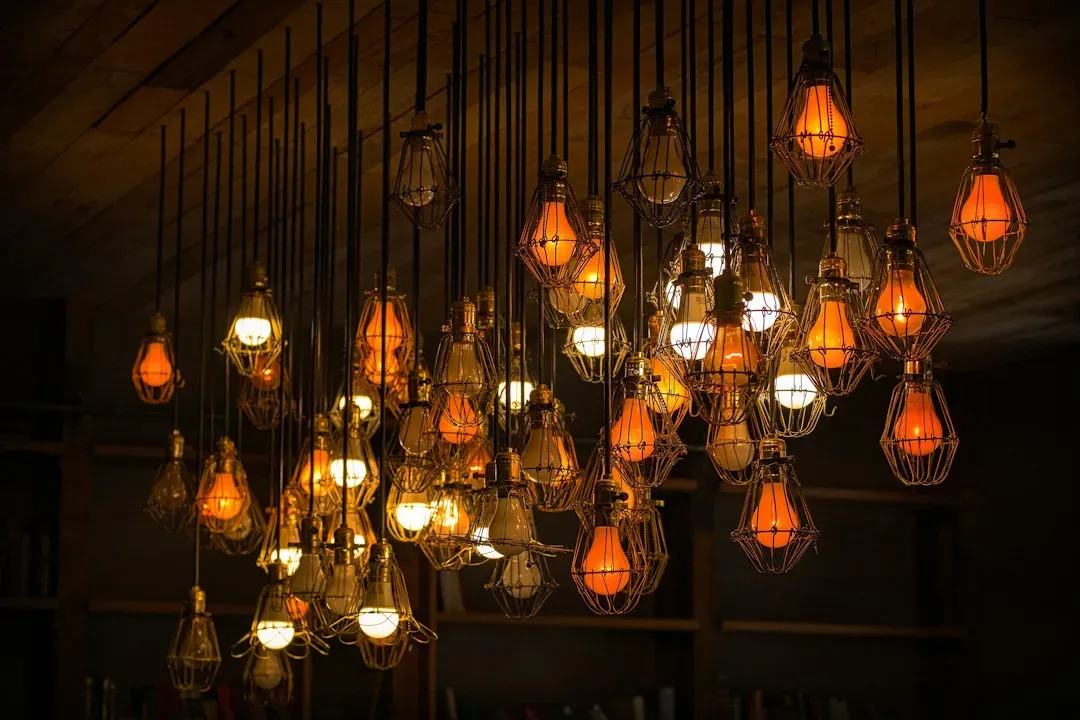
Lighting does more for a picture than almost any other element. Low-budget crews often shoot near windows, plan around sunrise or the golden hour, and use practical lamps visible in the scene. These sources look believable because they are real.
Inexpensive tools help too. Bounce boards, diffusion fabric, and small LED panels let a team shape light without a truck full of equipment. The result is soft, directional light that flatters faces and rooms alike.
Limited, Well Chosen Locations
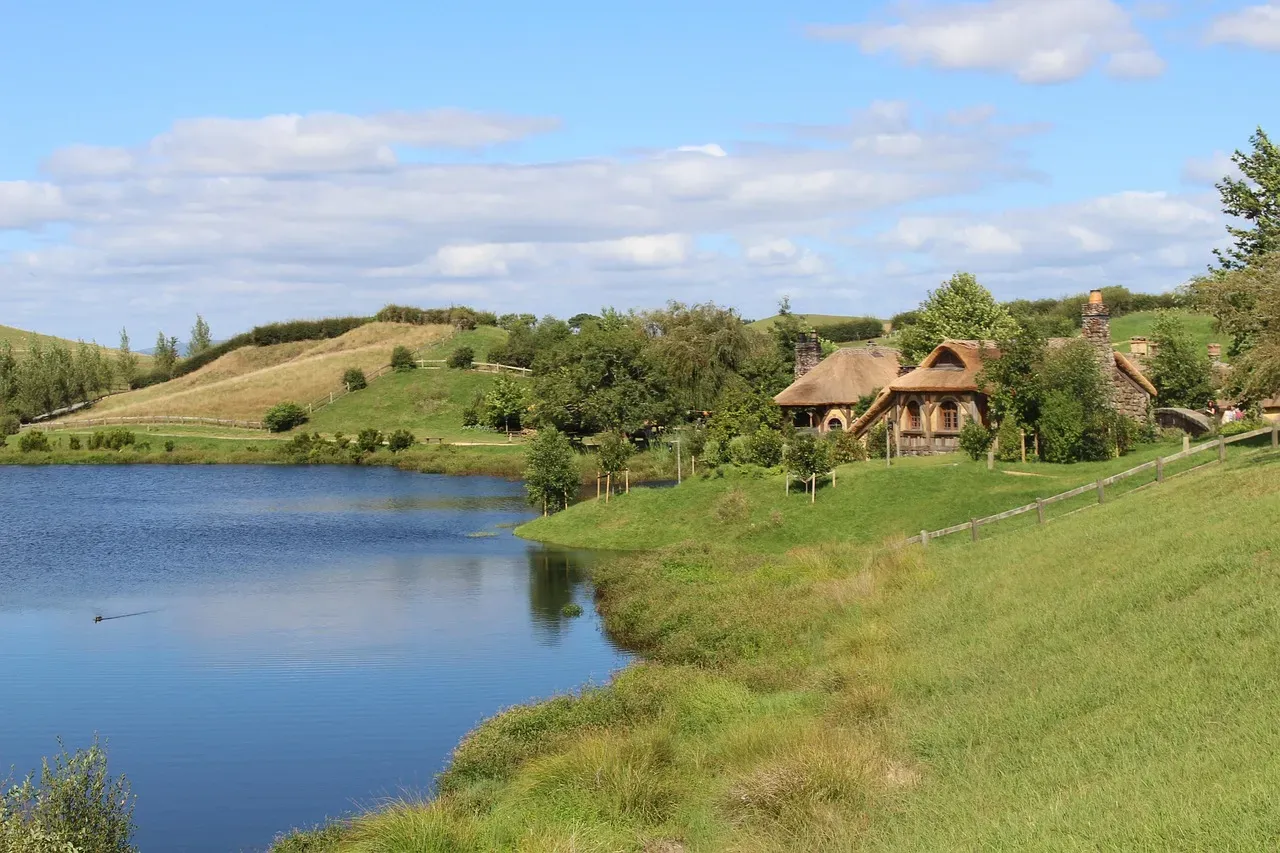
Fewer locations mean fewer company moves, and company moves eat hours. Films that stay in one house, one diner, or one stretch of road can spend their effort making that space look rich. Familiar settings also let the crew learn how light moves through them.
The location itself can supply production value for free. An old theater, a striking landscape, or an interesting building adds texture no set builder could afford to match. Smart filmmakers scout for places that already look the part.
Disciplined Production Design and Color
A restrained palette makes a frame feel designed. When costumes, walls, and props sit within a few related colors, the image looks cohesive and intentional. Clutter and mismatched tones are what often make cheap productions look cheap.
Designers on small films tend to dress only what the camera sees. They borrow, thrift, and repurpose, then focus attention on a few memorable props. A handful of well chosen details can sell an entire world.
Thoughtful Color Grading
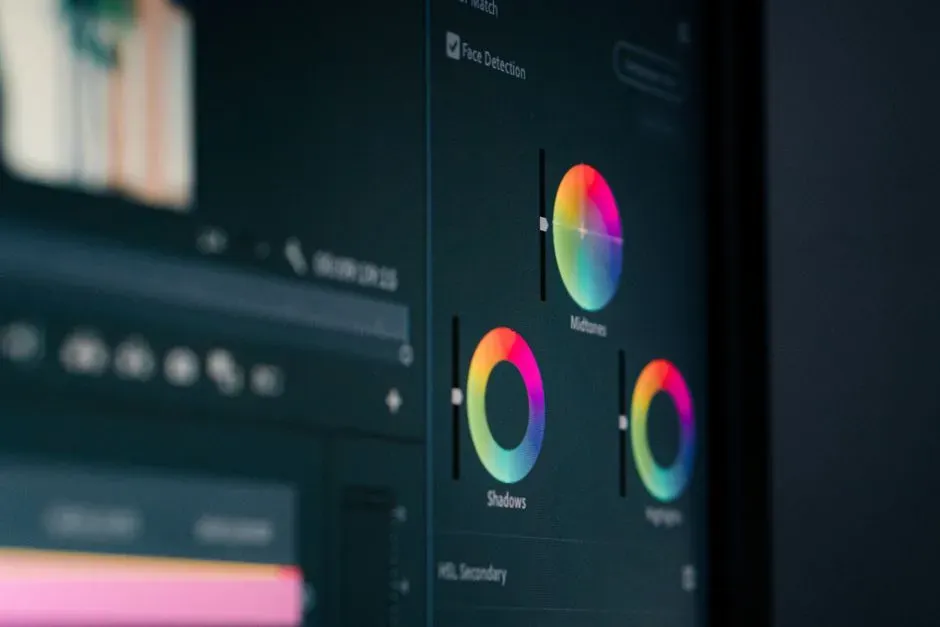
Post-production color work ties footage together. Grading evens out differences between shots, fixes exposure problems, and sets a mood that carries through the film. Affordable software, including the free version of DaVinci Resolve, has put professional grading tools within reach of tiny teams.
A consistent look suggests a single vision. Even footage shot on different days or different cameras can feel unified once a colorist handles it carefully. That consistency is a big part of what viewers call a polished look.
Clean Sound Design
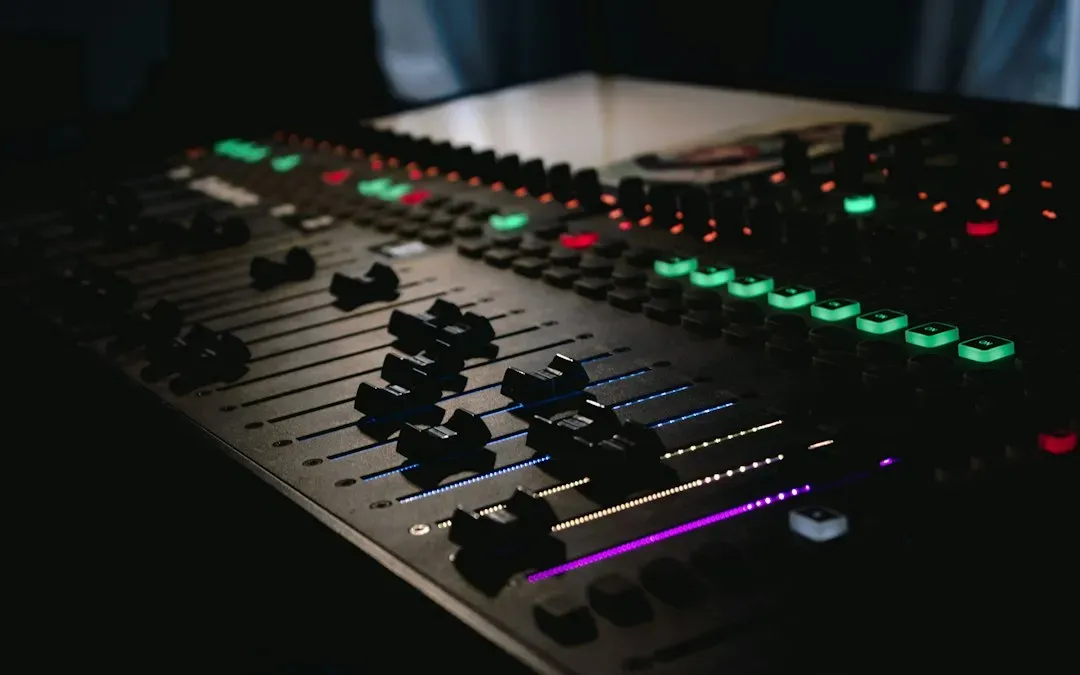
Audiences forgive a soft image faster than muddy dialogue. Productions that record clean sound on set, using a boom operator and proper microphones, avoid much of the trouble later. Good audio quietly signals professionalism.
Careful mixing and a simple, effective score finish the job. Ambient sound, subtle effects, and music placed with restraint make a modest film feel full. Poor sound is one of the quickest ways a small movie gives away its budget.
Experienced Editing and Pacing
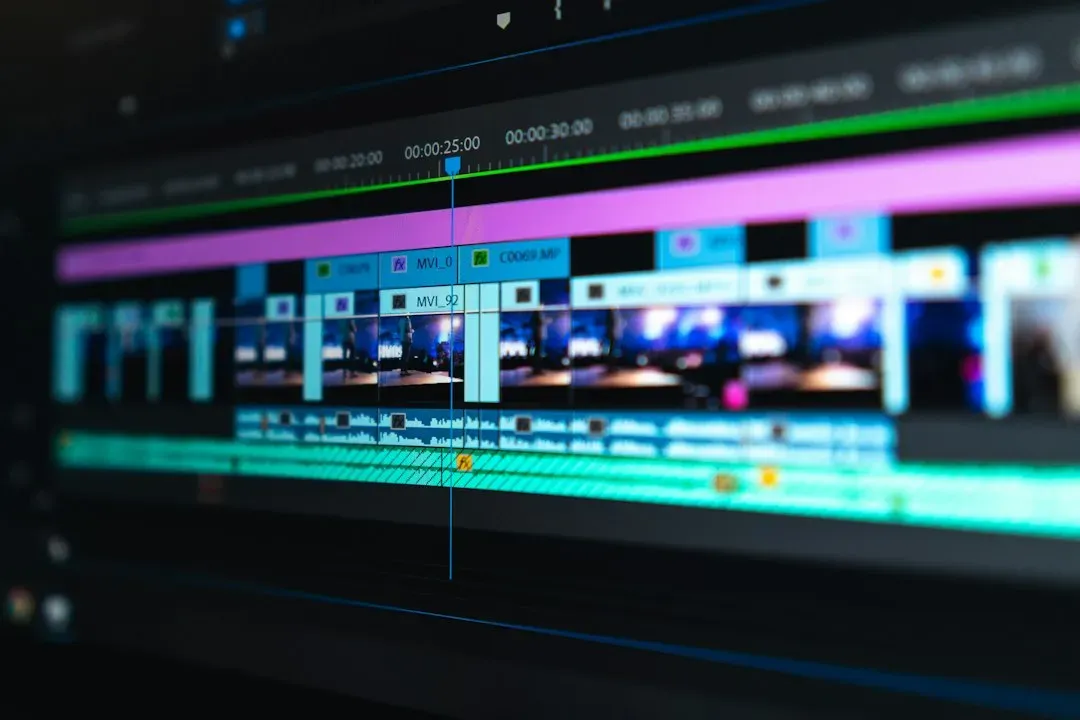
Editors shape how expensive a film feels. Tight pacing hides weak shots, trims dead air, and keeps attention on the strongest performances. A skilled cut can rescue a scene that looked unremarkable on the day.
Restraint is the real skill. Cutting away from effects shots before they reveal their limits, or letting a good performance play out in a single take, keeps the film credible. Rhythm often matters more than spectacle.
Committed Casts and Crews
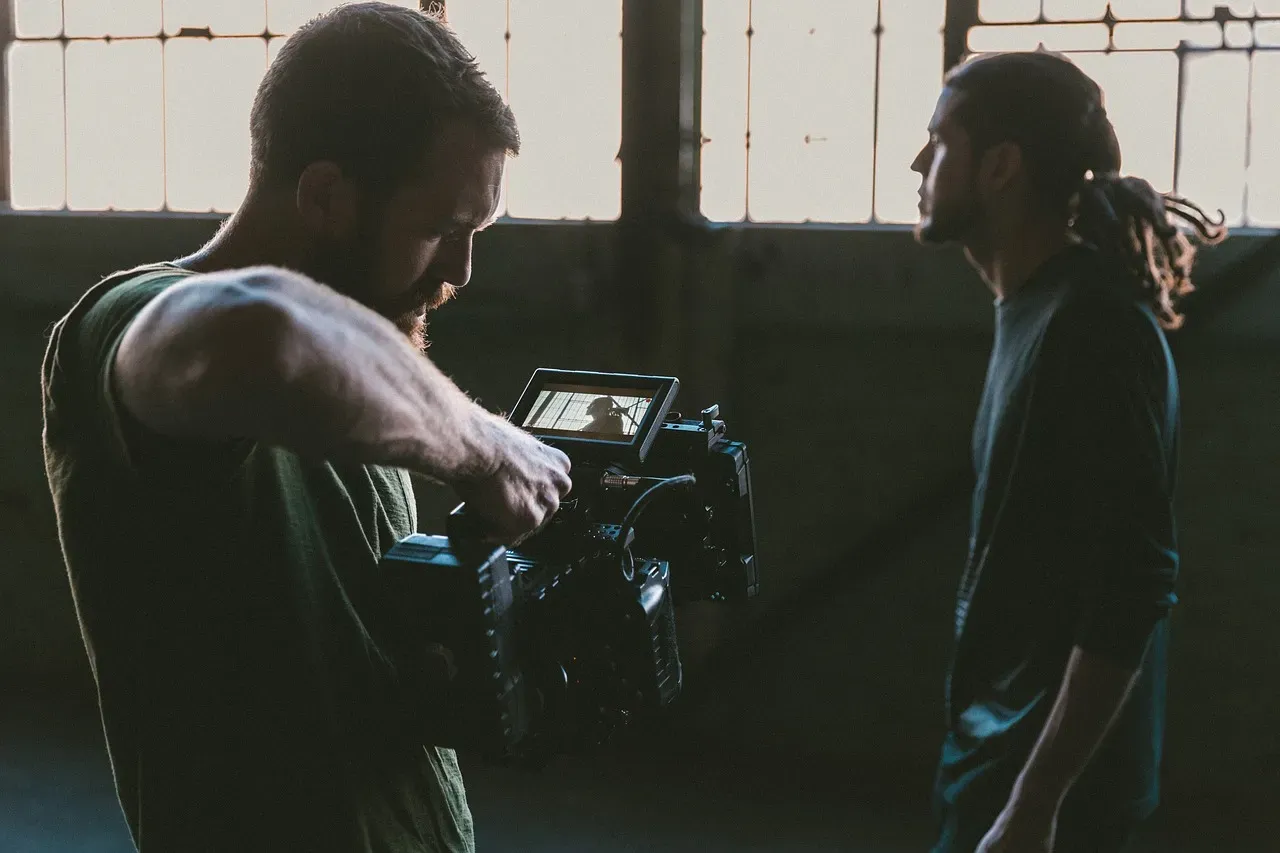
People are the last piece. Actors and crew who believe in a project often bring more care than the budget would normally buy. Many small films draw on collaborators who work together repeatedly and know each other’s habits.
That familiarity speeds up work and improves the details. A confident performance, a well timed camera move, and a clean set all add up on screen. Polish, in the end, is mostly the visible result of people doing their jobs well.