Acting is often described as the art of losing yourself in someone else’s skin. Most of the time, that process is exactly as creative and fulfilling as it sounds. Occasionally, though, a role just doesn’t click – not because the actress isn’t talented, but because the material, the physical demands, or the moral framing of a character creates a genuine disconnect that’s hard to hide or forget.
Some of Hollywood’s most celebrated women have been refreshingly honest about exactly that. Their candor doesn’t diminish their performances, but it does reveal something important about the gap between what audiences see on screen and what an actress actually experiences while making a film. Here are nine roles that left real marks – not of pride, but of ambivalence.
1. Viola Davis as Aibileen Clark in The Help (2011)
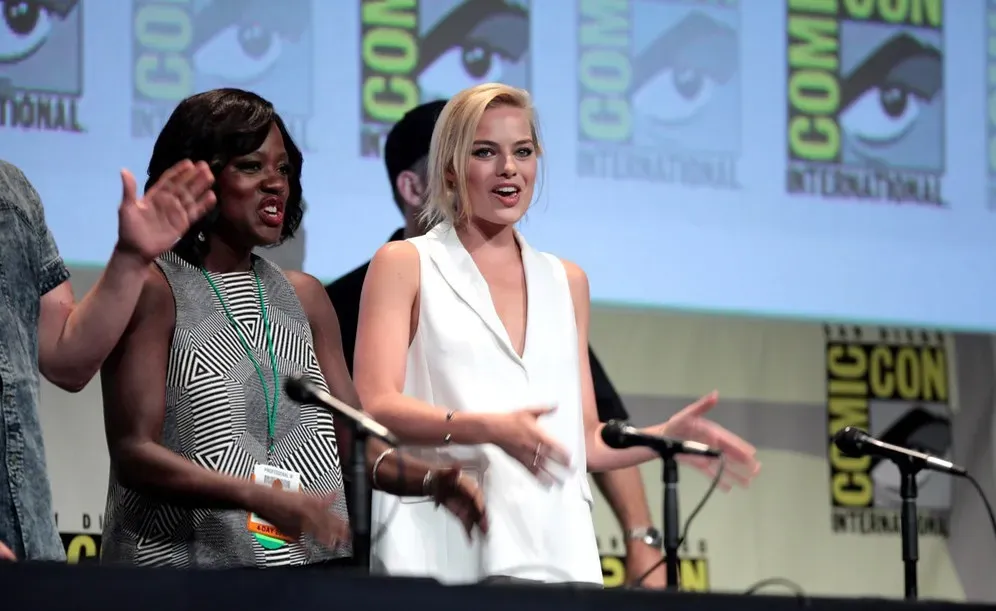
Viola Davis has previously said she has one major acting regret, and it is starring in “The Help.” Davis described the film as being “created in the filter and the cesspool of systemic racism,” and she played the role of maid Aibileen Clark, who worked for a white family in the 1960s. Despite the success of the film, the Academy Award winner criticized its narrative for focusing on the white characters rather than telling the story through the lens of the Black characters.
Davis stated, “I just felt that at the end of the day that it wasn’t the voices of the maids that were heard.” She went further, telling Vanity Fair, “There’s a part of me that feels like I betrayed myself, and my people, because I was in a movie that wasn’t ready to [tell the whole truth].” Davis also admitted she took the role because she was hoping it would help her “pop” as a mainstream star. The film earned her an Oscar nomination, but it’s the personal cost she’s never stopped talking about.
2. Jennifer Lawrence as Mystique in the X-Men Franchise (2011–2019)
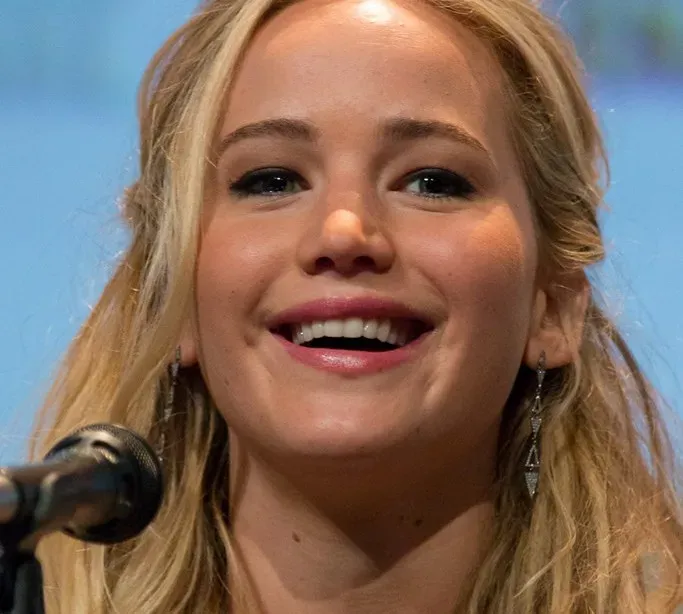
The role required an intense physical transformation for Lawrence, with layers of different blue textures and scales being applied to her skin in an arduous makeup process that took nearly eight hours in the first film. She first took on the role in 2011’s X-Men: First Class, which catapulted her to big-screen fame, but the whole blue paint and prosthetics process was not her favorite – as much as she appreciated being part of the X-Men universe, she was vocal about how challenging the makeup process was.
Lawrence was particularly troubled by the number of chemicals used in the process, saying, “Now I’m almost 25 and I’m like, ‘I can’t even pronounce this and that’s going in my nose? I’m breathing that?'” She told Entertainment Weekly that she hadn’t planned on playing Mystique ever again after X-Men: Apocalypse, but director Simon Kinberg roped her into doing it. The physical toll eventually outweighed the franchise’s appeal, making it one of the most publicly complicated relationships any actress has had with a blockbuster role.
3. Kate Winslet as Rose DeWitt Bukater in Titanic (1997)
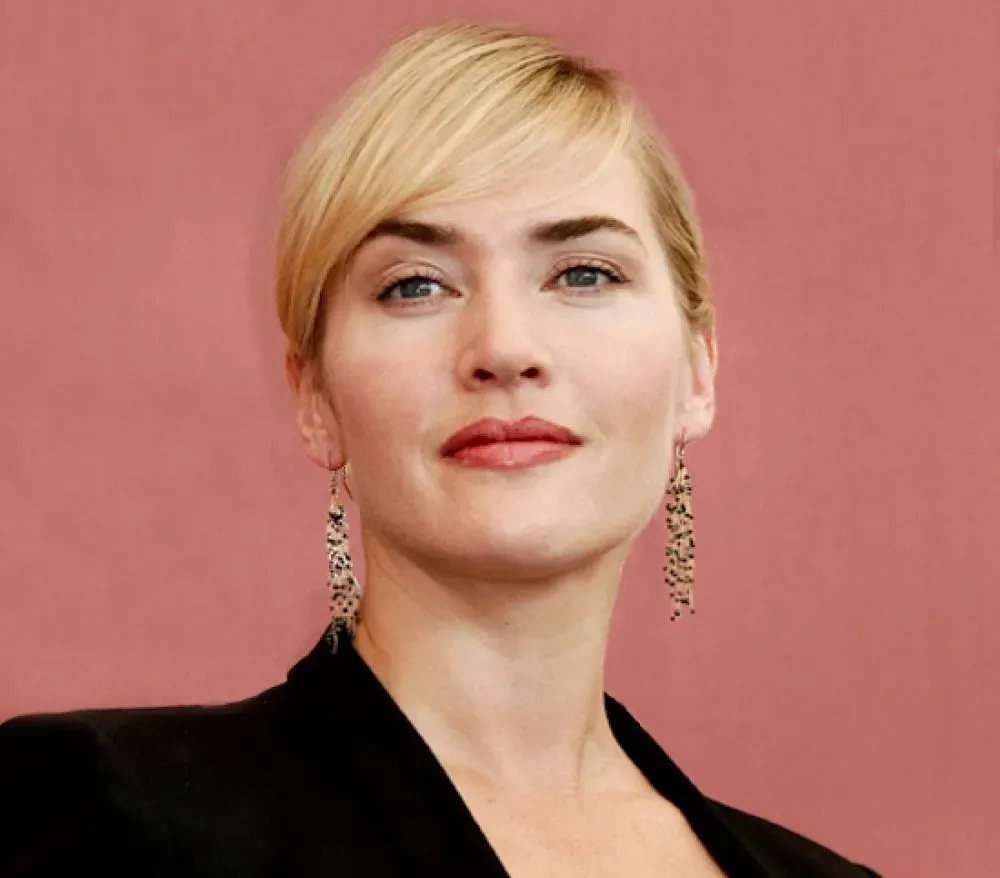
Despite Titanic being one of the highest-grossing films of all time, Kate Winslet has expressed a deep dislike for her performance in the movie. She famously stated that her American accent was “awful” and that she finds it difficult to watch herself in the role of Rose DeWitt Bukater. This is a striking admission for a film that essentially turned her into a global icon overnight and remains one of the most watched movies in cinema history.
Winslet has been consistently candid about wincing every time the film airs. The disconnect she describes isn’t about the role’s emotional demands or its moral complexity – it’s a purely personal and artistic dissatisfaction with her own craft at that particular moment in her career. It takes a certain kind of self-awareness to be publicly critical of a performance the rest of the world considers legendary.
4. Halle Berry as Patience Phillips in Catwoman (2004)
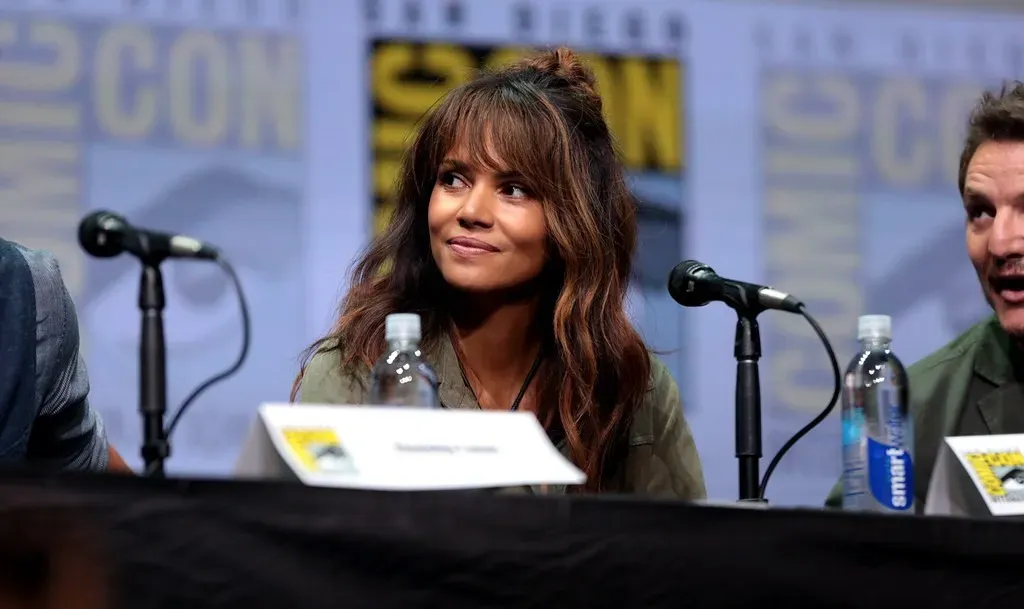
Halle Berry admitted she has always hated being the sole target of the movie’s backlash. The infamous comic book movie was a box office flop, and Berry was awarded a Razzie for her performance. She famously showed up to the Razzie ceremony with her Oscar in hand to accept the trophy for worst performance. It remains one of the most self-deprecating gestures in award show history, and Berry has leaned into the joke with varying degrees of enthusiasm ever since.
“I felt like it was Halle Berry’s failure, but I didn’t make it alone,” Berry told Entertainment Weekly. “All these years, I’ve absolutely carried it.” In 2021, she said she would “love” the chance to “reimagine” the story, noting what she now knows about filmmaking after making her directorial debut. The frustration wasn’t just about the critical reception – it was about carrying the weight of a broken film largely alone.
5. Michelle Pfeiffer as Stephanie Zinone in Grease 2 (1982)
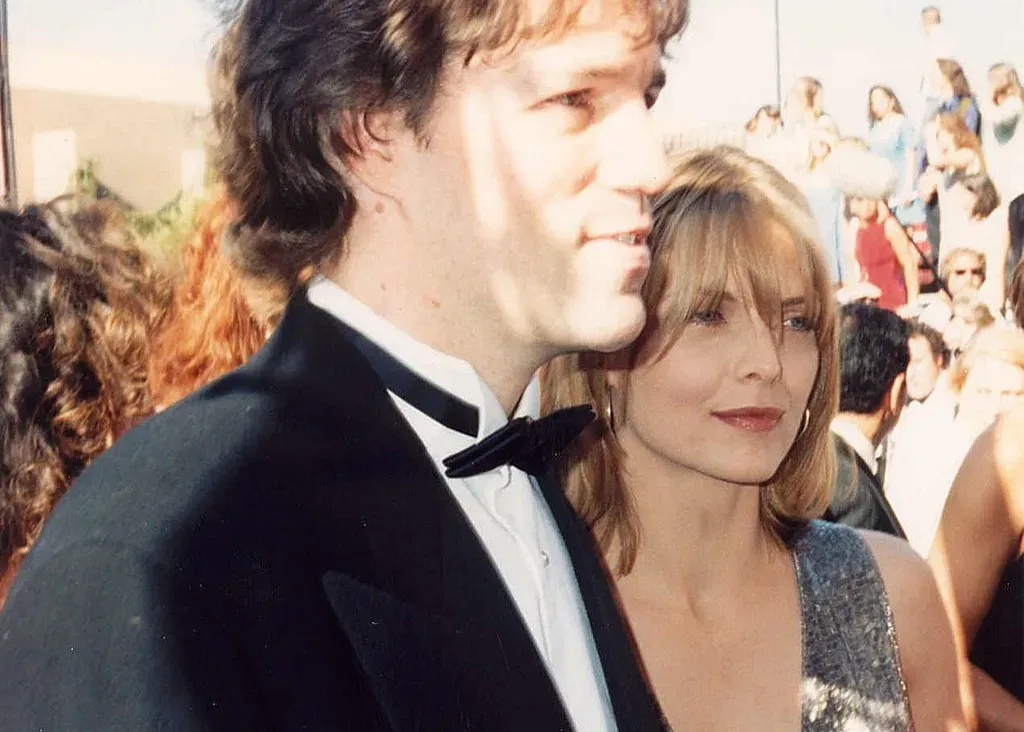
Michelle Pfeiffer has admitted that she hated Grease 2 and only took the role because she was young and needed the work. She described the film as a mistake and was surprised by how much she disliked the final result. The film flopped commercially in 1982, though it has since gathered a devoted cult following that views it with genuine fondness.
Pfeiffer opened up about the cult favorite musical comedy, revealing that when she was cast, she was “terrified.” She and her co-star Maxwell Caulfield were both nervous about the instant fame they expected to follow, given that the original Grease had transformed Olivia Newton-John and John Travolta into global superstars, setting sky-high expectations for the sequel. The film never delivered that launch, and the gap between expectation and reality left a lasting impression on Pfeiffer’s memory of the role.
6. Jennifer Garner as Elektra Natchios in Elektra (2005)
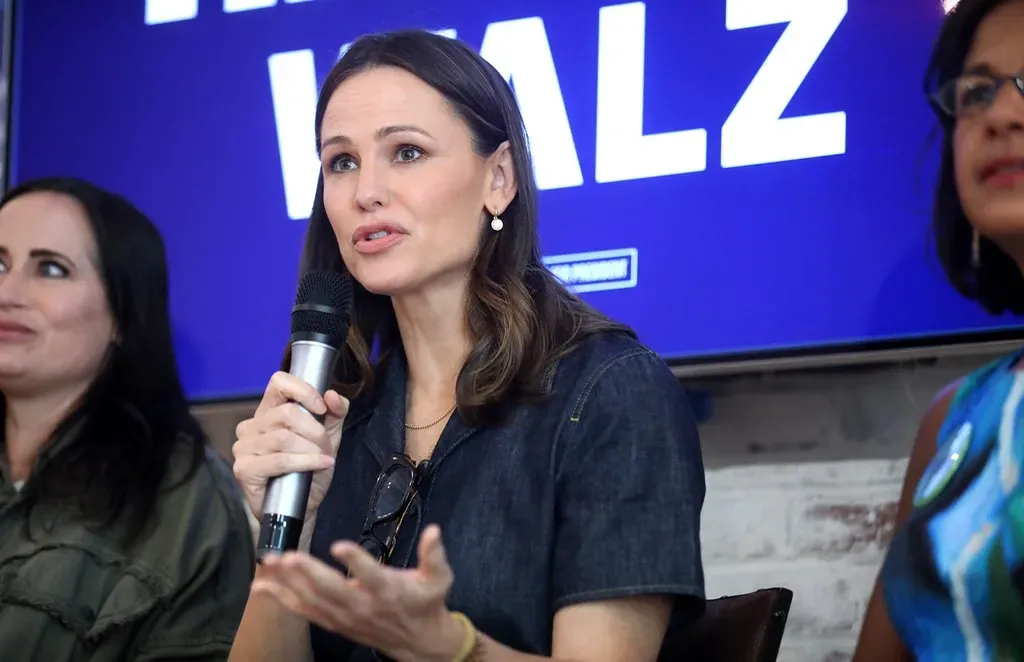
Jennifer Garner reportedly had a very negative outlook on her 2005 spin-off film Elektra. According to her former co-star Michael Vartan, Garner told him the movie was “awful” while they were working on the show Alias. The film was produced as part of a contractual obligation following her appearance in Daredevil.
Elektra was panned by critics and struggled to find an audience, which Garner allegedly anticipated during production. She has since moved on to more successful projects, though the character remains a notable part of her filmography. Being contractually locked into a project you don’t believe in is a particular kind of professional frustration, and Garner has never made much effort to pretend otherwise when asked about it.
7. Blake Lively as Serena van der Woodsen in Gossip Girl (2007–2012)
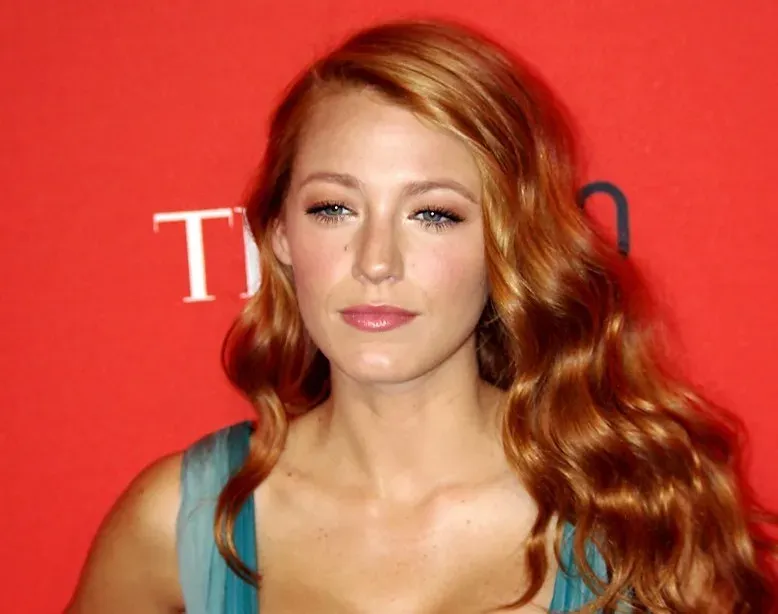
Though it’s hard to remember a time when Lively wasn’t a household name, Serena van der Woodsen’s reputation as the “It girl of Manhattan” in Gossip Girl bled into Lively’s real-life reputation. It wasn’t just in the media that Lively became synonymous with the secretive and manipulative Serena, as the character ended up influencing how the actress dresses in real life, for better or worse.
Factors such as uncomfortable filming conditions, creative differences with directors, or disagreements with the moral messaging of a project can sour an actress’s view of her work. In some cases, the immense fame generated by a specific performance creates a public image that the performer spends decades trying to shed. For Lively, the specific problem with Serena was partly that the character’s glamorous, morally slippery identity stuck to her so thoroughly that stepping out from under it took years – and required deliberate effort to reclaim her own public image.
8. Dakota Johnson as Cassandra Webb in Madame Web (2024)
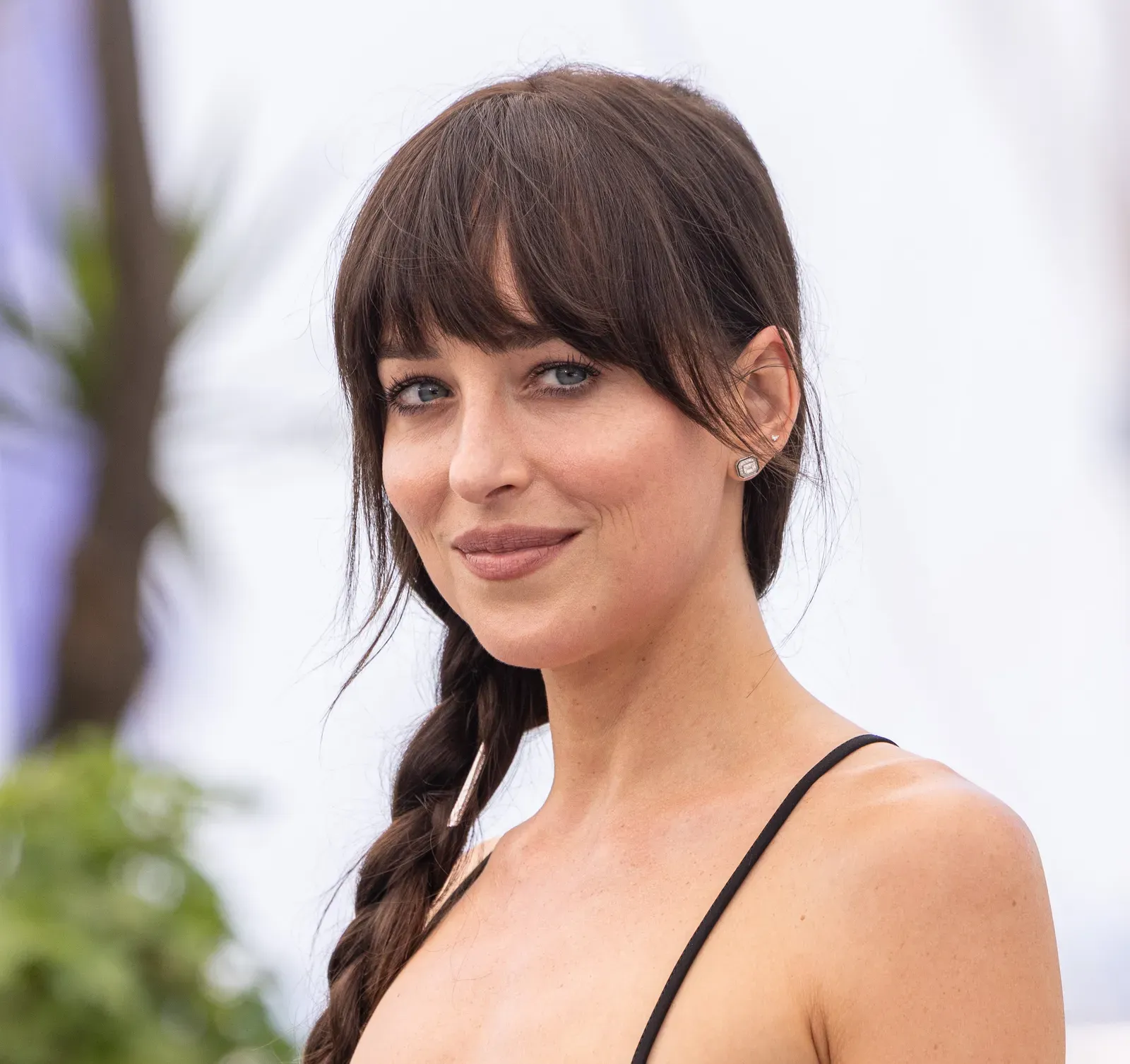
In March 2024, Dakota Johnson denounced her superhero film Madame Web, saying she doesn’t “make sense in that world” and that the movie’s overwhelmingly negative reviews didn’t surprise her. The candor was striking even by the standards of post-release honesty – most actors wait longer before acknowledging a misfire of that scale. Madame Web was widely regarded as one of the weakest entries in the Sony Spider-Man universe.
Johnson’s admission pointed to a deeper disconnect than mere dissatisfaction with the film’s reception. Her phrasing – that she simply doesn’t “make sense” in a superhero context – suggests that the character never felt like a natural fit from the inside either. Thespians often have to conceal their personal distaste for a film they star in, perhaps only admitting their unfavorable opinions about the project in interviews years after its release. Johnson didn’t wait years – she said it almost immediately.
9. Rooney Mara as Tiger Lily in Pan (2015)
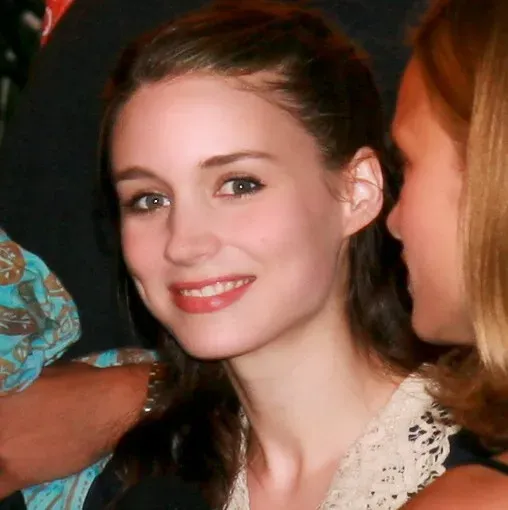
Rooney Mara’s role as Tiger Lily in Joe Wright’s 2015 fantasy adventure Pan ignited controversy as an example of Hollywood whitewashing, to which the actress would speak out against just a year later. The casting drew immediate criticism, as Tiger Lily is traditionally depicted as a Native American character, and Mara’s involvement was seen by many as a failure of representation at the studio level.
What made Mara’s situation particularly unusual was that she publicly distanced herself from the decision relatively quickly, acknowledging the legitimate criticism rather than defending the role. While many stars find their breakout roles to be a source of lifelong pride, others view certain performances with regret, with factors such as creative differences or disagreements with the moral messaging of a project souring an actress’s view of her work. For Mara, the moral discomfort was front and center, and her willingness to name it set her apart from the standard promotional silence that usually surrounds controversial casting decisions.
What unites all nine cases isn’t a lack of professionalism or talent – it’s something more honest than that. Sometimes the script doesn’t deliver what it promised. Sometimes the physical demands of a role outweigh its creative rewards. Sometimes the film asks an actress to participate in a narrative she doesn’t believe in. The performances exist on screen regardless, but the women behind them carried something else home. That private accounting, when it eventually surfaces in interviews, tends to be far more interesting than the roles themselves.