Working at a movie theater looks simple from the outside. You scan tickets, you sell popcorn, you keep the hallways clear. What most guests don’t realize is that staff are also quietly watching the auditorium, managing the lobby crowd, and making judgment calls about safety dozens of times per shift. There’s a whole layer of awareness that never makes it into the job description.
Some of the things guests do are genuinely alarming to staff, even when those guests have no idea they’re raising concerns. Others are habits that feel harmless but create real headaches behind the scenes. Here are eight behaviors that theater employees notice, and that quietly stay on their minds long after the credits roll.
1. Pointing a Phone at the Screen
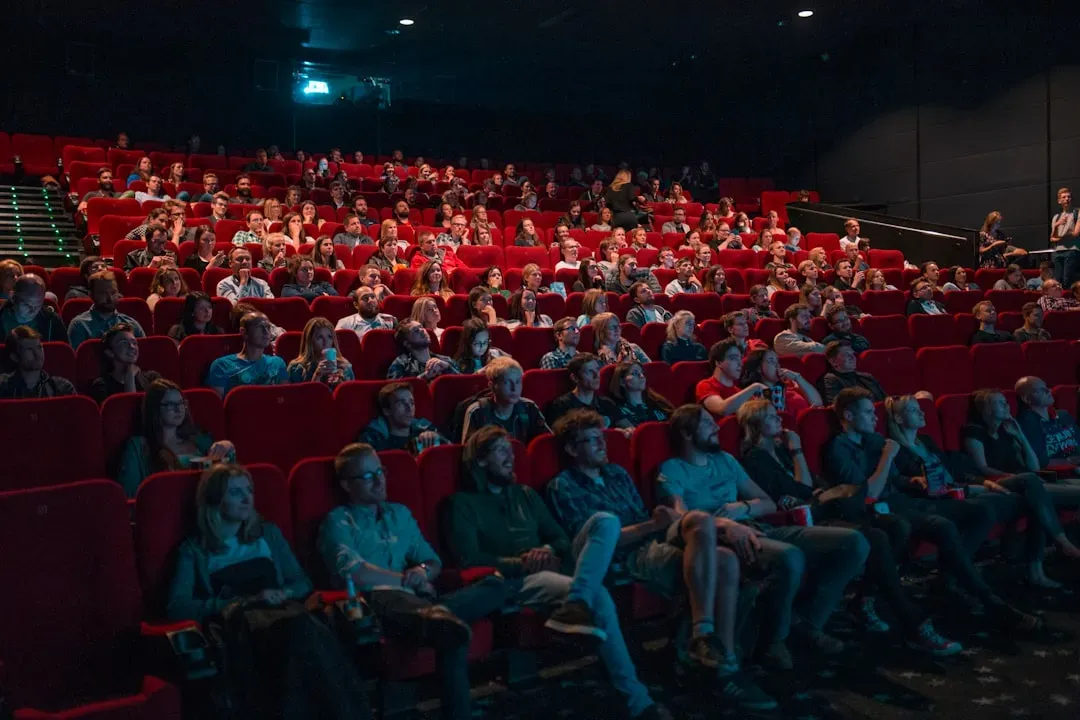
While it’s legal for the theater to record you, it’s illegal for you to record the movie. Under federal law, using a camera, smartphone, or any device to record a movie, even a short clip, can result in fines, ejection from the theater, or even criminal prosecution. Staff are trained to watch for exactly this, and most are required to report it immediately.
Movie piracy costs the film industry billions annually, and theaters are on the front lines of stopping it. Cameras monitor for unauthorized recording, such as someone using a phone, tablet, or professional camera to film the screen. Most cameras are positioned at the back of the theater or in upper corners, angled toward the audience to spot recording devices. When an employee walks into a dark auditorium and sees a screen pointed at the movie, their heart rate genuinely goes up.
2. Bringing in Alcohol or Suspicious Drinks

Outside beverages are a constant low-level issue at nearly every theater. Most staff have a lenient, eyes-forward approach to a candy bar or a bag of chips sneaked in from a convenience store. Alcohol is a different matter entirely. The only outside food or beverages that staff couldn’t allow inside were alcoholic beverages or foods and beverages that were laced with drugs, but even then, how would they be able to tell what is spiked and what isn’t?
That uncertainty is the real concern. In today’s environment where people are pirating films and other safety incidents occur, outside food and beverages are among the minimal concerns, but alcohol is a line that matters. A guest who stumbles in smelling of alcohol, or who is visibly pouring something into a cup, tends to put nearby staff on quiet alert for the rest of that screening.
3. Vaping Inside the Auditorium
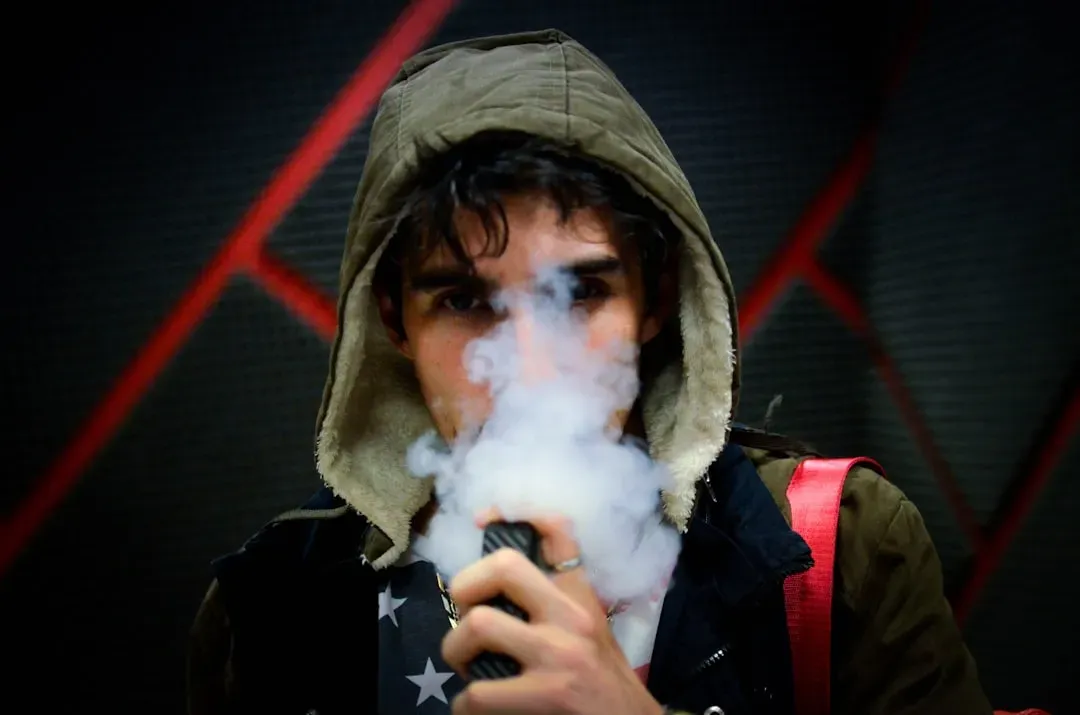
Teens are sometimes caught vaping in the middle of the theater, thinking a sweater will cover up the smoke. These examples highlight the increasing lack of respect for theater etiquette, making it harder for everyone to enjoy a movie. For staff, the concern goes beyond just the annoyance. Vaping indoors triggers air quality worries, potential fire alarm issues, and the uncomfortable reality that confronting a group of teenagers mid-screening rarely goes smoothly.
The challenge is that vapor dissipates quickly. By the time an employee enters the auditorium after receiving a complaint, the evidence is often gone. Staff are left in the difficult position of trying to enforce a rule they can’t always prove was broken, which puts them in tense, unverifiable confrontations that can easily escalate.
4. Using a Phone on Full Brightness During the Film
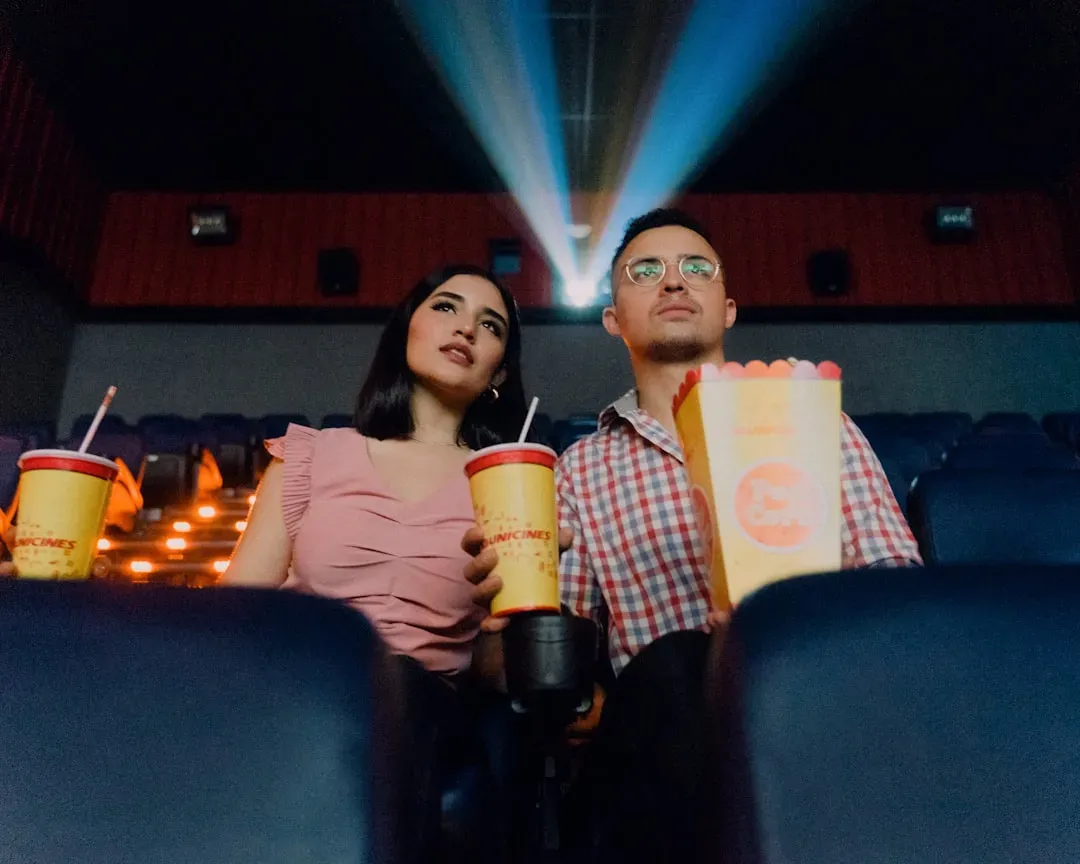
Theater workers report that when they ask guests what they would do to improve the moviegoing experience, the number one answer is to introduce some way to ban phone usage. The concern is not just about distraction. A bright screen in a dark room is visible from surprising distances, and it draws attention that staff have to manage. Any time someone pulls a “half-out of the pocket time check” with their phone on full brightness, it immediately disrupts the immersion of everyone nearby.
Phone usage at the movies became a uniquely visible problem when films with devoted fan followings were released, with some fans taking pictures during the movie and posting them all over social media. Staff have to judge on the fly whether to intervene and risk creating a bigger scene than the original disturbance. There’s rarely an easy call when a crowd is already present and emotions are running high.
Partner offer
5. Arriving with Oversized or Unchecked Bags

To expedite entry and for the safety and security of guests and associates, bags or packages with any dimensions measuring larger than 16 inches by 16 inches by 6 inches are not permitted into some theaters. Backpacks are allowed but are subject to be checked. Many guests push back on bag checks, treating them as an overreach. From a staff perspective, though, it’s one of the few physical tools they have for maintaining a basic level of security in a space that otherwise has very open access.
Movie theaters have particular concerns about public venue security because they contain many of the components associated with mass casualty risk: a crowd, a confined location, and apparent unhindered access. Staff members don’t broadcast that concern, but it shapes how they think about large bags, people loitering near exits, and guests who seem agitated before they even sit down.
6. Escalating Disputes with Other Guests
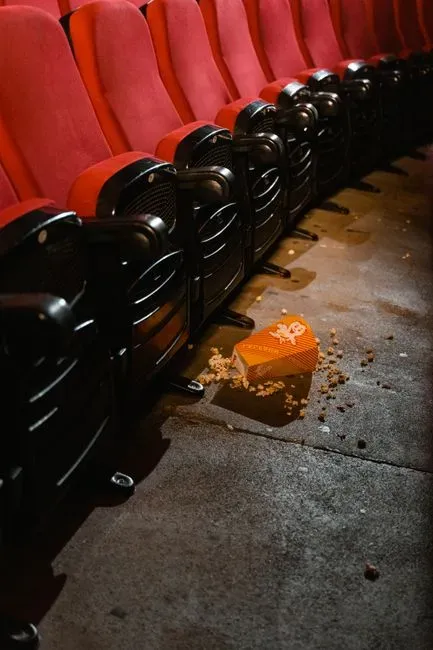
A survey by the U.K. entertainment union Bectu found that many theater workers feel unsafe because of anti-social behavior from movie audiences. The survey, which had around 1,500 participants, found that “wildly unacceptable” incidents were happening across the sector, with roughly seven out of ten saying behavior had become more extreme since the COVID-19 pandemic. The most stressful part of the job for many employees is not the phone-checkers. It’s the moment when two guests decide to resolve their disagreement themselves, loudly.
Among the issues raised in that survey were racial slurs, sexual harassment and assault, physical violence and threats of violence toward both staff and other audience members, lewd behavior, mass brawls, and intoxicated moviegoers. More than half of those who took part in the survey said they had thought about leaving their jobs because of it. Staff earn modest wages and are rarely given meaningful de-escalation training, so being expected to step between two angry strangers in a dark room is genuinely frightening.
7. Sneaking Between Screenings Without a Ticket

Theater hopping, the practice of watching a second film after the first without purchasing an additional ticket, is far more common than most guests assume. Sneaking into a movie without paying is considered theft of services and illegal trespassing. Consequences can range from being immediately escorted out or banned from the theater to potential fines and up to six months in county jail. Most staff don’t jump straight to legal action, but they do take it seriously.
Movie hopping is grounds for being banned from the theater or being escorted out. Very rarely, someone can be arrested for theft of services, similar to shoplifting. From the staff’s vantage point, the frustration is less about the ticket price and more about accountability. Auditoriums with unverified guests are harder to manage safely, particularly during crowded weekend showings when capacity and crowd flow both matter.
8. Leaving a Serious Mess Behind
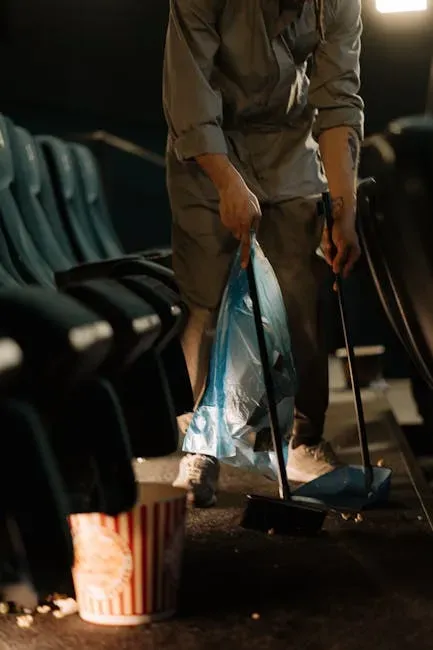
The aftermath of a sold-out showing is something most guests never see. Staff enter auditoriums on tight schedules, often with less than fifteen minutes to clean before the next audience arrives. Spilled sodas, cracked nachos ground into seat cushions, and food containers left on the floor create both a hygiene problem and a physical hazard. It slows down turnaround time and, in busy multiplex environments, can push the next screening’s start time back.
The unspoken rule is simple: follow two rules if you bring in any food. First, clean up after yourself and be respectful. Second, please be kind to theater employees. That last part matters more than people realize. Staff who feel respected tend to be more willing to extend goodwill, address problems calmly, and create the kind of atmosphere that makes the whole room work better. The cleanliness of a seat at the end of the night is, in a quiet way, a small vote about what kind of shared space a theater gets to be.
Most theater employees aren’t looking for reasons to remove someone or escalate a situation. They want the same thing the audience does: a smooth, uneventful showing where everyone leaves happy. The behaviors that quietly concern them are almost never malicious on the guest’s part. They’re usually just thoughtless. That gap between intent and impact is where most of the real friction in a movie theater lives, and it’s entirely closeable.
Partner offer
Planning a trip to Vegas?
Compare hotel rates and show tickets on VEGAS.com.