
Most people can’t explain exactly why a performance feels off. They just know something is wrong. The scene plays out, the lines get delivered, the camera cuts away, and yet the feeling lingers: that actor wasn’t really there. The discomfort is real, even if the diagnosis stays vague.
What’s interesting is how consistent audiences are in their reactions, even without formal training. In the 1990s, Italian neurophysiologists at the University of Parma discovered mirror neurons, cells that fire both when we perform an action and when we simply observe someone else performing it, showing that our visual-motor system activates as if we were executing actions we’re only watching. In other words, when an actor fakes an emotion, the audience’s brain is often catching the lie before the conscious mind can even name it. Here are the nine things they pick up on most.
1. The Visible Effort Behind the Emotion
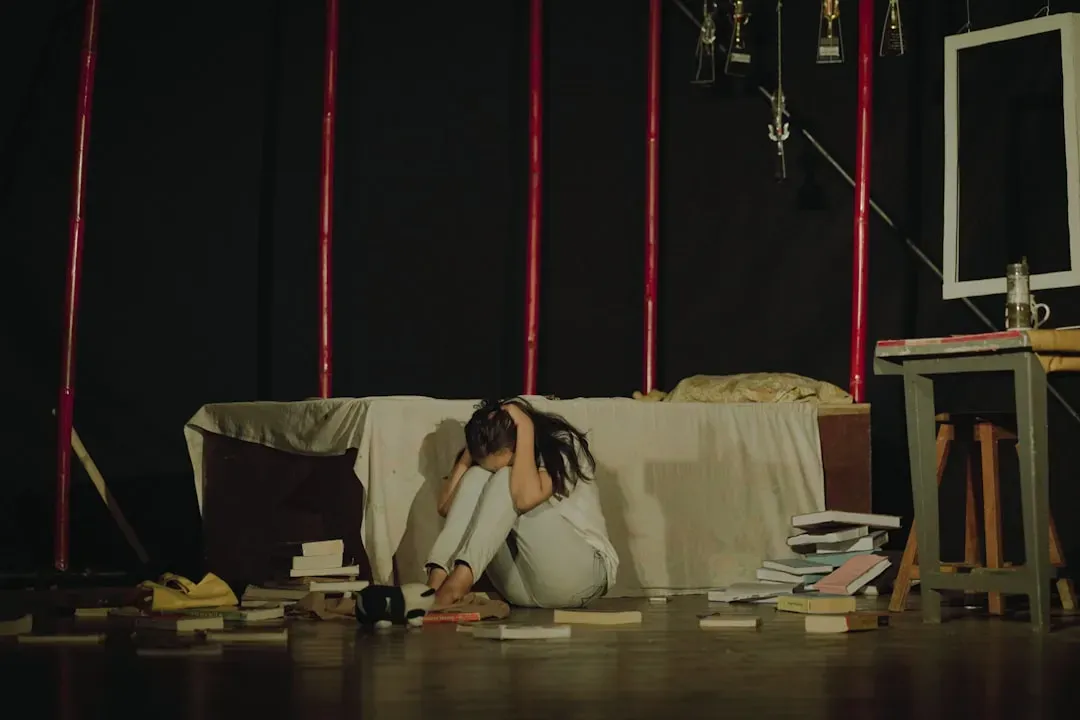
In bad acting, the actor may appear to be trying too hard or not trying hard enough, distracting the audience and shaking them out of their involvement with the story. It’s that feeling of watching someone perform sadness rather than actually feel it. The mechanics become visible, and once they’re visible, the illusion is gone.
The audience can see the actor trying to be the character instead of simply being the character. This distinction is subtle but unmistakable. Genuine emotion has a quality of inevitability to it, whereas performed emotion always carries a slight hesitation, a micro-second of calculation that viewers register instinctively, even from the back row.
2. Stiff or Robotic Line Delivery
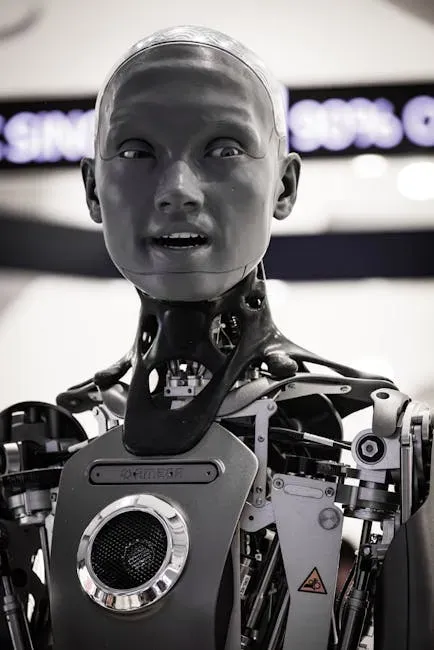
Good acting requires delivering lines in a way that feels organic and believable, while bad acting often features stiff or robotic delivery where the dialogue sounds memorized rather than genuinely spoken by the character. There’s a particular flatness that creeps in when an actor is retrieving words from memory rather than generating them from thought. Audiences feel the loading time, even if they can’t name it.
Effective dialogue delivery distinguishes great acting from mediocre performances, as it bridges the gap between written text and authentic human expression, with tone, timing, and intonation being pivotal components that influence how well a line resonates with the audience. When those elements collapse into monotony, even a beautifully written scene can fall completely flat.
3. Breaking Character Without Realizing It

Maintaining character throughout a performance is crucial, and bad acting often reveals itself when an actor unintentionally breaks character through inappropriate facial expressions, body language, or reactions. A smirk during a tense confrontation, a glance toward the camera, a slight relaxation of the jaw during a supposedly terrifying moment. These are the cracks audiences notice most quickly.
Examples include smirking during a serious moment or reacting to off-screen cues, both of which distract audiences and make the character feel inauthentic. It takes viewers only a fraction of a second to register an expression that doesn’t fit the emotional reality of a scene. Once that register happens, the trust erodes fast.
4. Overacting and Exaggerated Emotion

A bad actor might perform in a way that’s overly exaggerated, leading to corny, over-the-top performances, characterized by dramatic or quirky facial, bodily, and vocal mannerisms, unrealistic accents, and a lack of naturalism due to sticking to the script without leaving room for flexibility. When emotion is amplified beyond what the scene actually calls for, it stops reading as human and starts reading as theatrical in the worst possible sense.
This approach tends to fail because audiences can detect the desperation behind such choices, since big, dramatic moments feel fake when they substitute for what actually makes compelling drama: conflict grounded by truth and raised by the real stakes of the scene. Volume and physical intensity are not substitutes for emotional truth, and audiences know this intuitively even if they’ve never set foot in an acting class.
5. Underacting and Emotional Flatness
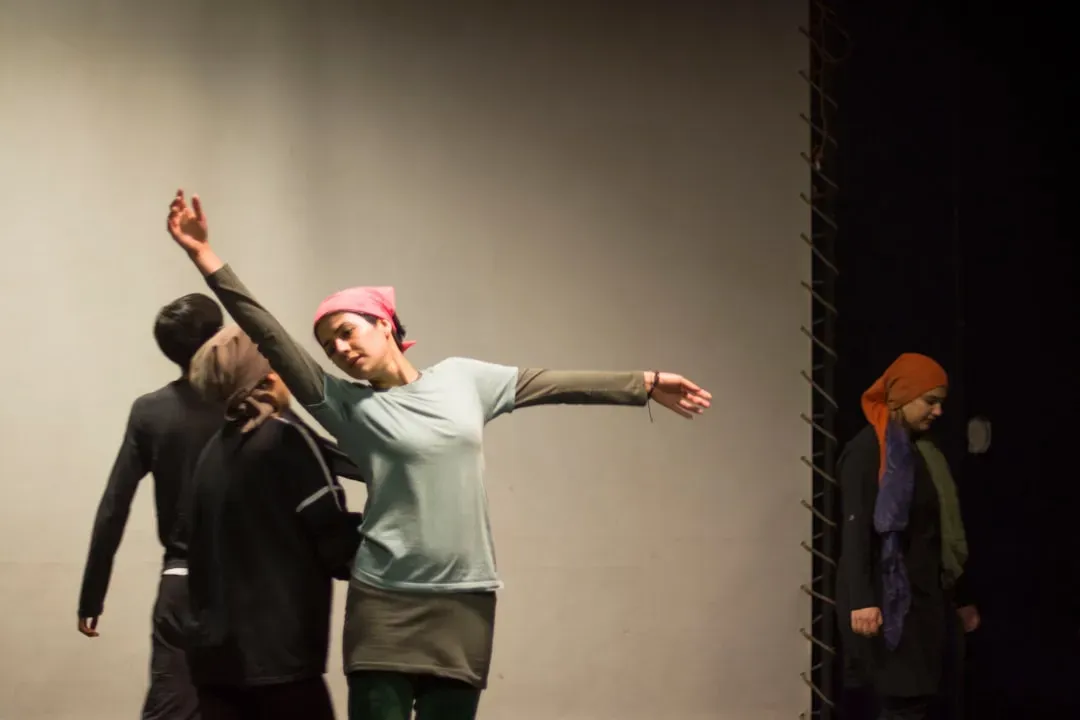
The opposite of overacting is underacting, where the performer fails to convey any depth of emotion, and flat delivery of lines combined with a lack of facial or bodily expression can make characters feel lifeless and unrelatable. A character who receives tragic news and reacts with a glazed look and no visible internal shift produces a strange kind of unease in viewers. Something feels physiologically wrong.
Partner offer
Bad acting can also result from making fearful, safe choices in a scene, and some actors try to pass this off as subtlety. The audience rarely buys it. There’s a real difference between a restrained, purposeful performance and one that simply has nothing going on underneath. The former invites the viewer in; the latter leaves them standing outside, confused and disengaged.
6. Inconsistent Accents and Voice Work

If a character is meant to have a specific accent or way of speaking, bad acting can manifest through inconsistencies, with switching between accents or dropping them entirely taking audiences out of the experience, as in the case of a British accent that unintentionally shifts to an American one mid-scene. Few things snap a viewer out of a story faster than hearing the actor’s natural voice bleed through a half-maintained regional dialect.
If an actor can’t make the audience believe they are truly inhabiting their character, it can ruin the entire production, as miscasting, poor accents, and unrealistic dialogue delivery interrupt the willing suspension of disbelief necessary for a positive performance. Voice work is less forgiving than almost any other element of craft because it’s constant. Every sentence is another test.
7. Relying on Generic, Clichéd Gestures

Reliance on stereotypical gestures or expressions can indicate a lack of creativity in a performance, where the actor falls back on predictable tropes rather than crafting a unique portrayal, such as a villain who constantly twirls their mustache and laughs maniacally without depth. Audiences have seen these gestures so many times across so many productions that they recognize them immediately as borrowed choices rather than lived ones.
Generic choices, including reliance on clichés, stock gestures, or “big” acting choices without character-specific motivation, are a hallmark of underprepared performances. The problem isn’t just that the gestures look familiar. It’s that they feel disconnected from the specific person the actor is supposed to be playing. A gesture borrowed from every villain ever is not a gesture belonging to this villain.
8. Poor Listening and Reaction to Other Actors
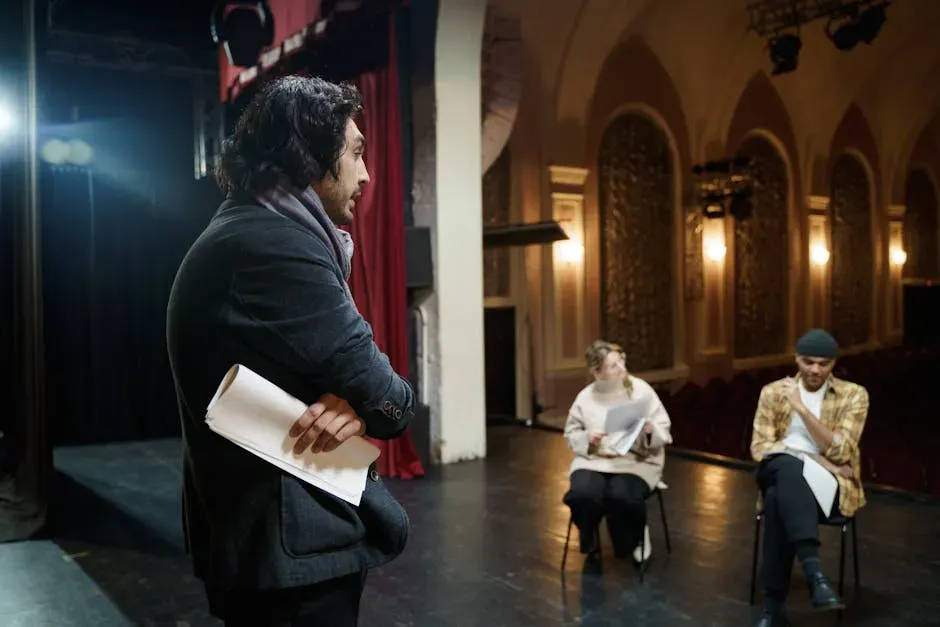
A lack of objective, where an actor behaves without a clear aim or need, produces an unfocused performance. This often becomes most visible not when the actor is speaking but when they’re listening. Experienced viewers can spot an actor who is simply waiting for their next cue rather than genuinely absorbing what their scene partner is saying. The eyes go slightly vacant, the body settles, and the scene loses its energy.
The art of timing is crucial in acting, whether for dialogue delivery, physical movement, or reactions to other characters, with skilled actors knowing when to pause for emphasis, when to accelerate pace for intensity, or when to use silence for maximum impact. When reactions arrive a beat too late or feel pre-planned rather than spontaneous, the scene’s sense of genuine exchange collapses entirely. Real conversation is mutual. Bad acting is two monologues happening near each other.
9. A Physical Presence That Doesn’t Match the Character
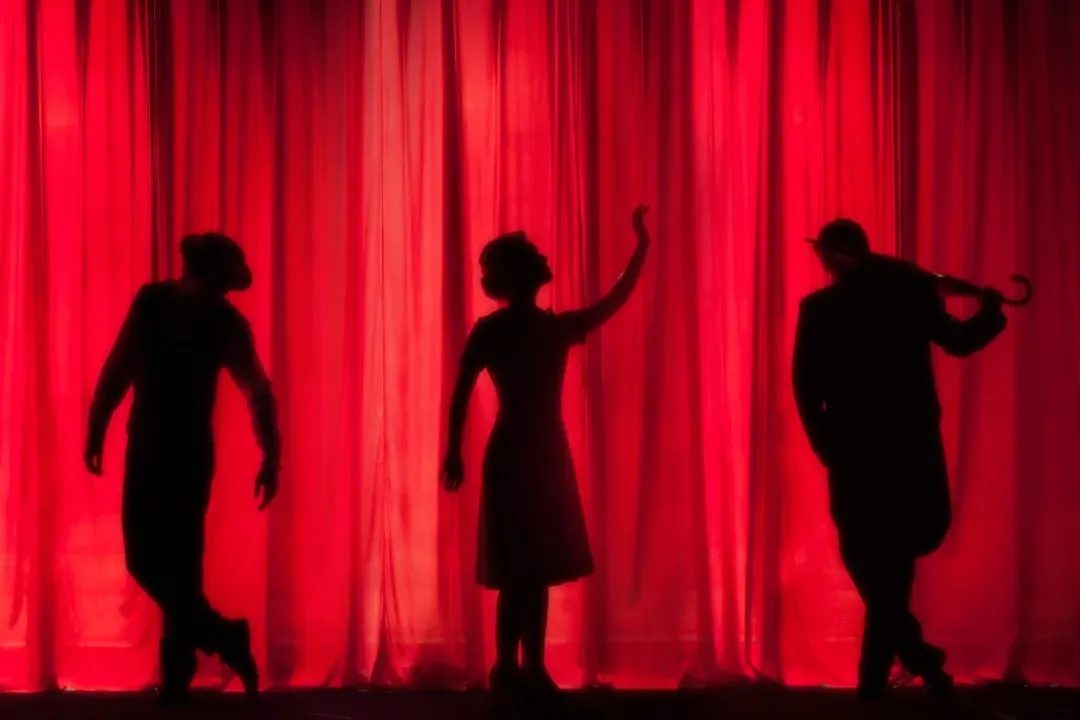
Transformation of an actor’s physicality to suit diverse roles is a measure of skill, with effective physical transformations ranging from dramatic weight alterations to subtle shifts like adopting a distinct gait, while a lack of physical authenticity may lead audiences to perceive performances as flat or unengaging. When an actor’s body still belongs entirely to themselves and has made no visible accommodation for the character they’re playing, something registers as incomplete.
Physical movement on stage or screen should have a purpose, and when an actor hardly moves, they come off as wooden. Conversely, nervous or excessive movement without purpose reads as anxiety rather than characterization. The body tells a story whether the actor intends it to or not, and audiences follow it closely, often more closely than they follow the words being spoken.
What ties all nine of these observations together is the same underlying mechanism: audiences are not passive consumers of performance. They are active, biologically wired evaluators of human behavior. They spend their entire lives reading other people, and that skill doesn’t switch off when the lights go down. A weak performance doesn’t just fail to impress. It quietly unsettles, interrupts, and distances the viewer from the story being told. The craft of good acting is, in large part, the craft of not giving the audience anything to notice at all.
Partner offer
Planning a trip to Vegas?
Compare hotel rates and show tickets on VEGAS.com.