Old Hollywood still gets treated like a fixed, glittering fact of history, a golden era everyone somehow agrees on even though most of us weren’t alive to see it firsthand. That secondhand nostalgia has a way of hardening into myth. The stories get repeated so often in documentaries, trivia nights, and casual conversation that they start to feel like settled truth, even when the historical record tells a messier, more interesting story.
1. Studios discovered raw, natural talent by chance
The image of a starlet plucked from a soda fountain and turned into an overnight sensation is one of Hollywood’s most durable myths. In reality, studios ran extensive talent departments, drama coaches, dieticians, dance instructors, and publicity teams whose entire job was manufacturing a “natural” star from scratch. Actors were reshaped physically and vocally, sometimes over years, before a studio ever let the public see them.
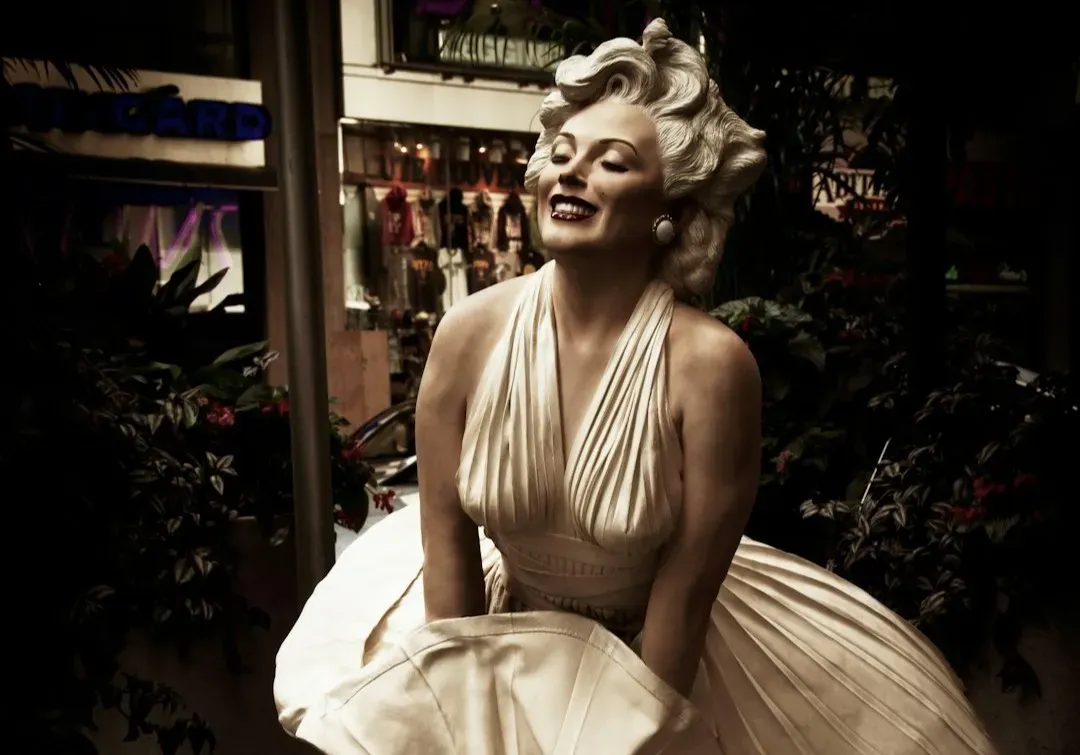
Marilyn Monroe is a good example of how much invention went into these personas. She trained seriously at the Actors Studio under Lee Strasberg, who considered her one of his most dedicated students, a far cry from the accidental discovery narrative often told about her. The “natural” star was, more often than not, a carefully engineered product.
2. Every big name used their real birth name

It is easy to assume that classic era stars simply had glamorous names handed to them at birth. In truth, studio contracts routinely came with a mandatory rechristening, since executives believed certain names simply would not sell tickets or fit a marquee. Ethnic surnames, awkward syllables, or names too close to existing stars were changed as a matter of studio policy, not personal choice.
This wasn’t a rare occurrence limited to one or two performers. It was standard operating procedure across every major studio, treated with the same seriousness as wardrobe fittings or screen tests. The name on the poster was often the last thing that belonged to the studio rather than the actor.
3. The studio contract system meant security and glamour

Long term contracts sound like stability from a distance, guaranteed work, a steady paycheck, a built in career path. The reality inside those contracts was far less comfortable, with morality clauses, mandatory publicity appearances, and suspension without pay if an actor refused a role. Studios could also loan out contracted stars to other studios and pocket the difference in salary.
Actors had little say over which films they appeared in, how their image was presented, or even who they were seen dating in public. Walking away from a contract could mean a blacklist across the entire industry. Glamorous as it looked from the outside, the system functioned more like indentured servitude with better lighting.
4. The Hays Code reflected what audiences actually wanted

The assumption that the Production Code simply mirrored wholesome public taste skips over why the code existed in the first place. Studios adopted strict self censorship largely to head off government regulation and quiet a series of real scandals that had already damaged the industry’s reputation. It was a defensive business decision dressed up as moral leadership.
Before the code tightened its grip in 1934, the so called pre-Code era of the early 1930s had already produced films dealing frankly with sex, crime, and social issues, and audiences showed up for them. The idea that Old Hollywood was innately innocent ignores how deliberately that innocence was engineered, and how much edgier the years right before enforcement actually were.
5. Black and white films were a technological limitation, not a choice

People often assume filmmakers before the 1960s simply lacked the tools to shoot in color. Technicolor had actually existed in workable form since the 1920s and 1930s, and films like The Wizard of Oz and Gone with the Wind proved the technology was there well before World War Two. Color was expensive and logistically demanding, which meant studios often reserved it for prestige pictures while treating black and white as the economical, everyday default.
Partner offer
Many directors and cinematographers also preferred black and white for artistic reasons, using its contrast and shadow to shape mood in ways color could not always match. Choosing monochrome was frequently a creative decision as much as a budgetary one. The blanket assumption that it was purely a lack of technology sells the era’s filmmakers short.
6. Casablanca was recognized instantly as a masterpiece
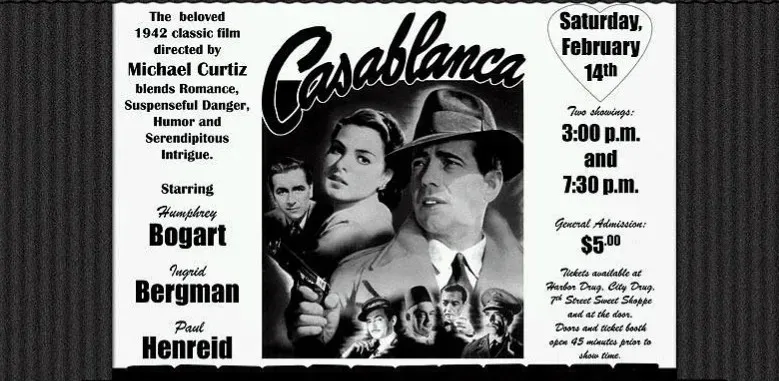
Casablanca’s reputation as the definitive Old Hollywood classic makes it easy to assume audiences and critics knew immediately they were watching something historic. Although Casablanca was an A-list film with established stars and first-rate writers, no one involved with its production expected it to be anything out of the ordinary, since it was just one of hundreds of pictures produced by Hollywood every year. The film was a solid if unspectacular success in its initial run.
Casablanca was the sixth-ranked box-office success of 1943, grossing $4,496,000. That’s a respectable showing, not a runaway phenomenon. Casablanca went on to win three Academy Awards, and gradually its reputation grew over the following decades into the towering classic status it holds today.
7. Marilyn Monroe was exactly the ditzy character she played
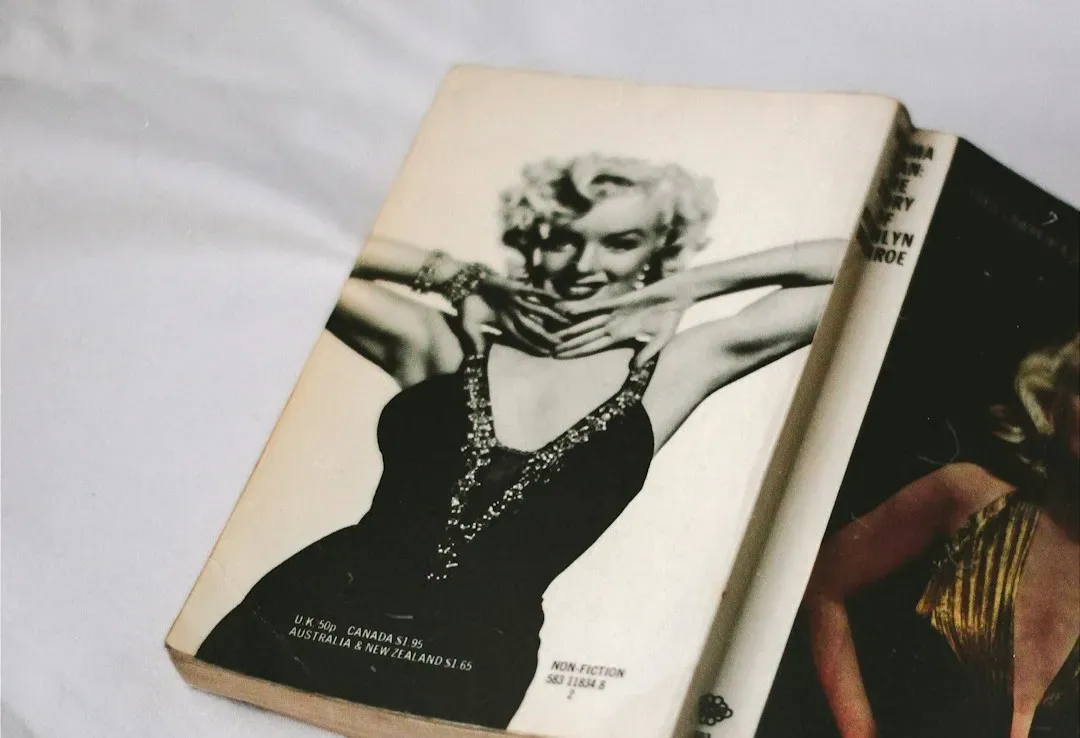
Few Old Hollywood misconceptions have proven as stubborn as the idea that Marilyn Monroe was simply a real life version of the breathless blonde she often portrayed on screen. Biographer research into her private collection tells a different story entirely. Her personal library contained 400 books across literature, philosophy, and psychology that reveal a brilliant mind.
She read the most demanding books of her era, including five volumes of Proust, Ulysses by James Joyce, Madame Bovary, and The Fall by Albert Camus. These aren’t casual beach reads chosen for show. The gap between her public persona and her private intellectual life reveals how much the “dumb blonde” image was a role, not a description of the woman playing it.
8. The casting couch was a rare, isolated problem

For decades, the exploitation baked into the studio system was treated as an unfortunate exception rather than a structural feature. Historical accounts and later testimony from performers across multiple decades describe a pattern that was systemic, tied directly to how much control studios and powerful producers held over who got cast and who got blacklisted. Young performers, often signed while still teenagers, had almost no real leverage to refuse.
This wasn’t confined to a handful of infamous figures either. The imbalance of power between studio executives and contracted talent, especially women, was built into the very structure of how careers were made or broken. Treating it as an isolated scandal rather than a systemic condition misses how deeply it was woven into the business itself.
9. Silent stars all vanished once sound arrived
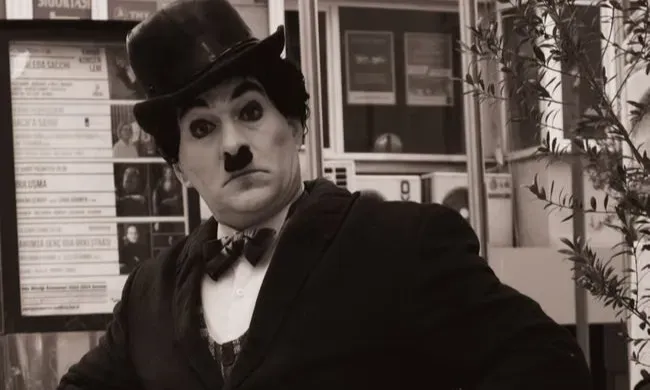
The coming of synchronized sound in the late 1920s is often remembered as an overnight extinction event for an entire generation of performers. Some careers genuinely did stall, particularly for actors whose voices didn’t match audience expectations or who struggled with the new technical demands of dialogue. Plenty of others adapted just fine, moving smoothly from title cards to talking pictures without missing a beat.
The transition was gradual rather than instantaneous, spanning several years as studios retrofitted theaters and retrained crews. Framing it as a single dramatic wipeout flattens a messier, slower shift that affected different performers in very different ways. Some silent era stars went on to have long, successful sound careers spanning decades.
Old Hollywood’s real history is stranger and more human than the polished version passed down through decades of nostalgia. The system was inventive, exploitative, occasionally brilliant, and often far less glamorous behind the scenes than the finished films suggested. Looking past the myths doesn’t make the era less fascinating. If anything, it makes the people who built it, on both sides of the camera, a lot more interesting than the legend allows.Partner offer
Planning a trip to Vegas?
Compare hotel rates and show tickets on VEGAS.com.