Spin-offs have a rough reputation, and for good reason. Most exist to milk a familiar name rather than tell a story that deserves its own screen time, and audiences usually notice the difference fast. Every so often, though, a spin-off does something rare. It steps out of a beloved original’s shadow, builds its own identity, and ends up mattering just as much, sometimes more, than the show it came from. The nine examples below span decades, genres, and formats, from prestige cable dramas to streaming phenomena to a sitcom that basically rewrote the rulebook for what a spin-off could be. What they share is a willingness to take the source material seriously instead of just recycling it.
1. Better Call Saul
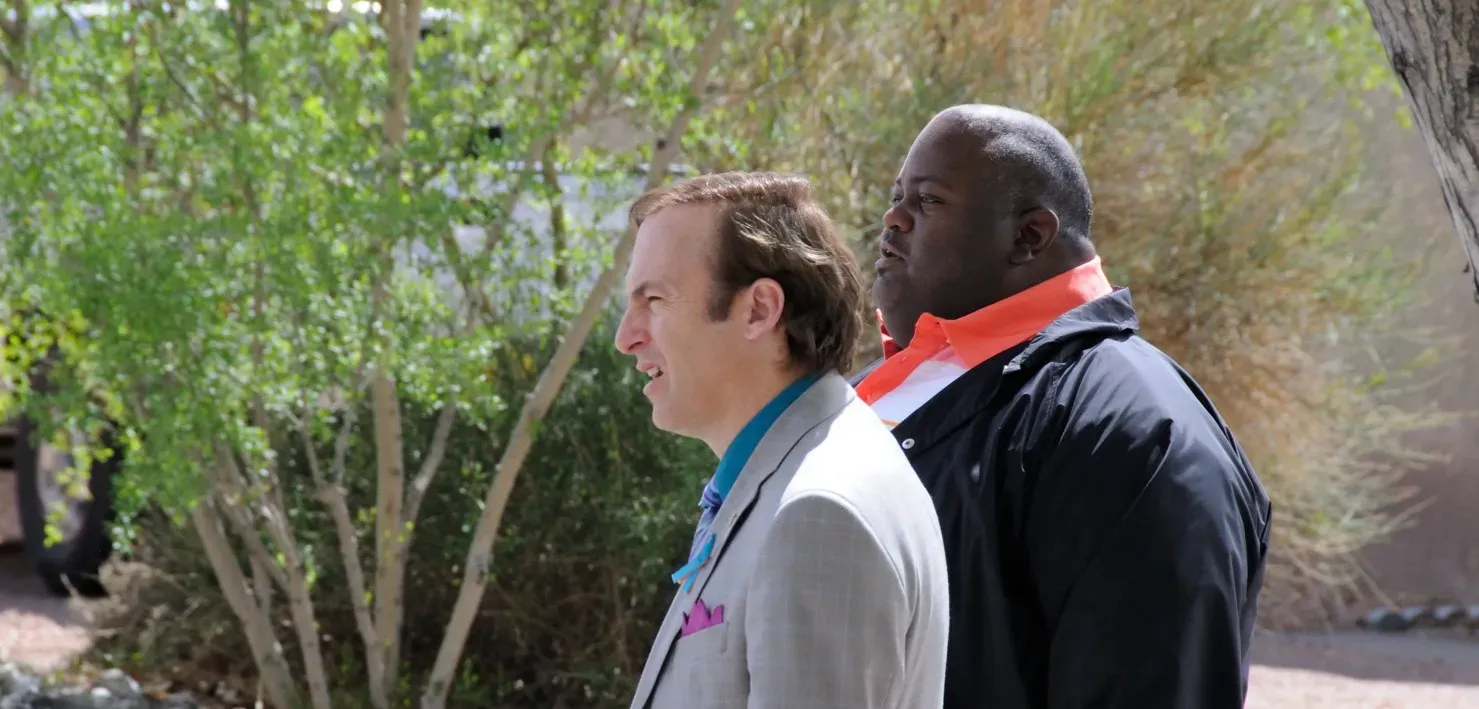
When AMC announced a Breaking Bad prequel centered on a sleazy strip-mall lawyer, skepticism was the reasonable reaction. Vince Gilligan and Peter Gould instead built a slower, more melancholy character study that traced Jimmy McGill’s transformation into Saul Goodman with patience most spin-offs never attempt. The show leaned into legal drama and quiet tragedy rather than chasing the shootouts and chemistry of its predecessor.
By its final seasons, critics were routinely calling it as strong as, or better than, Breaking Bad itself, a claim almost nobody expected in 2015. Bob Odenkirk’s performance carried the show from comic relief to genuine tragedy, and Rhea Seehorn’s Kim Wexler became one of the most talked-about characters of the decade. It remains a rare case where the spin-off arguably surpassed the original in critical esteem.
2. Frasier (1993)
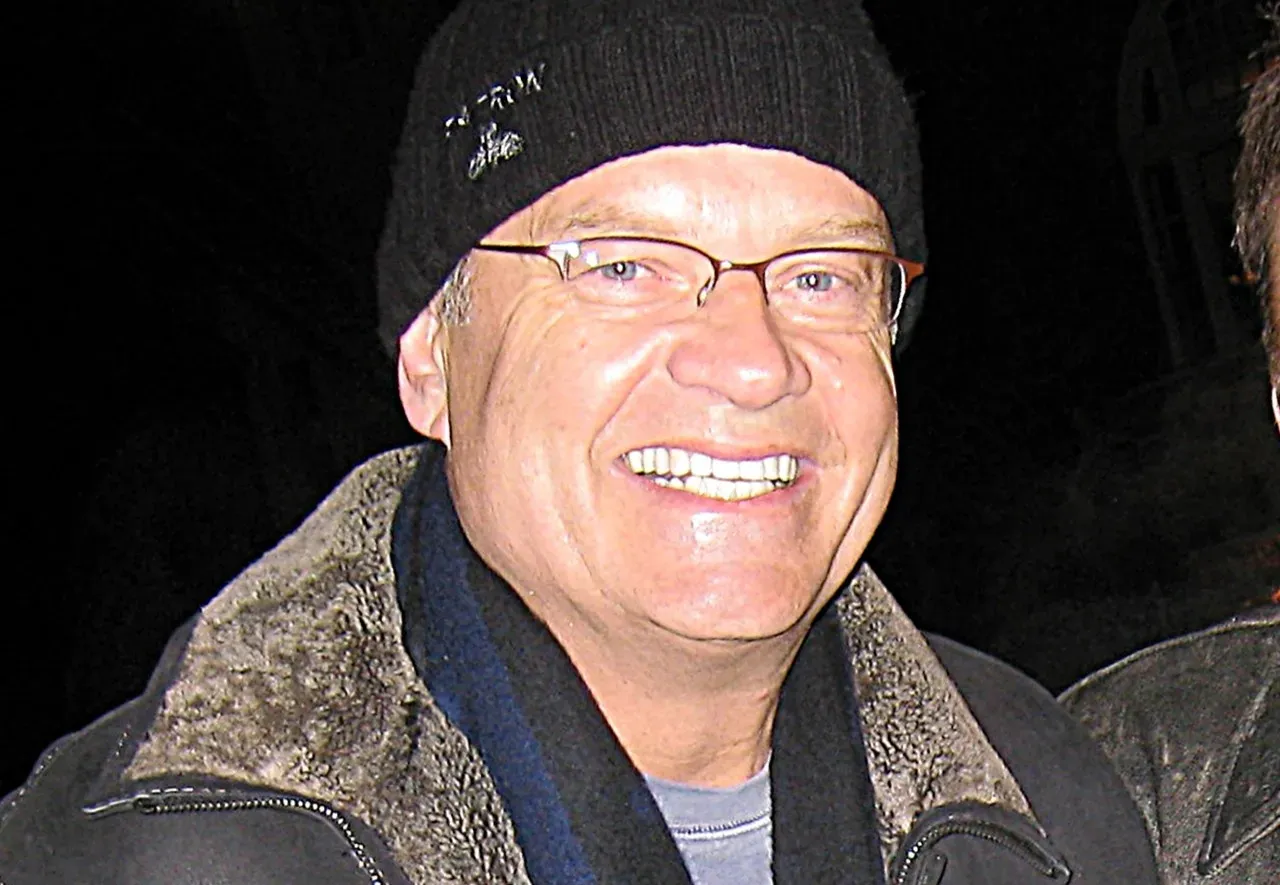
Spinning a character off from an ensemble sitcom is risky, since so much of what depended on the group dynamic. Cheers regular Frasier Crane moving to Seattle for his own show could have flopped quietly. Instead, Frasier ran for eleven seasons and became one of the most decorated sitcoms in television history.
The show found its own rhythm through the prickly relationship between Frasier, his blue-collar father, and his equally pretentious brother Niles, trading bar-room camaraderie for farce and wit rooted in class and family tension. It won a record number of consecutive Outstanding Comedy Series Emmys at the time, a feat that cemented its reputation as more than just a Cheers footnote. Decades later, it’s remembered as its own achievement rather than an extension of someone else’s show.
3. The Colbert Report
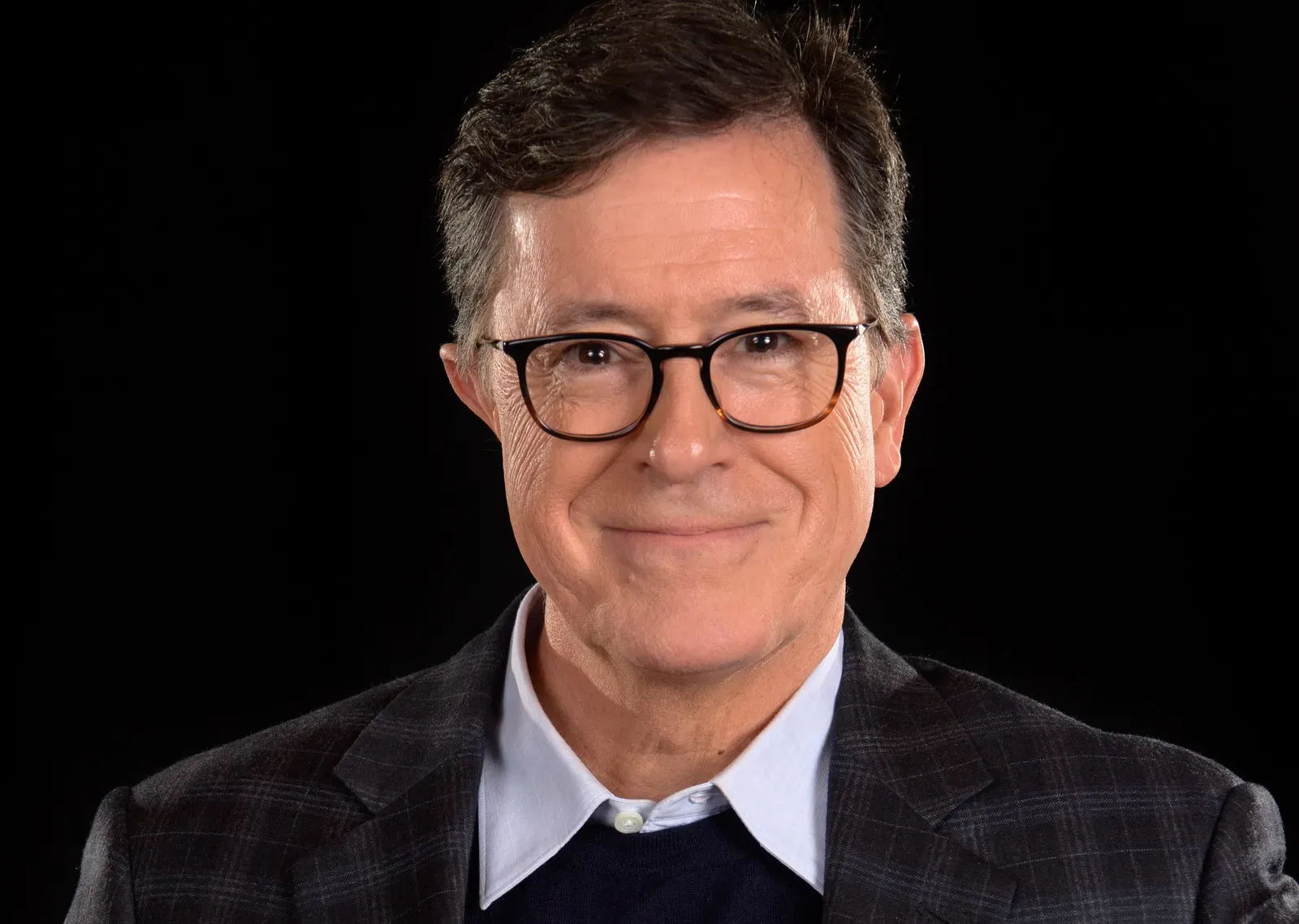
Stephen Colbert’s blustery conservative pundit character had already appeared on The Daily Show for years by the time Comedy Central gave him his own program in 2005. Sustaining a single satirical persona for a full nightly show, rather than a recurring segment, was a genuine gamble. Few thought the bit could carry nine seasons without wearing thin.
It didn’t wear thin. The Colbert Report developed its own vocabulary, most famously the word “truthiness,” and became a fixture of American political comedy through two presidential administrations. Colbert eventually left the character behind to take over CBS’s Late Show, but the spin-off’s influence on political satire outlasted the format itself.
4. Daria

MTV’s Beavis and Butt-Head was crude, juvenile, and built around two characters with almost no interiority. Daria Morgendorffer, a minor recurring character on that show, got her own series in 1997 built on exactly the opposite qualities: dry sarcasm, sharp social observation, and a genuine emotional core beneath the deadpan delivery.
The shift in tone could easily have alienated the original audience, but Daria found its own fanbase instead, particularly among viewers who wanted something smarter than its parent show offered. It ran for five seasons and became something of a cult touchstone for teenage outsiders in the late nineties, a legacy that has aged notably better than the show it spun off from.
5. Xena: Warrior Princess

Xena started as a supporting antagonist on Hercules: The Legendary Journeys, a fairly straightforward syndicated adventure show. Nobody involved seemed to expect the character to need her own series, let alone one that would outlast and overshadow the show that introduced her. Once Xena launched in 1995, it quickly became clear the character had more depth than her original role suggested.
The series built a devoted following through its mix of mythology, action, and a central relationship between Xena and Gabrielle that resonated strongly with audiences, particularly LGBTQ viewers who saw subtext rarely acknowledged elsewhere on television at the time. It ran six seasons and remains far more culturally remembered today than Hercules ever was.
Partner offer
6. Wednesday
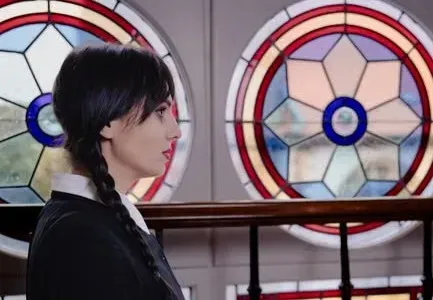
Technically an adaptation of the broader Addams Family property rather than a direct spin-off of one specific show, Wednesday nonetheless functions as a spin-off in the truest sense, pulling a secondary character out of an ensemble and building an entire world around her. When Netflix released the Tim Burton-produced series in November 2022, few predicted it would become one of the platform’s biggest hits ever. Wednesday Season 1 smashed Netflix TV records in 2022, becoming the most-watched English-language series.
The momentum held. Season 1 drew in 50.1 million viewers and remains Netflix’s No. 1 most popular English-language TV title ever, and Wednesday Season 2 is the second-most-watched English-language show on Netflix. Jenna Ortega’s deadpan performance turned a minor Addams Family sibling into a genuine pop culture icon, and the show has already been renewed for a third season.
7. House of the Dragon
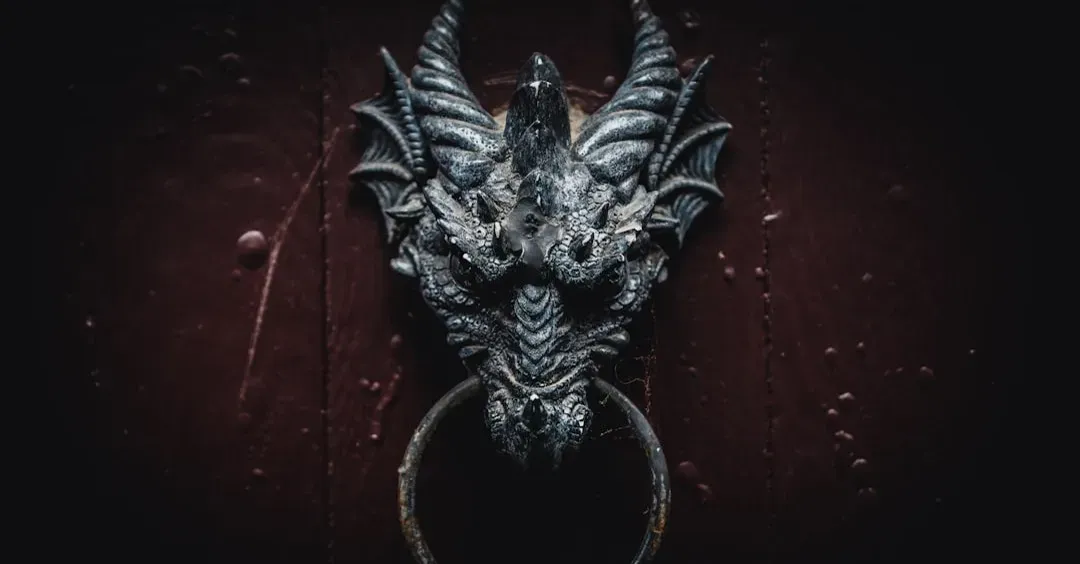
Game of Thrones ended its run in 2019 amid widespread fan disappointment, which made any prequel a hard sell before a single frame was shot. House of the Dragon, set two centuries earlier and focused on the Targaryen civil war known as the Dance of the Dragons, arrived in 2022 with plenty of built-in skepticism attached. That skepticism didn’t last long.
The show enjoyed the biggest premiere audience ever for an original series for both HBO and HBO Max, and the first season averaged 29 million viewers an episode over linear and streaming. HBO renewed it for a third season even before season two premiered, calling it “hardly a surprise, considering the show’s overwhelming success.” A fourth season is already locked in for 2028, making it one of the rare franchise extensions that reversed a fanbase’s fatigue rather than deepening it.
8. A Different World

The Cosby Show was the dominant sitcom of the 1980s, and spinning off a supporting character, Denise Huxtable, into a college-set series in 1987 seemed like a modest, low-risk move rather than a bold creative swing. The first season struggled to find its footing and its own voice. Then producer Debbie Allen took over and reshaped the show into something far more distinctive.
A Different World became one of the first mainstream series to center Black college life, tackling issues like campus activism, HIV awareness, and colorism with a directness rare for network television at the time. It ran six seasons and is widely credited with boosting real-world enrollment at historically Black colleges and universities. What began as a minor spin-off ended up as a genuinely influential piece of television.
9. The Penguin
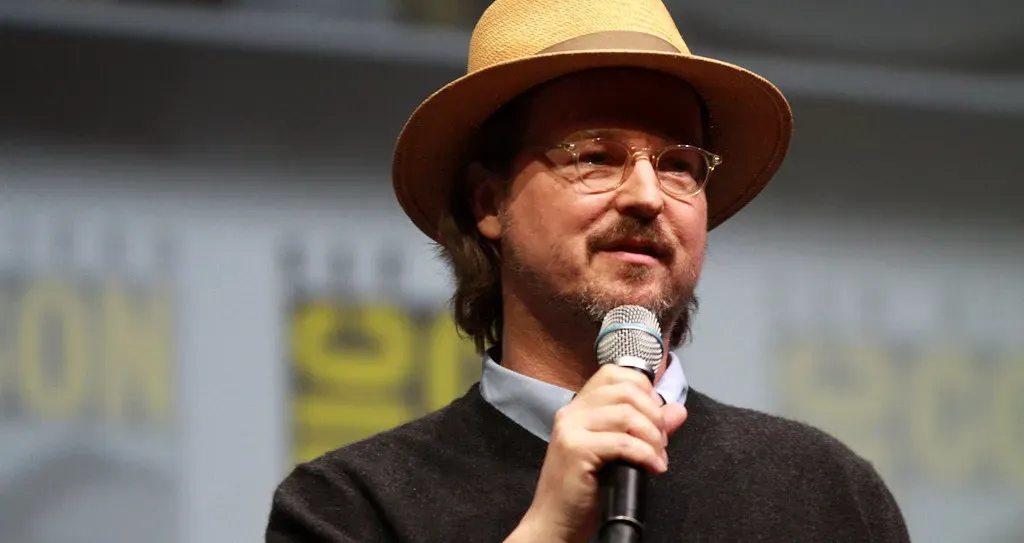
Matt Reeves’ 2022 film The Batman was well-received but hardly the kind of blockbuster that guarantees a spin-off audience on its own. HBO’s decision to build a limited series around Colin Farrell’s disfigured mob boss Oswald Cobblepot, rather than a more obvious hero-centered story, looked like a niche bet. The results said otherwise.
Its premiere episode ultimately reached nearly 17 million viewers in the U.S. across all platforms, while the gripping finale drew 2.1 million viewers for its initial broadcast alone, marking a 50% increase from its debut. The show also earned strong critical notices, and Lauren LaFranc’s “Batman” spinoff beat “Ripley” for Best Limited Series at the WGA Awards. Cristin Milioti’s performance as Sofia Falcone later earned her a Primetime Emmy, further cementing the show’s standing as one of the more unexpectedly acclaimed comic book adaptations in recent memory. Taken together, these nine shows share a common thread despite their wildly different genres and eras. None of them coasted on name recognition alone. Each one found a distinct tone, took real creative risks with characters that could have stayed minor footnotes, and earned an audience on its own terms rather than borrowing one wholesale from the original. That’s a harder trick than it sounds, which is exactly why so few spin-offs manage it. The ones that do tend to get remembered less as extensions of something else and more as their own achievements, standing comfortably on their own merits long after the shows that spawned them have faded from conversation.
Partner offer
Planning a trip to Vegas?
Compare hotel rates and show tickets on VEGAS.com.