Every so often, a background player or one-episode guest star does something so unexpected that writers scrap their original plan and build around them instead. Sometimes it’s a strange voice, sometimes it’s pure comic timing, and sometimes nobody can quite explain why an audience latched on so hard. What follows are ten cases where a single scripted appearance turned into years, and in a few cases decades, of screen time.
Steve Urkel, Family Matters

Jaleel White was cast to play a nerdy neighbor kid for exactly one episode of the ABC sitcom, nothing more. According to longtime show trivia, Steve Urkel was , but the audience’s response was so overwhelmingly positive that the producers decided to make him a regular character. The role had been written as a minor speed bump in Laura Winslow’s dating life, not a franchise unto itself.
Instead, the character reshaped the entire show. While initially intended to be a minor character, Urkel became very popular with audiences for his oddball antics, and became a recurring character. By the second season he had joined the main cast, and by the time Family Matters ended he was arguably more famous than anyone else in the Winslow household.
Newman, Seinfeld
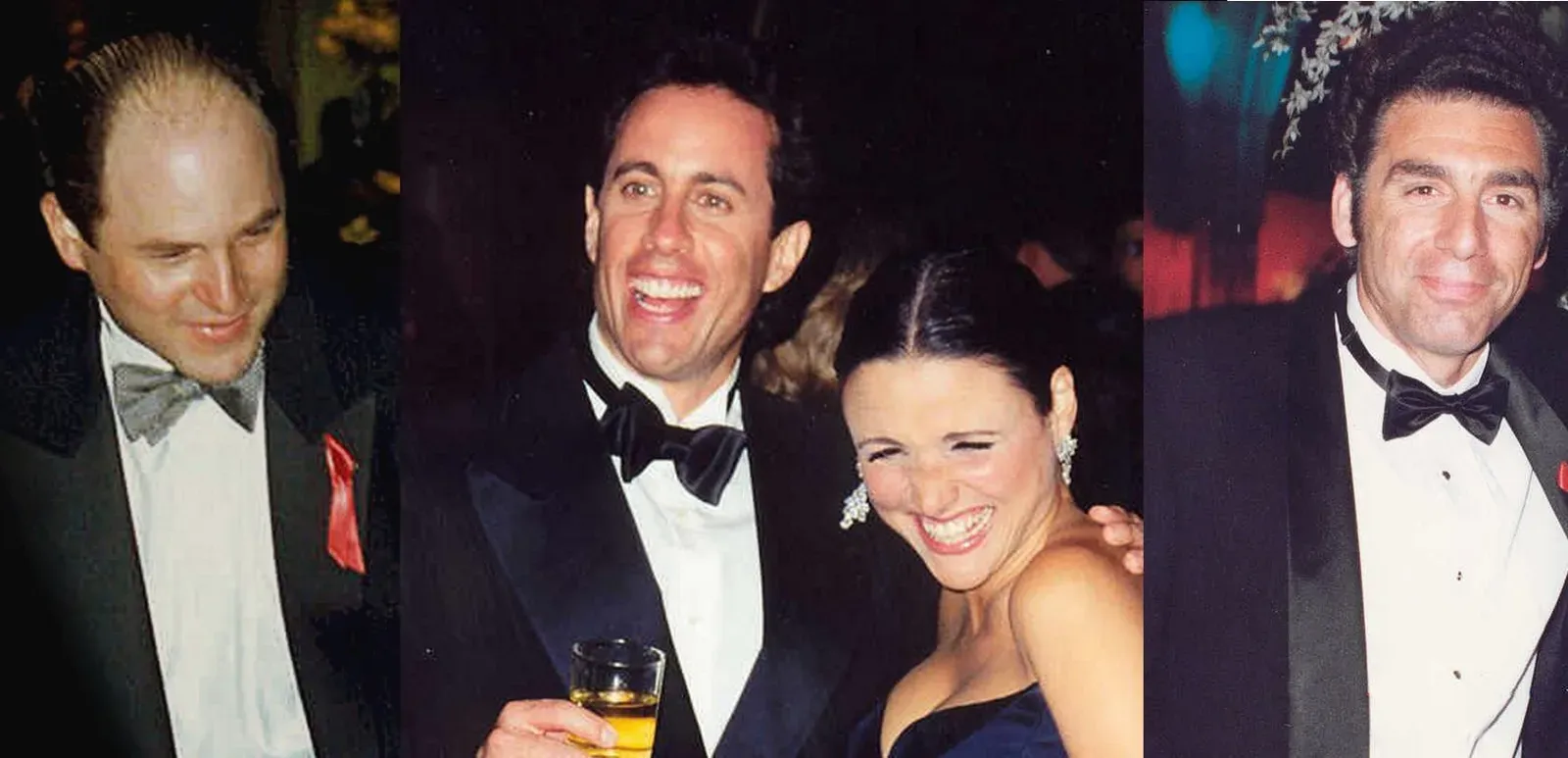
Wayne Knight’s mail carrier was drawn up as a plot device, not a fixture. The original concept had him threatening to expose Jerry’s flirtation with a woman whose boyfriend was in a coma, and nothing beyond that single storyline. As one retrospective on the show put it, Newman was originally supposed to appear in just one “Seinfeld” episode. The plot revolved around Jerry’s interest in a woman whose boyfriend happens to be in a coma. Witnessing Jerry hitting on this woman, Kramer’s friend, Newman, vowed to snitch when the boyfriend woke up.
Knight’s chemistry with Michael Richards changed everything. Newman ended up as a recurring character in the television show Seinfeld, portrayed by Wayne Knight from 1992 until the show’s finale in 1998. Jerry’s exasperated greeting toward him became one of the most quoted lines in sitcom history, all from a character who was never meant to have a second scene.
Sideshow Bob, The Simpsons
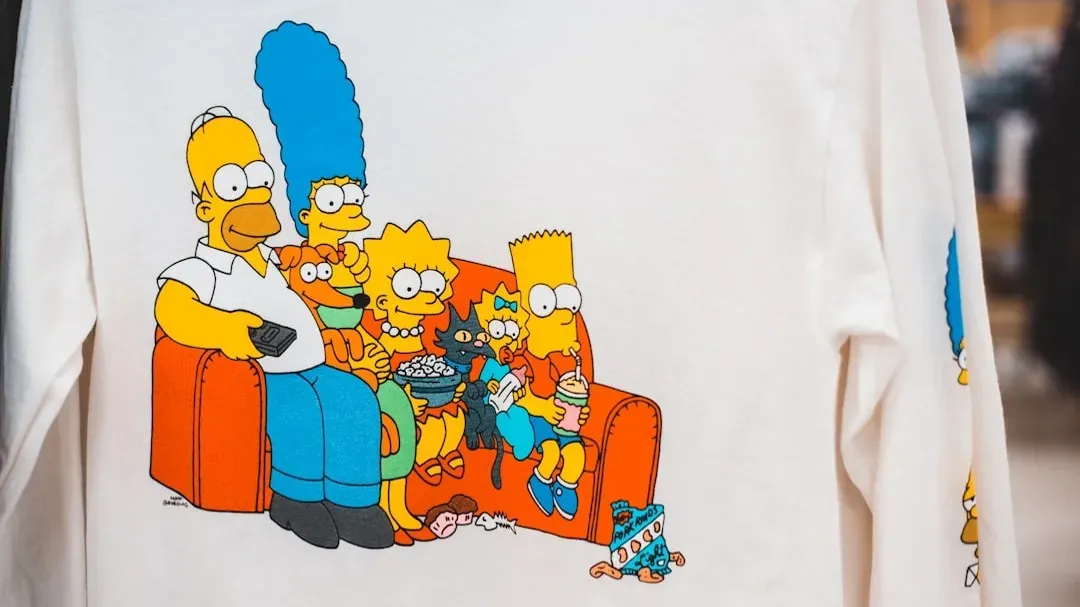
Kelsey Grammer stopped by the Fox animated series for a single episode in its first season, voicing a smooth talking sidekick who frames his boss for armed robbery. The episode, “Krusty Gets Busted,” was written as a self contained mystery. The show’s own production notes confirm that Kelsey Grammer makes his first guest appearance on the show as the voice of Sideshow Bob, who becomes a recurring character in the series.
Fans and writers alike couldn’t let him go. Bob returned the following season with an even bigger plan for revenge, and from there he became one of Springfield’s most durable villains, showing up across more than a dozen episodes over three decades. It’s a rare case where a one shot cartoon antagonist earned enough goodwill to headline entire holiday themed storylines years later.
Frasier Crane, Cheers
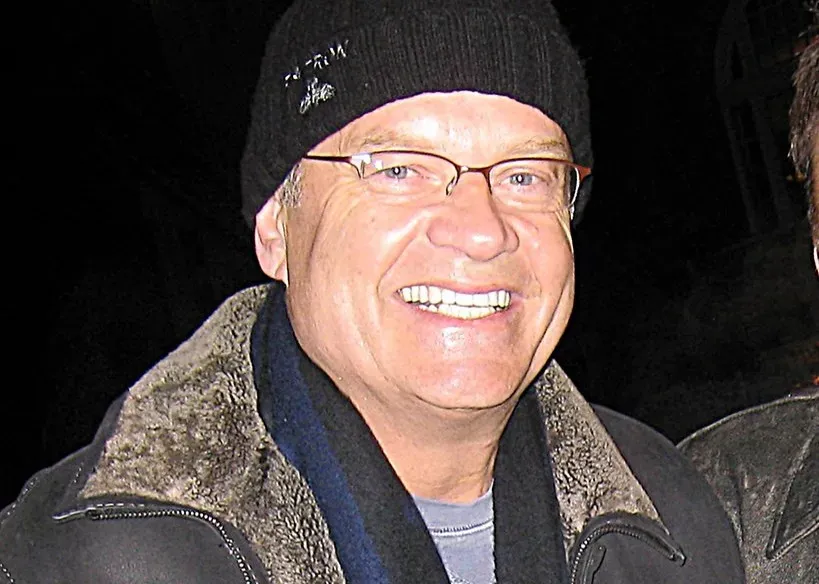
When Diane Chambers needed a rebound boyfriend during season three of Cheers, the writers reached for a psychiatrist character who was expected to vanish after a handful of episodes. Per the character’s own production history, the character debuted in the Cheers third season premiere, “Rebound (Part 1)” (1984), as Diane Chambers’s love interest, part of the Sam and Diane story arc. Intended to appear for only a few episodes, Grammer’s performance in the role was praised by producers, prompting them to expand his role and increase his prominence.
Frasier ended up staying at the bar for years, eventually marrying fellow psychiatrist Lilith Sternin. When Cheers wrapped in 1993, the character was popular enough to anchor his own spinoff, which ran for eleven more seasons in Seattle. Few one episode rebound boyfriends have ever had that kind of afterlife.
Reverend Jim Ignatowski, Taxi

Christopher Lloyd wasn’t interested in sitcom work when his agents pushed him toward a guest spot on Taxi, and the part he took was written as a one and done gag. As one profile of Lloyd’s career explains, Lloyd caved to his agents’ pressure and auditioned for the guest role of Reverend Jim Ignatowski, a character initially meant to appear only in the “Paper Marriage” episode of Taxi’s first season, when he performs Latka’s green card wedding.
The response to his spaced out sixties burnout routine was immediate. Lloyd came back the next season for another appearance, and the momentum from that episode carried him straight into the main cast, since he became a regular on the show by episode 10. He stayed for the rest of the series and picked up two Emmy Awards along the way.
Lenny and Squiggy, Laverne & Shirley
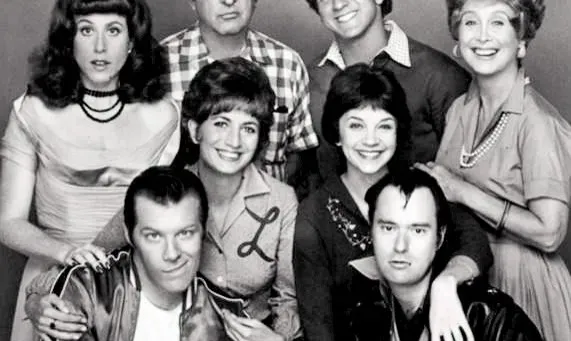
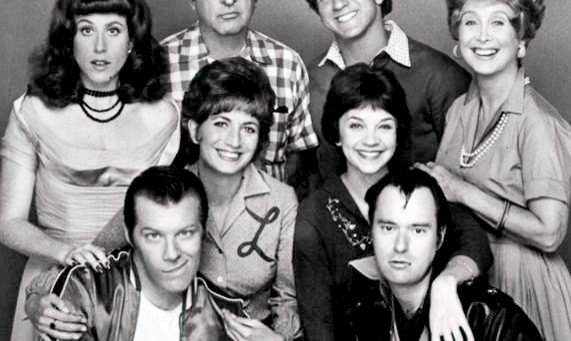
David Lander and Michael McKean were brought in to play a pair of greasy neighborhood mechanics for what was meant to be a brief scene poking fun at the show’s two lead roommates. The bit landed so well with the studio audience that producers immediately started writing more material around the duo. What started as a throwaway sight gag turned into a defining piece of the show’s identity.
Lenny and Squiggy went on to appear across the entire run of Laverne & Shirley, often stealing scenes with little more than a knock on the apartment door and a shared catchphrase. Their popularity even led to talk of a spinoff, though it never made it past the planning stage. It remains one of the clearer examples of an audience simply refusing to let a minor bit part disappear.
Larry, Darryl, and Darryl, Newhart

The trio of silent, flannel wearing brothers who showed up at Dick Loudon’s Vermont inn were written for a single scene as a quick visual joke, with only Larry given a line of dialogue and the two Darryls never speaking at all. The gag worked so well on tape night that the writers brought the brothers back almost immediately. Their deadpan introduction line became one of the most recognizable running bits of eighties television.
From that point on, the trio appeared regularly throughout the series, always announced the same way and always saying almost nothing else. It’s an unusual entry on this list because the joke depended entirely on the characters staying underdeveloped, yet audiences still wanted more of them. Few sitcoms have gotten so much mileage out of so little dialogue.
J. Peterman, Seinfeld
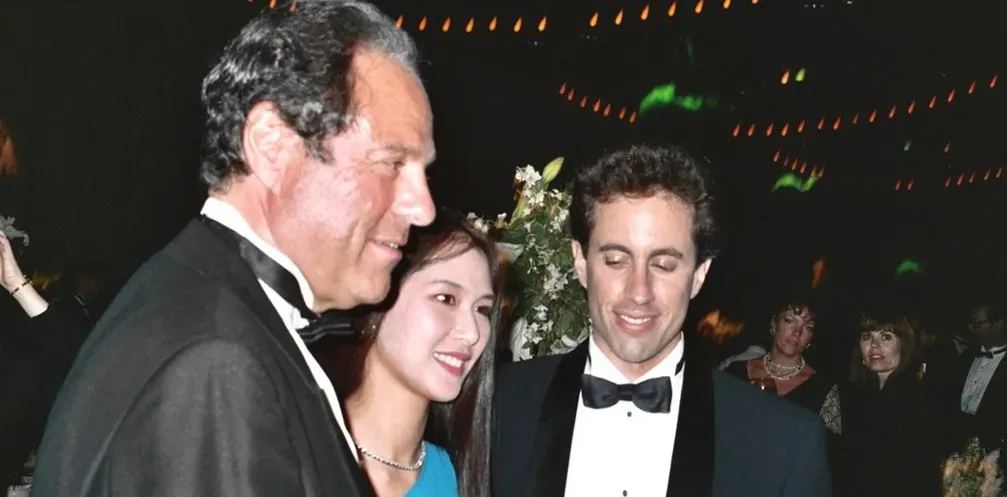
John O’Hurley arrived on Seinfeld to voice a wealthy, overly dramatic catalog mogul in what was pitched as a short guest arc tied to Elaine’s job search. The character’s theatrical narration style, delivered as if every sentence belonged in an adventure novel, was meant to provide a few laughs and then exit. Instead, the writers kept finding reasons to bring him back.
By the show’s later seasons, Peterman had become Elaine’s full time boss and a semi regular presence at the Peterman Reality Bus catalog company storyline. O’Hurley leaned so far into the character’s absurd formality that it became one of the show’s most quoted vocal styles. What began as a favor to a guest actor turned into one of the more memorable supporting jobs of the entire series.
Saul Goodman, Breaking Bad
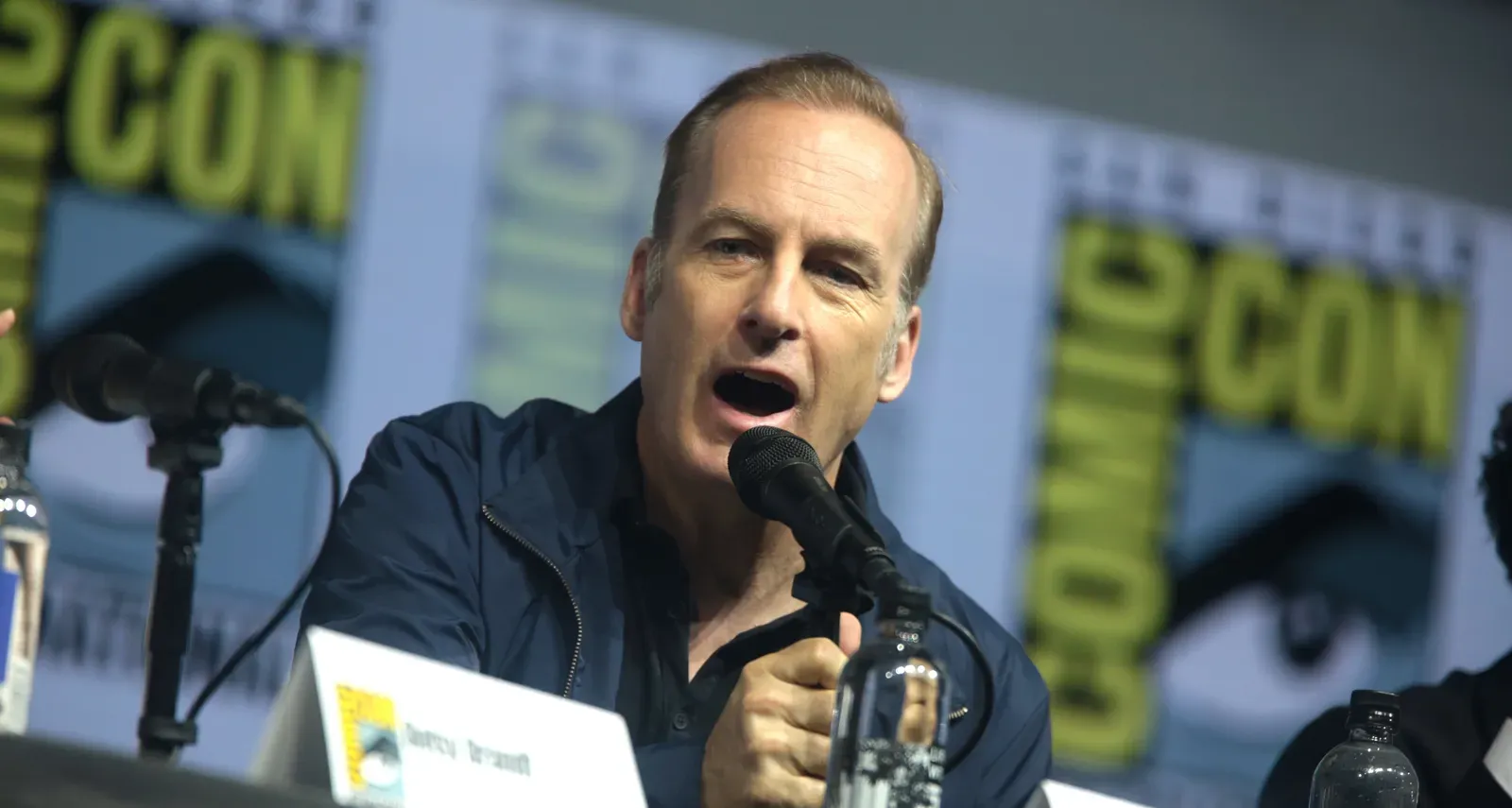
Bob Odenkirk was cast as a fast talking, ethically flexible lawyer for what creator Vince Gilligan originally planned as a short arc of just a few episodes in the show’s second season. Saul was meant to solve one specific problem for Walter White and Jesse Pinkman and then step aside. His comic energy against the show’s grim tone made him impossible to write out.
Saul Goodman ended up appearing across the remainder of Breaking Bad’s run and eventually anchored his own prequel series, Better Call Saul, which concluded its own acclaimed run in 2022 and remains one of the most respected spinoffs in television history. What started as a temporary plot fix for two characters in over their heads turned into one of prestige television’s most fully realized figures.
Robin Buckley, Stranger Things
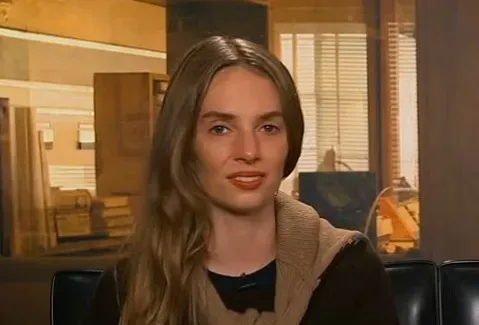
Maya Hawke joined Stranger Things in its third season to play a sardonic ice cream shop coworker who was expected to appear in a limited stretch of episodes opposite Joe Keery’s Steve Harrington. The role was written as a supporting piece for one summer storyline, largely there to give Steve a new dynamic after his old friend group scattered. Hawke’s chemistry with Keery changed the calculation almost immediately.
Robin was kept on as a series regular for the remaining seasons, becoming one of the show’s more grounded and quietly funny presences as the story grew increasingly dark and mythology heavy. Her arc expanded well beyond the ice cream counter, eventually tying into the show’s central conflict. It’s a reminder that even in a series built around eighties nostalgia and supernatural stakes, a strong pairing between two actors can rewrite the plan.
There’s a common thread running through all ten of these stories. None of these characters were auditioned with long term plans in mind, and none of the writers involved expected to be building a bigger arc around a single guest appearance. What changed things was almost always the same thing: a performance that clicked with an audience in a way nobody on the production side had fully anticipated, leaving the writers with little choice but to figure out where these characters could go next.