
There’s a strange comfort in pulling a book off the shelf that you’ve already read cover to cover. You know how it ends. You know who survives, who doesn’t, which plot twist lands and which falls flat. Rationally, it makes no sense to go back. Yet millions of readers do it, quietly and repeatedly, often without stopping to ask themselves why.
The reasons turn out to be far more interesting than simple nostalgia. Psychology, neuroscience, and literary scholarship have all taken a closer look at this habit, and what they’ve found says less about the books and more about us. Here are nine genuinely compelling reasons we return to stories whose final pages hold no surprises.
1. The Brain Relaxes When It Knows What’s Coming

When you already know the ending, your brain is free to focus on something else. Instead of asking “What happens next?” you start asking “What does this mean for me now?” That shift is quietly powerful. It’s the difference between watching a road and driving it. On a familiar route, you notice things you never caught at speed.
There’s a simple joy in knowing what will happen next, and our brains respond to that predictability with a sense of safety and ease. This goes beyond simple pleasure; it also provides emotional relief. Life is often unpredictable and hectic, but falling into a familiar story allows our minds to relax, even if only temporarily. That ease isn’t laziness. It’s the nervous system doing something it rarely gets to do: rest.
2. Familiar Stories Work as Emotional Regulation

Rereading serves as a tool for emotional regulation. People usually turn to comfort reads during bouts of anxiety, sadness, or overwhelm. Familiar stories can soothe the mind much like a trusted friend might, offering reassurance and calm. Knowing that a character will triumph in the end allows us to navigate our own emotions more gently.
Rereading can be a form of self-care, especially for those who struggle with anxiety. The predictability of a familiar story can soothe anxious thoughts by providing a comforting escape. Knowing the outcome allows you to relax and enjoy the journey without the uncertainty that comes with new material. In a world that feels increasingly unstable, that’s not a trivial thing to offer.
3. You’re Measuring How Much You’ve Changed

Rereading becomes a way to check a personal ledger. We ask: how have I changed? Which lines still sting? Which no longer matter? The answers arrive in sentences we thought we already owned. The book itself hasn’t moved. Only you have.
Books don’t change. Readers do. Time adds experience, loss, joy, and a different vocabulary for feelings. A passage that once read as romance may later read as calculation. A comic aside can reveal a writer’s cruelty. The book reveals new contours because we bring new maps to it. It’s one of the more honest mirrors a person can hold up to themselves.
4. You Finally Notice What You Missed the First Time

Familiar stories ask less of our attention. We don’t need to track every twist. That frees mental space for detail, tone, and memory. A line that once skimmed past now lands. A side character becomes meaningful. Readers trade surprise for clarity. The book becomes a lens rather than a puzzle.
Rereading has also been shown to have cognitive benefits. With the pressure of navigating an unfamiliar plot removed, readers can notice details they missed the first time around; they can appreciate thematic nuances and witness a character’s arc with fresh insight. Rereaders often catch themselves saying things like “I never noticed that line before” or “I just realized why that character did that.” The brain loves patterns, hints, and callbacks that most people miss when they speed through a story once.
5. The Mental Imagery Is Never Quite the Same Twice
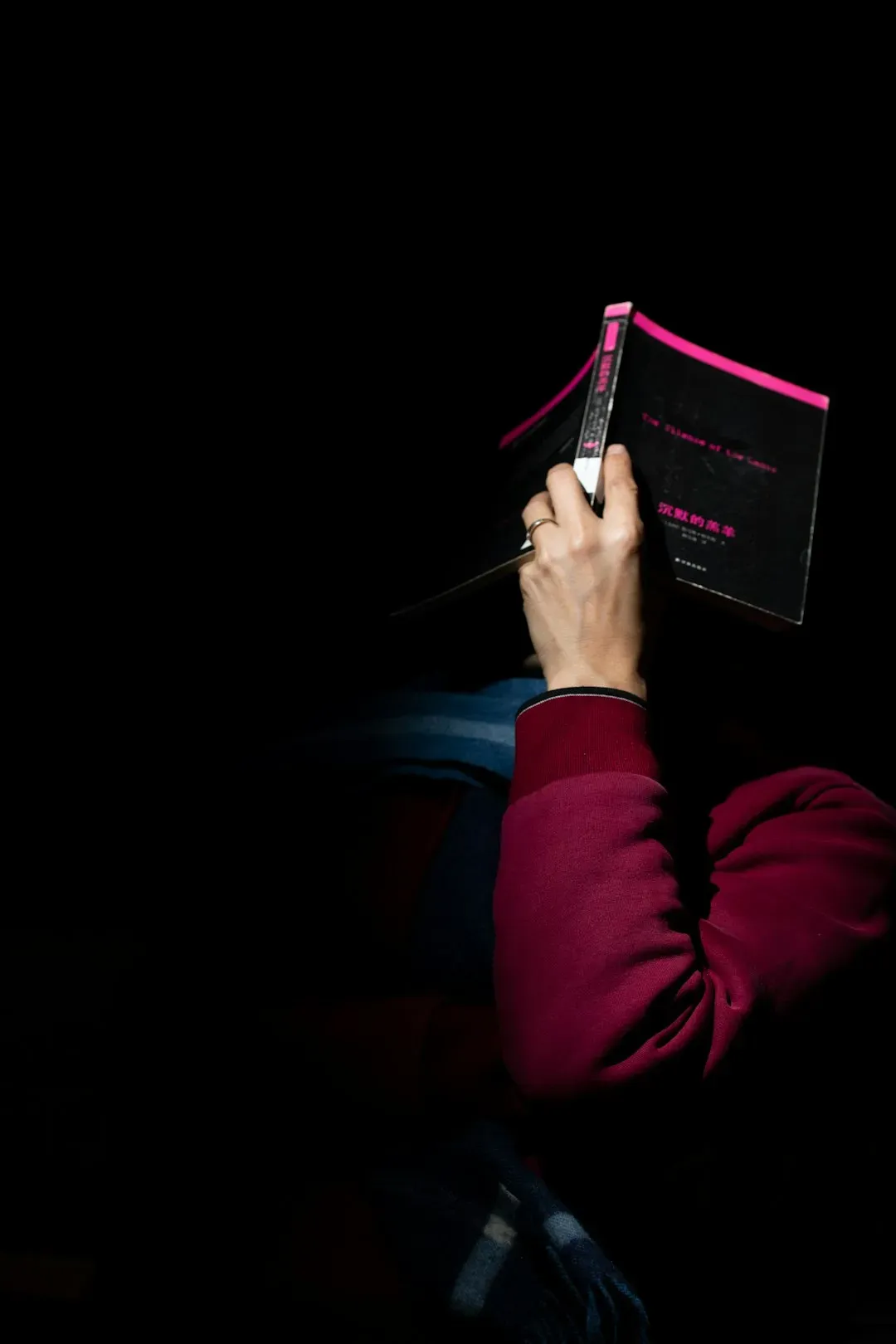
Given the intricate workings of mental imagery while we read, we never have the same experience while reading the same book. The book is the same, but as our mental imagery is different, our reading experience will also be different. As a result, rereading a book can be a completely new experience. This is one of the more counterintuitive findings from cognitive psychology, and it helps explain why rereading never quite feels like repetition.
When reading books, we imagine the scenes like a movie in our heads. Some readers reread books because of their imagination, visualising scenes differently each time. The movie in our head is never the same, maybe because our imagination has changed, or because we know more about the story, characters, or world in a reread. The words are fixed. The pictures they generate are not.
6. Characters Feel Like People We Actually Know

When you reread a book, you deepen your bond with the characters. You know their strengths, flaws, and journey, which allows you to appreciate their growth on a more intimate level. This strengthened connection can lead to a more immersive and emotionally rewarding experience. Our brains are wired to form emotional attachments to fictional characters, much like we do with real people.
You remember their flaws, their choices, their struggles. When you reread, it can feel like catching up with old friends you haven’t seen in a while. These bonds show how strongly imagination and empathy work together. Your brain treats fictional people as emotionally real, even when you know they are not. That kind of emotional attachment to characters often goes hand in hand with high empathy in real-world relationships.
7. Rereading Anchors Us During Uncertain Times

Psychologists studying nostalgia find that these returns are stabilising. People who revisit old media report higher mood and greater sense of meaning. A novel functions like an emotional anchor. It links present stress with past security, knitting them together so the present feels lighter. That’s a measurable psychological effect, not just a sentimental one.
During the first months of the pandemic, sales of old children’s classics spiked. Adults reached for books they had read decades earlier. The market showed what psychology already knew: in crisis, we reach for predictability. We return to stories that remind us of safety. Research confirms that returning to previously read books offers familiarity, reliability, and nostalgia, providing a genuine coping mechanism.
8. It Deepens Comprehension in Ways a Single Read Cannot

The phenomenon of improved reading performance is referred to as the “rereading effect” or “rereading benefit,” which has received considerable attention in many studies. The rereading effect can be explained by the idea that the first reading creates a mental representation in the reader’s mind, and rereading activates this representation to facilitate easier and deeper understanding. One pass at a complex book is rarely enough to absorb everything it has to offer.
Readers gain a fuller understanding of the concepts and ideas presented in the book. As one expert notes, the main benefit of reading a good book again, particularly many years later, is that your added experience of life enables you to understand what the author had in mind much more clearly. Academics most often discuss the benefit of rereading as a way to gain better understanding of complex texts and of the self. Teachers of early reading-age children agree with foreign language teachers that rereading improves comprehension beyond basic words, to understanding what is happening, to appreciating details, and finally to taking analytic steps.
9. It Helps Build and Reinforce a Reading Identity

In the long run, the habit of rereading can support your sense of identity. The stories you return to again and again often match your deepest values and hopes. When you reread them, you remind yourself of who you are and who you want to be. That’s a subtle but real function that new books simply can’t fulfil in the same way.
Rereading acts like meditation for the intellect. It turns your reading practice from a race into a ritual. It teaches you to pay attention. It builds the muscles that make everything else in life, including relationships, leadership, and creativity, a little bit steadier. Building an identity as a reader matters. People read more when they have freedom to read what they want. They build that identity by choosing what they read, no matter if it’s the first time or the fiftieth.
The question of why we return to books we already know is, in the end, a question about what reading is actually for. If it were purely about information delivery, one read would always be enough. The fact that it isn’t suggests something more human is happening in those pages. Not suspense. Something quieter and more durable than that.