Ever wonder if your favorite author might actually be someone else entirely? It’s more common than you might think. Writers have been hiding behind for centuries, and the reasons are as fascinating as the stories they create. Some wanted to escape prejudice, others sought creative freedom, and a few just needed to publish more books than the market would allow under one name. Let’s be real, the world of pseudonyms is way more intriguing than it first appears.
Mark Twain: The Riverboat Legend Behind Samuel Clemens
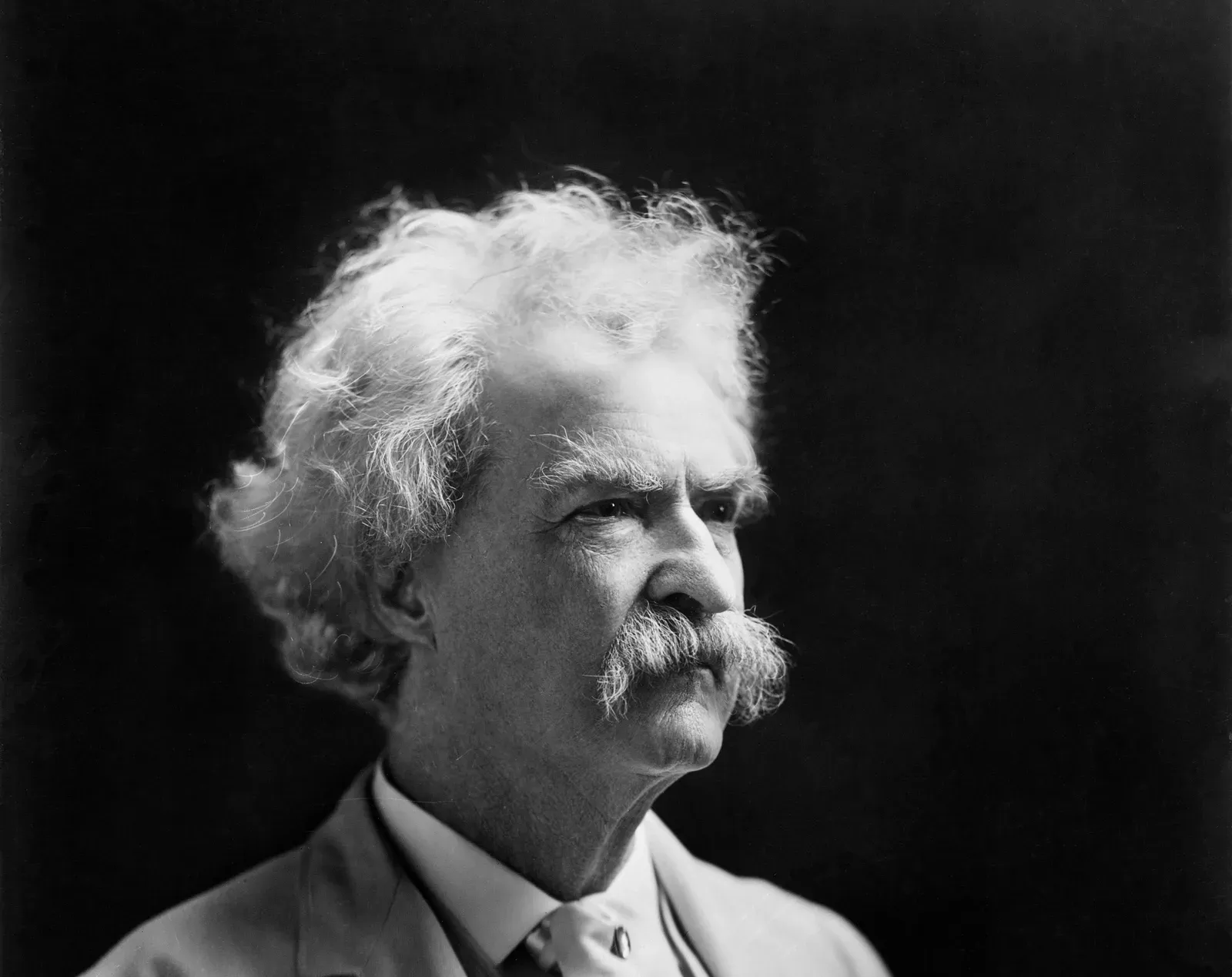
Mark Twain is actually the pen name of Samuel Clemens, and the phrase “mark twain” is a nautical term for water that’s two fathoms deep – essentially signaling safe passage for riverboats. This name came from his experience as a riverboat pilot on the Mississippi. Honestly, it’s hard to say for sure where exactly the name originated, but the riverboat explanation is what stuck.
Clemens became an American humorist, journalist, lecturer, and novelist who gained international fame for his travel narratives and adventure stories of boyhood, especially The Adventures of Tom Sawyer and Adventures of Huckleberry Finn. The man transformed from a typesetter’s apprentice into one of America’s literary giants. Some people argue his pen name also came from bar tabs at saloons, though that story’s a bit murkier.
George Orwell: Eric Blair’s Escape from Embarrassment
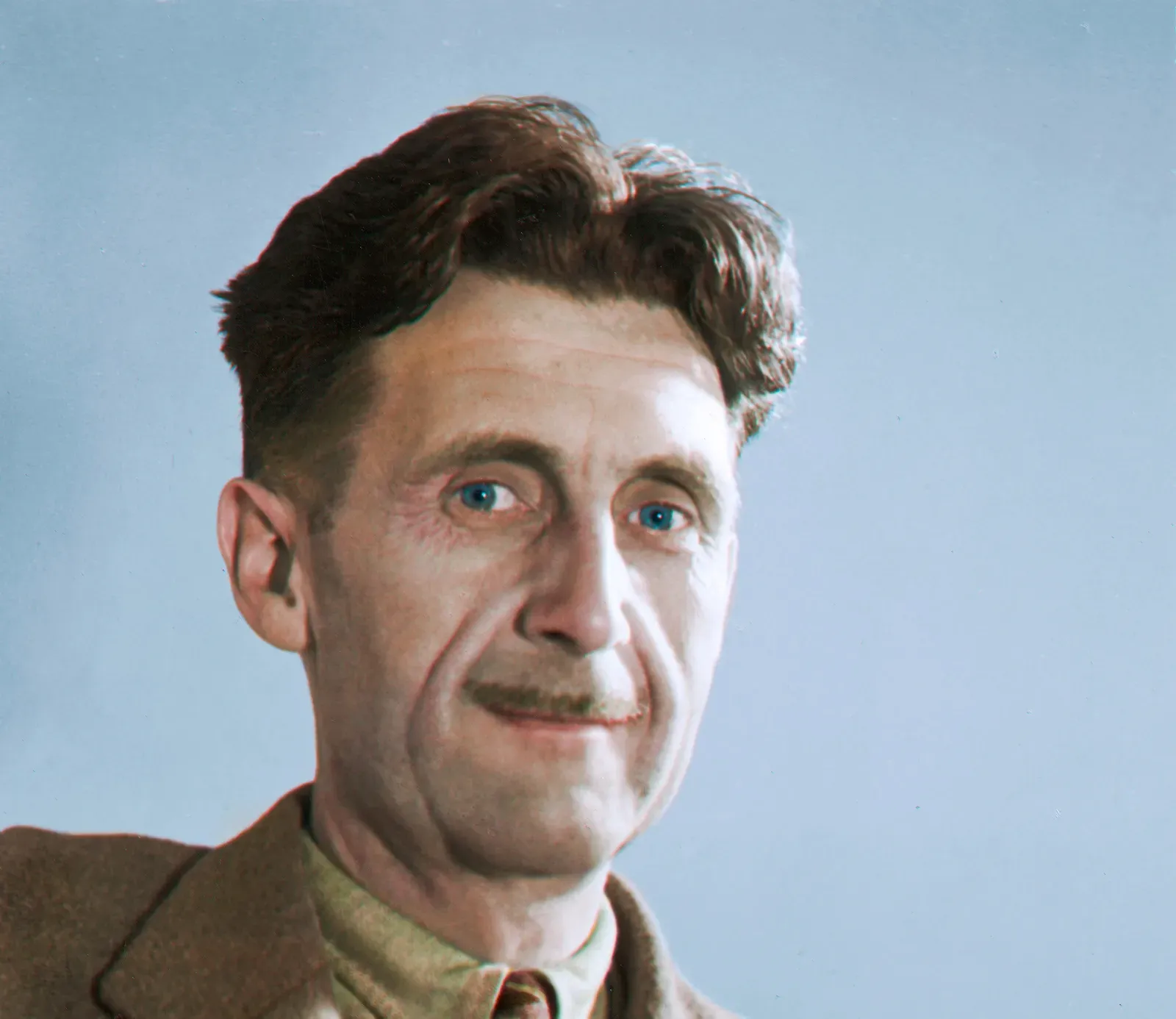
Eric Arthur Blair wrote under the pen name George Orwell, and his work is characterized by lucid prose, social criticism, and opposition to totalitarianism. The name change wasn’t just about branding. Blair wished to publish under a different name to avoid embarrassment to his family over his time as a tramp, and he finally adopted the pen name George Orwell because it was a good round English name, with George inspired by England’s patron saint and Orwell after the River Orwell in Suffolk.
Orwell is best known for his allegorical novella Animal Farm and the dystopian novel Nineteen Eighty-Four. The guy basically predicted modern surveillance culture. His real motivation? He wanted to keep his respectable family from knowing he’d been living in poverty by choice. Pretty understandable when you think about it.
J.K. Rowling: From Joanne to Robert Galbraith
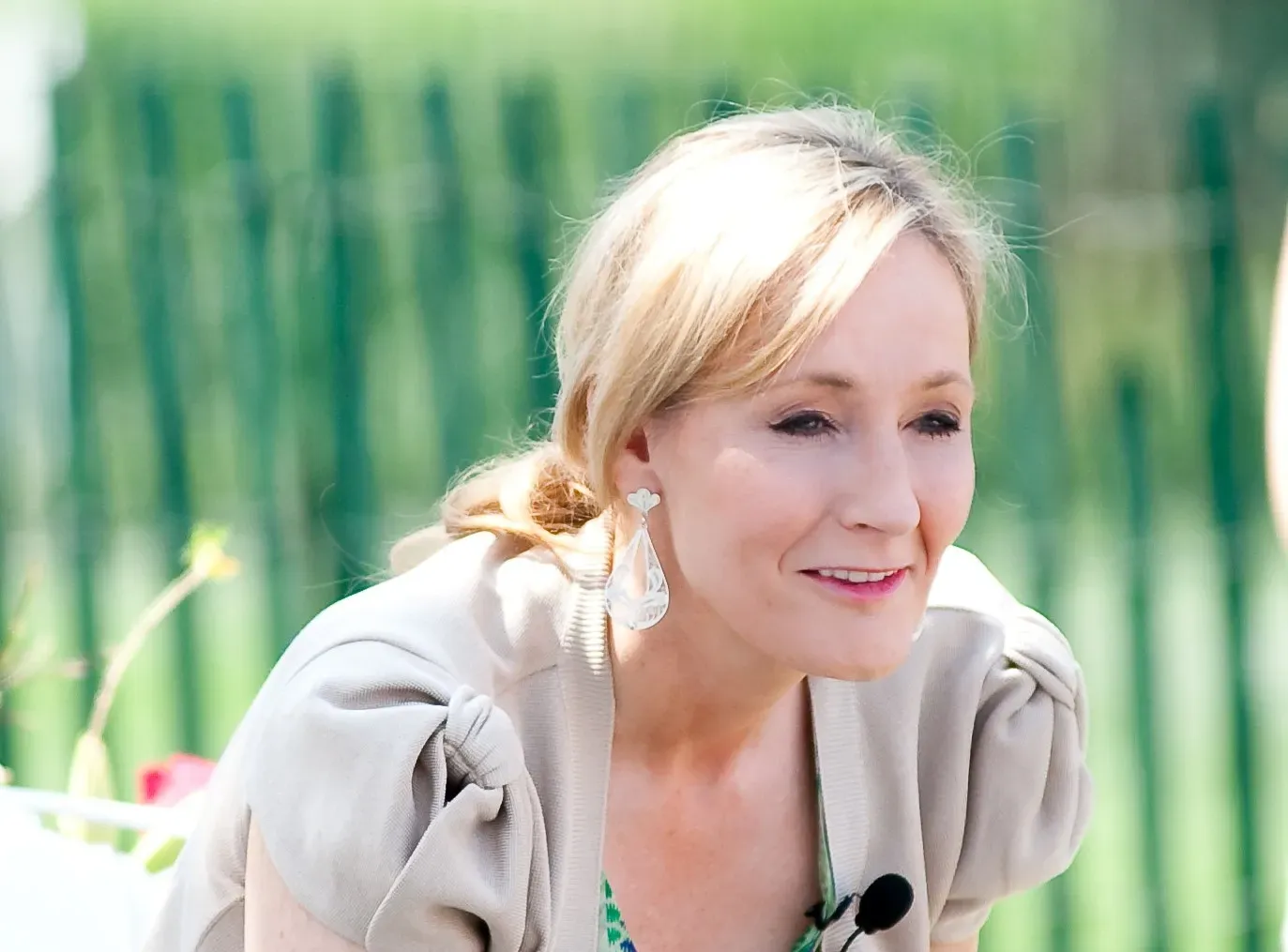
Here’s the thing about J.K. Rowling – she’s used not one, but two pen names. Although she writes under the pen name J.K. Rowling, her actual name was Joanne Rowling with no middle name, and staff at Bloomsbury Publishing suggested she use two initials rather than her full name, anticipating that young boys wouldn’t want to read a book written by a woman. She borrowed the K from her paternal grandmother Kathleen.
Then came Robert Galbraith. In April 2013, Rowling published The Cuckoo’s Calling as Robert Galbraith, which initially sold 1,500 copies in hardback before a journalist uncovered that Galbraith was actually Rowling’s pseudonym. She chose Robert because it’s one of her favorite men’s names and because Robert F. Kennedy is her hero, while Galbraith came from a childhood fascination with the surname. Sales exploded after the reveal, naturally.
Stephen King: The Richard Bachman Experiment
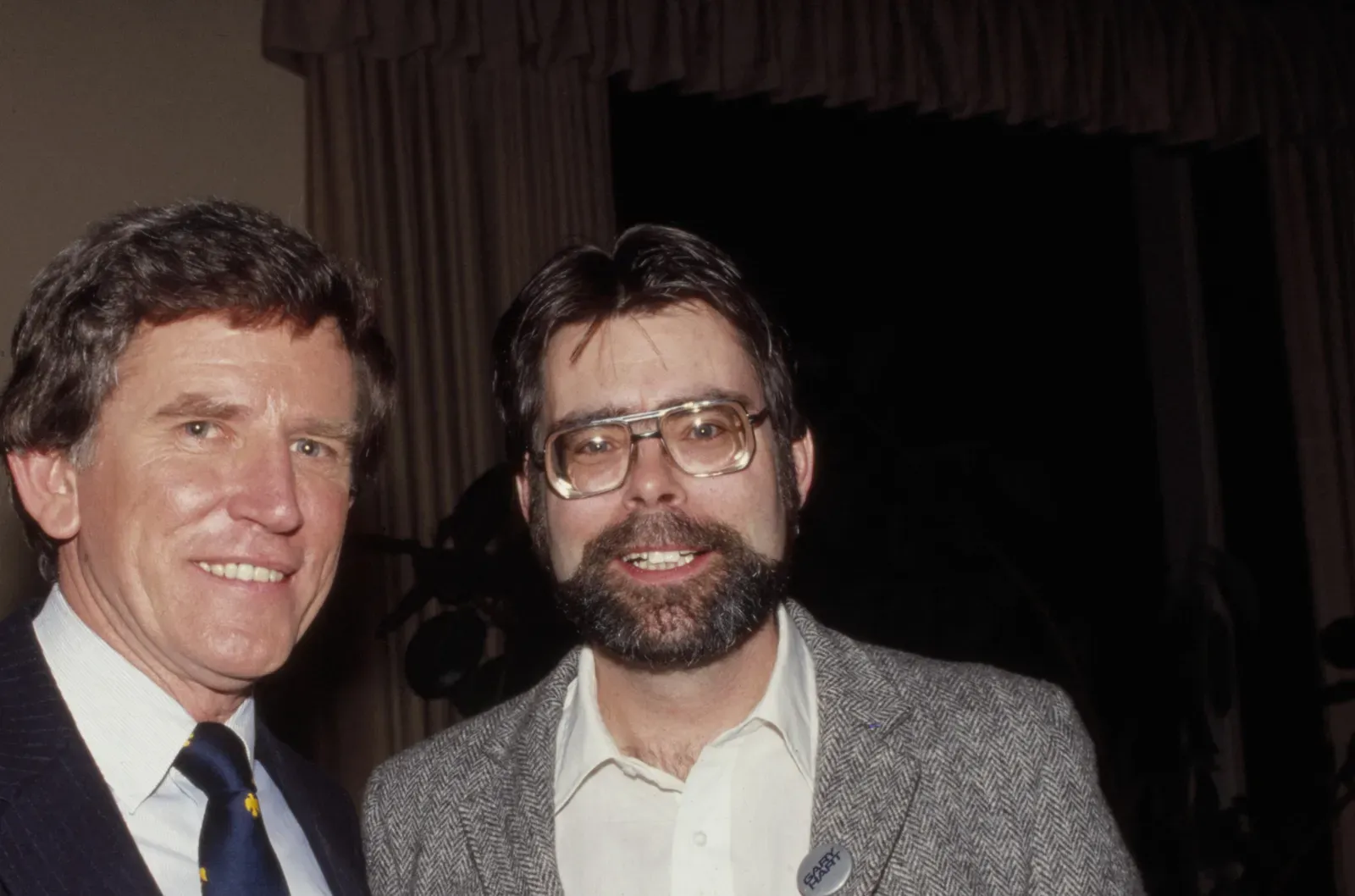
Even Stephen King has written under a nom de plume – Richard Bachman – publishing seven novels under his pen name starting in 1977. King explained that in the early days of his career, there was a feeling in publishing that one book a year was all the public would accept, and he came up with his pseudonym on the fly while on the phone with his publisher, combining the name from a Richard Stark book on his desk with a Bachman Turner Overdrive song playing at the time.
The scheme worked brilliantly until a bookstore clerk got suspicious. In 1985, a clerk named Steve Brown noticed similarities between the two authors’ styles and determined they were the same person, prompting King to announce that Bachman had died of cancer of the pseudonym. King basically killed off his alter ego with dark humor. Classic.
Agatha Christie: Mary Westmacott’s Romantic Side
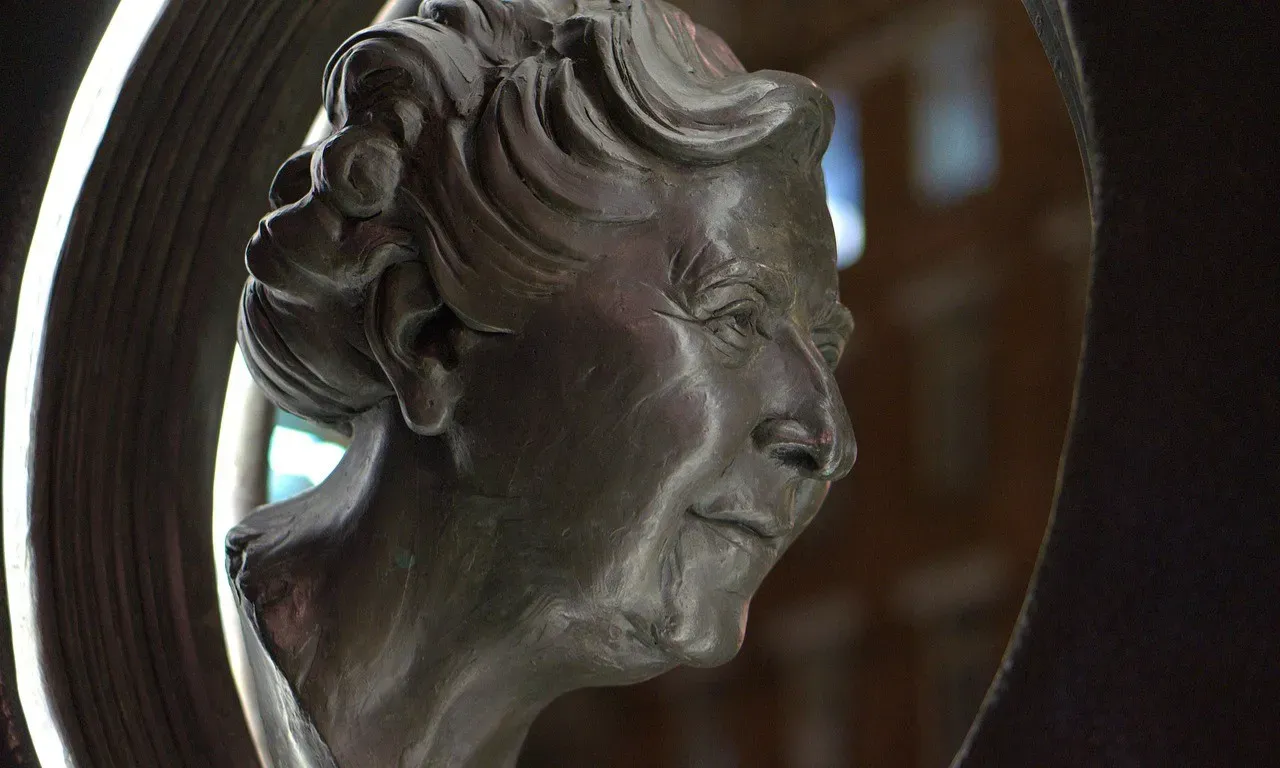
Agatha Christie has 66 detective novels under her belt and wrote six novels using the pen name Mary Westmacott. Dame Agatha Christie wrote romances under the name Mary Westmacott, saying the mysteries were her day job but the romances were for fun. She wanted a creative outlet without the weight of expectations from her massive fanbase.
Her detective work made her a legend. The mysteries paid the bills and earned her fame worldwide. The romances? Those were her playground. It’s honestly refreshing to see someone so successful still carving out space to experiment without pressure.
The Brontë Sisters: Currer, Ellis, and Acton Bell
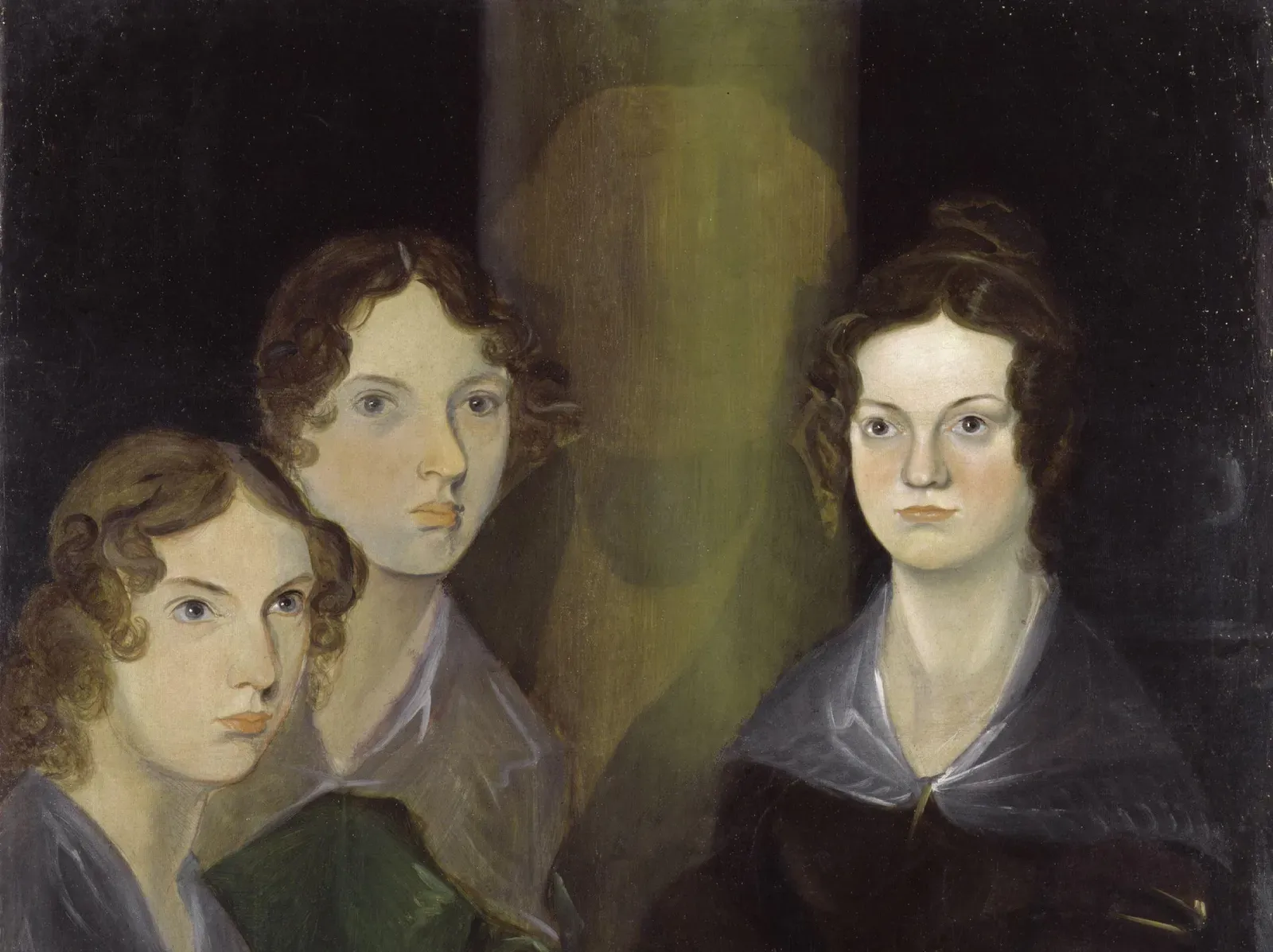
In 19th-century England, women weren’t permitted to publish poetry, so the Brontë sisters created the pen names Currer, Ellis, and Acton Bell, with each male pseudonym matching the corresponding sisters’ names to help them publish their first anthology of poetry in 1846, and initially Emily’s Wuthering Heights and Charlotte’s Jane Eyre were both published under their male names. The discrimination was real and brutal.
The Brontë sisters used pen names not only to avoid revealing their gender but also so local residents wouldn’t suspect the books related to people in their neighborhood. Smart move, considering small-town gossip could destroy reputations. They wanted to write freely without facing backlash from neighbors or relatives.
Lewis Carroll: The Mathematician’s Fantasy
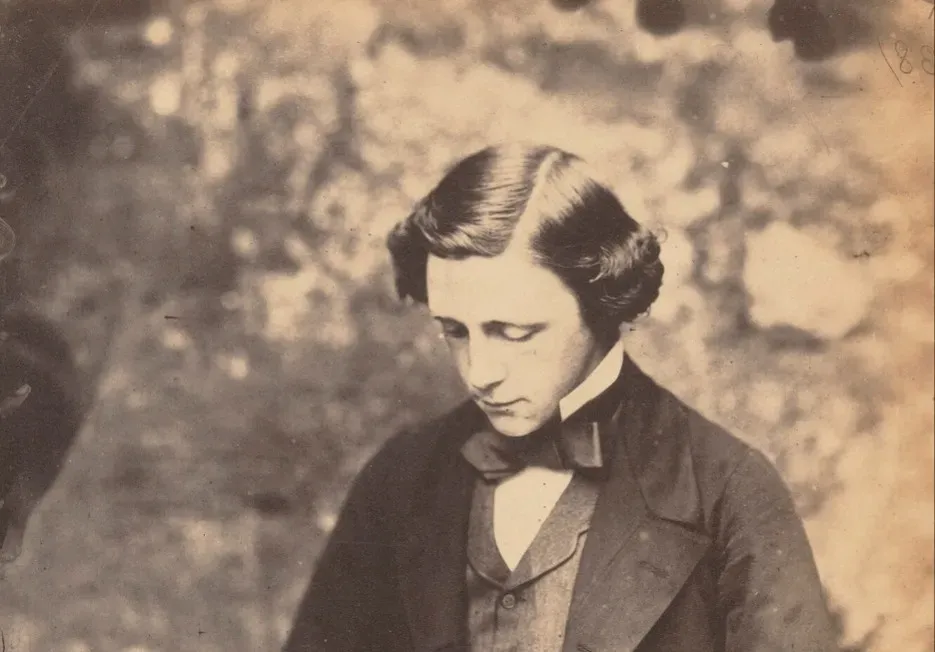
Charles Lutwidge Dodgson, well known as Lewis Carroll, adopted his pen name to differentiate his whimsical, imaginative works like Alice’s Adventures in Wonderland from his job as a mathematician and academic, and these dual identities permitted Dodgson to experiment with fantastical writing while maintaining his scientific reputation. He literally split his life into two separate personas.
Lewis Carroll was a faculty member at Oxford University with the real name Charles Lutwidge Dodgson, and he chose a pen name to keep his identity private from his colleagues. Imagine your math professor secretly writing trippy children’s stories about talking rabbits and mad tea parties. That’s exactly what happened.
George Eliot: Mary Ann Evans Defies Gender Bias
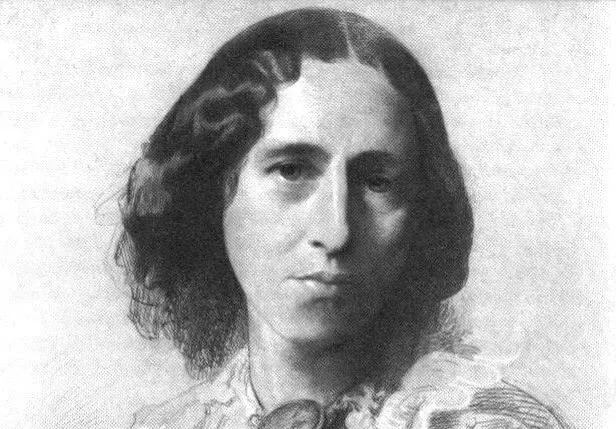
Like the majority of female writers in the 19th century, Mary Ann Evans used a male pseudonym so her works would be taken more seriously, and her pen name George Eliot came around 1857 when Evans published her first short story titled Amos Barton, taking the name George from philosopher and her lover George Henry Lewes. The literary world was ruthlessly sexist back then.
Her publications needed to be taken seriously, and her famous works include Middlemarch, Silas Marner, and The Mill on the Floss. She proved her brilliance regardless of gender, though she shouldn’t have had to hide in the first place. It’s frustrating that talent alone wasn’t enough.
Dr. Seuss: Theodor Geisel’s Playful Persona
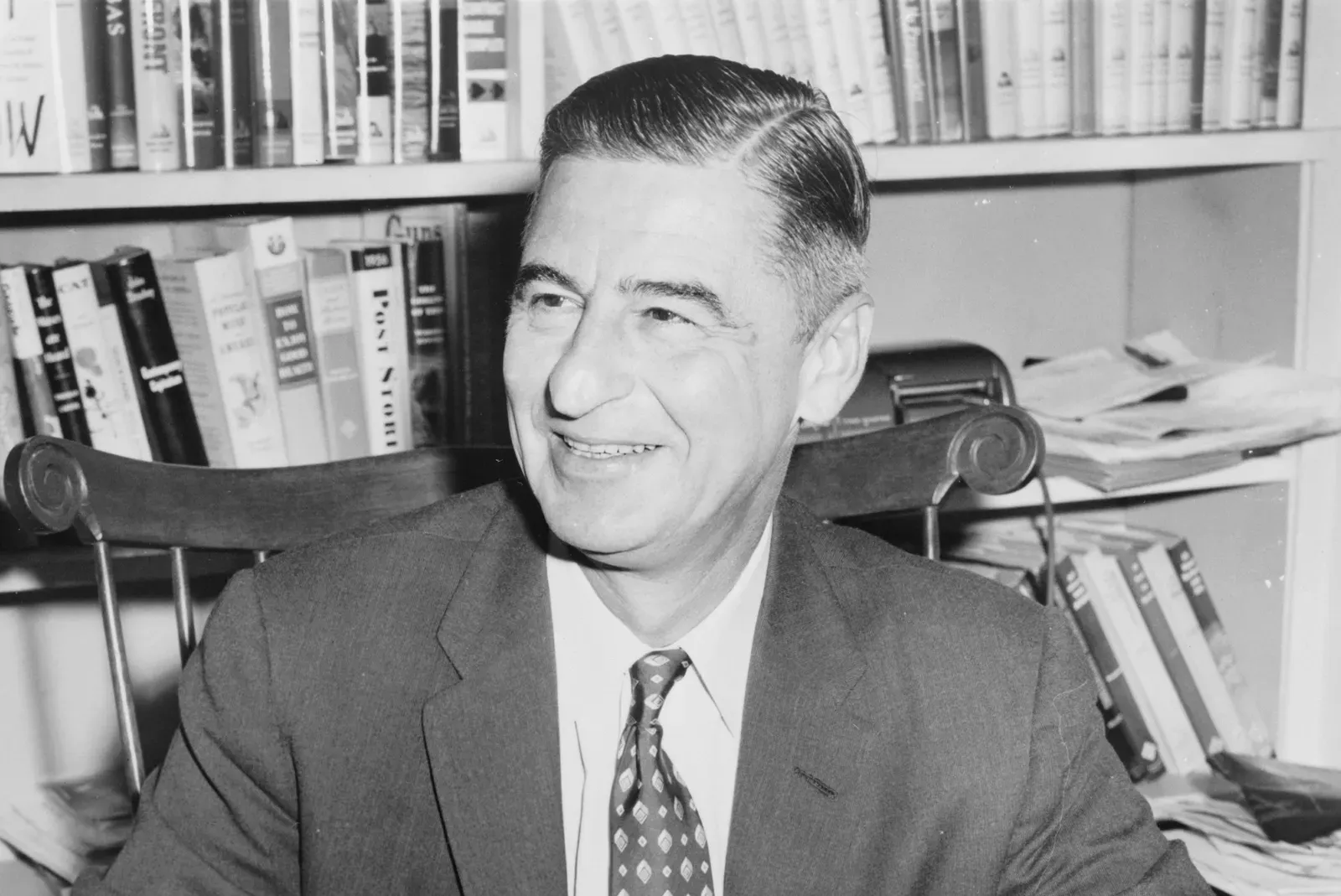
Theodore Seuss Geisel adopted the pseudonym Seuss after being fired from a magazine for drinking during Prohibition, and he added the Dr. as a poke at his father who’d always encouraged him to get a PhD. The name stuck and became synonymous with childhood itself. His famous works include The Cat In The Hat, Green Eggs and Ham, and How the Grinch Stole Christmas.
Talk about making lemonade from lemons. Getting fired led to one of the most recognizable names in children’s literature. The irony of never earning that doctorate while everyone calls you “Doctor” is pretty amusing.
Nora Roberts and Dean Koontz: The Prolific Publishers

Nora Roberts has published more than 200 romance novels but feared that publishing work not related to romance could confuse her readers. Romance writer Nora Roberts writes mystery novels under the name J.D. Robb. Genre switching required a fresh identity to avoid alienating her fanbase.
Dean Koontz published more than eight books per year during the peak of his writing career and used numerous pen names so as not to saturate the market. Dean Koontz is said to have as many as ten pen names because like Stephen King, he wrote so many books that his publisher couldn’t keep up, and in an interview he said there was no way he could earn a livable wage writing just one book per year, with some of his names including David Axton, Richard Paige, Anthony North, and his gothic-romance pseudonym Deanna Dwyer. Both authors were just too productive for the industry to handle under one name.
Why Writers Still Use Today
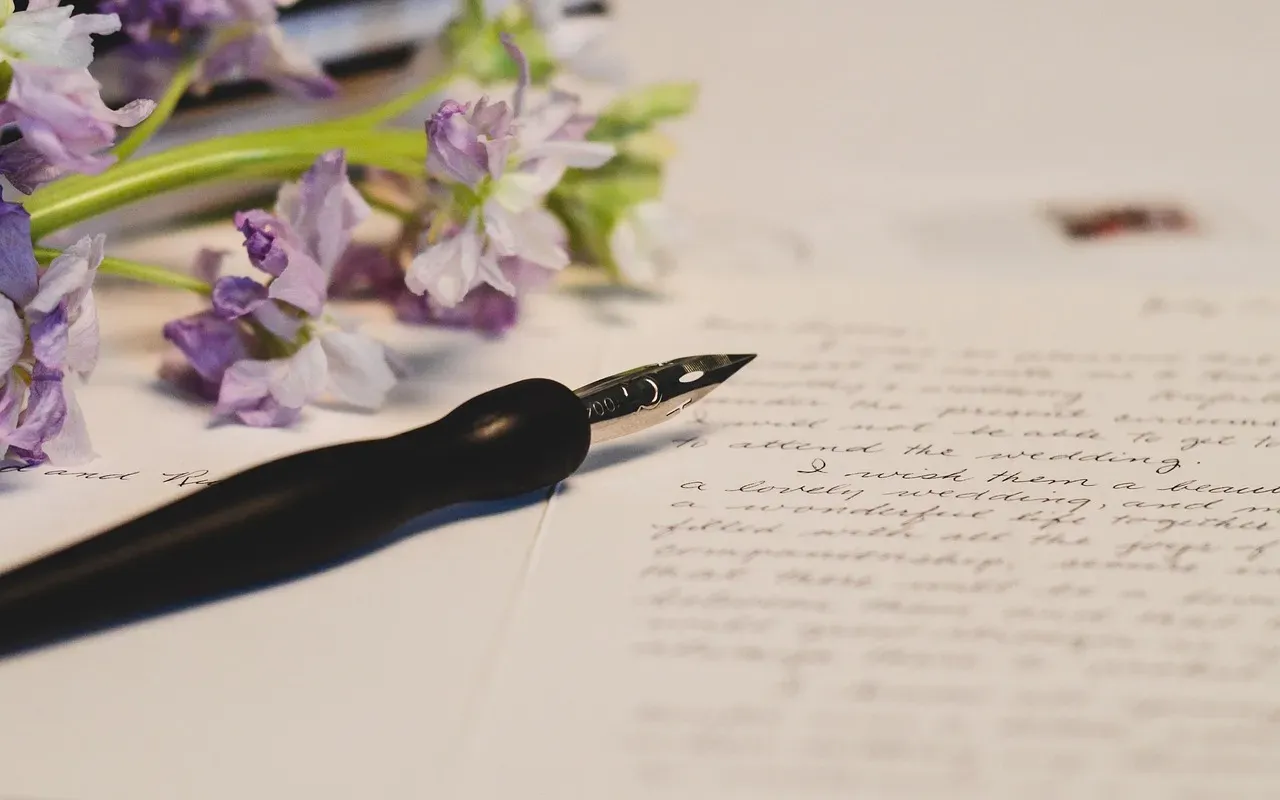
Authors have adopted pen names throughout history to navigate the difficult business of publishing and create personas that resonate with readers, and pseudonyms allow writers to take on a new character, whether to avoid societal bias, protect privacy, or explore new genres. The motivations haven’t changed that much over the centuries. Privacy, creative freedom, and market strategy remain the top reasons.
A pen name may be used to make the author’s name more distinctive, to disguise the author’s gender, to distance the author from their other works, to protect the author from retribution for their writings, to combine more than one author into a single author, or for any of a number of reasons related to marketing or aesthetic presentation of the work. Sometimes it’s protection, sometimes it’s branding, and occasionally it’s pure survival.
The practice continues in 2026 because authors still face the same challenges: gender bias in certain genres, market saturation concerns, and the desire to write without the baggage of previous success or failure. offer liberation.
Conclusion
Pseudonyms have shaped literature in ways we rarely acknowledge. From Mark Twain’s riverboat nostalgia to J.K. Rowling’s multiple identities, these allowed some of our greatest writers to create without limits. They dodged discrimination, escaped expectations, and sometimes just needed to publish more books than the industry thought reasonable.
What strikes me most is how these hidden identities reveal the barriers writers faced – and still face. Gender bias forced brilliant women to masquerade as men. Market restrictions pushed prolific authors into multiple personas. Personal shame or family concerns drove others to obscure their true names entirely.
Here’s what I find fascinating: these authors achieved immortality under names they invented. We remember Mark Twain far better than Samuel Clemens. George Orwell overshadows Eric Blair completely. The personas became more real than the people behind them.
What do you think drives authors to hide their identities today? Are the reasons still the same, or has the digital age changed everything? Drop your thoughts in the comments.