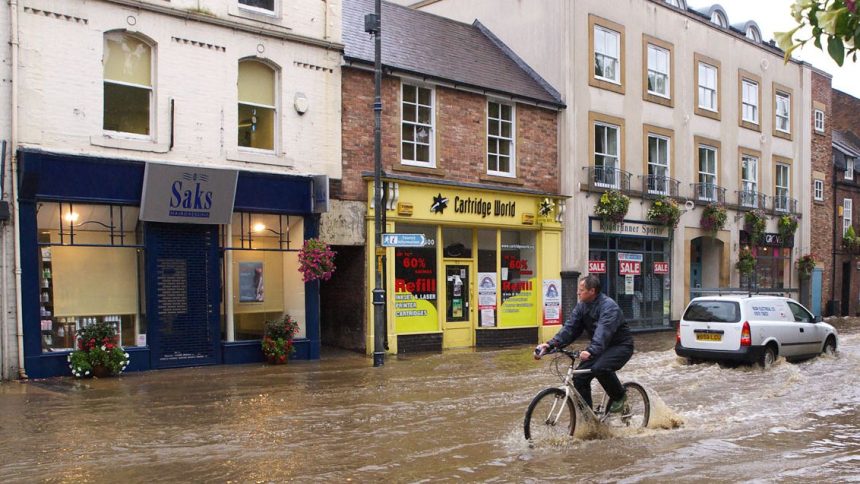
It starts innocently enough. A gray sky on a Saturday morning, a weather alert on your phone, maybe a light drizzle by noon. Then, within hours, streets are flooded, transit alerts are piling up, and the roads look more like rivers than commuter routes. What feels like a mild inconvenience is, increasingly, a failure of systems that cities have neglected for decades.
The truth is, most cities weren’t built to handle the kind of rainfall they’re now getting. Climate has shifted. Infrastructure hasn’t kept up. When the two meet on a rainy weekend, the result is chaos that’s entirely predictable – even if it rarely gets treated that way.
Rainfall Is Getting More Intense, Not Just More Frequent
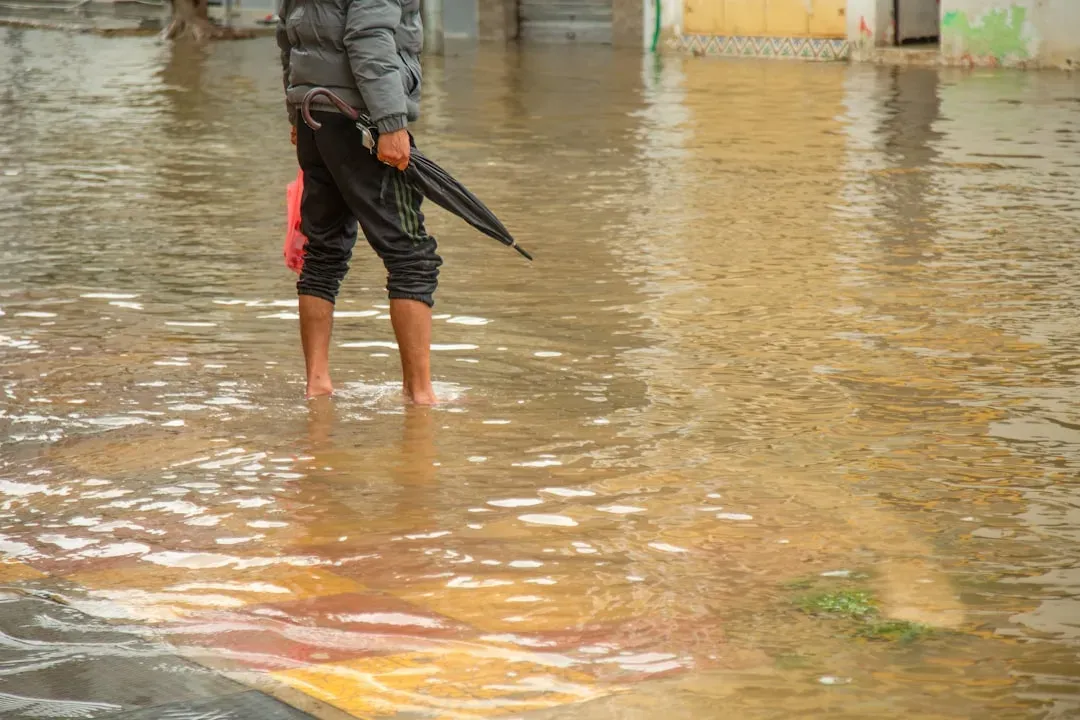
The science on this is clear and consistent. Climate warming has a direct impact on precipitation through the Clausius-Clapeyron thermodynamic relationship: the atmosphere can hold about 7% more moisture for every additional degree Celsius. That sounds like a technical detail, but the practical effect is dramatic.
Urban flash flooding is becoming more common, not only because extreme rainfall events are becoming more frequent, but also because cities are expanding, creating ever-larger impermeable surfaces. In cases of pluvial flash flooding in urban settings, the sheer intensity of rainfall is the most important factor. It doesn’t need to rain all day to cause a shutdown.
In 2023, the U.S. Global Change Research Program published the Fifth National Climate Assessment and identified that intense, single-day precipitation events have been on the rise for the last few decades. While heavier precipitation does not necessarily mean total rainfall is increasing everywhere, it does mean occurrences exhibit more of a “flash” or severe effect. These changes to the frequency and intensity of precipitation strain the current capacity of the nation’s stormwater infrastructure.
The Ground Beneath City Streets Can’t Absorb It
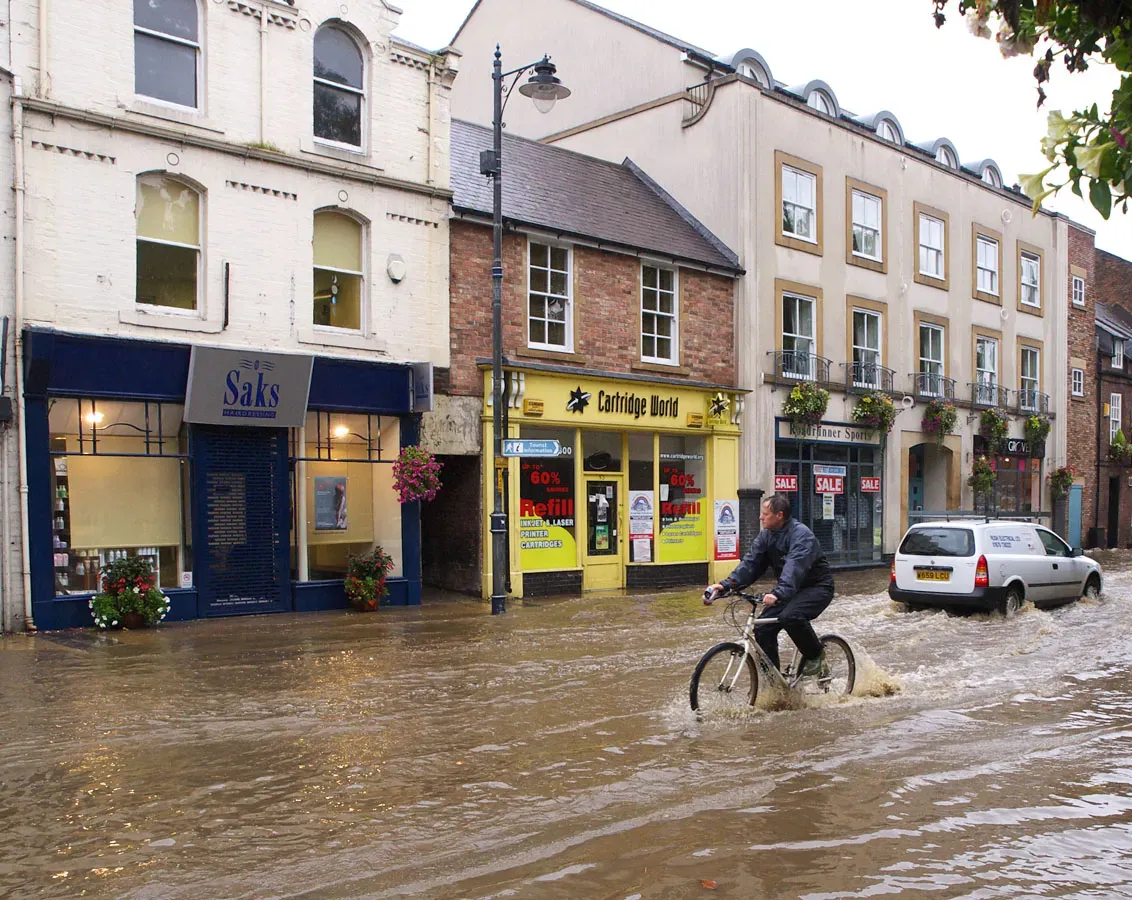
One of the least-discussed reasons cities flood so easily is simply what they’re made of. Concrete, asphalt, and compacted ground don’t absorb water the way soil and vegetation do. Urban flooding occurs when cities, with their extensive concrete and asphalt cover, cannot absorb rainfall quickly enough. Impervious surfaces direct water straight into storm drains, which easily overflow during heavy rainfall events.
As cities grow, more land is covered with concrete and asphalt, which do not absorb water. This increases the amount of surface runoff and leads to flooding. Low-income neighborhoods often bear the worst of it, since green space and maintained drainage are rarely distributed evenly across a city.
Some low-income communities experience long-term flood risks, making them particularly vulnerable to the dynamic between increased rainfall intensity, rainfall frequency, and development of impervious surfaces. That’s a structural inequity baked into urban design itself, not just bad luck during a storm.
Stormwater Infrastructure Has Been Left Behind
The grade on America’s stormwater report card tells a quiet but alarming story. Schools received a D+ and stormwater received a D grade – a repeat of its debut grade in 2021 – both categories proving difficult to improve due to unreliable data and chronic underinvestment. That’s not an improvement. That’s a system stuck in place while weather demands more from it every year.
None of the three main water categories – drinking water, wastewater, or stormwater – saw grade improvements in the 2025 ASCE Report Card, even as the overall national infrastructure grade climbed from C- to C. Progress elsewhere hasn’t reached the pipes and drains that matter most on a rainy day.
From 2010 to 2019, there were more than 130 major disaster events. From 2019 to 2023, essentially half the amount of time, nearly the same number of major disasters were recorded. The pace of disasters is accelerating. The pace of infrastructure upgrades is not.
New York City and the Limits of Century-Old Pipes
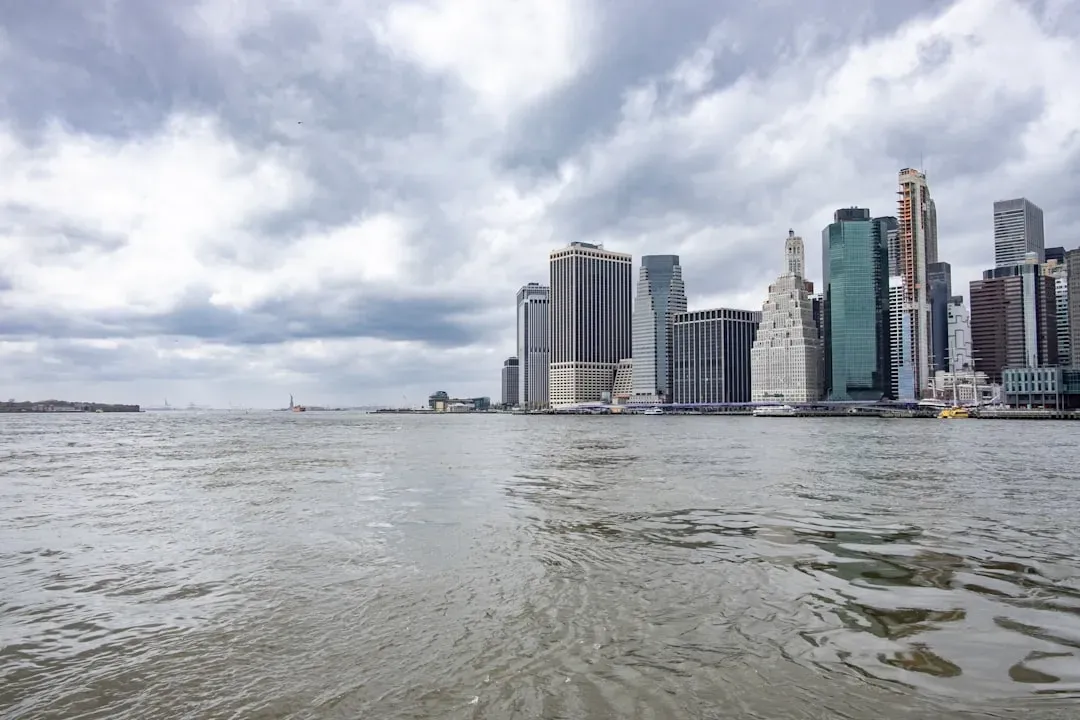
No city makes the stormwater problem more visible than New York. New York City’s century-old sewer infrastructure was designed for a climate where peak rainfall is less than 1.75 inches per hour. On July 14, 2025, the city received over 2 inches in an hour. The math simply doesn’t work out.
The city’s drainage system, built over 100 years ago, cannot handle modern rainfall patterns. In 2023, flash floods disrupted subway services and flooded basements across the city. Climate change and an aging sewer system were key contributors. These aren’t freak occurrences anymore. They’re a recurring seasonal reality.
What makes this particularly costly is that the disruption ripples far beyond flooded streets. Transit shutdowns strand workers. Businesses lose revenue. Emergency services get stretched. Heavy rainfall and flooding block and damage roads, bridges, tunnels, and railways, causing disruptions and delays that cost economies billions. A weekend storm doesn’t just ruin plans – it hits the economy too.
Wet Roads and the Crash Risk Most People Underestimate
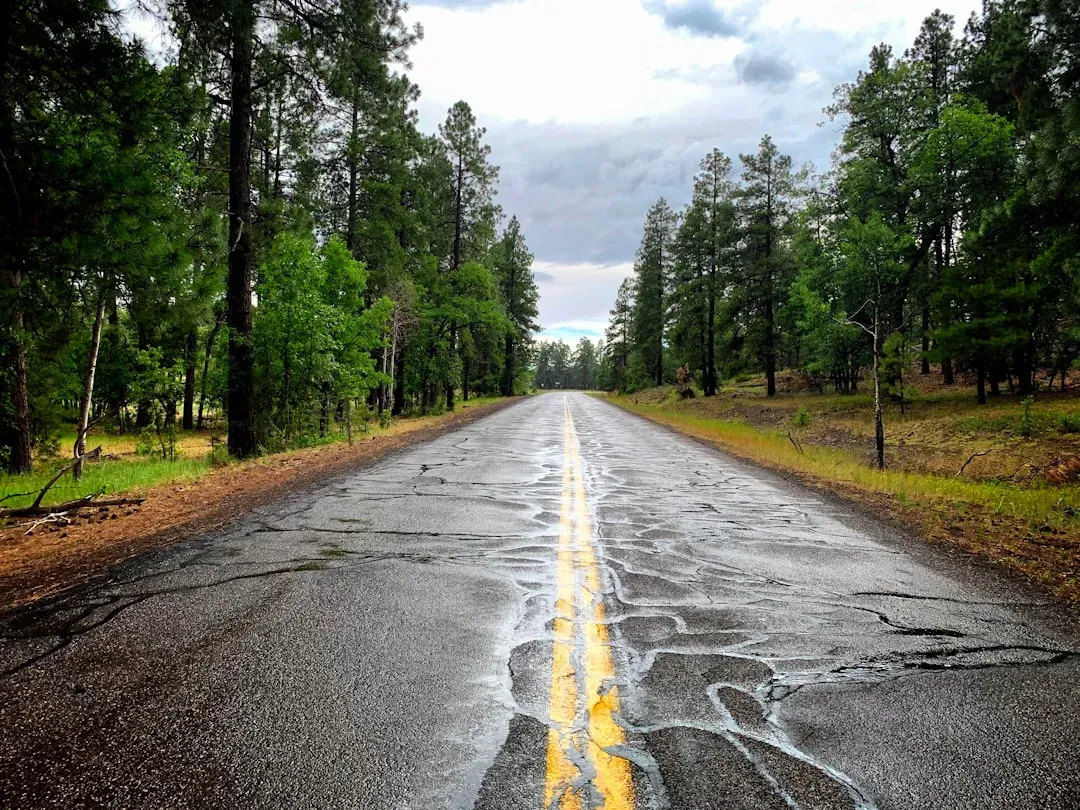
Beyond flooding, the roads themselves become dangerous the moment rain starts falling. Each year, 75% of weather-related vehicle crashes occur on wet pavement and 47% happen during rainfall. Nearly 5,700 people are killed and more than 544,700 people are injured in crashes on wet pavement annually. Those are significant numbers for what many people treat as routine driving conditions.
Recent statistics show that approximately 21% of all vehicle crashes, nearly 1.2 million accidents annually, are directly attributed to hazardous weather conditions. These incidents result in approximately 5,900 deaths yearly. Rain doesn’t have to be severe to be dangerous. Even a light drizzle changes road behavior in ways many drivers don’t account for.
In wet road conditions, it can take 10% to 25% longer to stop than in regular dry conditions due to lack of pavement friction. On a busy weekend, on a road full of distracted drivers, that extra stopping distance is often the difference between a close call and a collision.
The Power Grid Takes a Hit Too
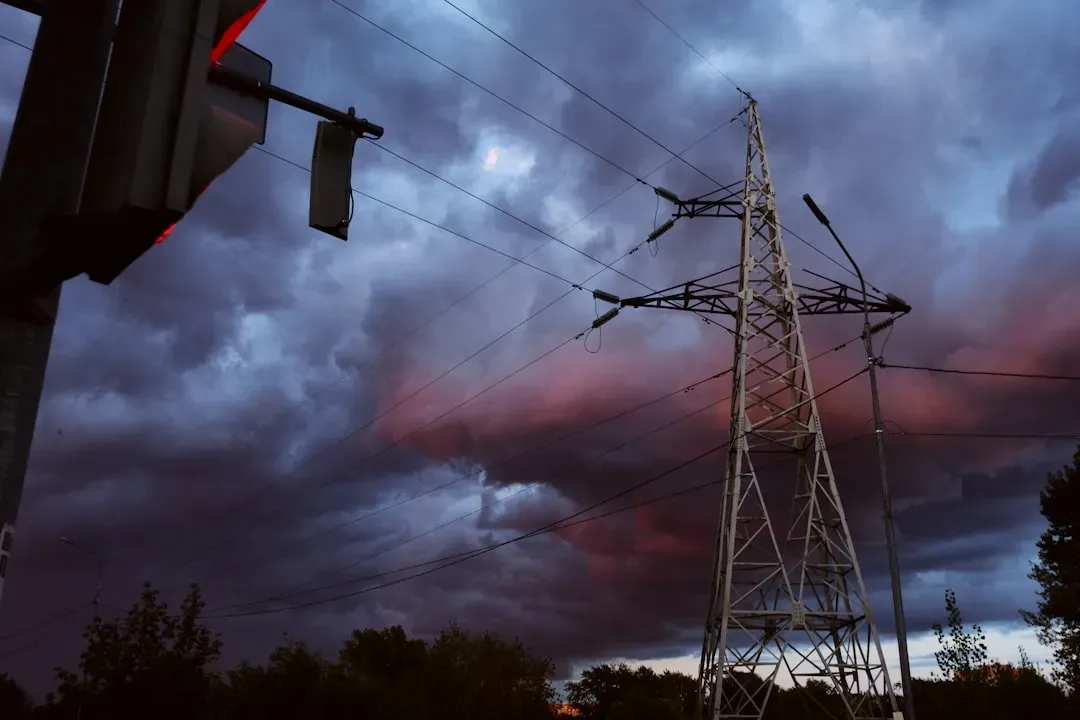
Rain and storms don’t just flood streets – they knock the lights out. Extreme weather accounted for about 80% of all major U.S. power outages from 2000 to 2023, according to Climate Central. That’s a decades-long pattern, not a recent spike caused by any single season of bad storms.
Extreme weather events due to climate change – hurricanes, wildfires, ice storms, flooding, heat waves – are growing in frequency, duration, and intensity, putting stress on already overloaded and aging national electrical infrastructure. The grid was built for a different era of weather. Like stormwater pipes, much of it hasn’t been meaningfully modernized since.
The average annual number of weather-related power outages has increased by almost 80% since 2011. That trend is hard to argue with. Some components of the U.S. grid are over 50 years old, making them vulnerable to exactly the kind of storm-related stress that’s becoming more common every year.
Flooding’s Economic Toll Is Larger Than It Looks
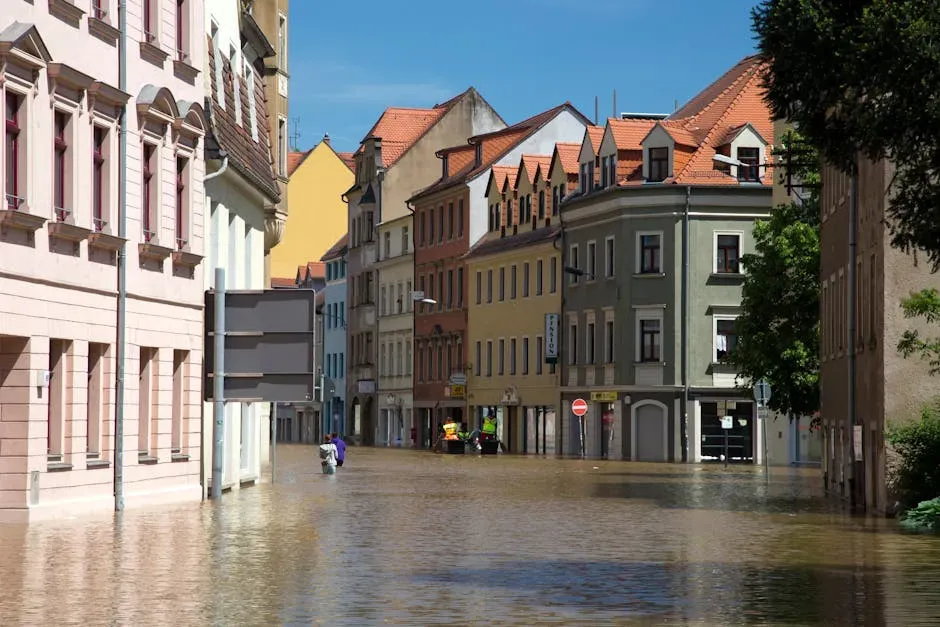
The visible costs of urban flooding, a flooded subway, a closed road, a ruined weekend, are only part of the picture. In 2024, natural disasters worldwide resulted in an estimated $550 billion in economic losses, with flooding among the top three most costly events globally. Urban shutdowns from rain contribute meaningfully to that number.
Flooding is the nation’s most common natural disaster. Regardless of whether a lake, river, or ocean is actually in view, everyone is at some risk of flooding. Flash floods, tropical storms, increased urbanization, and the failing of infrastructure such as dams and levees all play a part – and cause millions, sometimes billions, of dollars in damage across the U.S.
Investment in flood protection can save significant costs in repairs and recovery. A dollar invested in flood protection can save $5 to $8 in damages. That’s a return rate that most infrastructure budgets never seriously consider – until after the flood.
What Cities Can Actually Do About It
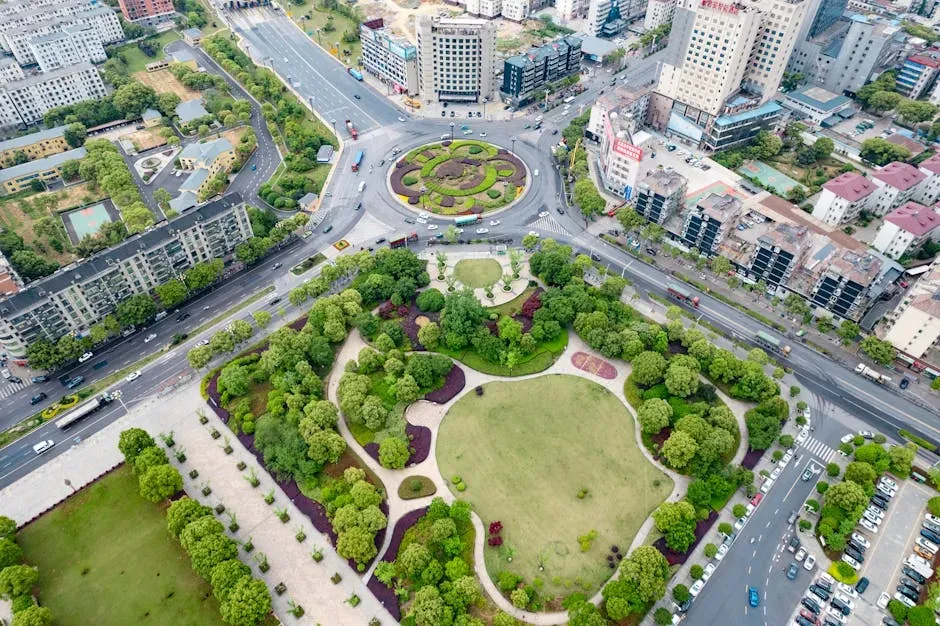
The good news, if there is any, is that practical solutions exist and some cities are beginning to implement them. Cities are increasingly turning to nature-based solutions such as green stormwater infrastructure – urban wetlands, rain gardens, bioretention systems, pervious pavements, and green roofs – to reduce peak stormwater flow and decrease the burden on aging drainage systems. These interventions also deliver co-benefits: lower urban heat, improved air quality, and enhanced biodiversity.
Modernizing old drainage pipes and using smart sensors can help manage water flow and prevent blockages before they become full flood events. Early warning systems make a difference too. Evidence from the 2024 Central European floods shows that early warning systems, pre-emptive reservoir releases, and coordinated evacuations substantially reduced fatalities compared to historic flood events of similar scale.
ASCE projects a $3.7 trillion gap between current planned infrastructure investments and what must be done to have the nation’s infrastructure in good working order – a staggering number, though one that underscores the scale of what’s been deferred for decades. Getting stormwater systems off the “D” list won’t happen quickly or cheaply.
Conclusion: The Storm Isn’t the Whole Problem
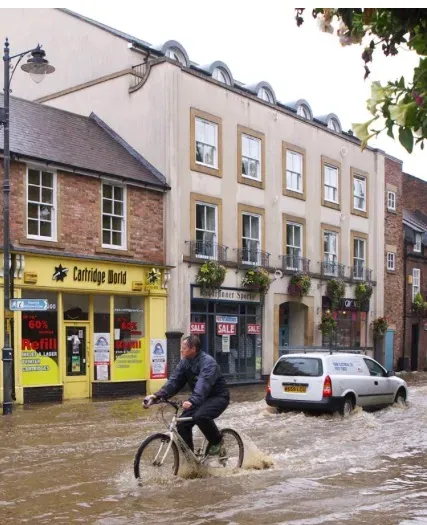
Weekend storms will keep happening. That part isn’t new. What has changed is the intensity of the rain, the extent of the impervious surfaces it falls on, and the age of the systems meant to handle it. The result is cities that shut down not because of historic weather events, but because of rainfall amounts that, a generation ago, would have barely made the news.
The storm itself isn’t always the catastrophe. The catastrophe is what the storm exposes: pipes that are too old, roads that were never designed to drain properly, and a power grid that’s one bad afternoon away from leaving tens of thousands of people in the dark. Surviving a weekend storm, in 2026, is less about buying flashlights and more about understanding why a system as large and expensive as a modern city can be brought to its knees by a few inches of rain.