Music is everywhere. It streams from phones, laptop speakers, earbuds, and smart home devices at almost every hour of the day. For most people, that’s completely fine. The goal is to enjoy the song, and the song gets enjoyed. But for audiophiles, the experience is a different project entirely – one that starts well before the first note plays.
There’s no sharp line between a casual listener and an audiophile, and nobody is wrong for simply pressing play. Still, the two groups make strikingly different choices when it comes to the technical and environmental side of listening. Some of those habits have a real, measurable impact on sound quality. Here are five of the clearest ones.
1. Sticking With Default Streaming Quality Settings
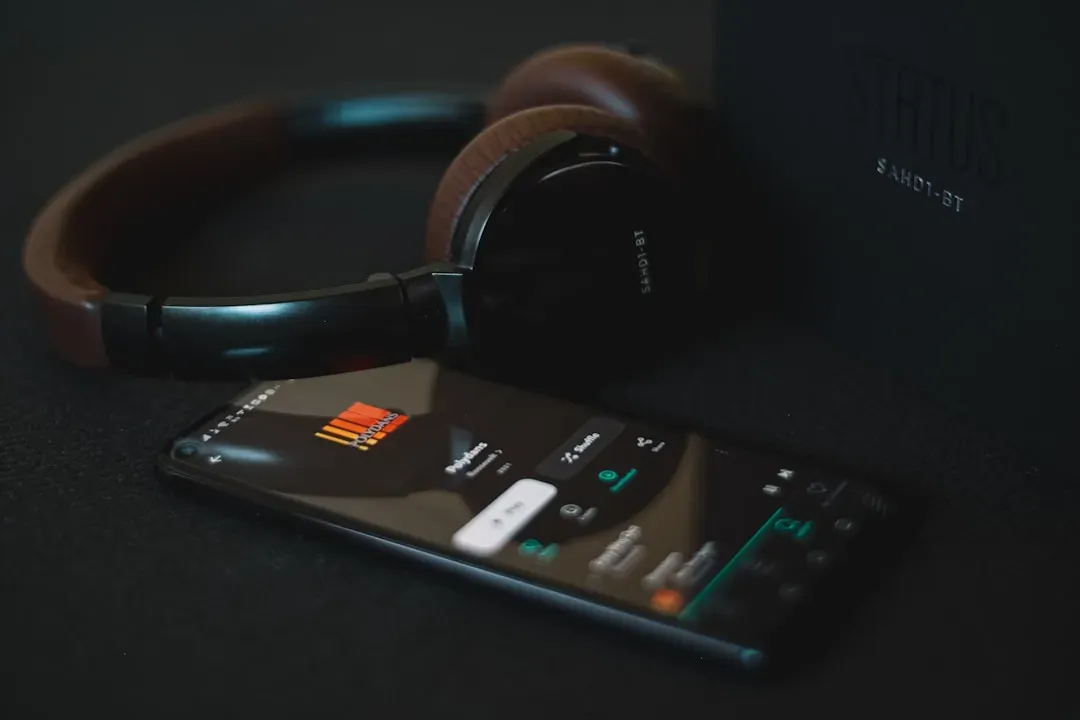
While streaming music, it’s important to remember that default audio settings aren’t designed to give the best possible sound quality. Often, a platform’s defaults prioritize simplicity and efficiency instead. For casual listeners, that means the app decides what you hear, usually at a moderate bitrate that saves data rather than maximizes fidelity.
Lossless audio has become a staple of music streaming in 2025, with almost every major platform supporting at least CD-quality tracks. The main exception is YouTube Music, while others including Apple Music, Spotify, Tidal, and Amazon Music all offer lossless-quality streaming as part of their paid subscriptions. Audiophiles dig into those settings and switch them on. Most casual listeners never open that menu at all.
2. Leaving Volume Normalization Switched On
Normalization is a technical process streaming platforms implement to standardize the perceived volume of audio tracks. Its purpose is to prevent drastic volume fluctuations between songs, improving the user experience by eliminating the need to constantly adjust playback levels. It’s a convenience feature, and a genuinely useful one for playlist listening on the go.
It’s undoubtedly true that volume normalization alters the decibel level of the original master recording. This results in streaming playback that’s different from how the artist and producer intended. In some cases, the compression involved in the normalization process can reduce the dynamic range of a given track. If you’re listening to jazz, live recordings, or albums with intentional quiet-loud contrasts, this uniformity kills the experience. Audiophiles typically disable normalization to hear the music closer to how it was mastered.
3. Ignoring Room Acoustics Entirely
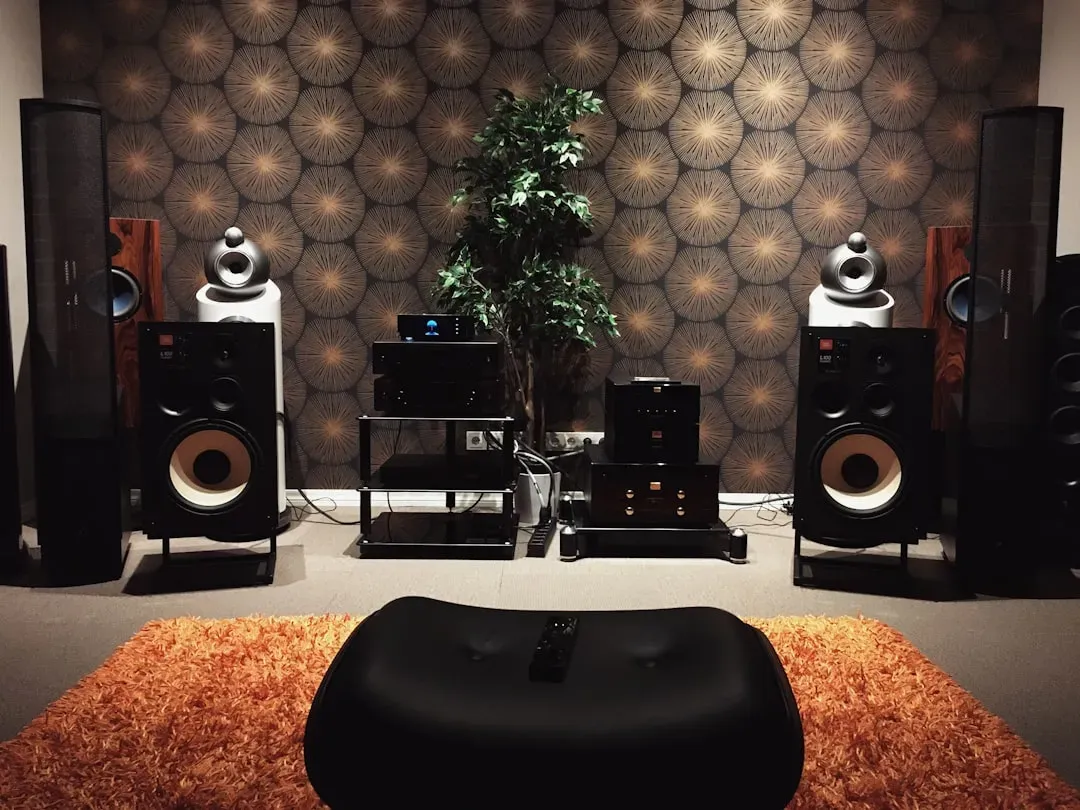
The listening room is actually a key component in any audio system, one that can either enhance or degrade sound quality more dramatically than any equipment upgrade. Casual listeners rarely think about this. A couch placed directly against a back wall, bare floors, and large glass surfaces are all common in everyday living rooms, and they all affect how sound behaves before it reaches your ears.
The way sound behaves in your space is just as critical as the quality of your audio system itself. A good home audio setup with proper room treatment ensures that you hear music with the most accuracy and clarity possible by addressing room acoustics, speaker placement, and strategic use of high-quality acoustic panels including absorbers, diffusers, and bass traps. Hard surfaces like sheetrock or glass windows can reflect sound waves, creating echoes that diminish the quality of playback. Audiophiles treat this as a fundamental part of the setup, not an afterthought.
4. Listening Through Compressed Bluetooth Instead of a Wired or High-Codec Connection
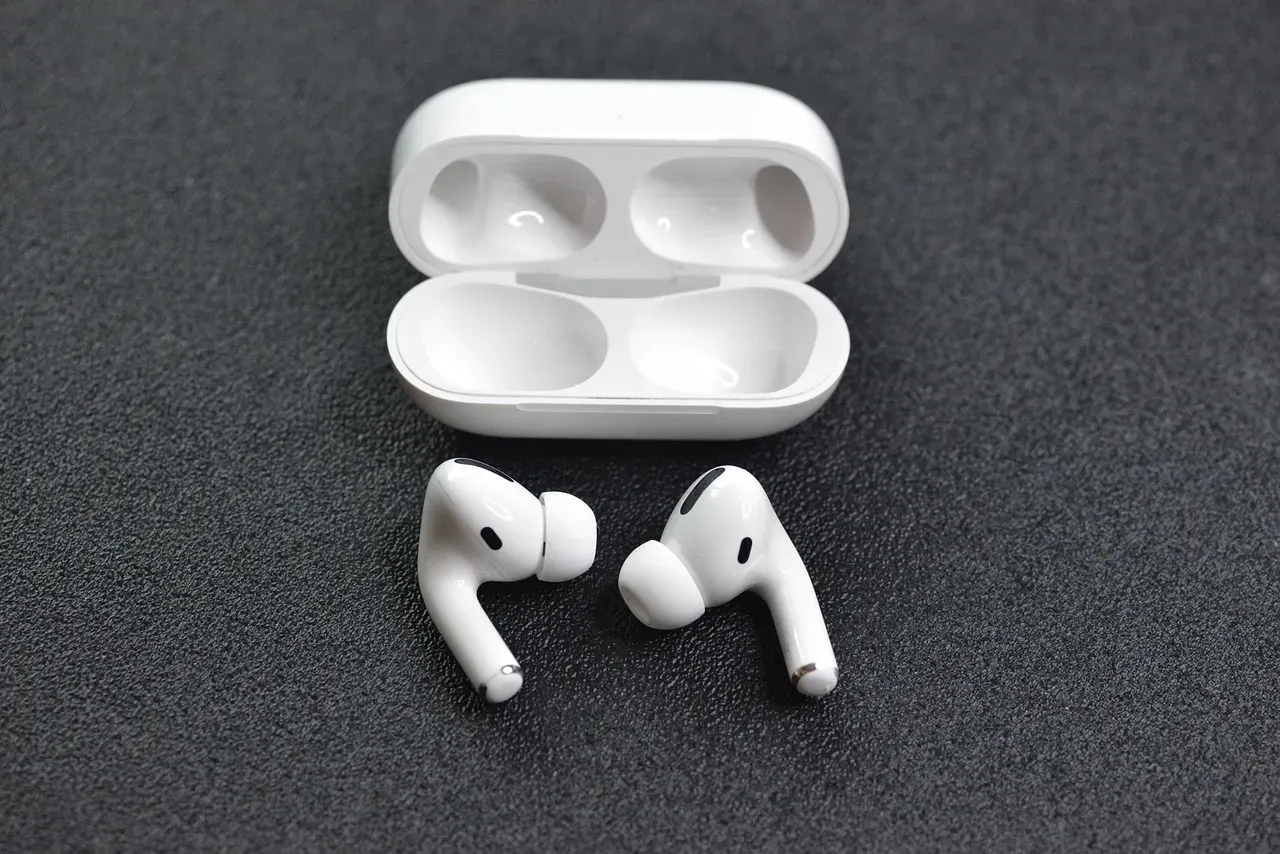
Without a high-resolution audio codec, playing lossless music over Bluetooth is one of the most common streaming mistakes. To avoid that frequent pitfall, you can use a USB-C digital-to-audio converter, commonly known as a DAC. The problem is that standard Bluetooth connections compress audio as part of the transmission process, which introduces a ceiling on the fidelity you can actually receive, no matter how good the source file is.
Checking whether your headphones or earbuds support a high-resolution wireless audio codec such as AptX Adaptive or LDAC is worth the effort. These are relatively niche and require both the source device and the headphones to support them. However, if your gear does support these high-res Bluetooth codecs, you’ll get better sound without having to plug in a DAC or wired headphones. Audiophiles either go wired or research codec compatibility carefully before buying wireless gear.
5. Treating Music as Passive Background Rather Than Active Listening
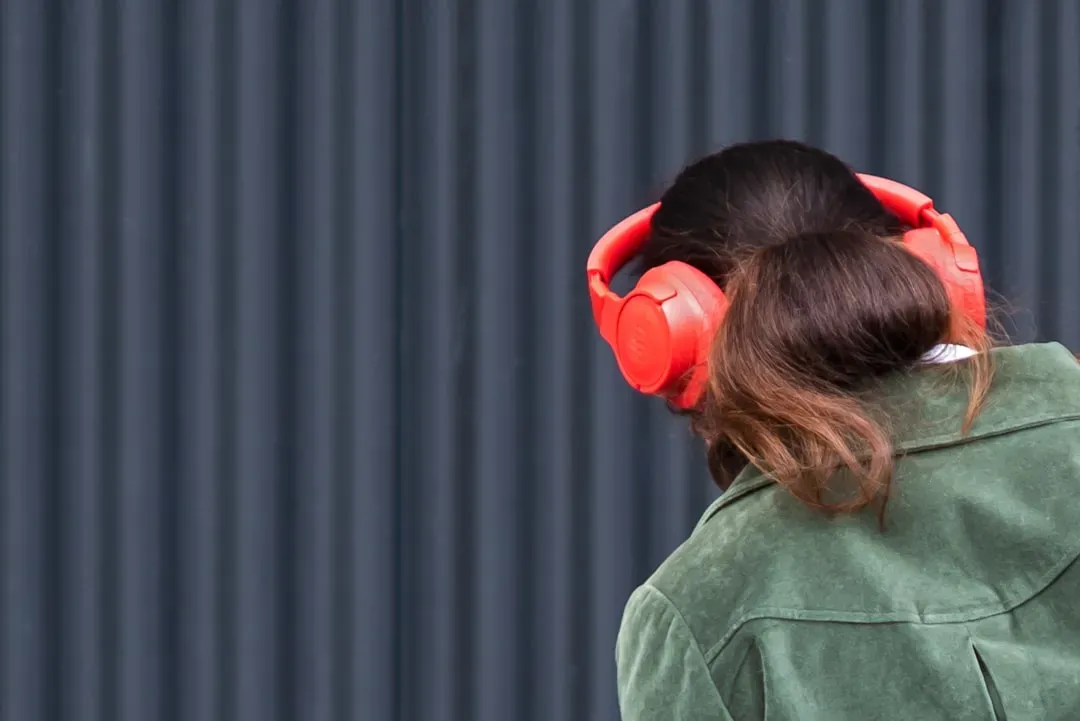
Casual listening is effortless – music in the background. Critical listening is intentional – analyzing tone, timbre, dynamics, staging, and flaws. For most people, music is something that accompanies another activity. It plays while cooking, commuting, or working. That’s perfectly valid, but it also means the listener’s full attention is never on the sound itself.
Audiophiles carve out dedicated time to sit with an album, without screens or distractions, and actually follow what’s happening in the recording. A music listening room is more than just a place to play songs. In a dedicated space, you can hear every nuance, from the subtle resonance of a recording to the deep bass that fills the room. Unlike a multi-purpose living room or office, this setup focuses solely on creating a sonic environment free from distractions. That shift from passive to active engagement is, arguably, the most fundamental difference between the two groups.
None of these habits make casual listeners wrong. Streaming on default settings through wireless earbuds while making dinner is one of the small pleasures of modern life. The audiophile approach simply trades convenience for control, choosing to hear music as close to its original form as the technology allows. Whether that trade-off is worth it depends entirely on how much the details matter to you.