
Music consumption has changed more in the last decade than it did in the previous four combined. The leap from vinyl to CD was dramatic enough, but the shift from physical ownership to streaming – and now to algorithm-driven, social-media-powered discovery – has reshuffled nearly every assumption we held about how people find, play, and experience music.
Some habits that once felt essential now feel like relics. Not because they were ever wrong, but because the landscape around them has shifted so completely. Here are ten music listening habits that, for most people, simply don’t apply the same way they once did.
1. Waiting for the Radio to Play Your Song
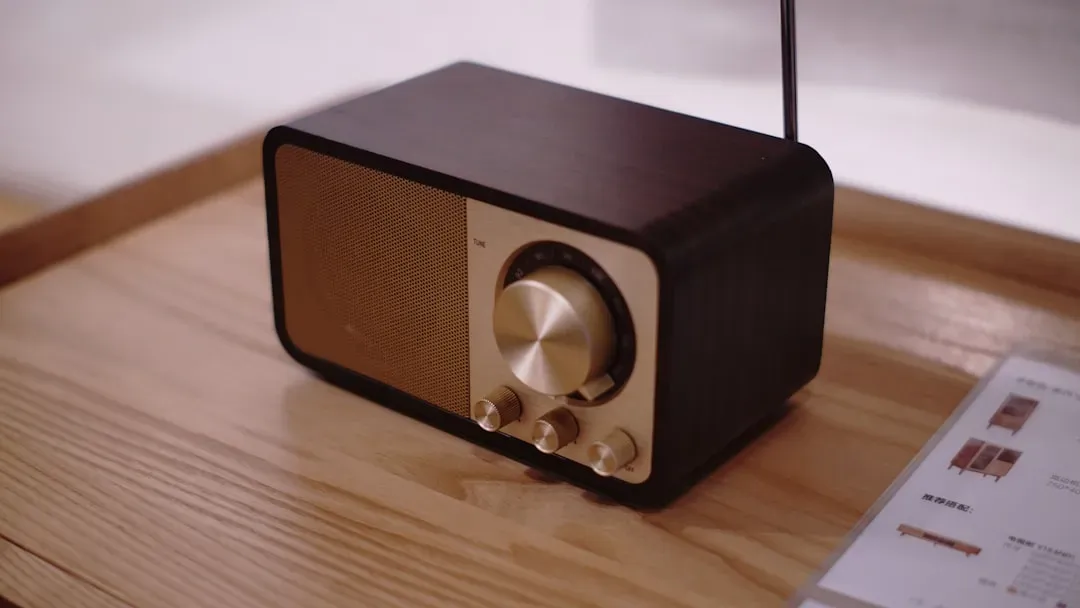
There was a time when radio was the undisputed gateway to new music. You’d tune in, wait patiently, and hope the DJ landed on something you loved. While radio used to be the main way to find new music, streaming and social algorithms now drive discovery as listeners crave more personalised recommendations. The shift has been especially sharp among younger audiences.
For 16 to 24-year-olds, the top music discovery method is now TikTok, followed by YouTube, streaming, and social media, while less than ten percent discover new music through TV, film, or personal recommendations. Radio still has a foothold among older listeners, but as a primary discovery tool for most people, its cultural authority has quietly faded.
2. Buying Singles One at a Time

Paying 99 cents per track to build a digital library felt revolutionary when iTunes launched it. For a while, it was how millions of people assembled their music collections. Buying individual singles instead of full albums was not available during the vinyl and CD era, and it fundamentally changed how listeners related to artists and their work. The problem is that the model made music feel transactional rather than immersive.
Streaming became the main driver for music revenues, accounting for about two thirds of all revenue in 2022, up from roughly a fifth in 2015. With that shift, the habit of buying individual tracks has largely dissolved. Most listeners now pay one monthly fee and access virtually everything, making the old per-song purchase model feel unnecessary for the vast majority.
3. Relying on a Single Platform to Find Everything
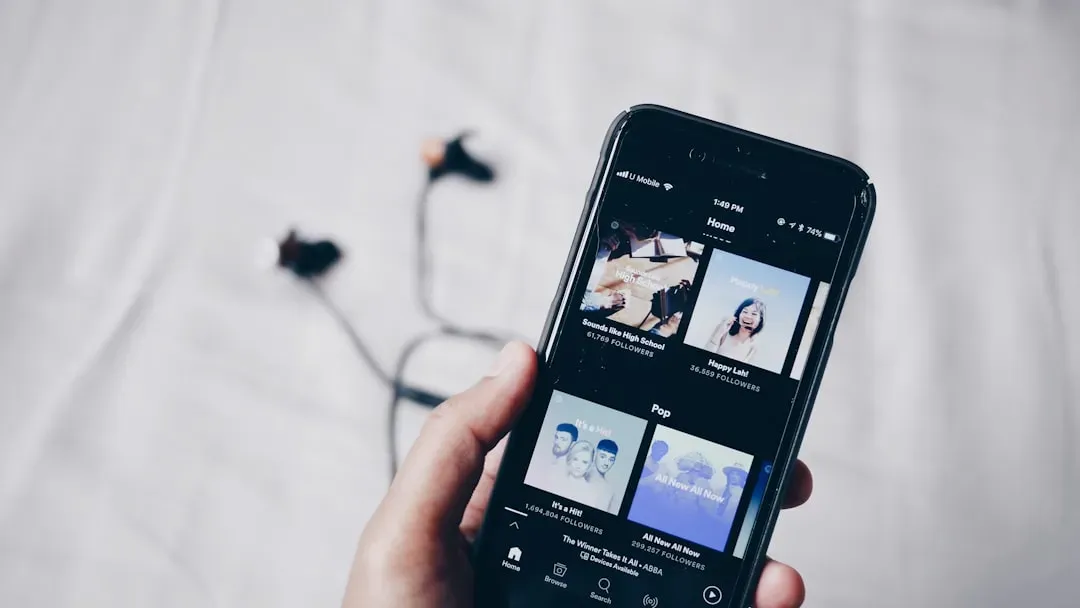
For years, many listeners anchored themselves to one streaming service and expected it to cover all their needs. That made sense when the libraries and features were more uniform. Today, the landscape is far more fragmented. As music consumption fragments, so does discovery – there is no longer one central place to find new music.
Younger listeners tend to use multiple platforms for discovering music, with approximately three quarters of Twitch users, nearly three quarters of Snapchat users, and about seven in ten TikTok users discovering new music across these platforms. Cross-platform listening has become the norm rather than the exception, and leaning on just one service increasingly means missing out.
4. Skipping Tracks Before Giving Them a Real Chance

Ironically, one of the habits that streaming created is also one that limits the experience. The ease of skipping has conditioned listeners to abandon songs within seconds if they don’t immediately connect. Spotify and other streaming services only pay artists if a listener sticks around for 30 seconds – if you don’t grab attention by then, the artist doesn’t get paid.
Pop songs are getting shorter as listeners’ attention spans shrink in the streaming era. Research confirms the trend: intros that averaged more than 20 seconds in the mid-1980s are now only about five seconds long. The reflex to skip is natural, but it’s also a habit that robs listeners of music that takes a little longer to reveal itself.
5. Treating the Album as the Only Valid Format

Album listening used to be the default. You bought the record, you listened front to back, and that was the experience the artist intended. Most modern pop albums are not designed to be listened to all the way through – they are designed with a few hit singles in mind, which make their way onto playlists with other artists or onto the radio. That’s a real shift in how music is made, not just consumed.
Most users are shifting from content to context-based listening habits – which means a rise in playlists directed at moods and activities rather than full album runs. That’s not a lesser experience by default. Listening to a curated mood playlist while working or commuting is its own valid form of engagement. The album still matters, but it’s no longer the singular lens through which music has to be experienced.
6. Discovering Music Only Through Friends and Word of Mouth

Personal recommendations from friends used to carry enormous weight in shaping someone’s taste. That social layer still exists, but it’s been dramatically augmented by algorithms and social platforms. Fully 84 percent of songs that entered the Billboard Global 200 in 2024 went viral on TikTok first. That’s not a minor trend – it’s a near-complete reordering of how chart-level music gets discovered.
Using advanced AI algorithms, voice assistants and streaming platforms can suggest new music based on users’ listening habits, continually enhancing the discovery process and adapting to evolving preferences. A simple “Discover Weekly” refresh or an unexpected TikTok sound now does much of what word-of-mouth used to do – sometimes better, sometimes not, but always faster.
7. Expecting Music to Always Be the Main Event
There was an era when putting on an album meant sitting down and actually listening. Music was the activity. That kind of focused listening still happens, but it’s no longer the dominant mode. Roughly three quarters of all audio listening time is now dedicated to music, but much of that happens alongside something else entirely – commuting, exercising, working, cooking.
Whether you’re commuting, working out, or studying, there’s a playlist waiting to match your mood. Context-first listening has essentially become the default for most people most of the time. That’s not a problem to solve – it’s just a shift in how music fits into daily life, and expecting every session to be a dedicated listening ritual sets an unrealistic standard.
8. Ignoring Streaming Quality Settings
Many listeners set up a streaming app years ago and never revisited the audio quality settings. For a long time, default quality was acceptable because connections were slower and storage was expensive. That calculus has changed. Late adopters and quality-conscious listeners often opt for services that offer hi-res audio formats like FLAC, Dolby Atmos, and Spatial Audio, reflecting a dedication to fidelity and a desire for an audio experience that rivals traditional analog formats.
Qualcomm reports that 5G is up to 100 times faster than 4G, greatly enhancing audio quality and supporting lossless formats for a superior listening experience. With faster networks now widely available and platforms like Apple Music and Tidal offering lossless options at no extra cost, leaving your app on the lowest quality setting is simply a missed opportunity. A small toggle in the settings can meaningfully change how music sounds.
9. Assuming Physical Formats Are Completely Dead
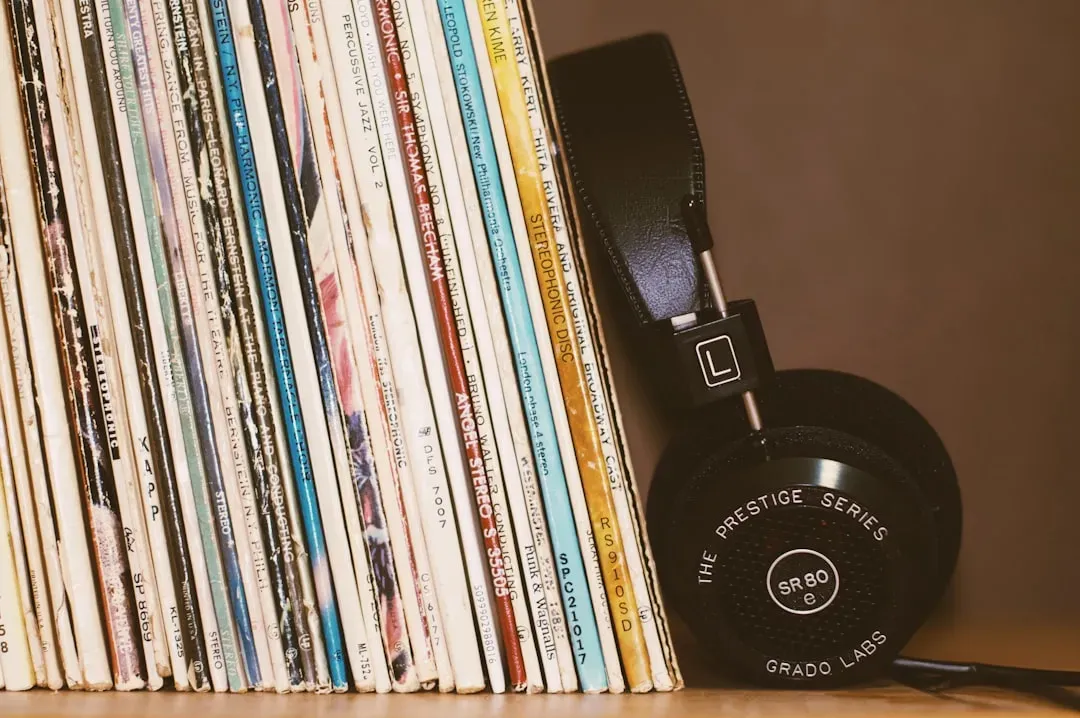
It became fashionable to declare CDs and vinyl finished. The reality has been more complicated. Vinyl sales continue to climb year after year, showing that the format has moved well beyond its retro reputation – for many listeners, it has become the centerpiece of their music experience, blending analog character with the ritual of playing a record.
CDs are also enjoying a quiet revival, with collectors and younger listeners starting to appreciate them for their affordability compared to vinyl, their availability, and reliable sound quality – making them an accessible way to build a personal library without breaking the bank. Physical formats haven’t returned to commercial dominance, but writing them off entirely misses what they still offer: ownership, tangibility, and a different quality of attention.
10. Letting the Algorithm Decide Everything

Streaming platforms are improving their suggestions through the use of new and advanced artificial intelligence and machine learning, adopting initiatives like Spotify’s AI DJ, which takes into account listeners’ musical preferences as well as factors such as their location, time of day, and current weather. The personalization is genuinely impressive. The risk is becoming entirely passive about your own taste.
Algorithmic systems can sometimes lead to repetitive or predictable outcomes, lacking the diversity and unexpected discoveries that human curators might provide. Research from the UK government found that the vast majority of listeners are concerned that algorithmic bias could lead to music from certain genres being unfairly prioritised over others. Letting the algorithm run on autopilot is convenient, but occasionally pushing back – seeking out something unfamiliar, following a recommendation from a real person, or exploring an artist’s full catalog rather than their top five tracks – tends to make for a richer listening life overall.
Music has never been more accessible or more abundant than it is in 2026. The global music streaming market was estimated at nearly 47 billion dollars in 2024 and is projected to more than double to over 108 billion by 2030. With that much sound available at any moment, the habits worth holding onto are the ones that actually deepen the experience – everything else can probably go.