Some songs arrive with a mission statement. Others just show up and accidentally rewrite the rules. The ones in the second category tend to be the more interesting – because nobody planned the revolution, the music had to be genuinely good enough to start one on its own.
What follows are six tracks that didn’t set out to topple a genre, define a movement, or open new territory for future artists. They were simply made, released, and then the world caught up to them – sometimes slowly, sometimes overnight. These songs often combined innovation with a perfect storm of timing, attitude, and cultural shift. While they may not have been conceived as genre starters, history has a way of anointing them as exactly that.
1. Nirvana – “Smells Like Teen Spirit” (1991): The Flannel Shirt That Buried a Decade

When “Smells Like Teen Spirit” exploded onto the radio in 1991, no one expected a scruffy trio from Seattle to knock hair metal off its throne. The raw, unfiltered angst in Kurt Cobain’s voice and the fuzz-drenched guitars didn’t just define grunge – they made it the sound of a generation overnight. Kurt Cobain himself reportedly felt uneasy about the song’s commercial reach, having written something he later described as his attempt at a Pixies-style pop song.
The track certainly wasn’t the first grunge song ever written, as grunge had been a twinkle in the eye of many a Seattle-born musician for a while. However, while it might not have been the first grunge song, it was certainly the one which skyrocketed the genre to being one of the most exciting in the mainstream. By the end of 1992, grunge outsold glam metal by a shocking margin, with Nirvana’s album “Nevermind” selling over 30 million copies worldwide. MTV played the music video on heavy rotation, and suddenly flannel shirts replaced leather pants everywhere.
2. The Sugarhill Gang – “Rapper’s Delight” (1979): A Party Trick That Built an Industry
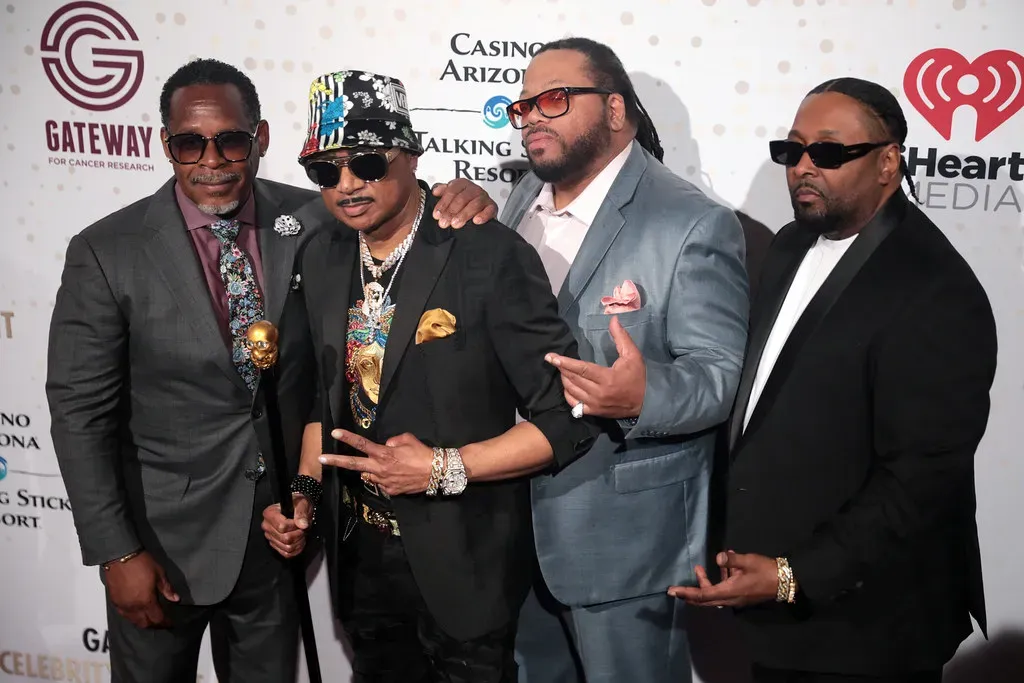
Prior to the success of “Rapper’s Delight,” hip hop was little known outside of New York City. The basic elements of hip hop – MCs rapping, DJs mixing and scratching, B-Boys break-dancing – were all in place by 1979, but you could not walk into a record store in Times Square and buy a hip hop album. Hip hop was something you had to experience live, in clubs and at parties in neighborhoods like the South Bronx and Harlem.
“Rapper’s Delight” is credited for introducing rap music to a wide audience, reaching the top 40 in the United States, as well as the top three in the United Kingdom and number one in Canada. It was a prototype for various types of rap music. In 2011, the U.S. Library of Congress added “Rapper’s Delight” to the National Recording Registry. The induction statement says the song’s “inventive rhymes, complex counter-rhythms, and brash boastfulness presage the tenets of hip hop.” In 2014, it was inducted into the Grammy Hall of Fame.
3. Bob Dylan – “Like a Rolling Stone” (1965): When Folk Music Lost Its Patience
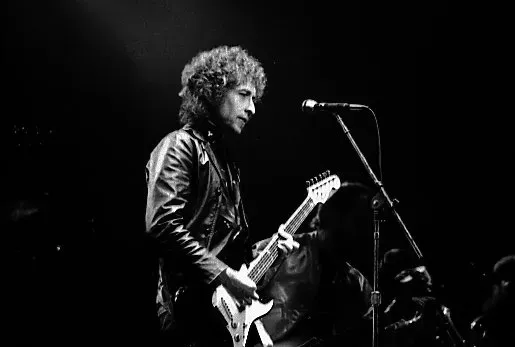
Bob Dylan’s “Like a Rolling Stone” didn’t just break rules – it set new ones. Released in 1965, it shocked folk music fans with its electric guitar and biting lyrics. The song’s six-minute runtime was unheard of for radio hits at the time, but it became a smash anyway. Audiences at the Newport Folk Festival famously booed when Dylan went electric, which suggests nobody in the room fully understood what was happening in real time.
Dylan’s blend of poetic storytelling and rock bravado opened the floodgates for artists who didn’t fit neatly into one genre. The song’s influence is still felt today, with artists from Bruce Springsteen to Adele citing Dylan as inspiration. It was a bridge between worlds, and it made crossing over the new normal. Folk music, as it had existed, would never be quite the same.
Partner offer
4. Led Zeppelin – “Communication Breakdown” (1969): The B-Side That Built Heavy Metal
Released at the tail end of the 1960s, Led Zeppelin’s debut album signaled a massive shift in rock ‘n’ roll. Psychedelic “flower power” was on its way out, and bands were dabbling increasingly in hard rock. Bands such as Black Sabbath, Led Zeppelin, and Deep Purple took over, steering the direction of rock music. Nobody in the band was sitting down to invent a genre – they were simply playing harder and louder than anyone around them.
“Communication Breakdown” was the B-side of the band’s first single release, “Good Times Bad Times.” The B-side track is credited with the creation of metal in 1969. The song explodes with fast and crunchy guitar tone, igniting the metal genre and influencing decades of metal players to come. Flower power was out, hard rock and metal were in. It’s a particular irony that such a consequential track arrived on the back of a single, almost as an afterthought.
5. Daft Punk – “One More Time” (2000): French House Meets the Global Mainstream
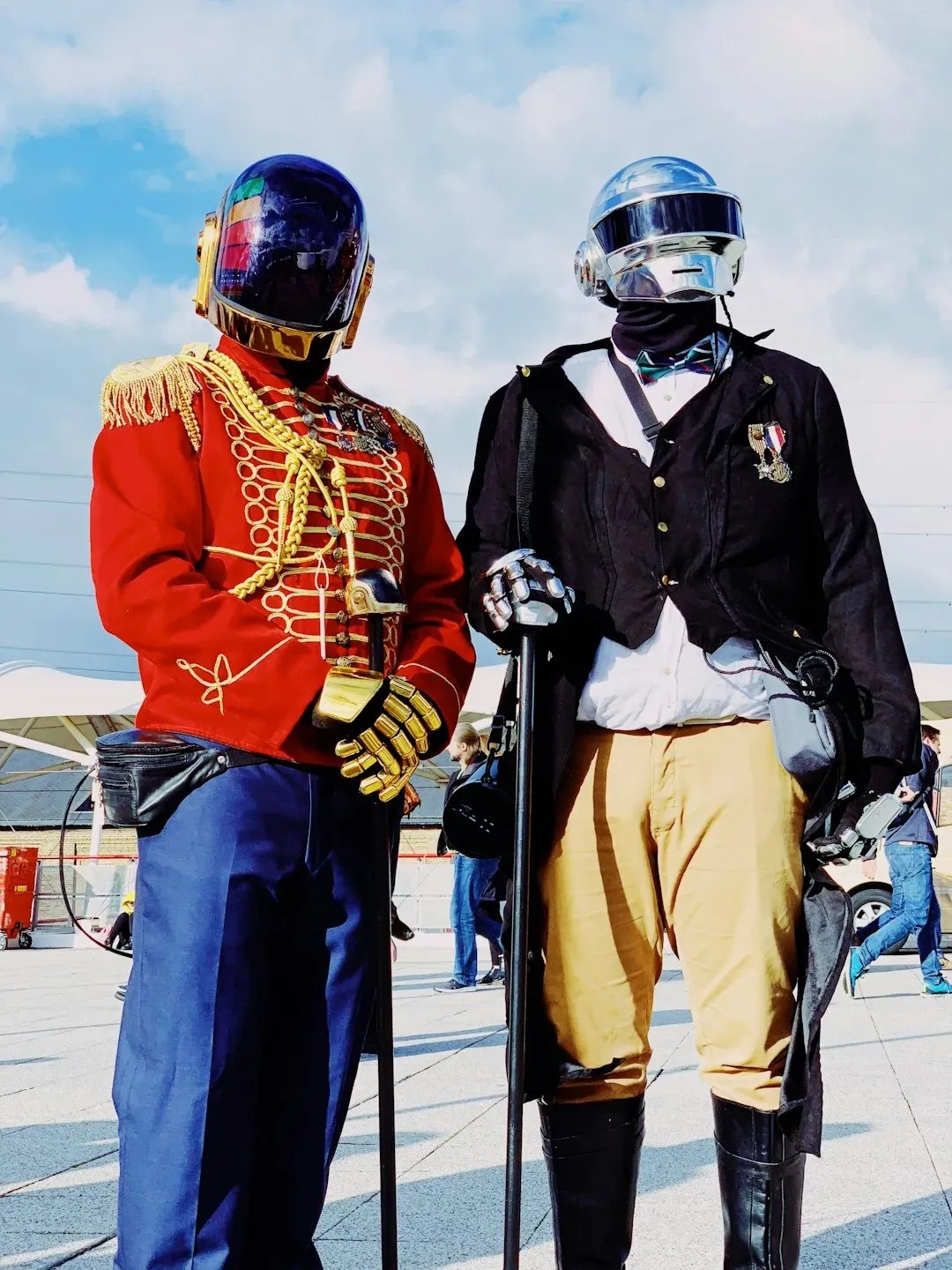
After their first album, “Homework,” the two French robots were expected to keep making raw club tracks. Instead, they gave us “One More Time,” the first single from their “Discovery” album. It marked a shift from the Chicago house style of their first album to a house style more heavily inspired by disco, post-disco, garage house, and R&B. The pivot wasn’t a commercial calculation – Daft Punk were chasing nostalgia and childhood feeling, not chart positions.
Pitchfork wrote that it “distill[s] 25 years of pop and house into five and a half minutes of first-time joy.” Daft Punk undoubtedly helped to lay the path for EDM, the nebulous trend that saw electronic dance music filter its way into the global consciousness in the late 2000s, particularly in the US. Avicii claimed that his entry to electronic music was “listening to a lot of Daft Punk, way before I knew what house music was”; Swedish House Mafia called Daft Punk “our heroes in all ways possible.”
6. Green Day – “Basket Case” (1994): Punk’s Unlikely Comeback Kid
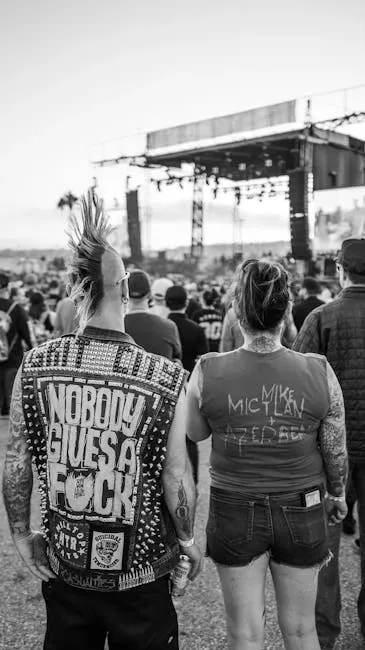
Born directly out of the alternative rock movement set forth by Nirvana, Green Day released the “Dookie” album in 1994. “Longview” was the first single released, but it was “Basket Case” later that year that solidified a shift in alternative music. Kurt Cobain’s death in April 1994 made it feel like grunge was coming to a premature end. Into that uncertain space, Green Day walked with something that felt almost offensively cheerful – tight, melodic, three-minute punk with a sense of humor.
A punk rock group hadn’t been as catchy as Green Day since The Ramones, and the band’s sound brought lively punk rock to the mainstream. MTV played the “Basket Case” music video on regular rotation, and the next two singles, “Welcome to Paradise” and “When I Come Around,” also dominated the airwaves. Grunge was on its way out, and the newly created pop-punk was in. What Green Day couldn’t have predicted was that this sugar-coated version of punk would anchor an entirely new genre and soundtrack the adolescence of a generation that hadn’t even been born when the Sex Pistols played their first show.
There’s a pattern worth noticing across all six of these songs: none of the artists described themselves as launching a movement. They were solving smaller creative problems – how to play harder, how to get a party going, how to record something that felt true. The movements followed on their own. Genres don’t exist in a vacuum. As much as people have tried to pioneer their own genres and proclaim them as loud as they can, nothing really turns into a social movement until the rest of the world hears your work and decides to follow your lead. That, more than anything, is what makes these songs worth revisiting – not as historical artifacts, but as proof that the most consequential things in music are often made without a blueprint.
Partner offer
Planning a trip to Vegas?
Compare hotel rates and show tickets on VEGAS.com.