
Most visitors who land in Las Vegas come with a modest budget, a wish list of shows, and a rough idea of what they can afford to lose. Then there is another kind of visitor entirely – one who arrives on a private jet, bypasses the casino floor entirely, and settles into a private baccarat room where a single hand might cost more than a house. These are the whales, and their psychology is nothing like that of the average tourist.
Understanding what drives a person to wager millions in a weekend is not a simple question. It touches on brain chemistry, ego, cultural status, the seduction of luxury, and sometimes, the blurred line between wealth and compulsion. What follows is a close look at the forces that pull the world’s biggest gamblers back to the Strip, again and again.
Defining the Whale: Who Qualifies?
A high roller, also referred to as a whale, is a gambler who consistently wagers large amounts of money. The distinction between a high roller and a true whale, though, comes down to scale. In a nutshell, both a whale and a high roller refer to players who wager large amounts of money, but there’s a slight difference in scale and recognition. A high roller is someone who regularly places big bets and enjoys VIP treatment, but not necessarily to extreme levels. A whale is an even bigger spender – someone who bets extremely large sums, often far beyond what typical high rollers do.
Las Vegas whales have a normal budget of one million to twenty million dollars and could easily be up or down millions in a weekend. Their bets are usually more than twenty-five thousand dollars per hand, and they take delight in the very best freebies, comps, and perks from the casino. In Las Vegas, bet limits are typically between one hundred fifty thousand and three hundred thousand dollars.
The Dopamine Engine: How the Brain Gets Hooked

At the core of gambling addiction is the brain’s reward system, particularly the role of dopamine. Dopamine is a neurotransmitter that is released during pleasurable activities, including gambling. When a person wins a bet, their brain releases a surge of dopamine, creating a feeling of euphoria. This reinforces the behavior, encouraging the individual to gamble again to experience the same high.
As someone gambles more and more, their brain begins to build up a tolerance for the dopamine released by gambling. Over time, the brain’s reward system gets overused, and betting the same amounts no longer produces the rush of good feelings it once did. When the brain’s reward system is blunted, those craving more dopamine must take bigger and bigger risks to achieve the same high. For a whale, this cycle can escalate to extraordinary levels – the stakes must keep climbing simply to feel the same thing.
The Illusion of Control: Cognitive Distortions at High Stakes
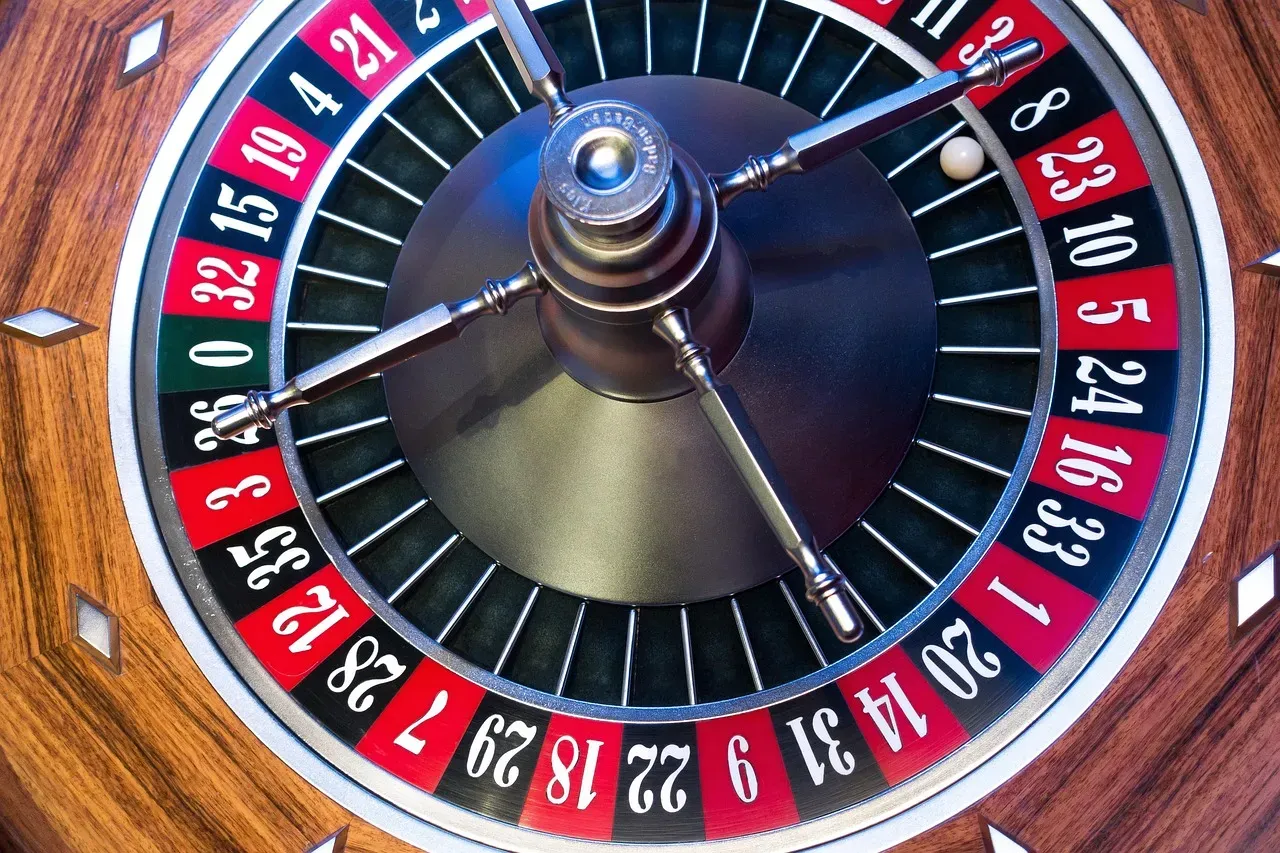
Gambling games promote an ‘illusion of control’ – the belief that the gambler can exert skill over an outcome that is actually defined by chance. This illusion runs deep among elite players, many of whom build elaborate personal rituals, betting strategies, or superstitions that create a subjective sense of agency. Both near-misses and personal choice cause gamblers to play for longer and to place larger bets. Over time, these distorted perceptions of one’s chances of winning may precipitate ‘loss chasing,’ where gamblers continue to play in an effort to recoup accumulating debts.
Research to date shows that pathological gamblers and drug addicts share many of the same genetic predispositions for impulsivity and reward seeking. The whale who believes their pattern of play gives them an edge is not necessarily irrational – some games do reward strategy – but the psychological scaffolding around that belief can make stepping away feel almost impossible.
Status, Power, and the Performance of Wealth

Cultural attitudes vary widely across regions when it comes to gambling. In some cultures, gambling is viewed as a thrilling form of entertainment, where high-stakes players are admired for their daring and financial prowess. In places like Las Vegas, high-roller casinos often host celebrity players, further glamorizing the lifestyle surrounding gambling.
For many whales, the casino is not just a place to gamble – it is a stage. Wagering vast sums in full view of other players and staff communicates wealth and fearlessness in a way that few other settings allow. Casino whales are easily among the most admired gamblers, mainly because of how much they wager. Many are already successful people, ready to spend even more money to enjoy it. The act of gambling, at this scale, becomes intertwined with identity itself.
The VIP Trap: How Casinos Manufacture Loyalty

High rollers often receive lavish comps from casinos to entice them onto the gambling floors, such as free private jet transfers, limousine use, and use of the casinos’ best suites. Casinos may also extend credit to a player to continue betting, and offer rebates on betting turnover or losses. These incentives are engineered with precision, and they work.
Casinos go to great lengths to cater to their high rollers, often offering VIP programs and incentives that reinforce their loyalty. Such programs are designed not only to reward whales for their patronage but also to encourage continued play. Unique perks might include comped luxury accommodations, private gaming tables, and customized services that ensure the player feels valued. However, while these incentives can be beneficial for whales, they also present a risk. Some may fall into the trap of gambling beyond their means, swayed by the luxurious lifestyle and hidden pressures within the casino environment.
The Game of Choice: Why Baccarat Rules the High-Stakes World
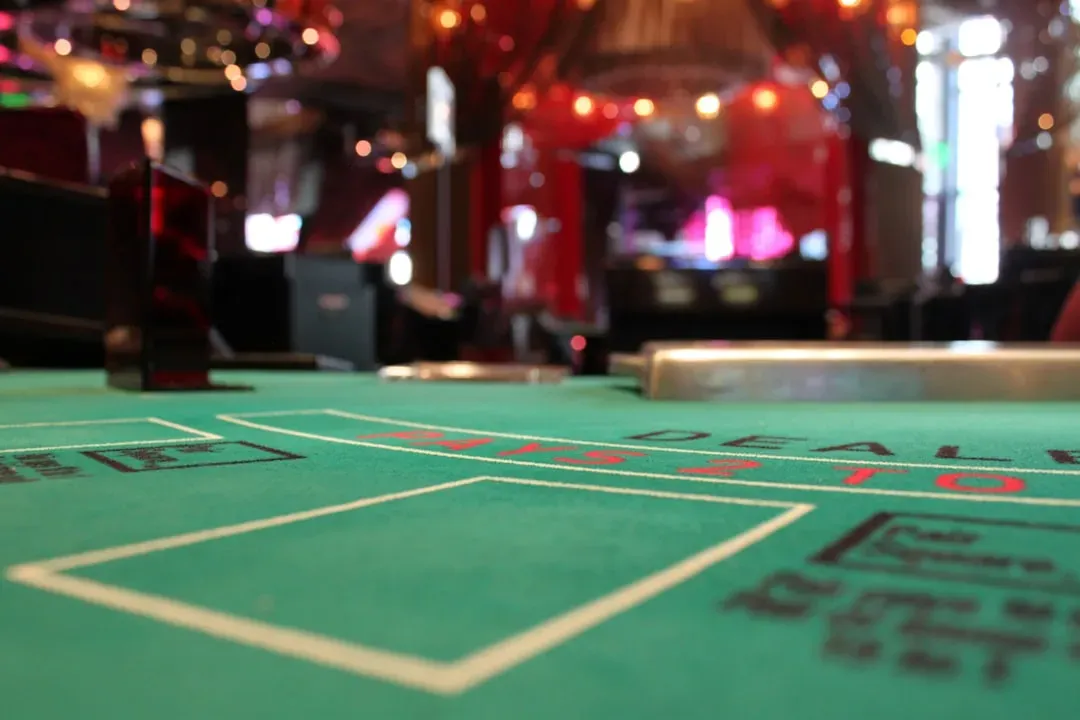
Baccarat remains the primary instrument for high-stakes engagement due to its low house edge and the potential for significant payouts. Its simplicity is a draw – there are no complex decisions to slow things down, which means large sums can move very fast. Baccarat has long been the preferred medium for the world’s most aggressive gamblers. The game’s mechanics, characterized by a low house edge and rapid-fire rounds, cater to those seeking high engagement.
The numbers confirm just how much whales move the needle through this one game alone. Baccarat alone generated over one hundred sixteen million dollars in Nevada in August 2025, a more than fifty percent increase, as high-roller play surged across the Strip. The Strip’s strong performance in recent months was partly due to baccarat revenue, which rose fifty-one percent compared to the same period the prior year. A handful of players – sometimes literally a handful – can swing a casino’s monthly figures dramatically.
The Revenue Reality: How Much Whales Actually Matter
High rollers can account for a disproportionate share of a casino’s gross gaming revenue, sometimes exceeding forty percent in major hubs like Las Vegas or Macau. Individual players have the capacity to impact the monthly financial performance of entire gaming jurisdictions through concentrated high-stakes action.
Just three percent of players bring in nearly a quarter of Las Vegas revenue. This concentration is remarkable. Nevada’s nonrestricted casino licensees won fifteen point eight billion dollars from gamblers in 2025, a year-over-year increase of one point two percent over the previous record set in 2024, according to the state Gaming Control Board. That record was achieved even as overall visitor numbers fell – a sign that fewer, higher-spending players are carrying an increasing share of the load.
Famous Whales and the Legends They Left Behind

The story of Archie Karas, known simply as “The Run,” is perhaps the most extreme example of volatility in gambling history. Karas arrived in Las Vegas in 1992 with fifty dollars and turned it into forty million dollars over the course of three years. This was achieved through a combination of poker, pool hustling, and high-stakes craps. However, the same mechanics that allowed for his rapid ascent also ensured his downfall. In a matter of weeks in 1995, the outcomes of baccarat and craps turned against him. He lost the entirety of his forty-million-dollar fortune, proving that without a structural mathematical advantage, even the most legendary winning streaks are subject to regression to the mean.
There have been many cases where high rollers have committed fraud to provide funds for gambling beyond their means, after becoming seduced by the lifestyle. This was the case with famed gambler Terrance Watanabe, who reputedly lost over two hundred twenty million dollars in Las Vegas over a five-year period, and was ultimately sued by Caesars Entertainment for failing to pay up on markers totaling fourteen point seventy-five million dollars. These stories are extreme, but they are not isolated.
The Darker Psychology: When Control Becomes Compulsion

Casino whales are among the easiest to develop a gambling addiction since the thrill is almost ten times that of regular players because of the high stakes attached to it. The same intensity that makes high-stakes gambling exciting makes it dangerous. Gambling addiction is classified as an impulse control disorder and shares similarities with substance use disorders. It involves persistent and recurrent problematic gambling behavior that leads to significant impairment or distress.
Research using brain imaging has shown that dopamine synthesis capacity was increased in pathological gamblers compared with healthy control subjects. This suggests a neurological basis for why some gamblers cannot stop even when the losses become catastrophic. Men outnumber women at a ratio of about two to one among people with gambling addictions, although there is a growing number of women with the disorder. Among elite-level whales, the profile skews heavily male, and the financial buffers that protect them from immediate ruin can, paradoxically, allow the compulsion to grow unchecked for much longer.
Las Vegas in 2025 and 2026: Still the Whale’s Destination

Officials from leading operators have said for several quarters that higher-net-worth play is holding up better in Las Vegas than lower-value segments. Only about a quarter of respondents reported household income of less than one hundred thousand dollars, while nearly half came from the highest income bracket of one hundred fifty thousand dollars and above.
According to the Las Vegas Convention and Visitors Authority, thirty-eight point five million people visited the city in 2025, down seven point five percent from 2024 – the first year-over-year decline in the post-COVID era. Yet gaming revenue held firm, proving once again that the economics of Las Vegas increasingly rest on a narrower, wealthier base of players. In the US, Las Vegas remains the primary destination for high rollers. Unlike Macau, where baccarat reigns supreme, Las Vegas offers a broader variety of games, including poker, blackjack, and roulette, which attract different types of high rollers. The whale, in short, is not going anywhere – and Las Vegas is still building its entire world around them.
Conclusion: Money, Mind, and the Pull of the Table
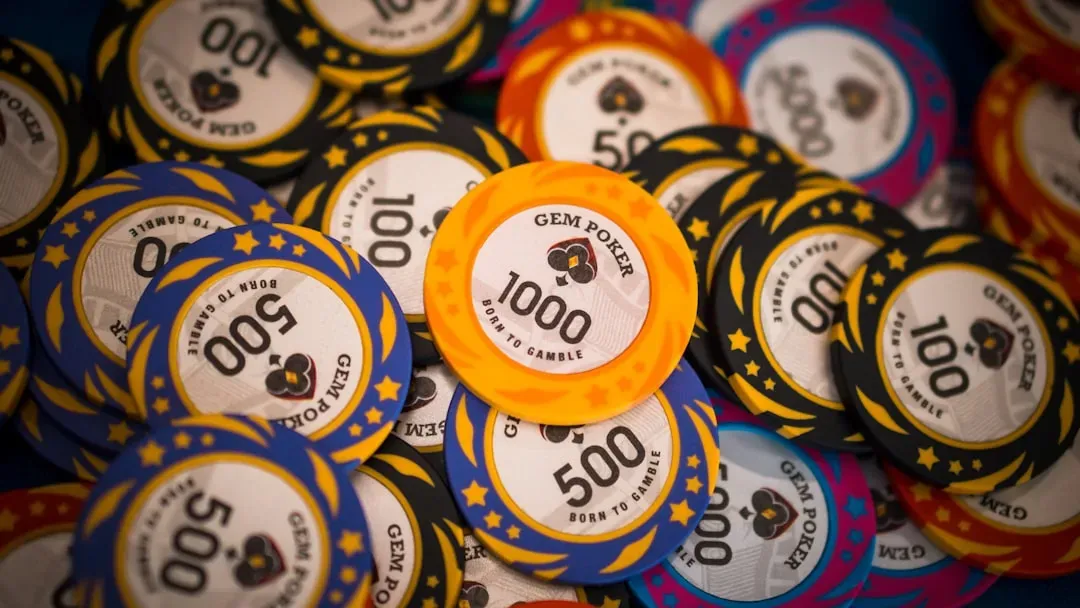
The whale is not simply a rich person who gambles. They are a product of brain chemistry, cultural conditioning, psychological need, and an environment expertly designed to keep them playing. There are probably only one hundred to two hundred true whales or premium players in the world, and they can make or break a casino’s month. That is a remarkably small group to carry so much economic weight.
What is perhaps most striking is the gap between the image and the reality. The penthouse suite, the private jet, the stacks of chips – these look like freedom. In many cases, though, the whale is caught in the same neurological loop as any other gambler. The stakes are just incomprehensibly higher. Las Vegas understands this perfectly, which is exactly why the red carpet is always rolled out, the baccarat tables are always ready, and the private jets are always fueled.