Some cities carry their scars openly. Others bury them beneath new concrete and fresh paint. A few rare places do something harder and stranger: they hold grief and growth in the same hand, not resolving the tension between them, but learning to live inside it. This is the particular condition of cities that have been shattered and remade, sometimes more than once, and it shapes everything from the way residents mourn to the way they organize, build, trust each other, and imagine what comes next. Understanding how these places process collective loss is not a sentimental exercise. It is a serious question about urban governance, mental health, social cohesion, and the conditions under which communities can actually recover and not just appear to.
What Collective Trauma Actually Means at the City Scale
Collective trauma refers to the profound impact of traumatic events that disrupt and reshape entire groups, communities, or societies, influencing shared experiences, memories, and social dynamics. At the city scale, this is not simply the sum of individual wounds. It lives in the streets, in the patterns of who returns, who leaves, and who is never spoken about.
These traumatic disruptions can alter relationships, influence policies and governmental processes, transform societal structures, and redefine social norms. That reach makes collective trauma a planning problem as much as a psychological one. Cities that ignore this dimension often find that standard rebuilding programs fall short in ways that are hard to diagnose.
Unlike trauma experienced at the individual level, collective trauma affects people as part of a larger social entity. The implication is significant: individual therapy, however necessary, cannot fully address what is by nature a shared wound. Recovery has to happen somewhere in public life.
New Orleans and the Long Shadow of Katrina
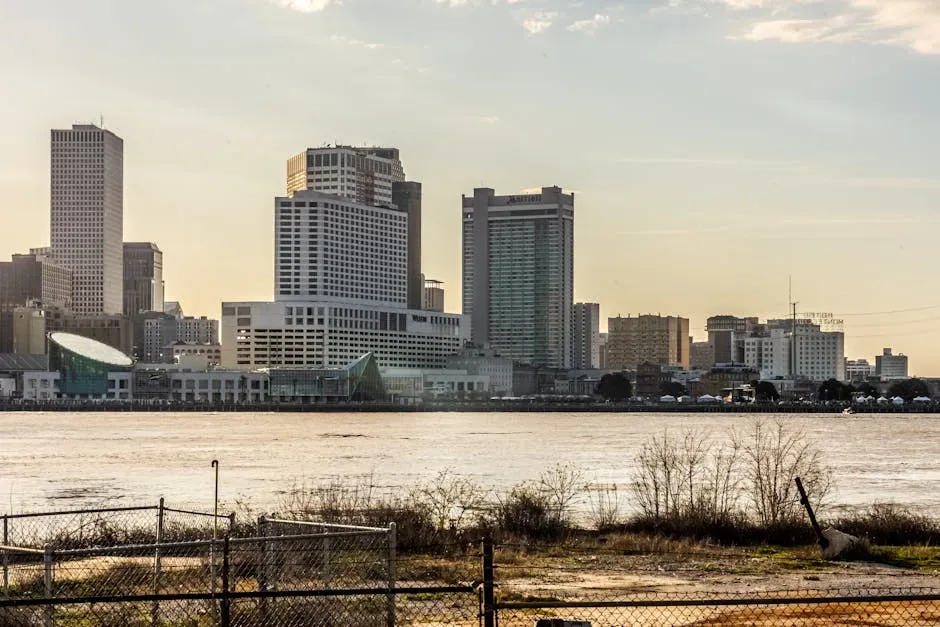
It has now been 20 years since the crushing tropical cyclone submerged at least 80 percent of New Orleans. The city became one of the most studied cases of urban collective trauma in modern history, and what researchers found upended some basic assumptions about how recovery works.
Using survey data from New Orleans residents, research found that housing damage and being a renter were linked to greater emotional distress. These poor mental health outcomes often persisted for more than a decade after the hurricane; in fact, a delayed onset of PTSD symptoms was common after Hurricane Katrina, which short-term disaster programs fail to address.
Hurricane Katrina is embedded in New Orleanians’ culture to this very day, from the anger of not feeling prioritized by this country, to the grief of mourning what they’ve lost and what could’ve been, to the art of finding collective joy and restoration despite it all. That layering of grief, anger, pride, and culture is not a contradiction. It may be exactly what urban survival looks like.
The Housing Variable: Who Gets to Return
The 1.2 million residents who fled their homes overwhelmed governmental capacity to provide emergency shelter and transition those whose homes were damaged or destroyed into temporary shelters and housing. The sheer scale made orderly return nearly impossible, and the consequences rippled through mental health outcomes for years.
Many Gulf Coast residents were able to return to their homes after Katrina, with studies showing better mental health outcomes for this group than for those who relocated or were unstably housed. Others never returned, permanently relocating to other areas. The ability to go home, it turns out, is not just a logistical matter. It is deeply tied to psychological recovery.
Research found three factors that came up in conversations with New Orleans residents in determining whether to return to the city or relocate: post-Katrina housing affordability and the cost of living, including increases in insurance and taxes; family ties and social support; and a strong attachment to New Orleans. Grief here is inseparable from economics, and resilience is not equally available.
Tokyo: A City That Made Rebirth Part of Its Identity
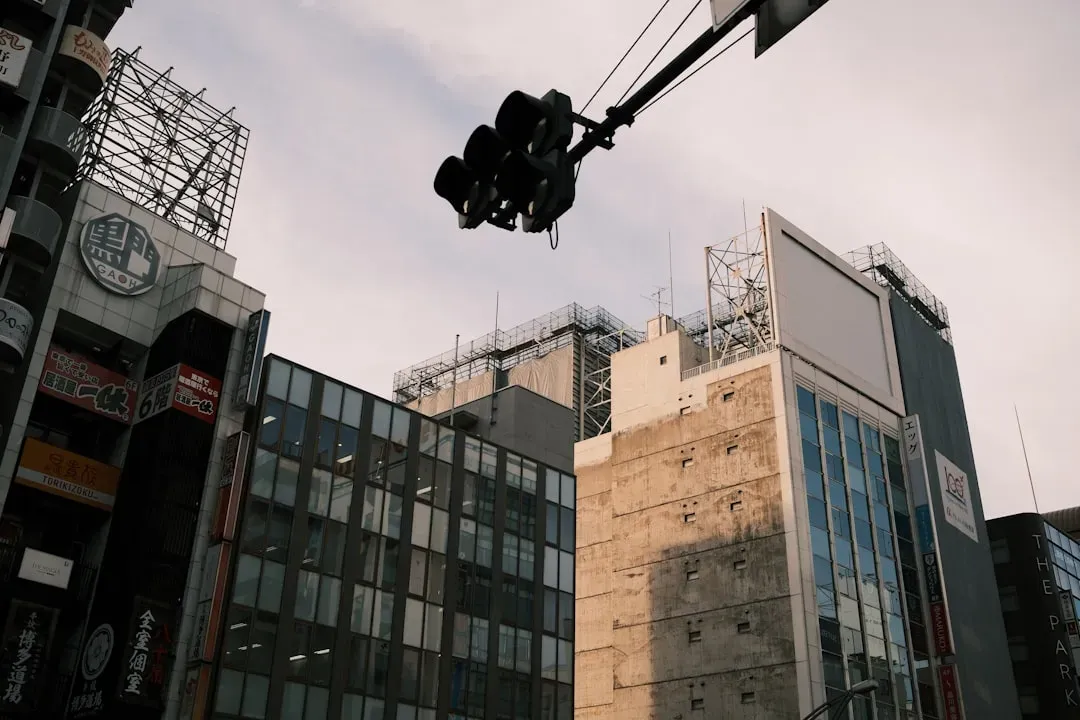
During the Great Kanto earthquake in 1923, nearly half of the city was destroyed by fire. In the process of rebuilding, Tokyo developed new parks, schools, roads, bridges, and housing, transforming itself into a modern city and laying the foundation for the Tokyo we know today, a century after the disaster.
Tokyo, ranked second on the Savills Resilient Cities Index for 2024, is uniquely placed to provide resilience because of its experience of rebuilding after natural disasters. That ranking is not incidental. Decades of institutionalizing lessons from catastrophe have produced a city that treats preparedness as a civic inheritance.
Fire and disaster prevention training is a high priority for the city, with the Tokyo Fire Department reporting that it held almost 10,000 drills in the fiscal year 2024, with nearly 1.5 million participants, focused on firefighting, evacuation, and first aid. Repetition of this kind is, in its own way, a form of collective memory expressed not in stone but in practiced movement.
Memory in Stone: The Role of Memorials
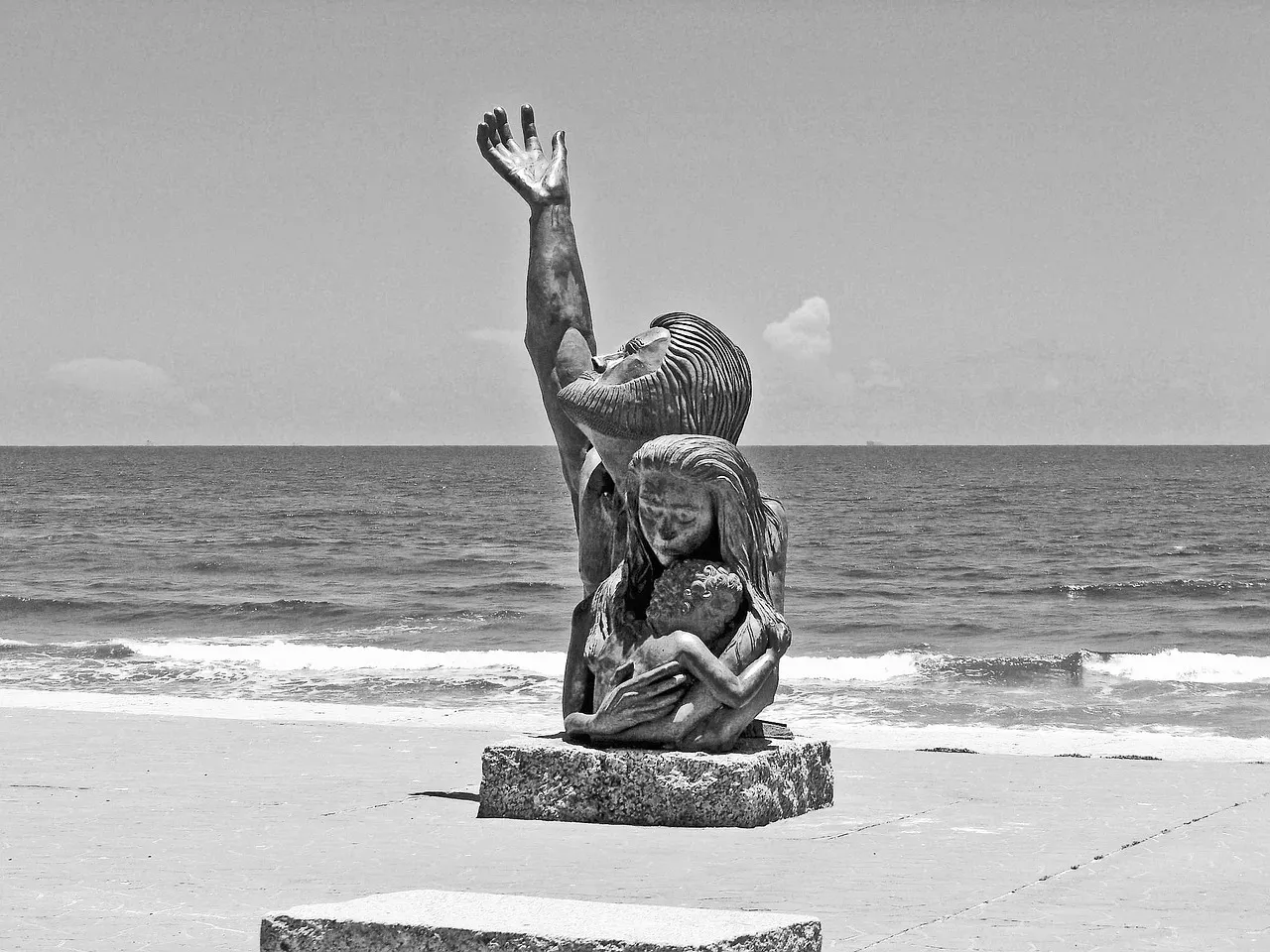
Disaster memorials are more than physical structures; they are examples of collective memory that represent loss, resilience, and the stories societies choose to remember. Cities that have survived catastrophe face an enduring question: what to preserve, what to demolish, and what that choice says about the community’s relationship with its own history.
In Japan, following the 2011 earthquake and tsunami, the question became viscerally concrete. In most cases, buildings where people died were eventually dismantled, even if their preservation was initially debated. Aside from a few exceptions, such as the Minamisanriku Disaster Prevention Center, which had only been temporarily preserved until it was officially declared a disaster heritage site in March 2024, Okawa Elementary School remains a rare example of a disaster heritage site explicitly memorializing loss at the site itself.
Memorialization is an act of communication that transcends architecture. When done right, it can promote healing, dialogue, and historical continuity. The Grenfell Tower in London offers a harder case: as Britain’s deadliest residential fire since World War II, its aftermath has seen the charred 24-storey tower remain standing as of Spring 2025. Proposals oscillate between demolition and preservation as a symbol of remembrance and a demand for accountability amid stalled justice efforts.
Culture as the Unseen Infrastructure of Recovery
Culture is the foundation upon which cities are built. Cities are not just a collection of buildings but are people, their stories, and how they interact with each other through their cultural identity and sense of place. In post-disaster contexts, this idea carries real practical weight, not just rhetorical value.
The collective act of rebuilding shared heritage can be the impetus for community rebirth, such as the post-conflict reconstruction process of religious and cultural sites in Timbuktu, Mali. When cultural continuity is preserved, communities have something to organize around that is larger than a government program.
Local contexts may vary, but successful policies must be both place-based as well as people-centered. While place-based strategies prioritize the reconstruction of physical assets, people-centered strategies can strengthen community ownership and social inclusion, improve livability of the built environment, and accelerate the socioeconomic recovery of cities.
Peer Support and the Limits of Top-Down Healing
Trauma-informed care research has found that interventions that increase a community’s feelings of connection can reverse the sense of isolation and mistrust that often results from collective trauma, after events such as natural disasters. This is an important finding because it shifts the locus of recovery away from clinical services alone.
Peer support is crucial in trauma recovery, as communities can create networks for shared experiences, mutual understanding, and encouragement in safe spaces for sharing, discussing challenges, and celebrating progress. In practice, this means that the most durable recovery infrastructure in a city may be its social fabric, not its rebuilt hospitals or housing stock.
In terms of building capacity to support equitable and meaningful civic, political, economic, and social participation, particularly among those living in trauma-impacted communities, traditional community-building approaches tend to fall short. Research reveals that many aspects of traditional approaches to community transformation can further perpetuate trauma and do not support holistic well-being.
The Problem of Grief Work in Urban Policy
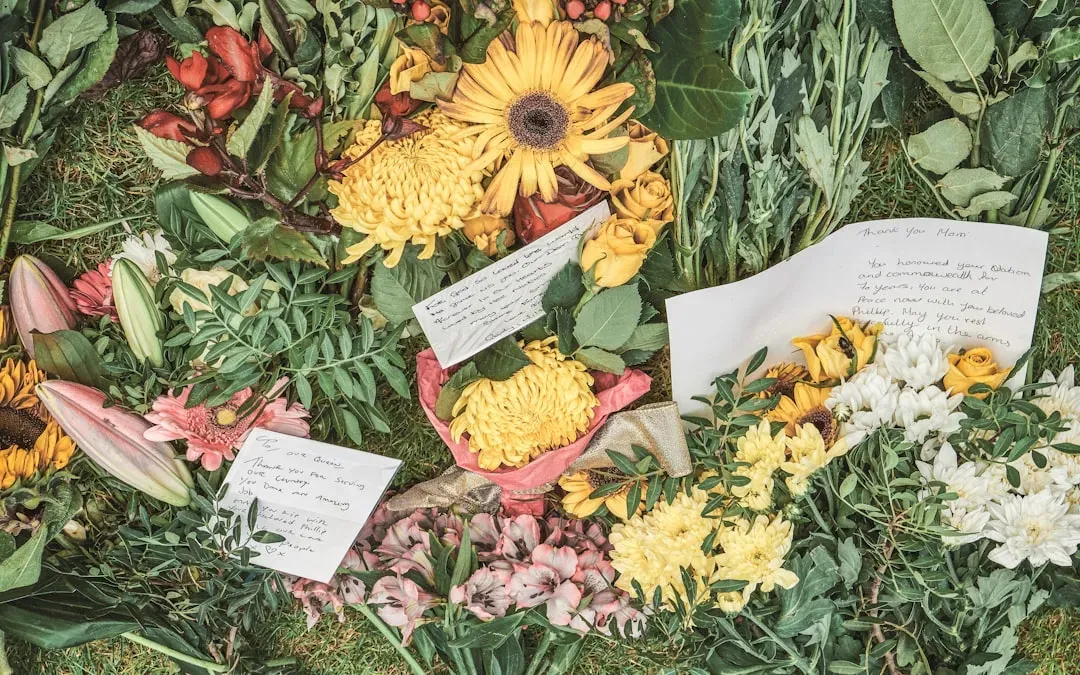
Often, community trauma is intertwined with a tremendous sense of loss and stress at both the individual and community levels. It is essential to create support mechanisms for residents to understand and cope with the ongoing retraumatization from racism, injustices, and structural harms.
Recognizing the importance of remembering and allowing space for grief is essential to foster healing and memorializing cultural cornerstones in ways that can contribute to sustained change in communities. Urban policy rarely carves out explicit space for grief, yet its absence is felt in community health data, civic disengagement, and ongoing social fragmentation.
Mental health services should be available to residents at least a year after a disaster, not just a few months. While recovery programs at the federal level need longer-term models and investments, focusing at the community level is also critically important. The implication for cities is clear: grief has a longer timeline than most recovery budgets acknowledge.
When Rebuilding Can Reinforce Inequality
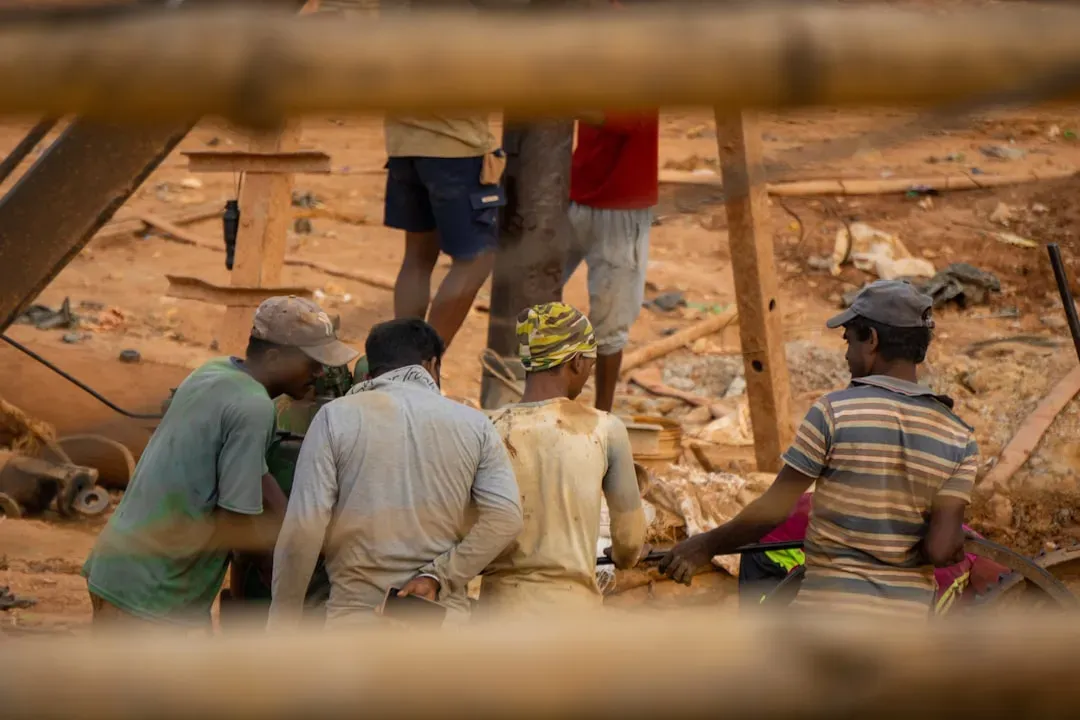
The burdens borne by communities affected by generational trauma, including displacement, violence, exclusion, disenfranchisement, and cultural erasure, perpetuate high stress, isolation, and disengagement from the civic participation that is needed for capacity and coalition-building efforts to be truly community-led. This pattern is consistently visible in post-disaster data.
Disaster recovery presents a unique opportunity to improve the built environment. The repairing and rebuilding of hundreds or thousands of structures provides a chance to upgrade construction quality and increase resilience. However, disaster survivors typically prioritize speed and certainty over experimentation, which means that voluntary-improvement programs sometimes can be more practical than mandatory ones.
Among the key challenges of urban resilience is the economic dimension: economic inequality, economic crisis, and shortage of affordable housing. These structural fault lines do not disappear after a disaster. They tend to widen, precisely when cities are most vulnerable and least equipped to address them.
What Cities That Grieve Well Actually Do

Five key intervention principles should guide and inform efforts at the early to midterm stages of a disaster event: promote a sense of safety; promote calm; promote a sense of self and collective efficacy; promote connectedness; and promote hope. These principles were empirically found to restore social and behavioral functioning after disasters.
Programs like TRHT use healing circles and cross-sector, cross-community conversations that help repair harm through deep listening, uncovering shared values, and lessening power differentials. An important principle at work is that trauma healing and collective action are mutually reinforcing. Cities that understand this do not treat grief as a detour from rebuilding but as part of the work itself.
As recent analysis from the OECD underlines, restoring citizens’ trust in institutions through inclusive governance and reliable service delivery is essential to resilience and stability. Trust, it turns out, is not a soft outcome. It is the infrastructure that everything else depends on. Cities built on rebirth know this, not as a theory, but as a lesson paid for in loss.
— The cities that handle collective trauma best are not necessarily the ones that rebuild fastest. They are the ones that understand grief as a civic process, not just a private one. They create space in policy, in public architecture, in community programs, for something that resists being scheduled or measured: the slow, nonlinear work of mourning together. That work is never truly finished. It becomes part of the city’s character, threaded into how residents relate to place, to each other, and to the idea that after a city falls, its people can still choose to stay.