
Something has quietly shifted in the texture of daily urban life. Cities have always been loud, fast, and relentless, but layered on top of that familiar rush is now an invisible second city, one made of pings, push notifications, endless scroll, and the expectation that you are always reachable. For millions of people living in densely connected urban environments, the online world no longer switches off when the workday ends. It follows them home, into their beds, and even into their supposed moments of rest.
The cost of this arrangement is becoming harder to ignore. Mental health researchers, occupational scientists, and public health bodies are all arriving at a similar conclusion: constant digital connectivity is taking a measurable toll on how people think, feel, sleep, and function. Understanding that toll, and what drives it, matters now more than it ever has.
The Scale of the Problem: How Much Time We Actually Spend Online

The average person globally now spends more than six hours per day online, with younger users consistently exceeding that figure due to social media, streaming, and messaging habits. These are not passive hours spent in quiet reading. They are fragmented, stimulation-heavy, frequently interrupted blocks of time that rarely allow the mind to fully settle. The sheer volume of content being consumed each day would have been unimaginable to someone living just two decades ago.
Urban residents face a compounding problem. Evidence indicates that urbanization uniquely affects digital behavior; urban residents often face environmental pressures associated with city life, which can heighten psychological stress and contribute to patterns of digital overuse. The city itself creates stressors that people increasingly manage through their phones, which means the device becomes both a source of relief and a source of further strain. It is a cycle that is very difficult to step out of without deliberate effort.
Anxiety, Depression, and the Smartphone Connection

The research linking heavy smartphone use to anxiety and depression has grown considerably more consistent in recent years. U.S. data from the National Center for Health Statistics found that roughly one in four teenagers with four or more hours of daily screen time had experienced anxiety or depression symptoms in the past two weeks. That association grows stronger the more screen time increases, and it holds across different age groups, not just adolescents.
Two separate studies of smartphone habits in teenagers identified links between problematic smartphone use and depression, anxiety, and insomnia, with researchers finding that the connection held across two different adolescent age groups using two different research methods. For adults, the picture is similar. Studies have shown a correlation between heavy social media use and depression, anxiety, loneliness, and suicidal ideation. The relationship is not simple, but the direction of the evidence is hard to argue with.
The Notification Trap: What Interruptions Do to the Brain
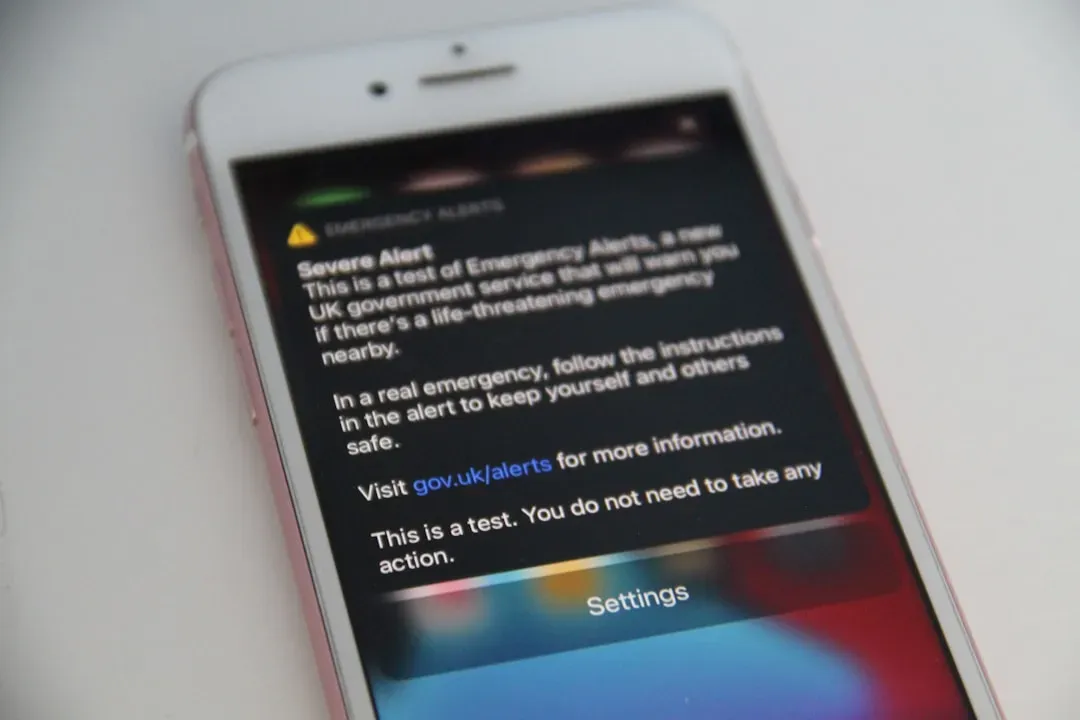
Most people underestimate what a single notification actually costs them mentally. Landmark research by Gloria Mark at the University of California, Irvine, established that it takes an average of 23 minutes and 15 seconds to fully regain focus after a single interruption. That is not the time it takes to read a message. That is the time it takes the brain to recover its depth of concentration afterward. Given how frequently city workers receive alerts throughout a typical day, genuine deep focus becomes mathematically improbable.
Every shift in attention, whether checking a phone, glancing at an email, or responding to a message, triggers a cognitive process called task switching, which leads to what psychologists call “attention residue.” Attention residue refers to the mental traces from a previous task that linger, making it difficult to fully engage with the next activity. When the brain constantly switches tasks or handles too many interruptions, it leads to cognitive overload, and decision fatigue sets in as information has to be reprocessed over and over. Over a full working week, this accumulates into a kind of invisible exhaustion that many people mistake for personality or circumstance rather than environment.
Blue Light, Broken Sleep, and the Body’s Quiet Struggle

Sleep is one of the most reliable early casualties of digital overload, particularly in cities where screens stay active late into the night. Using screens in the evening, especially phones and tablets, can interfere with melatonin production and make it harder to fall asleep. Melatonin is the hormone that signals to the body it is time to rest, and blue light from screens suppresses it directly. The result is a population that is chronically under-rested, even when it technically has enough hours available for sleep.
A longitudinal study involving more than two thousand adolescents found that lack of sleep from internet use had a notable adverse effect on mental health at a four-month follow-up, based on validated measures for depression, anxiety, and stress. Sleep disruptions caused by late-night technology use can have wide-ranging consequences, from heightened daytime fatigue and impaired performance to increased risk of mood disturbances and broader physical health concerns. For urban workers managing long commutes, early starts, and high-demand jobs, compressing sleep further with late-night scrolling creates a genuine health problem that compounds over time.
The Blurred Line Between Work and Personal Life

One of the less-discussed costs of constant connectivity is the erosion of the boundary between working hours and personal time. Surveys consistently show that nearly seven in ten workers check emails or messages outside their official working hours. That figure has stayed stubbornly high since hybrid and remote work arrangements became mainstream. The phone turns the home into an extension of the office, and the office into something that never quite closes.
Overload and anxiety in relation to the digital workplace can contribute to employee technostress, and may be detrimental to the psychological well-being of workers, despite the many benefits of the technology. Technology overload in the workplace has been found to affect employees through factors such as too many interruptions, work-life conflict, and compulsive engagement with email and messaging tools. When there is no clear signal that the day has ended, the nervous system never fully transitions to a state of recovery. That state of perpetual availability is not neutral. It is a form of low-grade, chronic stress.
Social Media, Self-Esteem, and the Comparison Machine
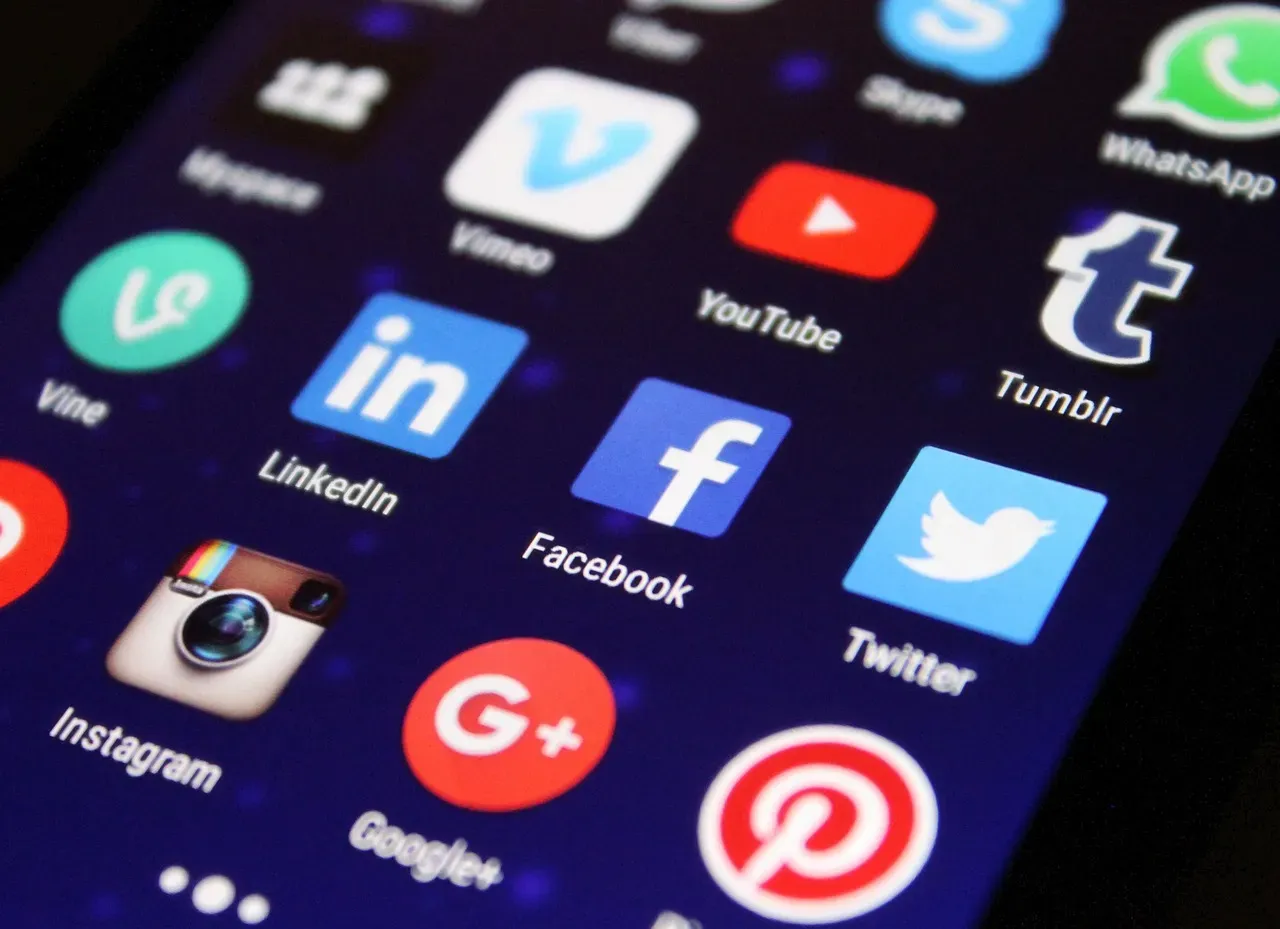
Social media platforms are built to capture and hold attention. These platforms are designed to be engaging, using algorithms that feed users content based on their preferences and interactions, keeping them engaged for longer periods. In practice, this means that the content most likely to surface is also the content most likely to trigger comparison, envy, or self-doubt, because those emotional states drive clicks and time-on-platform more effectively than contentment does.
A systematic review of 70 studies found that while social media use was correlated with depression, anxiety, and measures of well-being, the most consistent negative effects came from patterns such as negative interactions and social comparison. Girls and young women tend to spend more time on social media, have more exposure to cyberbullying, and show a greater tendency to experience mental health effects, which is consistent with epidemiologic trends showing rising depressive symptoms and self-harm rates in that group. The comparison dynamic is not a design flaw. For many platforms, it is a feature.
Burnout as an Urban Occupational Hazard

Burnout used to be thought of as something that happened to people in exceptionally demanding professions. That framing has shifted considerably. Burnout is now included in the International Classification of Diseases as an occupational phenomenon, described as a syndrome resulting from chronic workplace stress that has not been successfully managed. In a city environment where digital tools ensure that work stress follows people everywhere, the chronic nature of that stress is almost structurally guaranteed.
The World Health Organization officially recognized burnout as an occupational phenomenon defined as a syndrome resulting from chronic workplace stress, characterized by three dimensions: exhaustion, cynicism, and inefficacy. Burnout is linked to chronic workplace stress and digital distraction, with overstimulation from screens, apps, and notifications meaning the brain does not get adequate recovery time, pushing it toward long-term exhaustion. In a 24/7 connected city, where the stimulation never fully stops, the recovery time that would normally prevent burnout is simply not being built into daily life.
The Case for Digital Detox: What the Evidence Actually Shows
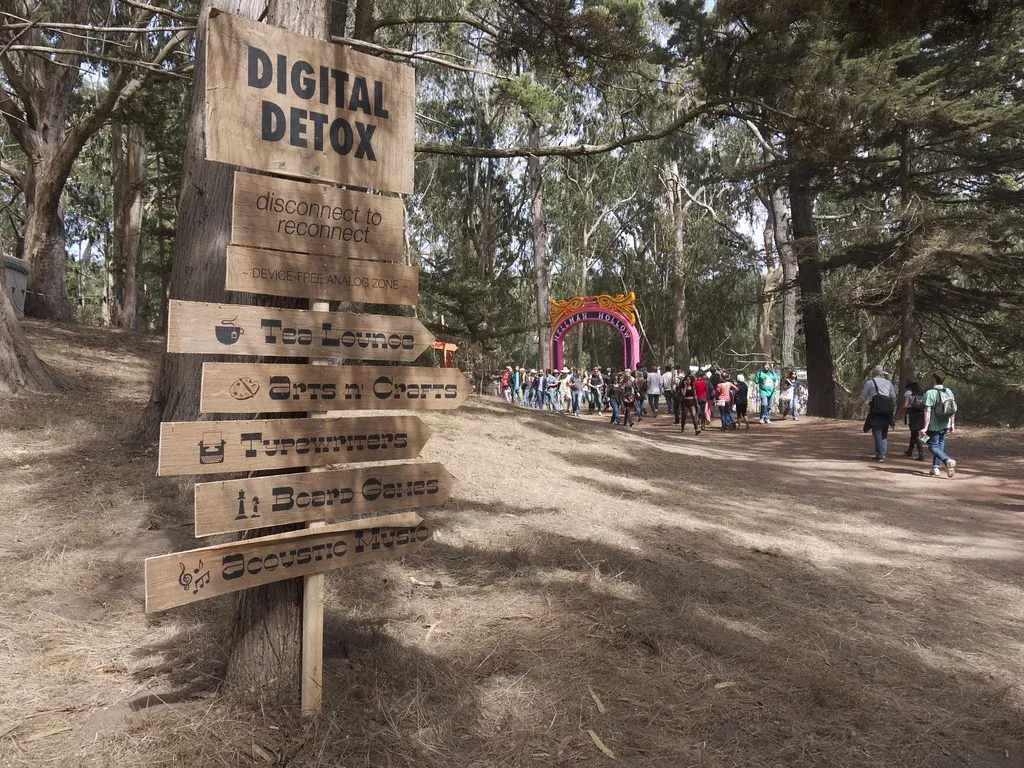
There is a growing body of evidence that stepping back from devices, even briefly, produces real and measurable psychological benefits. Even short-term digital detoxes, such as 24 to 48 hours offline, have been linked to lower stress levels, improved mood, and greater life satisfaction. These are not marginal effects. The shift people report after a sustained break from screens often surprises them, which itself says something about how normalized the baseline strain has become.
Findings from comprehensive scoping reviews suggest that digital detox interventions may alleviate depression and problematic internet use, with individuals showing higher baseline symptom severity appearing to derive the greatest benefit. Even small reductions in screen time have been shown to improve sleep, mood, and attention. The challenge is not really one of knowledge. Most people already sense that they use their devices too much. Almost two-thirds of older teenagers report that they have already tried to cut down their smartphone use, which suggests the desire to change is genuinely there. What remains harder to solve is the structural expectation, in workplaces, in social circles, and in city life more broadly, that being online all the time is simply what a functioning person does.
Ultimately, digital overload is not a problem of individual weakness or poor self-control. It is shaped by how cities are organized, how workplaces communicate, and how platforms are designed. The psychological costs are real, they are measurable, and they are not equally distributed. Acknowledging them clearly, without overstating or dismissing them, is where any serious response has to begin.