
Las Vegas has never been a city associated with quietude. Strip aside the neon lights, though, and you’ll find hundreds of thousands of people living in tightly packed suburban neighborhoods – in Henderson, Summerlin, North Las Vegas, and beyond – navigating the very same tensions any American suburb knows well. Blocked driveways, barking dogs, disputed fence lines, runaway HOA fees. The desert doesn’t cool those frustrations down.
Nevada has 3,711 HOAs representing the owners of 623,917 housing units – roughly half of the state’s 1.3 million homes. That’s an enormous number of people living under shared rules, shared walls, and shared nerves. When those rules collide with personality, property values, or simple stubbornness, disputes follow. Here’s a practical guide to the most common neighbor conflicts playing out in the Las Vegas suburbs right now – and what actually works to resolve them.
1. Noise Complaints: The Loudest Problem in the Valley

Las Vegas has always had a reputation for entertainment, but that energy can become a major headache when it spills into residential rentals. In rental-heavy neighborhoods across the valley, a single party house can lead to repeated noise complaints, parking chaos, property damage, and a tense relationship with surrounding homeowners and tenants.
Nevada doesn’t have a single, statewide noise law defining precisely what constitutes a violation. Instead, noise regulations are handled at the local level – by cities, counties, and even homeowners associations. This means acceptable noise levels, prohibited hours, and specific violations can vary significantly depending on where you live.
When a neighbor’s music is too loud, a resident can call the Las Vegas non-emergency police line: 311. A police officer would then be dispatched to deal with the neighbors. Officers will often give only a warning at first, hoping the neighbors will willingly turn down the volume – what’s formally called a “voluntary abatement.”
If a neighbor is playing loud music or having a party, Clark County Code Enforcement does not respond to that type of complaint – the correct channel is the Metropolitan Police Department’s non-emergency 311 line. For persistent mechanical noise issues, such as a malfunctioning AC unit, Code Enforcement is the right call during business hours.
2. HOA Fee Disputes: When the Bill Becomes the Battle
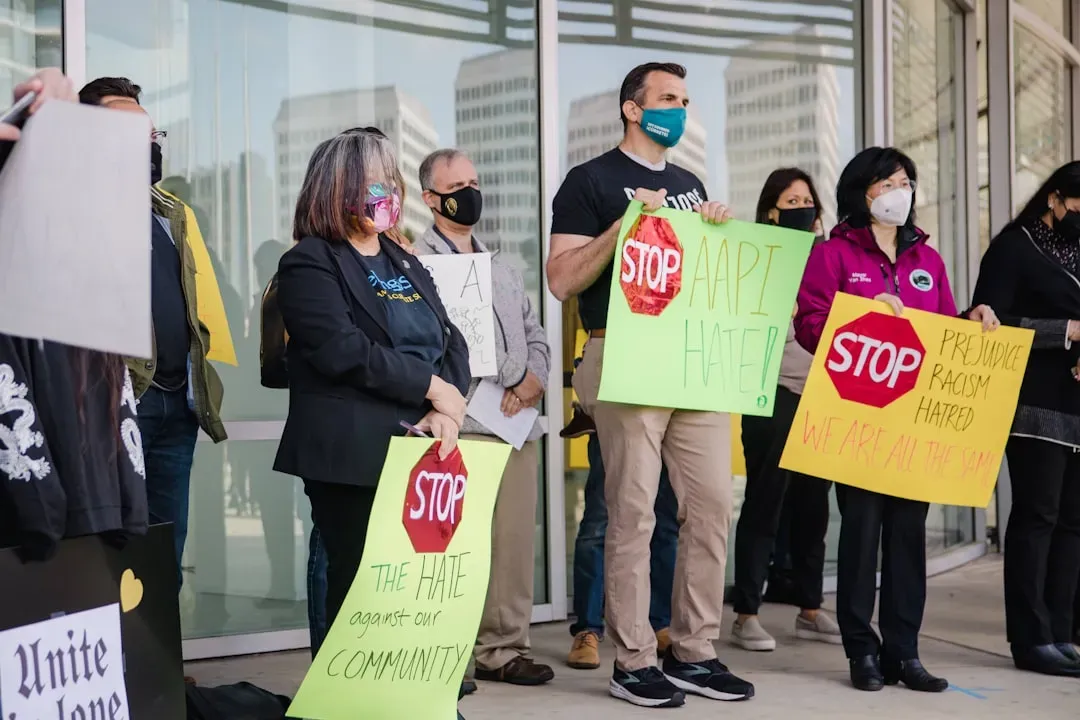
Wielding powers generally reserved for government tribunals, HOAs in Nevada can assess fines, deny property rights, and even foreclose. That’s a striking amount of authority concentrated in neighborhood boards, and residents are increasingly pushing back.
In one recent and very public example, residents of Bavington Court, a Las Vegas condo complex, rallied against a proposed HOA fee hike that threatened to significantly impact their monthly expenses. The proposed increase would have raised monthly fees from $275 to $490, drawing vigorous opposition from residents.
Recent changes to Nevada HOA laws have emphasized transparency and accountability, affecting homeowners by implementing stricter regulations on HOA boards and providing clearer guidelines on fee disclosures and dispute resolutions. Still, enforcement gaps remain, and advocacy groups say the system still leans toward boards over individual owners. Critics say the state department that regulates HOAs is overly secretive, bogged down in minutiae, and shies away from big-ticket enforcement.
3. Parking Problems: Who Owns the Curb?

Under Nevada law, nuisance issues in rental neighborhoods often show up as chronic parking problems or blocked driveways – including blocked vehicles – alongside excessive or repeated noise late at night. In many suburbs, the driveway and the street in front of a home become daily battlegrounds.
In Las Vegas, one homeowner was fined for parking his new Tesla Cybertruck in a common area because it was too large for his garage. The HOA cited fire safety concerns, but the homeowner argued that no reasonable alternatives were provided. The case drew widespread media attention and highlighted how outdated parking rules can clash with changing vehicle sizes and technology.
If a vehicle has been parked in the public right-of-way for more than 72 hours without moving, residents may report it to the Constable’s Office at 702-455-8697, providing a description and location of the abandoned vehicle. For HOA-governed communities, residents also have the option of filing a complaint with the association board directly, though the outcome depends heavily on how consistently the board enforces its own rules.
4. Fence and Property Line Disputes: The Fine Art of Drawing Lines

Unlike many other states in the U.S., Nevada does not have specific state-level statutes for property line fences or fences in general. However, county or municipality-level statutes and local fence and property line ordinances do exist across the state.
Many counties, including Clark County, require that you have a permit before building a fence and that it conforms to local building ordinances. That’s a step many homeowners skip – and it’s often where the trouble starts. Many bad-neighbor fence disputes are not really about the fence at all – they’re about the boundary. If you don’t confirm the property line first, you can waste months chasing the wrong remedy. Even a perfectly permitted fence can still be a problem if it’s built on the wrong side of the line.
In Nevada, the time limit to refute adverse possession is only five years. If a person claims a portion of your property as their own and uses it openly for five years, the court may award them ownership of that land. That’s notably shorter than in most other states, making prompt action essential.
5. Tree and Landscaping Encroachment: The Branching Problem

If a neighbor’s tree hangs over onto your property, you have a legal right to trim it up to the boundary line – but you cannot enter your neighbor’s property to do the trimming. That is considered trespassing.
Nevada law 40.160 addresses tree trimming as it relates to neighbors. It is illegal to enter someone else’s property for the purpose of cutting or carrying away their timber. Entering onto another person’s land to take or cut their trees is considered trespassing – and the victim may claim treble damages in a legal action.
When a neighbor has overgrown branches hanging onto your property and direct conversation isn’t possible, Clark County recommends contacting the Neighborhood Justice Center. The Center’s personalized, no-cost mediation service may help resolve the dispute more quickly than through the courts. It’s one of the most underused resources in the valley.
6. Short-Term Rental Nuisances: The Airbnb Effect on Quiet Streets
It is illegal under Clark County Code 30.44.010(b)(7)(C) to rent residential property for fewer than 31 days in unincorporated Clark County. Despite that, complaints about de facto party houses operating as short-term rentals remain one of the most consistent sources of neighborhood tension in the Las Vegas metro area.
In rental-heavy neighborhoods across the valley, a single party house can lead to repeated noise complaints, parking chaos, property damage, and tense relationships with surrounding homeowners. For landlords, disruptive behavior is more than an annoyance – it can drag down property value, increase turnover, and create legal exposure if the situation is handled informally or inconsistently.
Documenting every incident with dates, times, and photographs is the foundation of any successful complaint. Document behavior, cite lease terms, and maintain objective communication. If code enforcement becomes involved, retain copies of reports and investigation records. Taking action once nuisance behavior is identified protects long-term property values and community stability.
7. HOA Rule Enforcement: When the Board Plays Favorites

If an HOA fails to enforce its own rules consistently, homeowners may feel that their rights are being infringed. For example, if an HOA allows certain residents to violate rules regarding property maintenance while penalizing others, affected homeowners may have grounds for legal action. Under NRS 116.31031, associations must adhere to their governing documents and apply rules uniformly.
In Nevada, fines for violations not impacting the health, safety, or welfare of other residents are typically limited to $100 per violation or $1,000 per hearing, not including late fees. Homeowners who believe fines have been applied unfairly or in excess of these caps have grounds to formally challenge them.
When disputes arise, HOA residents in Nevada have frameworks available for resolution, including informal mediation and, if necessary, arbitration. The Office of the Ombudsman for Owners in Common-Interest Communities offers assistance to better understand member rights and navigate conflicts. The Ombudsman’s Las Vegas office is located on West Sahara Avenue and can be reached directly by phone.
8. Dog and Animal Complaints: The Persistent Bark Problem

Persistent barking is a frequent source of neighbor disputes. If a neighbor’s dog is constantly barking, the recommended first step is talking directly to the owner. If the problem persists, residents can report it to their local animal control or police department. Many municipalities have specific ordinances addressing excessive animal noise.
In Las Vegas, the issue has grown more complex as the suburban population has expanded rapidly. North Las Vegas has nearly doubled its housing stock in two decades and is looking to have 400,000 residents by around 2050, according to U.S. Census Bureau data provided by the city. More people, more pets, and closer quarters are a reliable recipe for friction.
Residents who cannot resolve the issue through conversation or animal control have the option of pursuing a civil nuisance claim under Nevada law. Under Nevada law, a nuisance includes conduct that interferes with another person’s comfortable enjoyment of life or property, as outlined in NRS 40.140. Sustained, documented incidents of excessive barking can meet that legal threshold.
9. Property Maintenance and “Eyesore” Complaints

Clark County Code Enforcement handles complaints about green pools – as an owner or tenant of a property, you are responsible for maintaining your pool in a clean and healthy condition. In the desert heat, a stagnant pool becomes a mosquito problem for the whole block, and code enforcement takes it seriously.
Beyond pools, unkempt yards, junk vehicles, and peeling paint are among the most common complaints filed with Clark County’s code enforcement division. HOAs significantly manage and maintain community standards in residential areas throughout Las Vegas. While many homeowners appreciate benefits like well-maintained common areas and enforcement of community rules, conflicts can arise that may lead homeowners to consider formal action.
As a unit owner within a common-interest community, it’s important to be familiar with your rights and responsibilities under Nevada law and the governing documents of your association. Education is the key to preventing problems before they occur. If you have already purchased a home in an HOA and haven’t read your community’s governing documents and CC&Rs, do so now.
10. When Talk Fails: The Formal Dispute Resolution Path in Nevada

Clark County and community dispute resolution centers offer mediation to reach binding neighbor agreements without court involvement. This is the step most people skip – going straight from frustration to a police call – when a skilled, neutral mediator could often resolve the conflict in a single session.
Homeowners and board members can contact the Office of the Ombudsman for Owners in Common-Interest Communities and Condominium Hotels to obtain information and assistance in understanding their rights and obligations under the law and their governing documents. The Ombudsman’s office provides education, informal mediation regarding governing documents, and investigation of disputes.
During arbitration, a neutral third-party arbitrator is appointed and tasked with deciding the outcome of the dispute. If the parties do not agree with the arbitrator’s decision, they may then proceed to take civil action. For those who can’t afford an attorney, the Legal Aid Center of Southern Nevada is a nonprofit legal services provider that works to provide access to justice for low-income members of the community, offering free legal advice, representation, and assistance to qualified individuals and families facing civil legal issues.
Conclusion: The Real Cost of an Unresolved Dispute
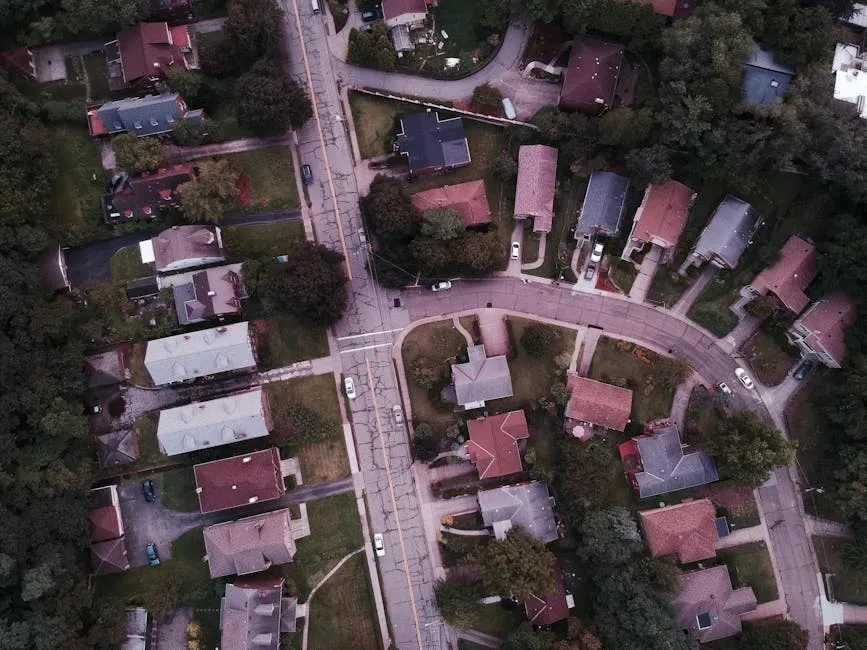
Neighbor disputes in Las Vegas suburbs rarely arrive fully formed. They tend to build slowly – a comment about the dog, a fence that crept two inches too far, a monthly HOA statement that keeps climbing. Left unaddressed, small frictions calcify into genuine animosity, and by then, the tools that would have worked at the start often can’t reach the damage anymore.
Under Nevada law, associations are required to provide a forum for alternative dispute resolution for homeowners who wish to resolve disputes as an alternative to litigation. The framework exists. The resources exist. What often doesn’t exist is the willingness to use them early enough. In a metro area where roughly 2.35 million residents share neighborhoods, streets, and fences, the most practical piece of advice may be the oldest one: deal with it while it’s still small.
Partner offer
Planning a trip to Vegas?
Compare hotel rates and show tickets on VEGAS.com.