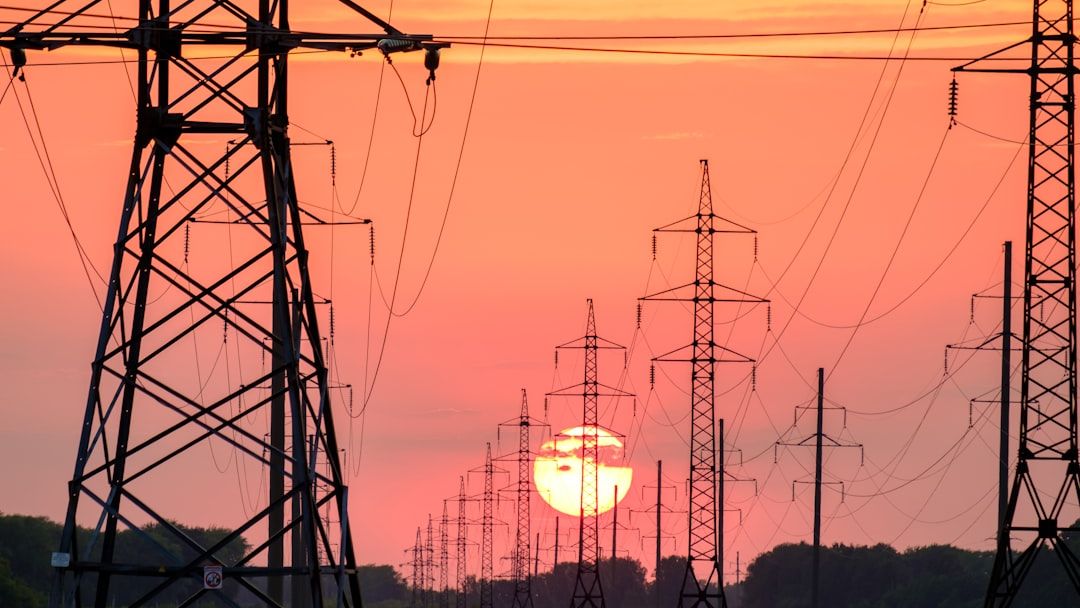
Ohio utilities report subpar grid reliability as they seek a lower bar – Image for illustrative purposes only (Image credits: Unsplash)
Ohio – Four of the state’s six regulated electric utilities failed to meet performance standards for minimizing outages and restoring service in 2025. The shortfall extends a decade-long pattern in which at least one utility has fallen short every year since 2016. Regulators have tracked these results closely because reliable power directly affects homes, businesses, and emergency response across the state.
Why the Failures Matter Now
Customers have faced repeated interruptions that disrupt daily routines and raise safety concerns during severe weather. Utilities must report detailed outage data each year, and the latest figures show that expectations for quick restoration times were not achieved by most companies. The pattern has drawn renewed attention from state officials who oversee service quality.
Electricity reliability standards exist to protect ratepayers from excessive downtime. When utilities miss those marks year after year, the cumulative effect includes higher costs for backup systems and lost productivity for local economies. The 2025 results therefore carry weight beyond any single storm season.
Long-Running Performance Gap
State rules set clear benchmarks for how often outages should occur and how fast crews should restore power. In 2025 those benchmarks were not reached by four utilities, continuing the streak that began a decade earlier. Regulators have documented the shortfalls through annual reviews that compare actual results against established targets.
Partner offer
The repeated misses point to ongoing challenges in grid maintenance and storm response. Utilities have cited aging infrastructure and extreme weather as contributing factors, yet the standards were designed with those realities in mind. The tenth consecutive year of shortfalls has now prompted formal discussions about whether the current targets remain realistic.
What matters now: Utilities are asking regulators to lower the performance bar rather than accelerate improvements to meet existing goals.
Push for Revised Standards
Company filings indicate that several utilities want regulators to adjust the reliability metrics downward. The requests come after years of data showing consistent underperformance on outage frequency and duration. Regulators must weigh these proposals against the need to maintain accountability for service quality.
Any change to the standards would affect future reporting and potential penalties. The process typically involves public hearings where customer advocates and other stakeholders can comment. The outcome will shape expectations for grid performance in the years ahead.
Looking Ahead for Ohio Customers
State oversight continues to focus on measurable improvements in reliability. Utilities that missed targets in 2025 now face scrutiny over their plans to close the gap. Regulators have signaled that any relaxation of standards will require clear justification tied to verifiable progress.
The decade-long record underscores the difficulty of balancing cost control with service expectations. How the current requests are resolved will determine whether Ohio’s electric utilities operate under the same benchmarks or a revised set of goals in the coming years.
Partner offer
Planning a trip to Vegas?
Compare hotel rates and show tickets on VEGAS.com.