
Breaking into Hollywood has never been a matter of pure luck, no matter how many cherished origin stories suggest otherwise. The industry is dense, competitive, and moves on relationships and reputation as much as raw talent. For every actor who seems to appear from nowhere, there are usually years of calculated, deliberate work happening just out of view.
What separates the actors who land in a producer’s orbit from those who don’t often comes down to specific, repeatable behaviors. Insiders who work inside casting offices, talent agencies, and production companies have started speaking more openly about what actually moves the needle. Here is what they consistently point to.
1. Build a Demo Reel That Respects the Viewer’s Time
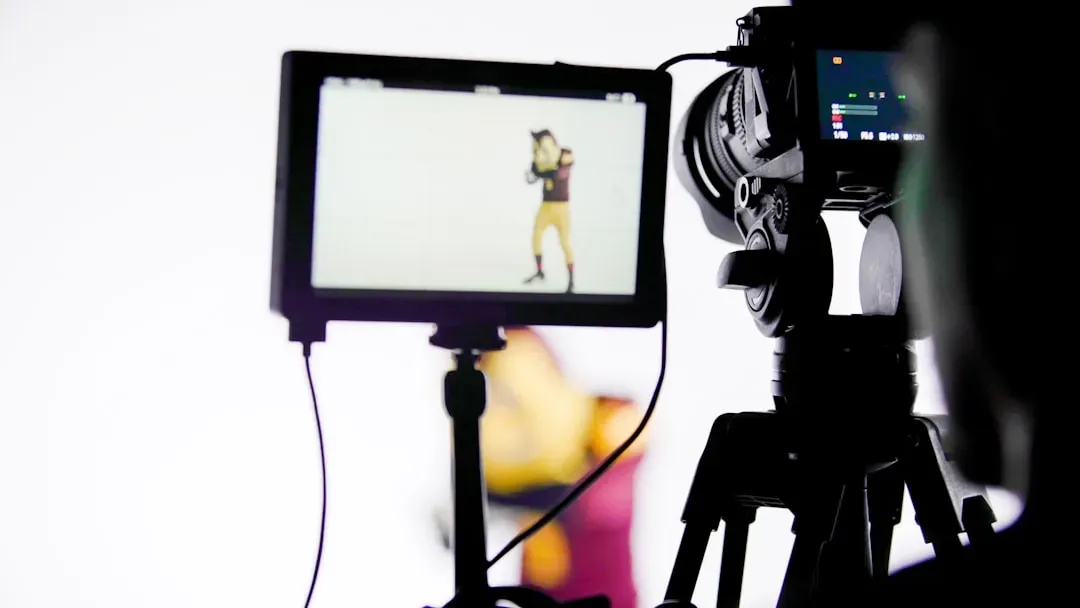
A demo reel can often be the golden ticket for aspiring and established actors in the film industry. These powerful tools showcase an actor’s range, talent, and suitability for potential roles. The problem is that most actors build reels that are far too long. Producers and casting directors are busy, and they will click away quickly if a reel meanders.
A strong dramatic reel and a strong comedic reel of less than two minutes each is considered ideal, and if you can get each closer to one minute, even better. Casting directors typically are not trying to follow any through-story or plot line in the reel; they are simply watching to see how you look and act with others on camera. Keep your strongest moment first. That’s the only moment guaranteed to be seen.
2. Master the Self-Tape Before You Walk Into a Room
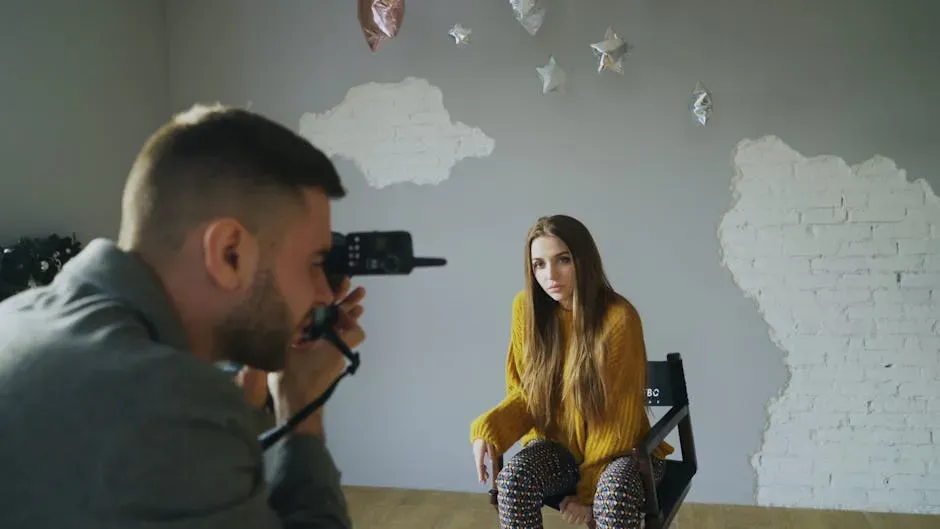
In today’s digital age, self-tapes have become the most popular method for actors to audition remotely. Actors record themselves performing the script or introducing themselves on camera, and this option allows producers to assess performance skills, delivery, and interpretation from their own schedule, saving significant time in the pre-production process. That convenience means producers often form their first strong impression of an actor entirely through a self-tape.
Casting professionals are well accustomed to evaluating actors from self-taped performances, and they prefer ones where the lighting, sound, and backdrop are professional. Vertical videos, poor on-camera audio, extreme framing, and distracting backgrounds are common mistakes to avoid. A neutral or calming backdrop, a simple higher-quality microphone, and clean lighting are all that is genuinely needed. Technical sloppiness signals a lack of seriousness, and producers notice.
3. Treat Every Audition as a Human Interaction, Not a Performance Test

It doesn’t matter what position someone holds in the business, whether casting director, director, or producer. As long as an actor continues to hold them in elevated status and positions themselves beneath them, they can’t connect on a real, personal level. When an actor makes a real, human, personal connection, that is what becomes memorable and makes decision-makers stop and take notice.
Authenticity in the room matters enormously. Genuine performances resonate more with casting directors, and professionalism, including punctuality, preparation, and respect during auditions, reflects an actor’s commitment in ways that are hard to fake. Producers frequently hear from casting directors about the tone an actor set in the room, well before any screen test is watched.
4. Use Social Media With Genuine Intention, Not Volume

Actors should regularly share audition clips, behind-the-scenes footage, and personal insights to build engagement, and utilizing platforms like Instagram and TikTok effectively attracts attention while maintaining authenticity. The keyword there is authenticity. Generic posts with no personality are largely invisible to the professionals who might otherwise pay attention.
It is equally important to clean up your social media accounts carefully. If a producer, casting director, or fellow actor searches for you, your social media accounts will surface. Make sure your profiles and cover photos look professional and genuinely reflect who you are. Think of your social presence as a continuously updated audition that runs around the clock without you in the room.
5. Pursue Independent and Student Films Deliberately
Student films, independent films, and low-budget productions are excellent starting points for new actors. These projects offer opportunities to gain experience, build relationships with emerging filmmakers, and showcase talent. Many successful actors began their careers in smaller, independent productions. The value isn’t just the screen time. It’s the professional credits, the relationships with directors who may go on to bigger things, and the footage that feeds a credible reel.
Partner offer
A number of actors have got their big break by starring in independent films. The types of roles in independent films can often showcase an actor’s skills a lot better than a blockbuster can, as blockbusters are more likely to rely on special effects rather than focusing in depth on the experiences of characters. A genuinely moving performance in a small film circulates among industry insiders in ways that a background role in a major production simply does not.
6. Leverage the Power of Real Referrals

There are a few important ways to get noticed in Hollywood, but the best way to get an agent’s or producer’s attention is through a referral. Since success often hinges on who is willing to speak on your behalf, a good recommendation carries enormous weight. A name dropped casually in an email rarely moves anything. The referral has to be active and personal.
A true referral is when someone contacts a decision-maker directly and explains why they should meet you. When that happens, meetings get taken, because the industry runs on trust between people who conduct business together regularly. A referral will only get you in the door; it doesn’t mean you are automatically going to get an offer of representation or a role. Still, the door is the hardest part.
7. Attend Industry Events and Film Festivals With a Clear Purpose

Networking plays a vital role in an actor’s journey, and attending industry events and cultivating relationships can open doors to new opportunities that would not otherwise present themselves. Film festivals in particular are underused by actors who could be spending time around producers actively looking for talent to attach to developing projects.
Casting directors and producers regularly discover actors at college showcases, intern showcases, auditions where actors self-submitted without previously being on the radar, and more often than anything else, on stage in shows. Some industry professionals save every show program and playbill so they can look back when casting new projects and find performers they connected with from their seat in the audience. Showing up live and performing well is still one of the most effective visibility strategies available.
8. Create Your Own Content and Become a Multi-Hyphenate
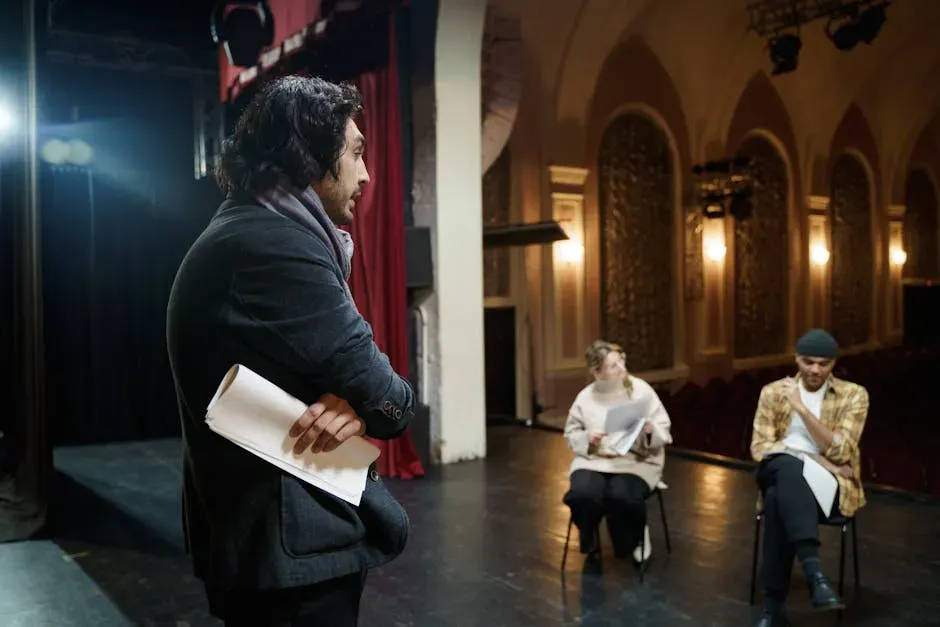
Actor-writer-producer has become its own triple threat in today’s industry. The rise of streaming platforms like Netflix, Hulu, and Amazon Prime has democratized content creation, providing actors with more opportunities to produce and direct their own projects. Unlike the traditional studio system, where a select few executives controlled which projects were greenlit, the streaming world is more open to diverse content and independent projects.
These days, it is almost expected that actors be multi-hyphenates, meaning they are not just actors but also writers, directors, producers, or perhaps all of the above. Timothée Chalamet co-produced “A Complete Unknown” in 2024. Margot Robbie co-produced “Barbie” through her production company LuckyChap Entertainment while playing the titular character, and the film’s business impact made her one of the most powerful figures in contemporary Hollywood. For emerging actors, even a short film written and produced independently signals a level of initiative that gets producers talking.
A Note on Professionalism That Most Actors Underestimate

One of the big things casting directors consistently return to is an actor’s commitment to the craft and commitment to the role. Being responsive is also critical, particularly because it can genuinely be difficult to get hold of actors, and responsiveness signals professionalism. Producers talk to each other. Reputation for reliability travels faster than a great headshot.
In addition to doing good work, actors who get ahead are consistently people with whom others want to work. Being gracious and kind to everyone makes people more inclined to recommend you. The assistant you barely acknowledged at one production may be a producer at the next. That’s not paranoia. That’s just how careers in entertainment tend to move.
The Underlying Pattern That Connects All Eight Tricks

As one casting director put it plainly: don’t simply wait for someone to notice you; go out of your way to be noticed and get on their radar. Every strategy outlined here reflects that same principle. None of them are passive. All of them require an actor to treat their career like a small business, investing time, craft, and strategic energy into visibility.
Actors can be discovered wherever they do great work, whether on stage, online, in what they create, or in class. The most important action to take is to take action: to train, to work, to create work, to get on stage, to create a community of fellow artists, and to be in and of the work constantly. The producers who sign off on careers are watching all of those places. The question is simply whether you are in them consistently enough to be found.
Partner offer
Planning a trip to Vegas?
Compare hotel rates and show tickets on VEGAS.com.