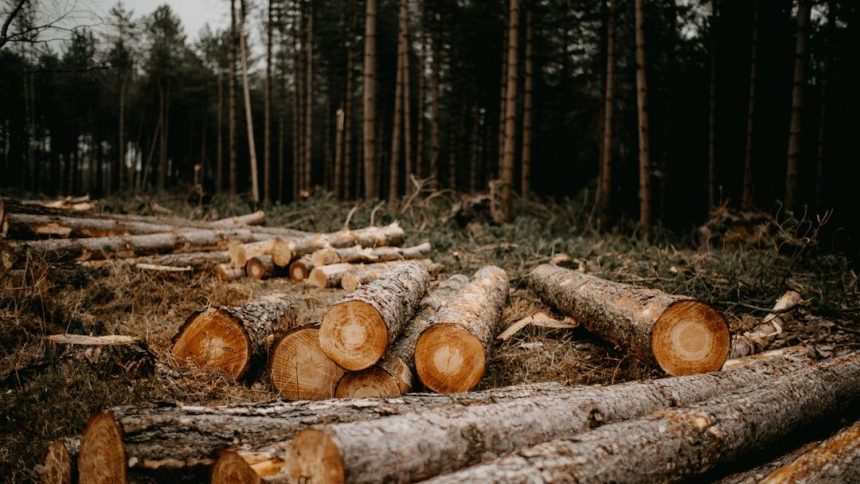
Cropped 20 May 2026: Deforestation roadmap | Melanesian Ocean Summit | Returning pet parrots to the wild – Image for illustrative purposes only (Image credits: Unsplash)
In Colombia’s Bolívar region, a small team guides once-captive parrots through careful steps to regain the skills needed for life in the wild. This hands-on work sits alongside larger international efforts to slow forest loss and strengthen ocean protections. Recent weeks brought fresh outlines for voluntary national plans on deforestation, new marine agreements among Pacific island nations, and updates on how well global forest targets are holding up.
Deforestation Roadmap Takes Shape
Brazil has moved ahead with a voluntary global roadmap to halt and reverse forest loss by 2030. The approach invites countries to develop their own national and regional pathways rather than following one fixed model. At the UN Forum on Forests, an advisor to the COP30 presidency described how pledges could be turned into practical forest plans based on local conditions.
Indonesia separately announced plans to restore 12 million hectares of degraded land through carbon-offsetting projects. A new UN assessment of six global forest goals found clear progress in some areas yet warned that the world remains off track on ending deforestation and reducing extreme poverty in forest communities. Forest area has already fallen by more than 40 million hectares since 2015, well short of the target to increase coverage by 3 percent by 2030.
Melanesian Ocean Corridor Advances Protection
Leaders from Papua New Guinea, Fiji, and Vanuatu signed a declaration creating the Melanesian Ocean Corridor of Reserves. The agreement sets up shared rules for border governance, enforcement, and marine science across five Pacific nations and territories. Vanuatu’s prime minister noted that the corridor shows how regional solidarity, rather than past colonial boundaries, will shape the future.
Papua New Guinea announced a new marine protected area the size of the United Kingdom that will ban all fishing inside its borders. Tuvalu is developing its first national-security policy, placing maritime conservation at the center of its strategic planning. One observer pointed out that the final text from last year’s climate talks left the ocean out entirely, even though the summit produced some of the strongest ocean-related initiatives seen at a UN climate conference. Five priorities were outlined for bringing ocean considerations more fully into climate governance.
These steps reflect growing recognition that marine ecosystems face pressures from both climate change and direct human activity. Joint frameworks could help smaller nations pool resources for monitoring and enforcement. At the same time, questions remain about how quickly the new corridor can move from declaration to effective on-the-water protection.
Partner offer
Rehabilitating Parrots for Wild Release
Colombia’s stricter 2016 rules against keeping wild animals as pets have increased the number of parrots seized or surrendered to authorities. Fundación Loros now runs a seven-stage rehabilitation program on 33 hectares of tropical dry forest near Cartagena. Birds first receive veterinary checks and identification tags, then move to large enclosures where they learn to eat wild fruits and nuts.
Many parrots need flight training because they spent years in small cages. Workers use rewards to encourage longer flights. The birds also practice flock cohesion so they can rejoin social groups essential for finding food and raising young. After these steps, the parrots spend time in a forest enclosure before the door opens, allowing them to leave yet return for food and shelter if needed.
Nest boxes installed high in the canopy have already helped some released birds raise wild chicks. The foundation reports a months-long waiting list as more animals need care across the country. It relies mainly on private donations while exploring an eco-tourism model for future funding.
Broader Updates on Land and Resources
Canada has no current plans to turn its international nature commitments into domestic law, despite hosting the COP15 biodiversity summit. Brazil postponed rules that would have stopped farms linked to deforestation from receiving rural credit until at least January 2027. A new UN report warns that rising global demand for sand is outstripping supply and damaging ecosystems.
In Laos, a $3.5 billion dam project threatens a natural world heritage site in the north. The European Commission issued a fertilizer action plan to support farmers and limit food-price spikes linked to conflict in the Middle East. In southern Iraq, higher water levels from winter rains are slowly reviving the Cibayish marshes and drawing herders and fishers back to areas long abandoned.
Key points from recent developments include voluntary national forest pathways, a new Pacific marine corridor, and practical steps to return former pets to the wild. Progress on global targets remains mixed, with clear shortfalls in ending deforestation and supporting forest communities.
These stories show how local projects and regional agreements continue to move forward even as larger goals face ongoing challenges. Continued monitoring will reveal how well the new plans translate into lasting results on the ground and in the water.
Partner offer
Planning a trip to Vegas?
Compare hotel rates and show tickets on VEGAS.com.