There’s a moment, right before the title card appears, where a show can either lose you or lock you in completely. The cold open is television’s version of a first impression, and some writers have used those few minutes to create scenes more memorable than most full episodes. No theme music, no setup, no context – just the story, thrown at you without warning.
The cold open is one of television’s most effective tactics at drawing an audience in, provoking a sense of curiosity that keeps the viewer hooked. A cold open is the scene shown before the title card, and while the commercial break is often no longer a concern for writers in the streaming era, the concept has become integral to the way shows are structured. What follows are eight moments that did it better than almost anyone else.
The Office – “Stress Relief” (Season 5, Episode 14): Dwight’s Fire Drill
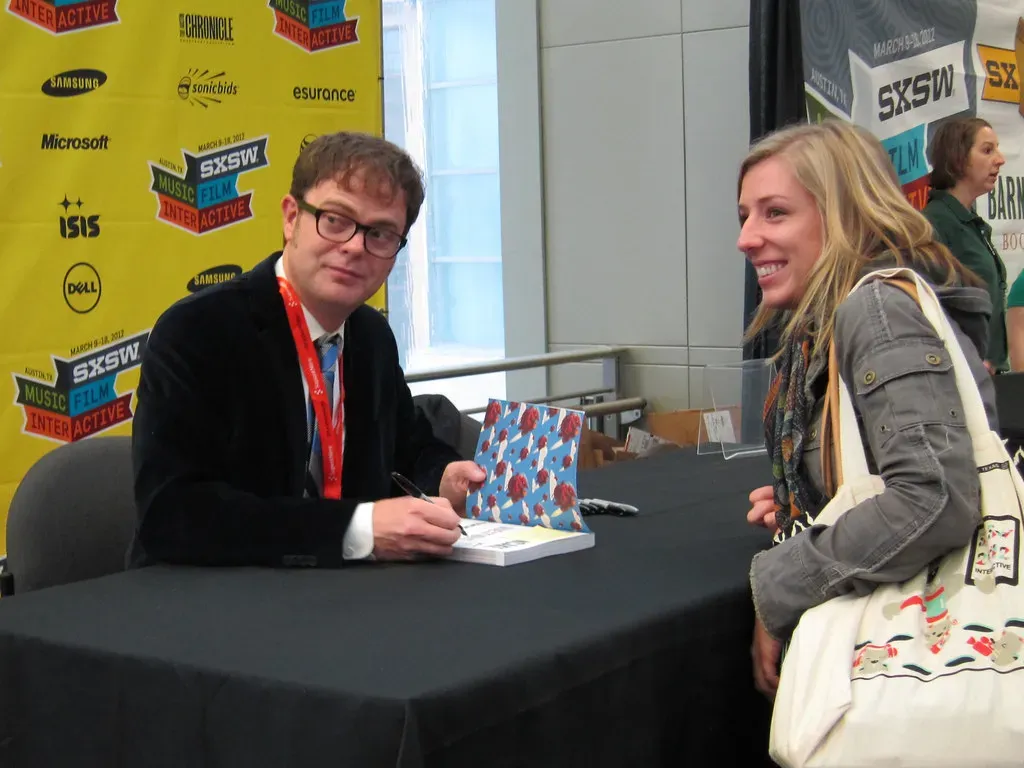
The show has a wide array of ingenious pre-credit sequences across its 201 episodes, but nothing comes close to the four-and-a-half minute scene in which Dwight starts a fire in Dunder Mifflin Scranton, seals his colleagues in their smoke-filled workspace, and causes a level of chaos unprecedented in any other cold open in sitcom history. Dwight seals the office exits shut, cuts the phone lines, and starts a fire in a trash can. He calmly explains proper safety procedures as the panicked employees try to flee. Dwight eventually reveals it was just a drill – but Stanley Hudson suffers a heart attack and collapses.
Because it aired following the Super Bowl, “Stress Relief” was the most viewed episode of The Office with nearly 23 million viewers according to Nielsen Media Research during its original broadcast. The production even spent $12,000 creating a fake cat identical to Bandit that could be thrown through the ceiling tiles. The episode won the Primetime Emmy Award for Outstanding Directing for a Comedy Series.
Lost – Pilot (Season 1, Episode 1): A Single Eye Opens
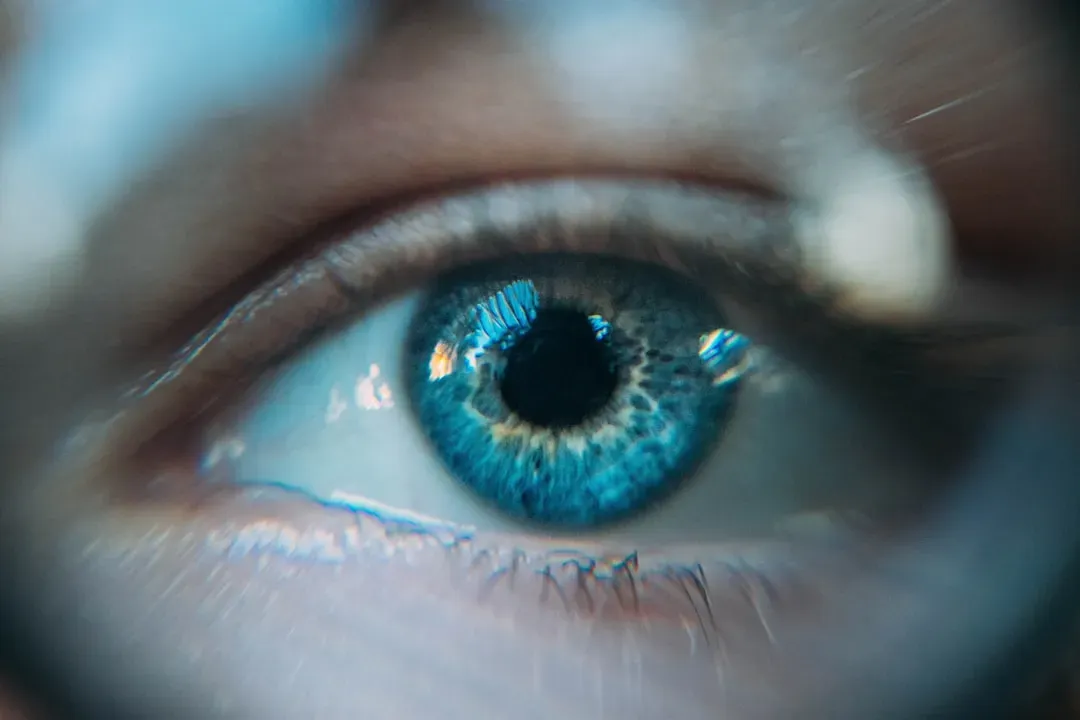
The very first moments of Lost are cinematic, mysterious, and absolutely riveting. A single eye opens in the jungle – the audience knows nothing, and neither does the man waking up. The camera follows as he stumbles through the trees, only to burst onto a beach filled with the burning wreckage of Oceanic Flight 815. The chaos is relentless: people scream, engines explode, and the sense of confusion is palpable.
Lost’s two-part pilot episode was the most expensive in the network’s history, reportedly costing between $10 and $14 million, compared to the average cost of an hour-long pilot in 2005 of just $4 million. The pilot episode drew 18.6 million viewers, easily winning its timeslot and giving ABC its strongest ratings since 2000. TV Guide ranked the episode fifth on its list of the top 100 television episodes of all time.
Breaking Bad – “Face Off” (Season 4, Episode 13): The Bell
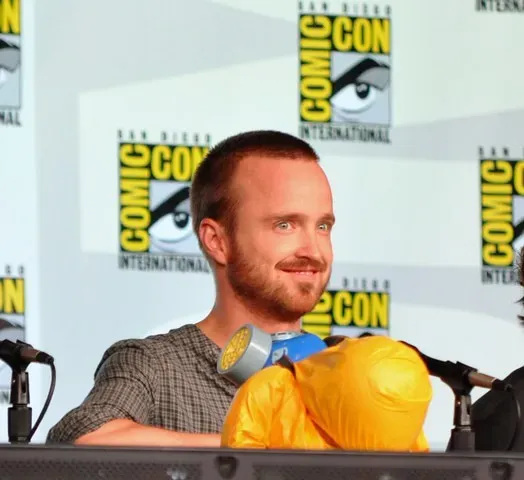
It’s rare that a television moment manages to be both wordless and unforgettable, but “Face Off” delivers exactly that. The cold open begins with an unsettling, slow zoom on a tiny bell in a quiet nursing home room. There’s almost no dialogue – just the humming tension of a plan set in motion, and the audience is in on the secret. When the explosion erupts and Gus Fring calmly steps out, straightening his tie as half his face is blown away, it’s a shocking spectacle that sears itself into memory. Director Vince Gilligan uses silence and pacing to full effect, creating a suspenseful mood that explodes literally into chaos.
Breaking Bad revolutionized television storytelling, and its cold opens were a key ingredient in the show’s success. These pre-title sequences captivated audiences with their creativity, tension, and ability to set the tone for each episode. Breaking Bad’s cold opens masterfully combined intriguing visuals, compelling dialogue, and unexpected twists to hook viewers from the very first moments. This opening is not just about the shock value – it’s about the payoff of meticulous plotting that kept viewers glued for four seasons. The scene has since become a cultural touchstone, referenced and parodied as the ultimate example of the unexpected in TV storytelling.
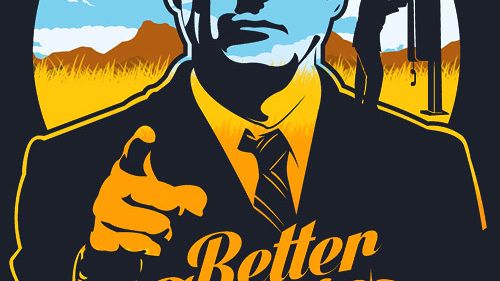
Better Call Saul – “Smoke” (Season 4, Episode 1): Gene in Black and White
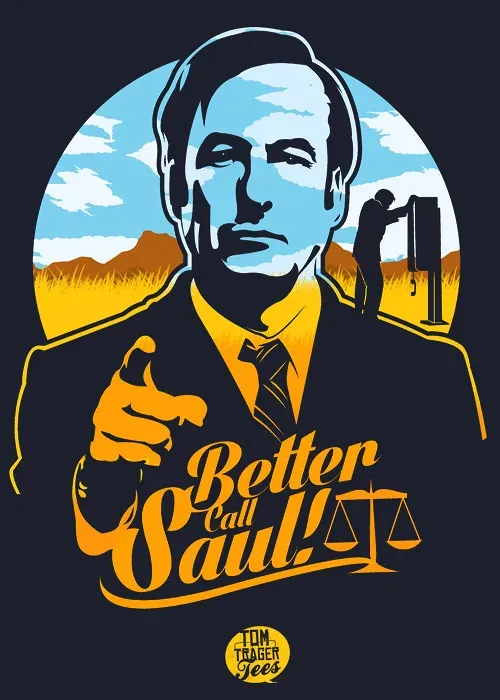
Better Call Saul’s cold opens are exercises in tension and subtlety, and “Smoke” is perhaps the best of them all. Presented in black and white, the scene follows Jimmy McGill – now living as Gene, a Cinnabon manager in Nebraska – navigating the crushing monotony and constant fear of being discovered. There’s barely any dialogue, yet every glance and nervous tick tells a story. The anxiety is suffocating, heightened when Gene is nearly recognized by a cab driver.
Partner offer
This is storytelling at its most restrained, relying on mood and performance rather than plot twists or explosions. Fans of Breaking Bad appreciate these glimpses into Saul’s future, but even new viewers can feel the weight of regret and paranoia hanging over Gene. The cold open’s mastery lies in what it doesn’t show, letting silence and shadow do the heavy lifting. It’s a slow burn that lingers, drawing viewers into the lonely world of a man on the run from his own past.
Brooklyn Nine-Nine – “DFW” (Season 4, Episode 8): I Want It That Way
Brooklyn Nine-Nine’s cold opens are legendary for their absurdity, but none hold a candle to the “I Want It That Way” lineup. Detective Jake Peralta lines up five suspects and, in an unexpected twist, has them each sing a line from the Backstreet Boys’ classic to help a witness identify a killer. What starts as a procedural moment quickly devolves into a full-blown, hilarious sing-along, with Jake caught up in the nostalgia and forgetting there’s a murder to solve.
Cold opens have generated some of the sitcom world’s most viral moments on social media, with Brooklyn Nine-Nine being no stranger to this. The clip of protagonist Jake Peralta making murder suspects sing the Backstreet Boys’ classic has amassed over 44 million views. It’s a testament to the writers’ willingness to let humor take center stage while still serving the narrative. Fans and critics alike have ranked this as one of the best cold opens in comedy, with social media exploding in the days after it aired.
Breaking Bad – “Say My Name” (Season 5, Episode 7): Heisenberg Arrives
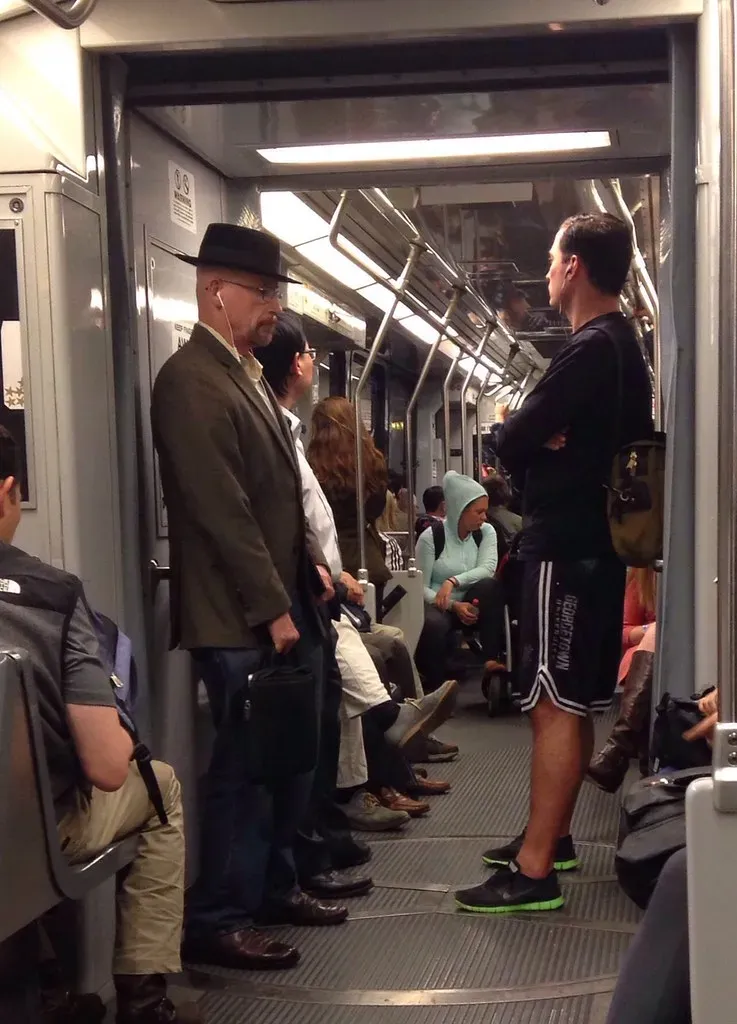
Subtlety is one of Breaking Bad’s greatest strengths, and it gradually teases Walter’s interest in becoming a drug lord through subtle hints. In season 5, there’s nothing left to tease, and the show clarifies that for viewers with a perfect moment that has since become the stuff of legend. After an altercation with a new distributor who speaks insolently to Walter, he growls at him to say his name. The distributor answers: Heisenberg. Walt confirms it without a flicker of doubt.
Vince Gilligan and his team used cold opens to provide glimpses into characters’ pasts, foreshadow future events, or present standalone vignettes that enriched the show’s universe. From the iconic teddy bear in the pool to Walter White’s desert confession, these openings became an art form in themselves. They often employed non-linear storytelling, revealing crucial information or raising questions that kept audiences eagerly anticipating the rest of the episode.
The Office – “Product Recall” (Season 3, Episode 21): Identity Theft
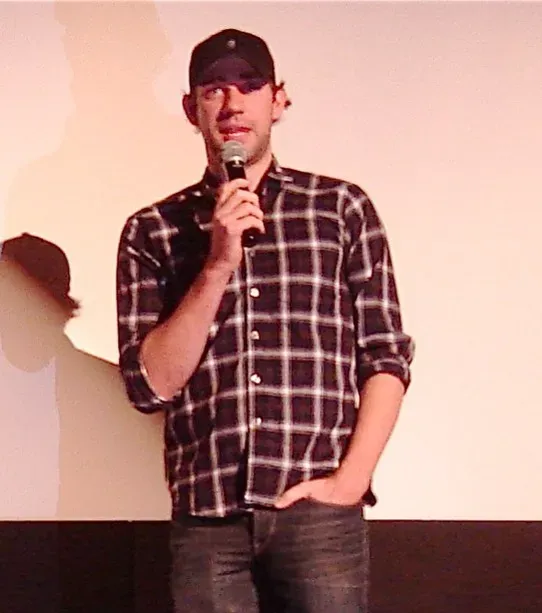
Jim’s prank finds him going the extra mile to impersonate Dwight, copying his hairstyle, his glasses, and even his exact outfit. What makes it work is just how long it takes Dwight to realize what Jim is up to, as well as his complete and utter disbelief once he figures it out. The performances are exceptional, with Jim nailing Dwight’s cadence, inflection, and facial expressions. There are only three things you need to understand why this is one of the greatest cold opens of all time: bears, beets, and Battlestar Galactica.
In the now legendary series, the cold open is used in one of two ways: either to introduce the main plotline in a quick bite, or to tell a self-contained story that typically runs less than two minutes. The beloved show turned the cold open into an art form, delivering an array of unforgettable quotes, shocks, and laughs. It became a secret weapon, allowing new and old audiences alike a chance to be roped into an episode with minimal context.
Lost – “Man of Science, Man of Faith” (Season 2, Episode 1): Desmond in the Hatch
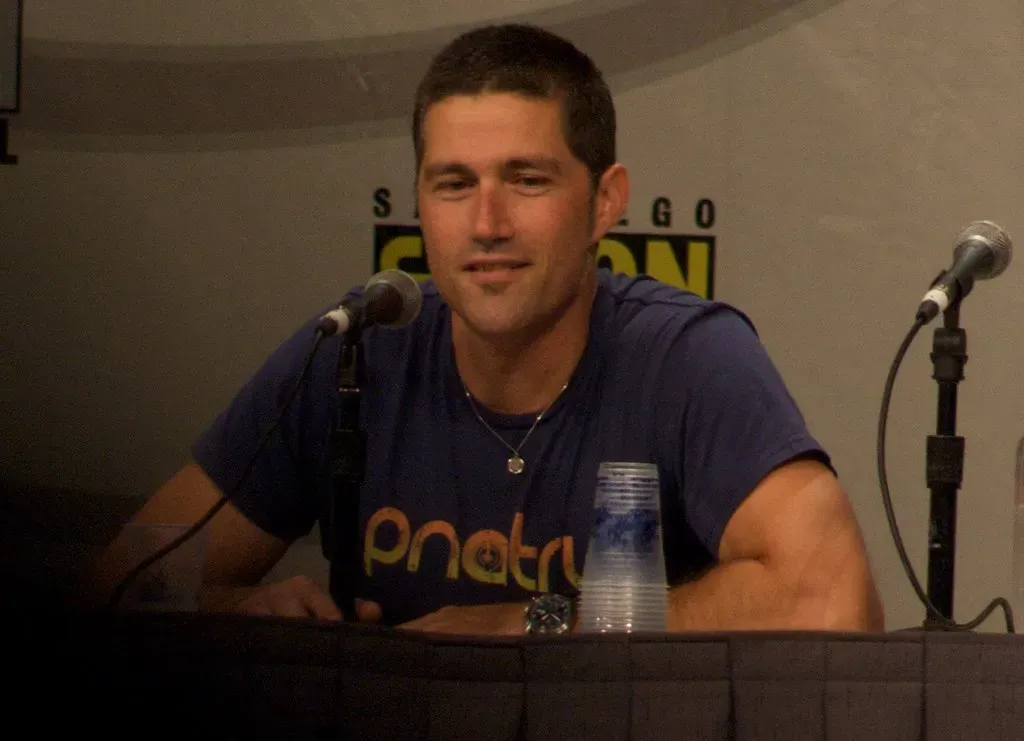
Season two of Lost opens not with the characters we know but with a stranger. A man goes through a meticulous morning routine in what appears to be a small apartment. He reads, he exercises, he listens to music. Then the ceiling starts shaking and the camera pulls back to reveal that this is not an apartment at all – it’s a bunker buried deep underground. Cold opens in Breaking Bad and shows like it frequently built tension by presenting mysterious or dangerous situations without immediate context. This approach left viewers eager to discover how these scenes connected to the larger narrative. Lost’s season two opener did the same thing with remarkable confidence.
This type of cold open does not explain; it simply throws viewers headfirst into mystery, setting up a series famous for its unanswered questions and relentless tension. The scale and ambition shocked TV audiences used to slower starts, and it is credited with raising the bar for what network television could achieve. The season two hatch reveal remains one of the most talked-about cold opens in the show’s run, and it reframed everything fans thought they understood about the island in a matter of minutes.
Partner offer
Planning a trip to Vegas?
Compare hotel rates and show tickets on VEGAS.com.