A great opening scene does something no trailer can replicate. It drops you, without warning or ceremony, into a world with its own gravity, and within moments you either trust the film completely or you don’t. The best of them carry the whole movie in miniature: the tone, the stakes, the style, and the promise of what’s to come. Some are explosive. Others are nearly silent. A few last barely two minutes, while others stretch to half an hour.
The films on this list span decades and genres, from spaghetti westerns to science fiction to gangster sagas, but they all share one quality. An unforgettable opening to a film can thrill, shock, scare, excite, or mystify the audience, but ultimately it has to be able to practically stand on its own, almost as if it’s a short film separate from the rest of the plot. These are the sequences that achieved exactly that.
Once Upon a Time in the West (1968) – The Art of Pure Waiting
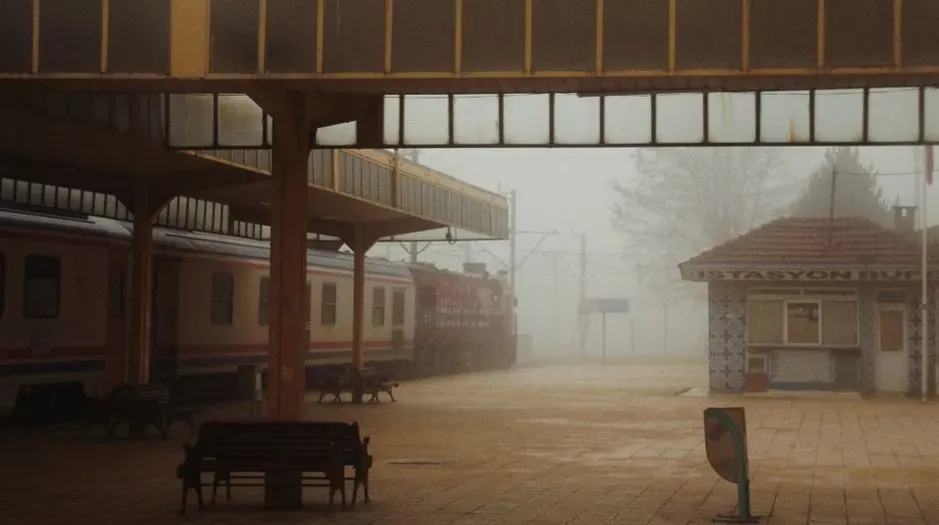
Not only does the opening scene of Sergio Leone’s Once Upon a Time in the West ooze charming style, from the harmonica tune of Charles Bronson’s character to his final one-liner, but it is also a technical marvel that has a masterful grasp of pace and cinematography. Charles Bronson’s nameless gunslinger faces off against three weary outlaws at a dusty train station, while a creaky windmill and a buzzing fly provide the soundtrack. There’s almost no dialogue, just sweat, leather creaks, and the unbearable ticking of time, until Bronson finally speaks.
Capturing the scene from several different angles and perspectives, Leone utilises a multitude of different shots that perfectly stitch together to form a riveting whole. In addition to the cinematography is the sound, where the dialogue of the three characters is as important as the rattling windmill in the background and the whistling wind of the American west. It would sound boring to try to describe it, because it plays out over a fairly long time for an opening scene, and it’s basically just a bunch of people waiting at a train station. It’s tense and oddly funny, with a great payoff once Charles Bronson finally arrives, bringing with him music, in effect.
2001: A Space Odyssey (1968) – The Dawn of Everything
Kubrick’s 2001: A Space Odyssey starts long before the title card appears. While the overture has been shortened or entirely cut from various television showings throughout the years, the theatrical version opens with a silent black screen. As the minutes tick by, the screen remains black, but striking music begins to quietly play and grow in intensity. “Atmospheres” by György Ligeti is the first piece viewers hear. Instead of the black screen quickly dissipating and the story immediately moving, the lack of movement coupled with slow-burning music perfectly creates a natural tension. Without saying a word or showcasing any visuals, Kubrick’s overture demands that the audience sit uncomfortably and revel in the unknown of what’s to come.
Before taking viewers on a journey through space and technology, 2001’s opening famously begins with the “Dawn of Man” sequence that shows ape-like hominids fighting and breaking up some bones. The “Dawn of Man” sequence culminates in arguably the most iconic match cut of all time, as a bone tossed into the sky becomes a spacecraft orbiting Earth. 2001: A Space Odyssey ultimately grossed $146 million at the box office against a $10 million budget, and its opening remains one of the most analyzed and admired sequences in film history.
Star Wars: A New Hope (1977) – The Shot That Changed Everything
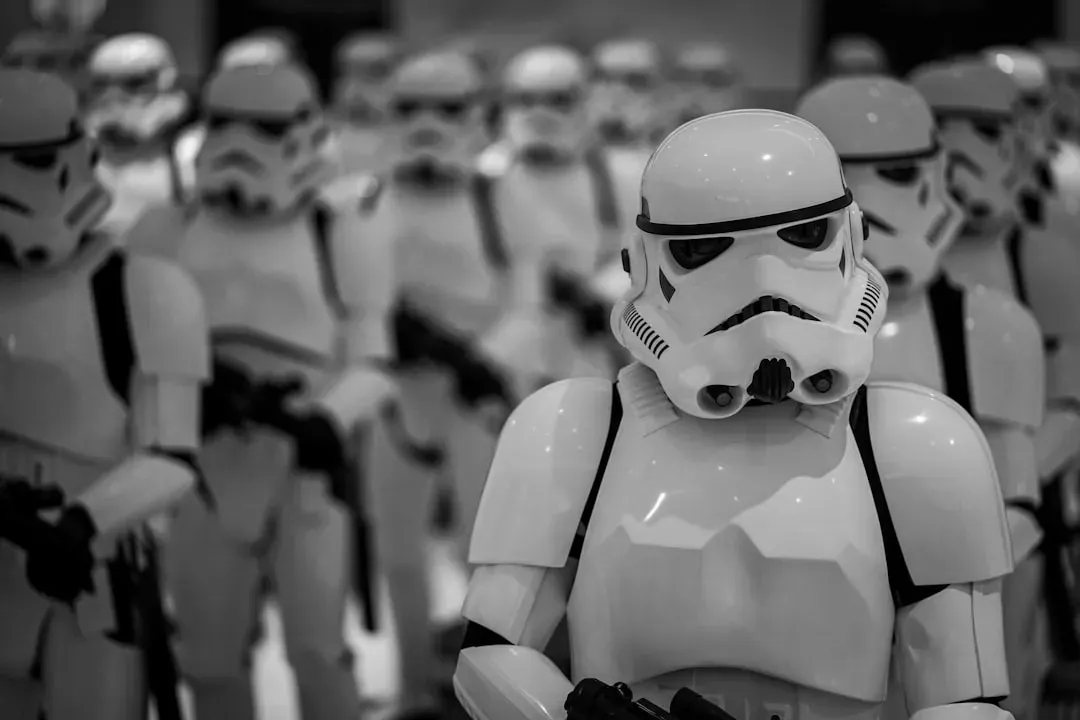
This opening perfectly balances spectacle with storytelling, delivering a ton of plot information in a way that feels organic and entertaining. Audiences instantly understand the stakes, the rebellion against tyranny, and the terrifying power of the Empire. From the first blast of John Williams’ score to the sight of Vader’s cape, Star Wars established itself as myth in motion. It’s an opening scene that divides all of sci-fi cinema into “before” and “after.”
Like all great cinema, it told acres of story without a word being spoken. A viewer could completely ignore the scene-setting scroll of text and still get an idea of what Star Wars was about from that single image. The first ship, a Blockade Runner, is small and somehow ramshackle looking. The Star Destroyer, on the other hand, is gigantic and streamlined, like a huge sword honed to a fine point. The visual contrast alone is an entire story arc compressed into seconds.
The Godfather (1972) – Power in a Dark Room
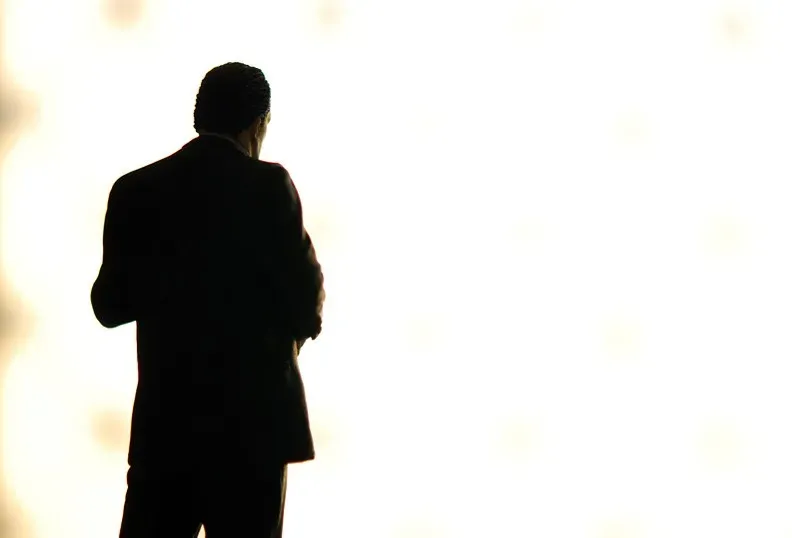
The Godfather opens not with gunfire but with a quiet, chilling monologue. “I believe in America,” says undertaker Bonasera, as the camera slowly pulls back to reveal Don Vito Corleone listening in shadow. The juxtaposition is striking: a plea for justice in a courtroom denied, contrasted with the quiet assurance of justice outside the law. It is arguably the most controlled and confident first minute in American cinema.
The opening wedding scene soon brings in a parade of familiar faces: Al Pacino’s Michael, James Caan’s Sonny, and Robert Duvall’s ever-smooth Tom Hagen. It’s less a scene and more a hypnotic overture to a saga that would define the gangster genre for generations. The genius of it is how much information Coppola conveys without a single line of exposition. You understand the world, its rules, and its hierarchy before the main credits have even finished.
Jaws (1975) – What You Don’t See Is the Terror
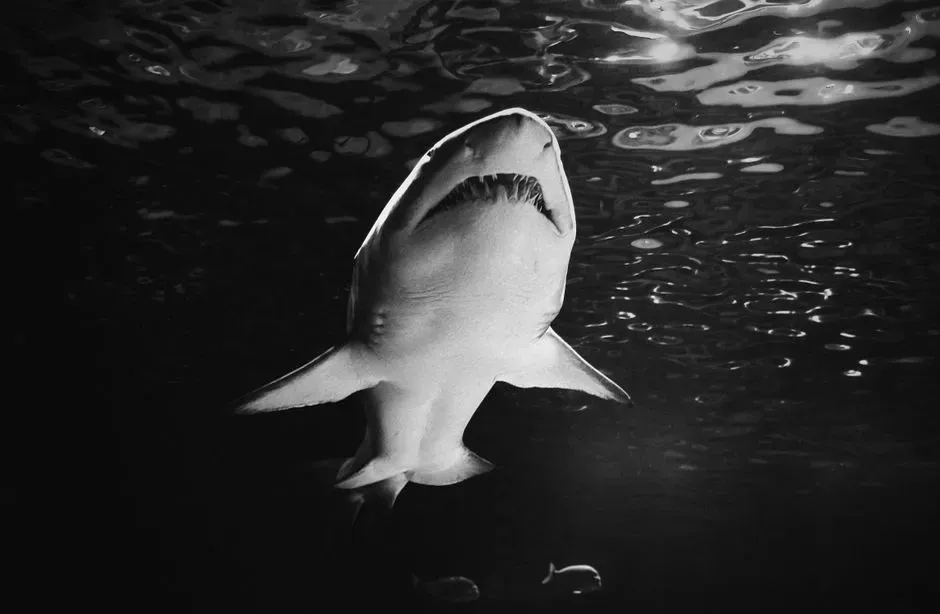
With Jaws, Spielberg takes a restrained approach rather than a splashy one. Instead of showing us the shark directly, we get only a vague suggestion. A young woman goes for a late-night swim, unaware of the danger lurking below. As she splashes, John Williams’ now-legendary two-note theme begins, growing faster as the unseen predator closes in. The attack is brutal, chaotic, and terrifying, yet the shark itself remains hidden, leaving the imagination to do the work.
This sequence is perhaps the most intense one involving the shark in the whole movie, and it also shows the shark the least of all those scenes. Like various other great opening scenes, the first scene in Jaws is like an opening statement for the movie as a whole, laying out the main threat while also setting up what you’re in for more generally. It does a lot with a little, and that makes the later scenes with more in-your-face spectacle stand out further, contributing to the sense of escalation that begins right here.
Raiders of the Lost Ark (1981) – Adventure as an Instant Language
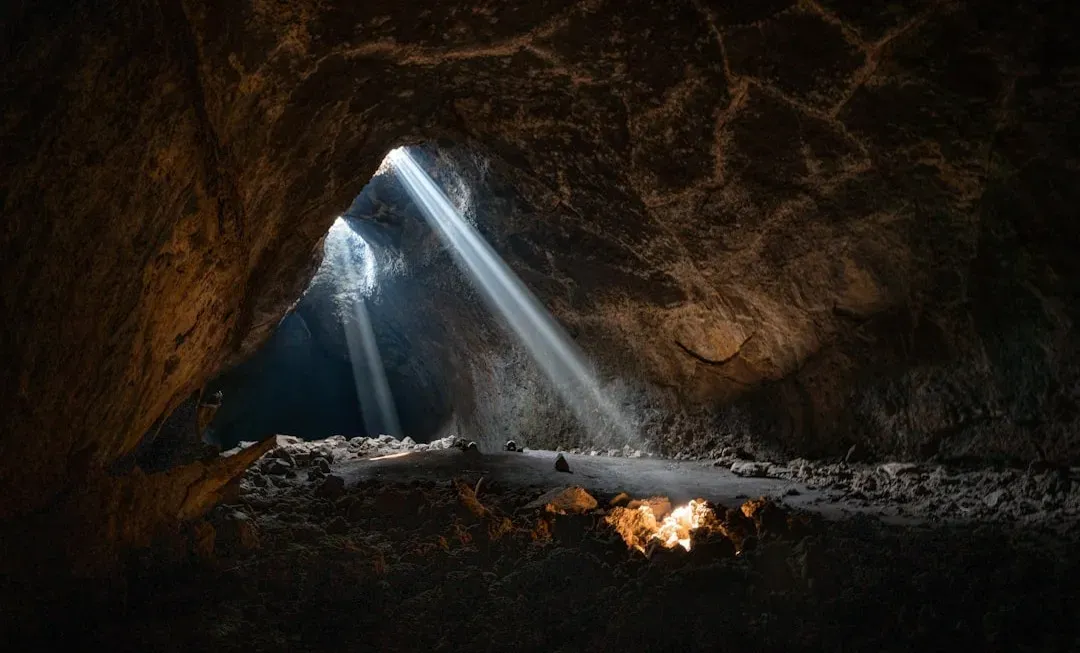
Speaking of Spielberg, he managed to outdo himself six years after Jaws with the cinematic welcome of Indiana Jones in Raiders of the Lost Ark. Equal parts mysterious, thrilling and creepy, the filmmaker introduces the audience to Jones in a scene that tells us everything we need to know about the character while delivering one of the franchise’s greatest action sequences. Brave, loyal, good-natured and ruthless, Indiana Jones is one of Hollywood’s most iconic characters for a reason, and this scene gives us every single excuse to love him.
The set pieces are perfectly staged, each trap more dangerous than the last, culminating in one of the most famous action moments in cinema history. This opening is pure adventure distilled, announcing Indiana Jones as an instant icon and setting the tone for a franchise built on spectacle and charm. It’s a lesson in character introduction, establishing Indy’s flaws and strengths with clarity and style. Very few action films have come close to matching it since.
Goodfellas (1990) – Tone in Three Minutes Flat
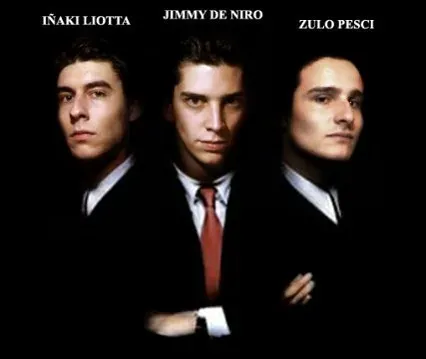
Whilst inspired by the films of Francis Ford Coppola, there’s no doubt that Martin Scorsese had a significant hand in transforming the American gangster genre. Revitalising the taste for such cinema after a period of stagnation, Scorsese’s iconic 1990 movie introduced audiences back into the world of tailor-made suits, smart cars and backstabbing with a scene equally hilarious as it is downright sinister. Driving in his car along the desolate streets of outer New York, Henry, James, and Tommy hear something rattling around as they drive.
The film opens on a scene reminiscent of many other gangster stories, with a trio of gangsters having to get out of a car after the body in the trunk turns out to be alive. It’s the simple line delivery and editing around the statement “As far back as I can remember, I always wanted to be a gangster” that transforms the opening into an all-time classic. While the genre is most commonly recognized for its more grounded and serious elements, this simple line reading sets the tone of being more playful and coy with its darker premise.
Saving Private Ryan (1998) – Cinema as a Moral Act
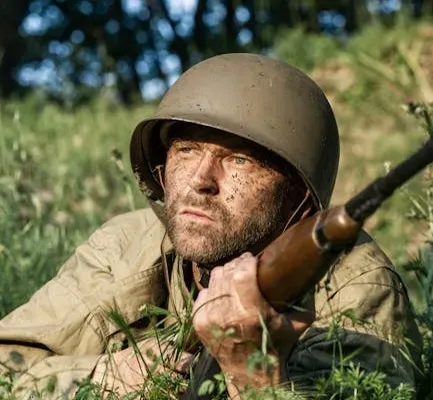
The World War II drama won five Academy Awards, including Best Director and Best Cinematography, and the film’s brutal opening scene, which recreates the U.S. Army’s landing at Omaha Beach during the Normandy invasion, was singled out and praised for its accurate depiction of war. The opening Omaha Beach battle was the most demanding scene, costing $12 million to film over a four-week period, and using 1,500 background actors. Spielberg chose not to storyboard a single shot of it.
In an unusual move for the typically methodical director, Spielberg chose not to storyboard the Omaha Beach scene. Instead, cinematographer Kamiński and the camera were placed in the center of the action to react spontaneously while shooting the scene, similar to the way World War II was captured by combat cameramen. When the film came out in July 1998, there were reports of some veterans having to leave theaters after viewing the opening scene, unable to finish watching the remainder of Saving Private Ryan; the memories were just too powerful.
Pulp Fiction (1994) – Conversation as a Loaded Gun
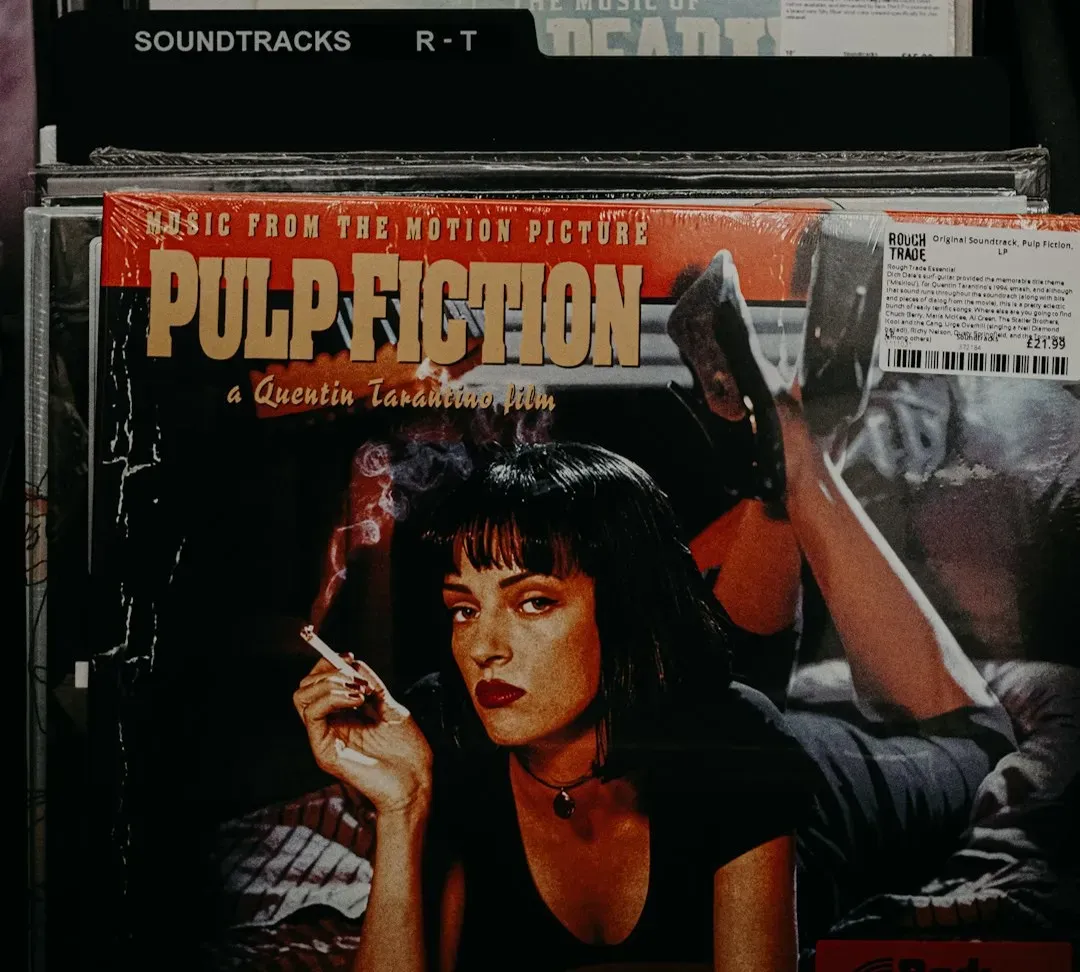
Told throughout a non-linear series of vignettes, Quentin Tarantino’s 1994 classic Pulp Fiction is home to one of its very best opening scenes. The film opens in a nondescript Los Angeles diner, settling to focus on two characters discussing their situation at a rapid-fire pace. The audience learns that the man, “Pumpkin,” and the woman, “Honey Bunny,” are planning to rob the diner. As they hold up the little restaurant, guns blazing, that’s when surf music starts to blare, announcing the beginning of the movie.
The opening melds the mundane with the shocking, the comedic with the dangerous, in a way only Tarantino could. It’s a declaration of intent: the film will be unpredictable, stylish, and violent, with dialogue as sharp as any gunfight. By the time the scene returns at Pulp Fiction’s time-bending conclusion, it has already become one of the defining moments of modern cinema. Few opening scenes have ever felt quite so deliberately thrilling.
Inglourious Basterds (2009) – Tension as a Fine Art
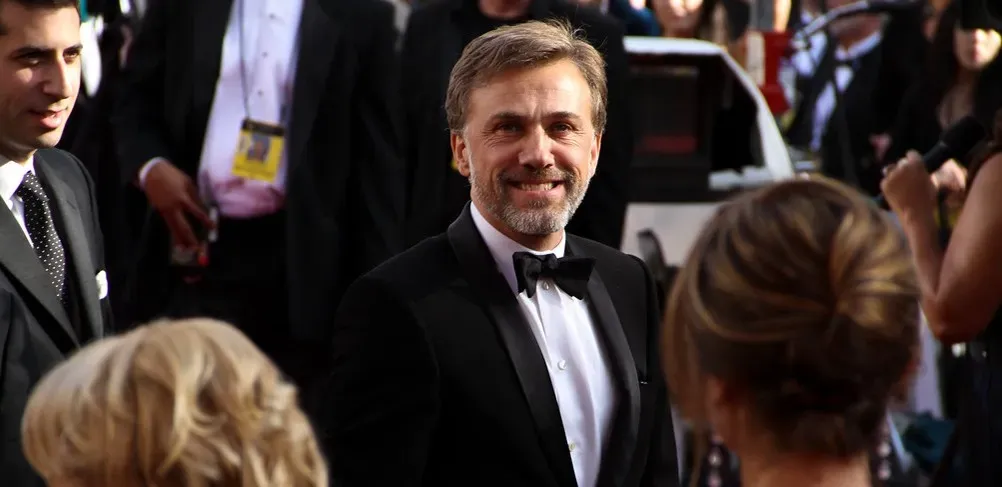
Arguably the best scene in the film and one of the best that Tarantino has ever shot, the opening to his revisionist WWII revenge film plays out without any of his usual flourishes. Still and quiet in the extreme, the opening introduces us to the smiling Nazi colonel Hans Landa as he calmly interrogates a French farmer. The fact that we know what the farmer is hiding, and that we know that Hans knows too, makes it all the more chilling.
It’s also a great introductory scene for the movie’s central antagonist, one who gets shown and explored here much more thoroughly than opening scenes typically do for their villains. Christoph Waltz won an Oscar and became internationally recognizable in large part from this scene alone, and to this day you’ll still find people saying it’s the single best sequence Quentin Tarantino has ever directed. It speaks volumes that this opening chapter is as effective and iconic as it is, despite not even mentioning or relating to the Basterds to whom the film is named.
The Dark Knight (2008) – The Heist as Character Introduction
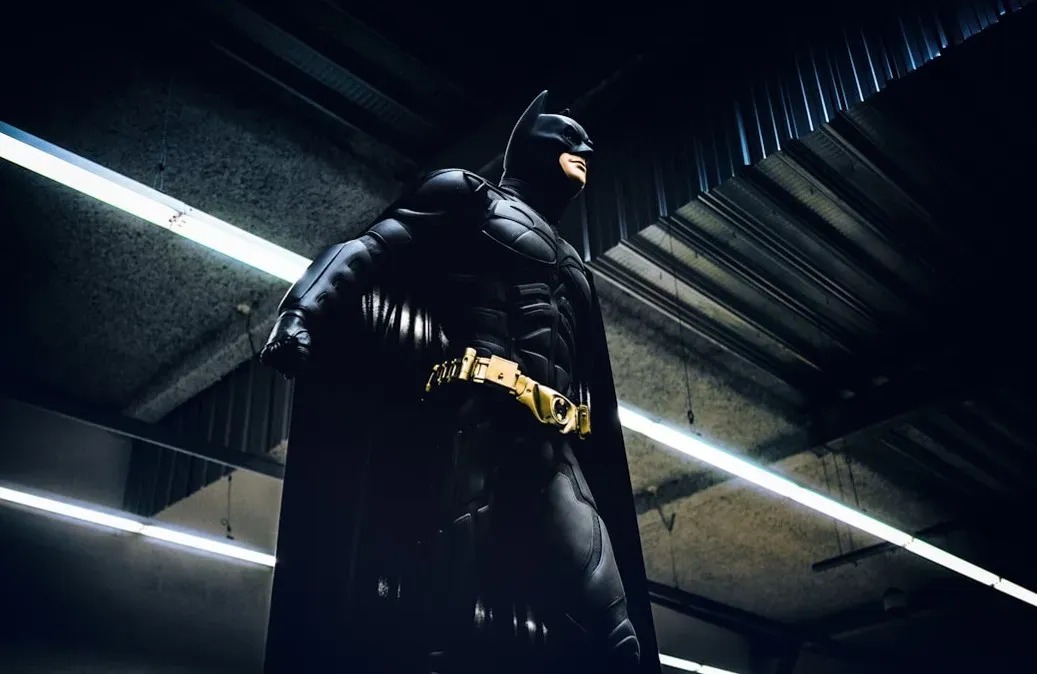
Christopher Nolan’s The Dark Knight opens with a bank heist so meticulously orchestrated, it makes Ocean’s Eleven look like amateur hour. The Joker, brilliantly embodied by Heath Ledger, slowly emerges from a gang of masked robbers, only to double-cross each one like a deranged game of mafia. Ledger’s performance is mesmerizing even in those first silent moments, proving he was about to steal the whole movie. Gotham City never looked so sharp, brutal, and disturbingly fun.
The scene operates on two levels simultaneously. On the surface, it’s a propulsive action sequence. Underneath, it’s a precise and chilling character study. Every decision the Joker makes in those opening minutes reveals exactly the kind of chaos agent he is, and the audience is already terrified before his name has even been spoken. It’s one of the cleanest villain introductions the genre has ever produced.
Scream (1996) – Subverting the Rules in Real Time
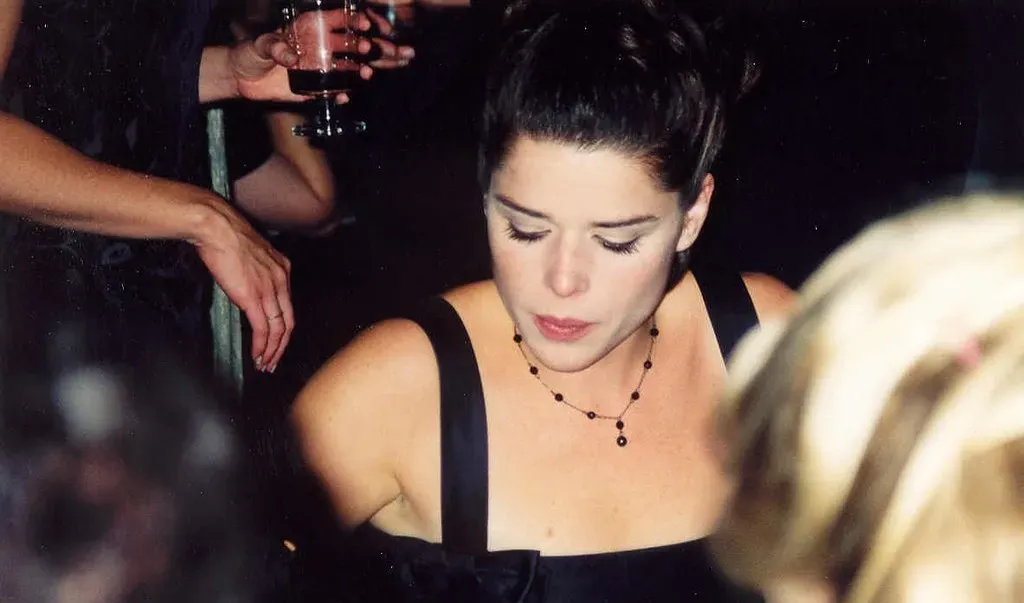
Wes Craven reinvented the slasher with Scream, and its opening scene remains one of the most shocking in horror history. Drew Barrymore, then the biggest star attached to the film, was marketed as its lead, only to be brutally killed off in the first fifteen minutes, with strong shades of Psycho. Scream is a horror film that is all about tackling the meta rules and conventions that make up slasher films, so it would make sense that the opening would be toying with the audience even before the movie starts.
In one of the most iconic opening sequences in horror history, Casey, home by herself while her parents are out, receives a series of phone calls from an odd stranger who tries to make her answer questions about horror movies. When the call turns sinister and Casey’s boyfriend is murdered in front of her, Casey fights for her life, ultimately losing in an extremely dark twist. While Scream may seem to be yet another horror movie opening with a shocking death, it’s all about the context and execution. All the marketing for the film treated Barrymore’s character as the lead, so having her be the first death immediately raised the stakes and shocked audiences.
Touch of Evil (1958) – The One-Take That Still Astonishes
Even to this very day, the work of Orson Welles on the introduction of Touch of Evil is bafflingly impressive, welcoming the audience to his crime-noir with an intense, complicated one-take mastermind. Ambitious and intricate, the shot is a technical marvel with Welles’ crane shots delicately gliding over the houses and overpasses to capture a scene that brims with tension. What makes it particularly remarkable is that it was accomplished without the digital tools later generations of filmmakers would rely on.
When flashy technology wasn’t available at a filmmaker’s disposal, any monumental cinematic achievement was seen as something of a feat of artistic greatness. The Touch of Evil opening, which runs approximately three unbroken minutes and tracks a ticking time bomb from placement to detonation while simultaneously introducing its main characters and setting, is a reminder of what pure directorial ingenuity looks like. Decades later, it still feels startling. That’s not a small thing.