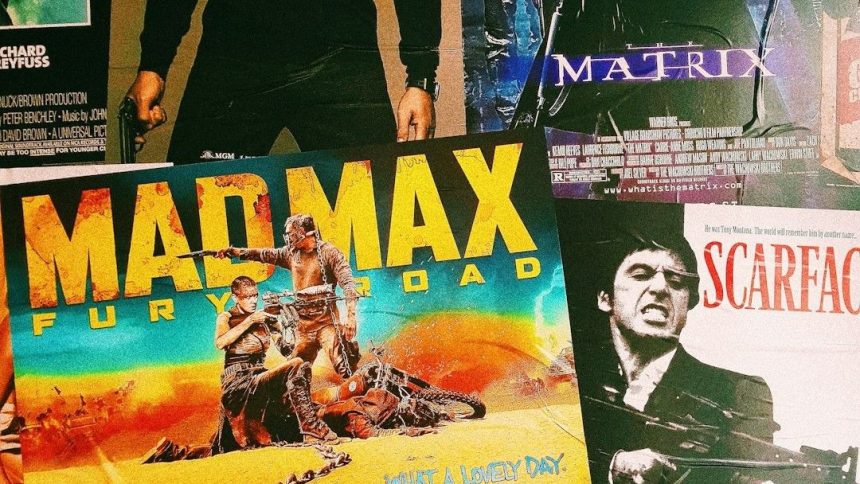
Every so often, a film arrives in theaters carrying real expectations, real budgets, and real talent, only to collapse spectacularly under the weight of its own ambitions or its creators’ blindspots. Critics reach for the sharpest pens, audiences demand refunds, and Hollywood gets a story it can’t stop retelling. These films didn’t just disappoint. They became landmarks of failure.
What makes a truly panned film different from a merely forgettable one is the intensity of the reaction. Some of the entries below earned near-universal scorn on arrival. Others accumulated their infamy slowly, gathering moss and mockery over decades. Either way, they all earned their place at the bottom of cinema’s pile, and a few of them are strangely hard to forget.
Plan 9 from Outer Space (1957) – The Original Worst Film Ever Made
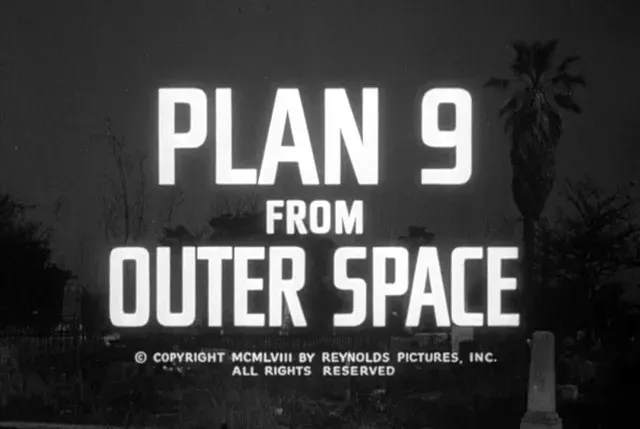
Plan 9 from Outer Space is a 1957 American independent science fiction-horror film produced, written, directed, and edited by Ed Wood. The film played on television in relative obscurity from 1961 until 1980, when authors Harry Medved and Michael Medved dubbed it the “worst film ever made” in their book The Golden Turkey Awards, and Wood and his film were posthumously given two Golden Turkey Awards for Worst Director Ever and Worst Film Ever.
Written and shot around existing footage of aging Dracula star Bela Lugosi in the sad days leading up to his 1956 death and cobbled together with enthusiasm, determination and whatever Hollywood leavings could be scavenged, Plan 9 has become the whipping boy of midnight movies for its technical gaffes, flat acting, continuity errors and tautological dialogue. When the Medved brothers dubbed Plan 9 the worst movie ever made in their influential 1980 book, it introduced a bold new dynamic: trash aficionados wanting to see a movie specifically because it’s terrible, not despite being terrible. It has since been called “the epitome of so-bad-it’s-good cinema” and gained a large cult following.
Manos: The Hands of Fate (1966) – A Film That Shouldn’t Exist

The plot involves a family trapped in a desert lodge run by a sinister cult leader, and with amateurish acting and awkward pacing, it drags viewers through its strange story. Manos was originally made as the result of a bet that any person could produce a successful horror film. The filmmaker lost that bet spectacularly, delivering something so inert that it became a genuine endurance test for audiences.
Before there was The Room, Troll 2, Birdemic, the collected works of Uwe Boll, or even Battlefield Earth, Plan 9 and Manos together set the golden standard in bad filmmaking. Manos gained new notoriety after being featured on the television series Mystery Science Theater 3000, which arguably saved it from total obscurity by making it watchable through comedic commentary. Few films have so little going for them and yet remain so oddly magnetic.
Showgirls (1995) – Big Budget, Bigger Disaster
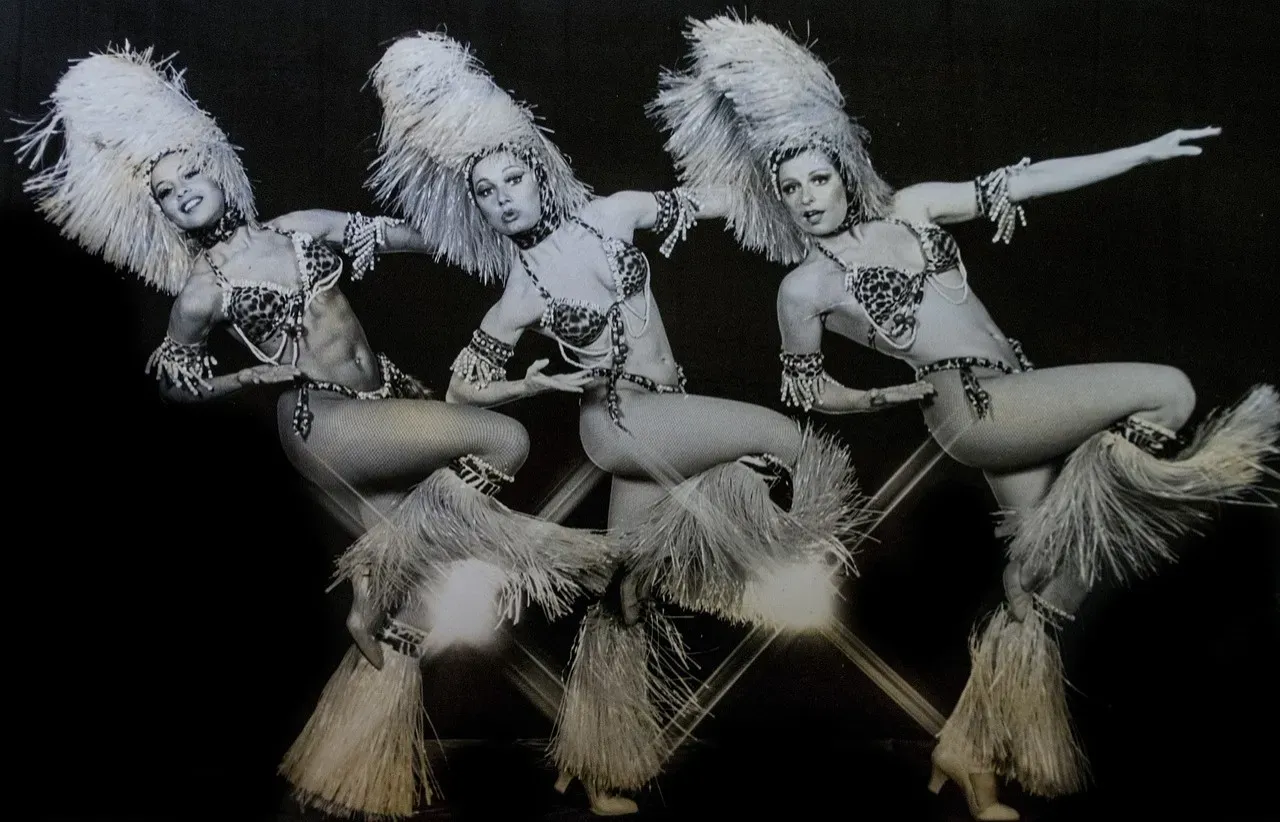
Showgirls arrived with a rare NC-17 rating and genuinely high expectations. Director Paul Verhoeven and screenwriter Joe Eszterhas had just delivered Basic Instinct together, and the industry expected another provocative hit. What they got instead was a film that left critics nearly speechless. Both the lead performance and character were panned by critics, and the script was criticized for its awkward dialogue, while what bothered viewers even more was that despite the heavy degree of nudity in the film, it lacked the element of eroticism, making it simply exploitative.
Despite its initial reception, Showgirls has been reevaluated as a camp classic, and its notoriety continues to attract audiences intrigued by its blend of glitz and absurdity. That second life as a cult object is a strange kind of redemption. Very few films earn the right to be called both catastrophic and beloved, but Showgirls manages both without quite resolving the contradiction.
Battlefield Earth (2000) – John Travolta’s Passion Project Gone Wrong
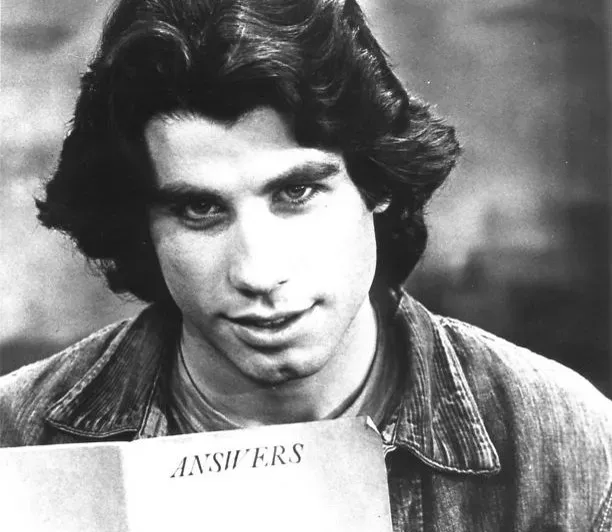
John Travolta, an outspoken Scientologist and star of Battlefield Earth, used his post-Pulp Fiction renewed influence in Hollywood to champion the movie adaptation of L. Ron Hubbard’s novel, describing it as “like Star Wars, only better” and working tirelessly to secure funding, though it was a hard sell with many studios rejecting it due to a lack of interest in the story or its connections to the Church of Scientology.
Out of its eight Razzie nominations, Battlefield Earth took home seven wins, including Worst Picture, Actor, Supporting Actor, Supporting Actress, Screen Couple, Director, and Screenplay. It was heavily criticized for its convoluted and poorly structured plot, as well as the cast’s exaggerated performances, with critics labeling it a bad campy sci-fi and many viewers greeting the movie with derisive laughter, while some simply walked out of the theater. The production company was eventually forced into bankruptcy following fraud charges concerning the budget.
Gigli (2003) – The Punchline That Wouldn’t Go Away

Intended as a romantic crime comedy starring Ben Affleck and Jennifer Lopez, Gigli became a pop culture punchline almost instantly. The film’s awkward mix of gangster tropes, forced romance, and cringeworthy dialogue earned it a 6% rating on Rotten Tomatoes and seven Razzie Awards, and despite its $75 million budget, it pulled in less than $7 million worldwide, cementing its place among Hollywood’s most infamous disasters.
Directed by Martin Brest, whose previous works include Beverly Hills Cop, Midnight Run, and Scent of a Woman, it appeared the movie was in good hands, and combined with public interest in Affleck and Lopez, who were in a real-life romantic relationship at the time, expectations were sky-high. After just three weeks of disastrous reviews and tepid box-office returns, the movie was pulled, but not before entering the lexicon as an unpronounceable synonym for “trainwreck.” The legend of Gigli outlasted the film itself.
Catwoman (2004) – A Superhero Film That Failed Its Hero
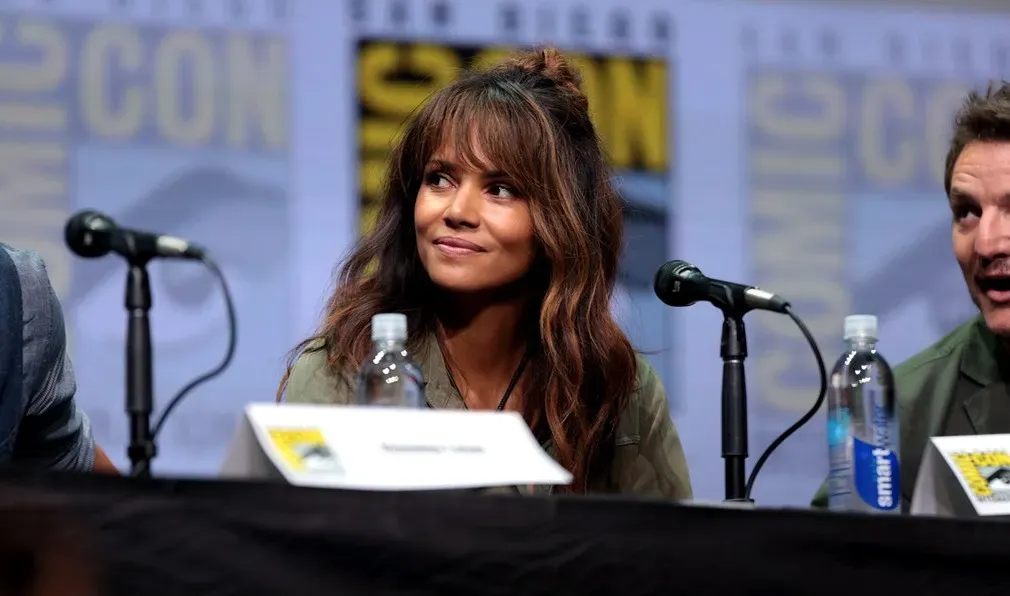
Halle Berry’s star power did not stop Catwoman from being a critical failure. It reimagined the DC Comics character in a way that bore little resemblance to her comic book origins, with Berry’s character, Patience Phillips, acquiring cat-like abilities after being resurrected by an Egyptian Mau cat, and the film seemed to pay more attention to special effects than the plot and acting.
The film arrived just as superhero cinema was entering its modern phase, which made its failures feel even more glaring. Berry, who had won an Academy Award just two years earlier for Monster’s Ball, accepted her Razzie Award for Worst Actress in person, a moment of self-awareness that became more memorable than anything in the movie itself. Catwoman sits near the bottom of nearly every critical ranking of the genre, a cautionary tale about style overwhelming substance entirely.
The Cat in the Hat (2003) – Dr. Seuss’s Nightmare
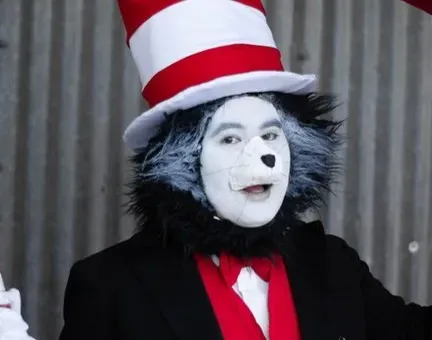
Starring Mike Myers in uncomfortable-looking makeup, the film sees him as the titular cat trying to brighten two children’s gloomy day. It’s a film so horrendous that it made Dr. Seuss’s widow forbid further live-action adaptations, featuring unfunny adult humor that borders on inappropriate, alongside nightmarish makeup effects, awful CGI, and obnoxious performances.
The creative estate’s decision to block all future live-action Seuss adaptations speaks volumes. That’s not a standard studio fallout or a rights dispute. It’s a filmmaker’s surviving family drawing a hard line in the sand because of how badly one project handled a beloved legacy. Few films can claim that specific kind of cultural consequence. The Cat in the Hat managed it without even trying.
Jaws: The Revenge (1987) – When a Franchise Ate Itself
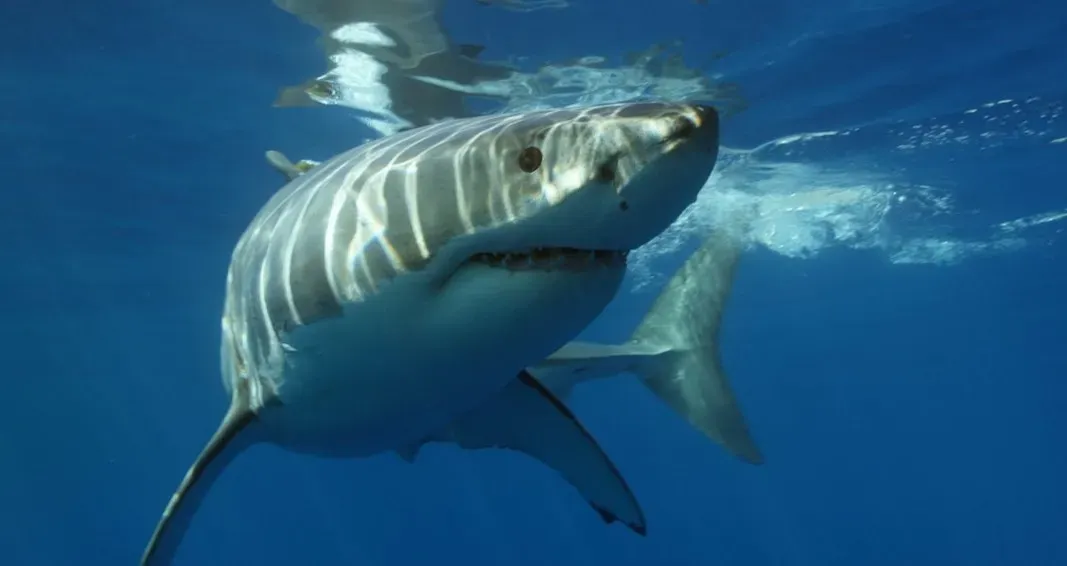
Jaws: The Revenge takes the iconic shark franchise into unfathomable depths of absurdity, with a plot centered on a vengeful shark that defies logic and stretches believability. Critics panned the film for its uninspired performances and lackluster special effects, and the shark, rendered with questionable realism, fails to invoke the terror of its predecessors.
The only film on Rotten Tomatoes’ worst films of all time list to get above 0% in its category, Jaws: The Revenge is the fourth installment in the Jaws franchise. The original Jaws remains one of the greatest films ever made, which makes this sequel’s failure carry a particular sting. It’s a reminder that great source material offers no protection once a film loses its grip on tone, logic, and craft simultaneously.
Poolman (2024) – A Recent Addition to the Hall of Infamy
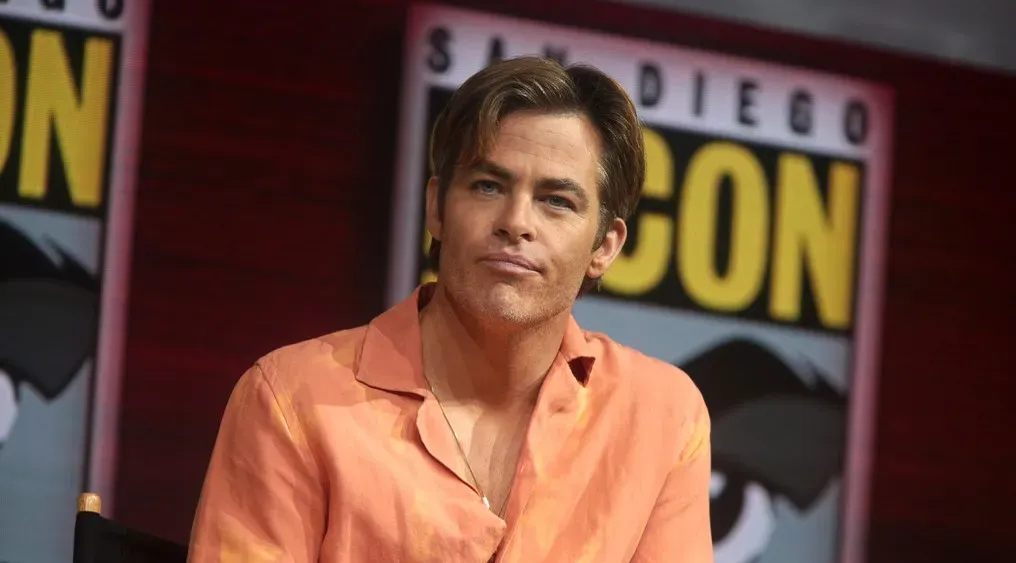
Released in theaters in May after first debuting at TIFF in the fall of 2023 to numerous reported walkouts, Poolman finds actor Chris Pine, in his directorial debut, playing an eccentric Los Angeles apartment complex pool cleaner who finds himself drawn into an investigation of shady business dealings and a political conspiracy, with Pine appearing to go for something akin to a Coen brothers vibe, but this shaggy comedic noir received multiple reviewers ranking it among the worst films they had ever seen.
Metacritic named Poolman its official worst movie of 2024, and as the only film that year with a single-digit Metascore, it may be more notable for a lawsuit relating to its allegedly botched theatrical rollout than its on-screen content. The film is a useful modern data point: critical failure isn’t an artifact of low-budget filmmaking from the past. It still happens when ambition and execution fail to meet, regardless of the era or the pedigree of the people involved.
Superbabies: Baby Geniuses 2 (2004) – A Sequel Nobody Wanted
An absolute crime against family films, Superbabies: Baby Geniuses 2 is the unnecessary sequel to the garbage Baby Geniuses from 1999, except it’s somehow more blunderous and painfully unfunny. The original Baby Geniuses had already earned near-universal contempt from critics, making the decision to greenlight a sequel one of Hollywood’s more puzzling calls of that decade. The follow-up confirmed that some mistakes are worth repeating, at least from a studio accounting perspective.
Films at the very bottom of review aggregator lists have typically only received scores in the zero to two percent range from critics, and their audience scores are equally abysmal, with cheesy lines, poor effects, illogical plots, and painfully bad comedy encompassing the very worst of cinema. Superbabies 2 checks every one of those boxes, a film that somehow felt lower-effort than the original despite being made second. There’s a strange achievement in that, though not the kind anyone was aiming for.
The Bigger Picture: What These Films Tell Us
Although there are awful films released all the time, most of them never come close to the films that find themselves on lists of worst films of all time. The ones that do reach that level of infamy tend to share certain qualities: misplaced confidence, a mismatch between ambition and execution, and a fundamental disconnection between what a film thinks it is and what it actually delivers on screen.
The history of cinema is full of films that were misunderstood, dismissed, or outright panned when they first appeared, only to be celebrated decades later as masterpieces. That cuts both ways. Some of the films on this list may yet find their champions. Others, like Gigli or Superbabies 2, seem unlikely to age into respectability. The line between enduring infamy and quiet obscurity is rarely where anyone expects it to be, and that unpredictability is part of what makes bad cinema so persistently fascinating.