Television history is littered with shows that got pulled before they ever had a real shot. Sometimes it’s the scheduling. Sometimes it’s the network. Sometimes it’s both. What’s genuinely interesting, though, is how a handful of these shows didn’t just fade out quietly. They left something behind, a community of viewers who kept the flame burning long after the credits rolled for the last time. The reasons fans refuse to let go vary from show to show. Some were cancelled so abruptly that storylines were left wide open. Others were simply ahead of their time, finding their audience years after the fact through DVD releases and streaming. Here are six shows that never made it past one season yet somehow built lasting, passionate fan communities.
Firefly (Fox, 2002)

Airing on Fox in 2002, Joss Whedon’s sci-fi and western mashup tracked the misadventures of a ragtag group of smugglers aboard a spaceship called Serenity. Between its unique premise and unforgettable cast of characters, Firefly was generally a hit with both critics and viewers, at least those who actually saw it. Fox aired the episodes out of order, which made it harder for audiences to follow the story. Key parts of character development and world-building were simply missed, and as a result, many viewers struggled to fully connect with the plot.
Fox aired only 11 of the 14 produced episodes, and notoriously aired them out of order, contributing to low ratings. The three unaired episodes were later released on DVD, which helped fuel the passionate fan campaign that led to the 2005 film Serenity. The series maintains an incredibly loyal fanbase despite being axed after only 11 of its 14 episodes aired. To this day, the so-called Browncoats continue to hope for its triumphant return, and even Fox has reportedly remained open to the idea of a revival. The show has also found new life in comics and books.
Freaks and Geeks (NBC, 1999)
Freaks and Geeks aired for 18 episodes in 1999 on NBC. Creator Paul Feig based the show on his real experiences as a student at Chippewa Valley High School in Royal Oak, Michigan. A confluence of factors contributed to its cancellation, including the network’s ill-advised scheduling and erratic airing patterns, which severely hampered its ability to gain a consistent audience. To add insult to injury, NBC initially planned to bury the remaining episodes, only relenting to fan pressure by airing a few and then offloading the rest to another channel.
A fan campaign known as Operation Haverchuck, led by a 21-year-old film student named Garrett Krnich, raised money to place an ad in the Daily Variety pleading for other networks to pick up the show for a second season. At the same time, the New York Museum of Broadcasting decided to show every episode, a clear sign of the impact the series was already having. Today, Freaks and Geeks holds a perfect 100% Tomatometer on Rotten Tomatoes, and at the 52nd Emmys it was nominated for three awards, winning for Outstanding Casting for a Comedy Series. Although it only lasted one season due to low ratings, the NBC series went on to become a cult classic with a loyal fanbase, while several of its stars became major Hollywood actors, including James Franco, Seth Rogen, and Jason Segel.
Jericho (CBS, 2006)
The first season of Jericho faltered in the ratings and CBS canceled the series. Fans, however, didn’t let the show go quietly, as they created a massive campaign that quickly got the attention of CBS executives. An online campaign came up with the plan to send physical bags of peanuts to the offices of CBS, a reference to the final episode of the first season. It was estimated that, by the end of the Nuts for Jericho protest, some 20 tons of peanuts had been sent to CBS offices in New York and California.
Jericho did indeed get a second season, purely as a consequence of the fan protest. It was subsequently brought back as a midseason replacement during the 2007-08 TV season. However, the show debuted to its lowest ratings yet and was canceled again. CBS publicly noted the show’s devoted fanbase, but reiterated their view that the numbers were simply too low to continue production. Jericho still goes down in TV history as having one of the biggest and most talked-about Save Our Show campaigns of all time.
The OA (Netflix, 2016)
Created by Brit Marling and Zal Batmanglij, The OA blends elements of science fiction, fantasy, and supernatural themes. The show first dropped on Netflix in 2016 without preamble or marketing, primarily relying on word of mouth. The highly anticipated second season arrived almost two and a half years later, ending with a mind-bending meta cliffhanger that left viewers craving more. What was strange about the cancellation was that the show was envisioned as a five-part adventure.
The fan response to The OA’s cancellation was immediate, organized, and by streaming-era standards unprecedented in its intensity. The hashtag #SaveTheOA trended globally within hours of the announcement, and a Change.org petition gathered hundreds of thousands of signatures. Fans even crowdfunded a digital billboard in Times Square, while flash mobs performed the show’s central choreographic sequence in public spaces across multiple continents. One fan went on a hunger strike outside Netflix’s Los Angeles headquarters to press for the show’s return, and co-creators Marling and Batmanglij visited her and offered her food and water. As recently as June 2025, actor Jason Isaacs stated publicly that The OA “is not over” and shared that he, Batmanglij, and Marling had agreed to do “whatever it takes” to bring the series back.
Pushing Daisies (ABC, 2007)
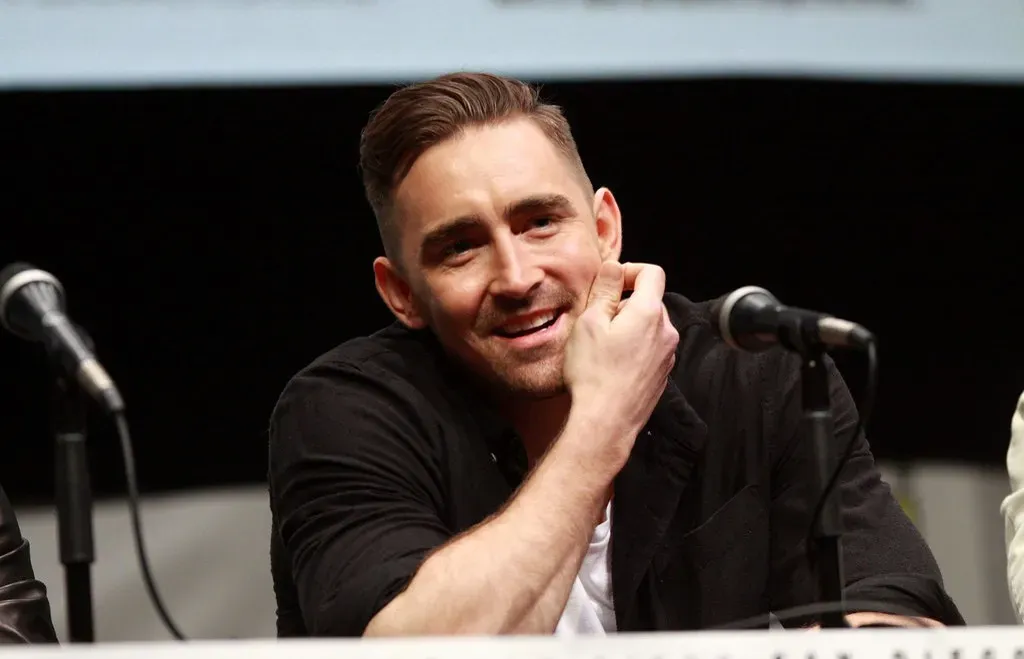
In Pushing Daisies, Lee Pace starred as pie-maker and amateur sleuth Ned, a man with the peculiar ability to bring something back from the dead just with the touch of his hand. After his unique gift is discovered by private detective Emerson Cod, the two join forces to solve murder cases and split the reward money. The setup became complicated when Ned learned his childhood love had been murdered, prompting him to bring her back to life. Pushing Daisies was a smash hit among critics, garnering widespread acclaim for its quirkiness and its distinct, whimsical visual style.
The series is often remembered as effectively one strong season, with writers’ strike disruptions, rising production costs, and modest ratings all contributing to its end. There hasn’t been a show quite like Pushing Daisies any time before or after. The quirky ABC series followed a pie maker who could reanimate the dead, and even before the era where fan petitions were in vogue, people were already hoping the show would make a comeback. Discussions about a revival have surfaced periodically over the years, though no concrete plans have ever moved forward.
Dead Boy Detectives (Netflix, 2024)
Dead Boy Detectives drew immediate passionate responses from fans, who felt the show deserved more time and celebrated its queer supernatural representation, including the acclaimed portrayal of Cat King by Lukas Gage. Fans described it as brilliant, fun, funny, quirky, and heartfelt, noting that it wraps up neatly at the end of the season with all of the major character arcs completed.
Dead Boy Detectives stands as a single-season fan favorite, with calls for its continuation continuing to circulate online, particularly among Netflix viewers. Fans have noted that the show peppered in so many hidden details that every rewatch is rewarding. Many one-season shows grew influential after cancellation via streaming, home video, or passionate fandom, leading sometimes to revivals, movies, or spiritual successors, and the Dead Boy Detectives community is actively keeping that possibility alive through social media campaigns well into 2026.
There’s a quiet irony in how some of these shows became more culturally significant after being cancelled than they ever were during their original runs. Networks measure success in overnight ratings and quarterly returns. Fans measure it in something harder to quantify: how many times they’ve rewatched an episode, recommended a show to a friend, or felt genuinely seen by a story that lasted only a few months on air. That gap between institutional logic and human attachment is probably why these communities keep showing up, years and even decades later.