Every so often, a record label decides that a project is too important to rush and too big to fail. Studios get booked for months instead of weeks, songwriters and session players are flown in from across the globe, and budgets swell far past anything a normal release would ever need. Then the album comes out, and the math simply doesn’t work anymore. What follows is a look at nine albums where enormous spending collided with disappointing sales, poor timing, or shifting public taste. Some of these records are now viewed more kindly than they were on release day. Others remain cautionary tales about what happens when ambition outruns budget discipline.
Guns N’ Roses, Chinese Democracy (2008)
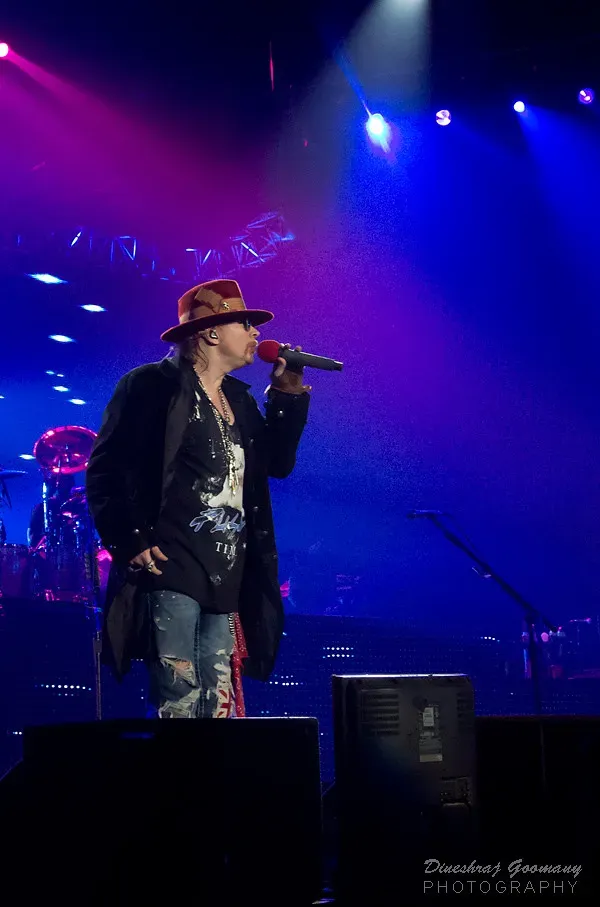
No album on this list is more synonymous with runaway spending than Chinese Democracy. The album’s development spanned over a decade, becoming one of the most protracted and expensive recording processes in rock history, with reported costs exceeding $13 million. Axl Rose worked through multiple lineups, producers, and studios while the rest of the world moved on from the classic Guns N’ Roses sound entirely.
When it finally arrived, the album actually debuted respectably and eventually went platinum. Still, although it debuted at number three on the Billboard 200 and was certified Platinum by the RIAA, Chinese Democracy domestically undersold expectations. Given fifteen years of work and eight figures in spending, platinum simply wasn’t enough to call it a financial win.
Michael Jackson, Invincible (2001)
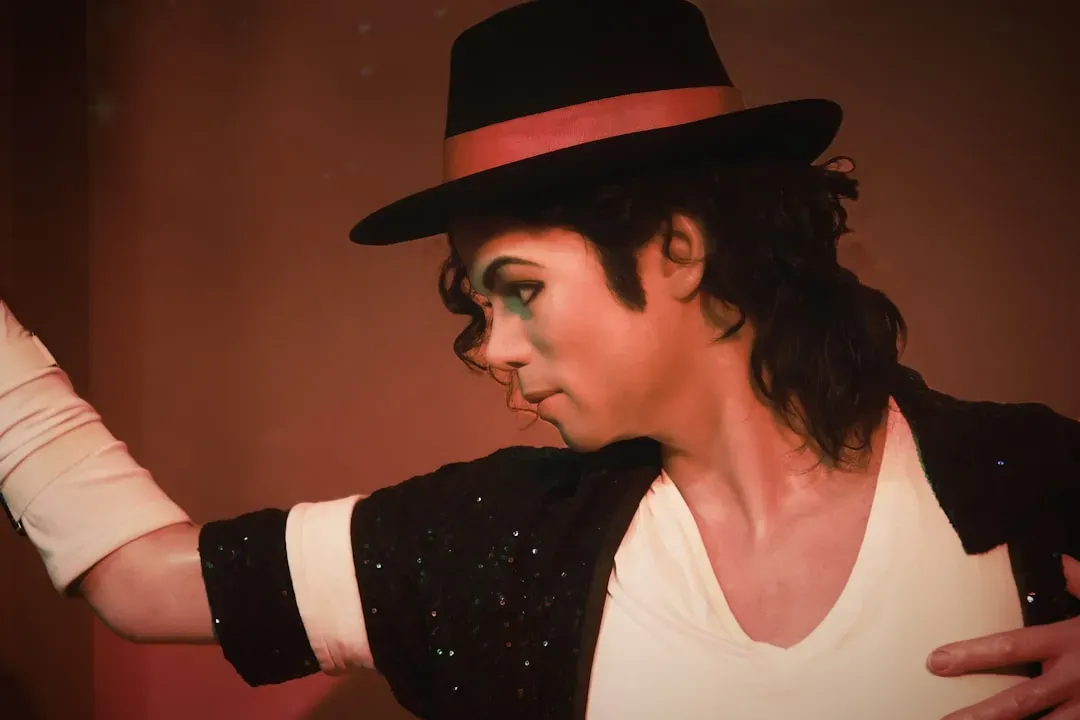
Invincible remains the benchmark for what an out of control recording budget looks like. The creation of Invincible was expensive and laborious, featuring the work of ten record producers and over 100 musicians, and with reported expenses of close to $30 million, it remains the most expensive album ever made. On top of that recording bill, Sony reportedly allotted an additional $25 million for marketing.
The album debuted at number one and produced a hit single, but the numbers never matched the outlay. Jackson also refused to tour behind it amid a bitter dispute with Sony, which cut off one of the usual paths to recouping such an investment. It sold respectably by most artists’ standards, yet as one retrospective put it, that kind of total would have been “a hit for any other artist” but fell short of what Jackson’s earlier work had achieved.
Mariah Carey, Glitter (2001)
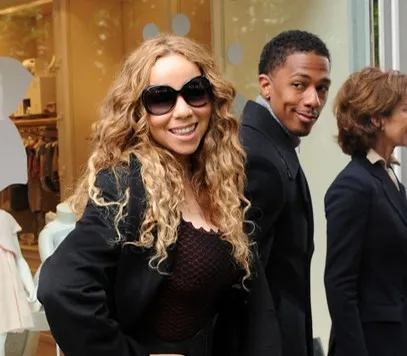
Glitter wasn’t just an expensive album on its own; it was tied to an extraordinarily expensive contract. Mariah had signed a new five-album, $100 million contract with Virgin Records in April of 2001 specifically to make the soundtrack and its accompanying film a centerpiece of her career relaunch.
Instead, the timing and reception could hardly have gone worse. Glitter was the lowest-selling album of Mariah’s career to that point, something she would later blame on the September 11 terrorist attacks, but when the film also flopped at the box office, Virgin Records dropped her. The label ultimately paid to end the relationship, with reports noting Virgin cancelling its contract with Carey, giving her about $30 million to terminate the deal.
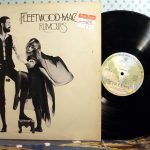
Fleetwood Mac, Tusk (1979)
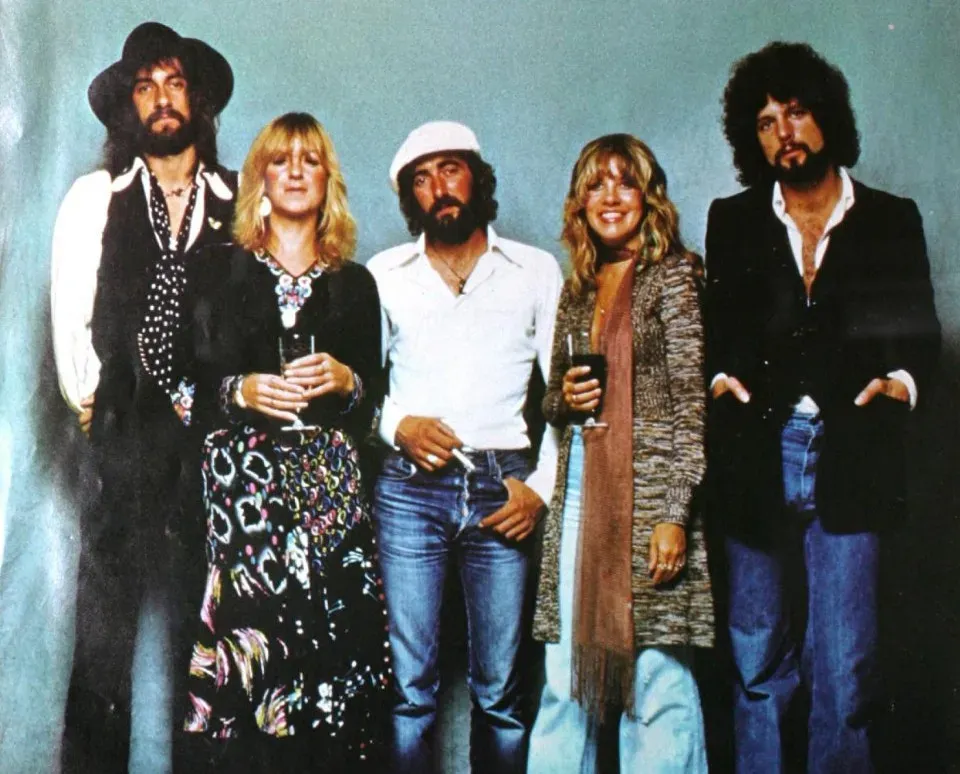
After the massive success of Rumours, Fleetwood Mac had the kind of studio freedom most bands never get, and they used it fully. Production costs were initially estimated to be about $1 million but many years later were revealed to be about $1.4 million, making it the most expensive rock album recorded to that date. Much of that money went toward customizing a single studio space rather than any lavish lifestyle spending.
Commercially, Tusk simply had no way to live up to its predecessor. Tusk sold just four million copies, a huge 19 million fewer than previous album Rumours. It has since been reappraised as an artistically bold detour, but at the time it read as a costly miscalculation.
Garth Brooks as Chris Gaines, Greatest Hits (1999)

Few reinventions in music history have been stranger, or pricier, than Garth Brooks recording an entire album in character as a fictional alter ego named Chris Gaines. Over 50 musicians were used in the recording, and the $5 million production cost was trumped only by the label’s $15 million in promotion. It was meant to launch a movie and a full transformation for one of country music’s biggest stars.
Fans and radio programmers alike never quite bought the concept. The recording only sold 2 million units, a disappointing number by Garth Brooks standards. The fallout was severe enough that the commercial flop was considered such a failure that it cost Pat Quigley, the president of Capitol Records Nashville, his job.
Korn, Untouchables (2002)

Korn entered the 2000s as one of nu metal’s biggest commercial forces, and their label bet accordingly on the follow up to their breakthrough record. Following the group’s 1999 album Issues, which would go on to sell 13 million copies, Korn spent around $4 million on 2002’s Untouchables. That included two years of studio time with producer Michael Beinhorn, known for chasing a very specific, very layered guitar sound.
The album debuted strongly on the charts, but it never came close to matching the scale of Issues. Nu metal’s popularity was already cooling by the time Untouchables hit shelves, and the genre shift left an expensive, ambitious record without the audience it had been built for. It remains one of the clearer examples of a band and label misjudging where the market was heading.
My Bloody Valentine, Loveless (1991)
Loveless is now considered one of the most influential albums of its era, but its birth nearly destroyed the label that funded it. The recording of Loveless is rumoured to have cost £250,000, a figure that came close to bankrupting the band’s record label Creation Records. Kevin Shields spent two years chasing an exact, almost impossible sound across more than a dozen studios and dozens of engineers.
Commercially, the record simply didn’t reach the audience its reputation would later suggest. Loveless went on to be acclaimed by critics, though it was not a commercial success, peaking at number 24 in the UK and failing to chart in the United States. Creation dropped the band shortly after release, a decision that made sense financially even as the album’s cult status grew for decades afterward.
The Beach Boys, Smile (Unreleased, 1967)

Smile might be the most extreme example on this list, because for decades it generated no commercial return at all. Brian Wilson poured enormous resources into the project, and even a single song from it carried a startling price tag: the unfinished album’s single “Good Vibrations” alone had a budget between $50,000 and $75,000, more than most entire albums cost in those days.
The full album was shelved before release, leaving Capitol Records with a mountain of studio bills and nothing to sell. It stands as perhaps the purest case of a commercial failure caused entirely by an album never reaching store shelves in its intended form, rather than reaching shelves and simply underperforming. Portions of the material eventually surfaced decades later, but the original commercial opportunity had long since evaporated.
Duran Duran, Thank You (1995)
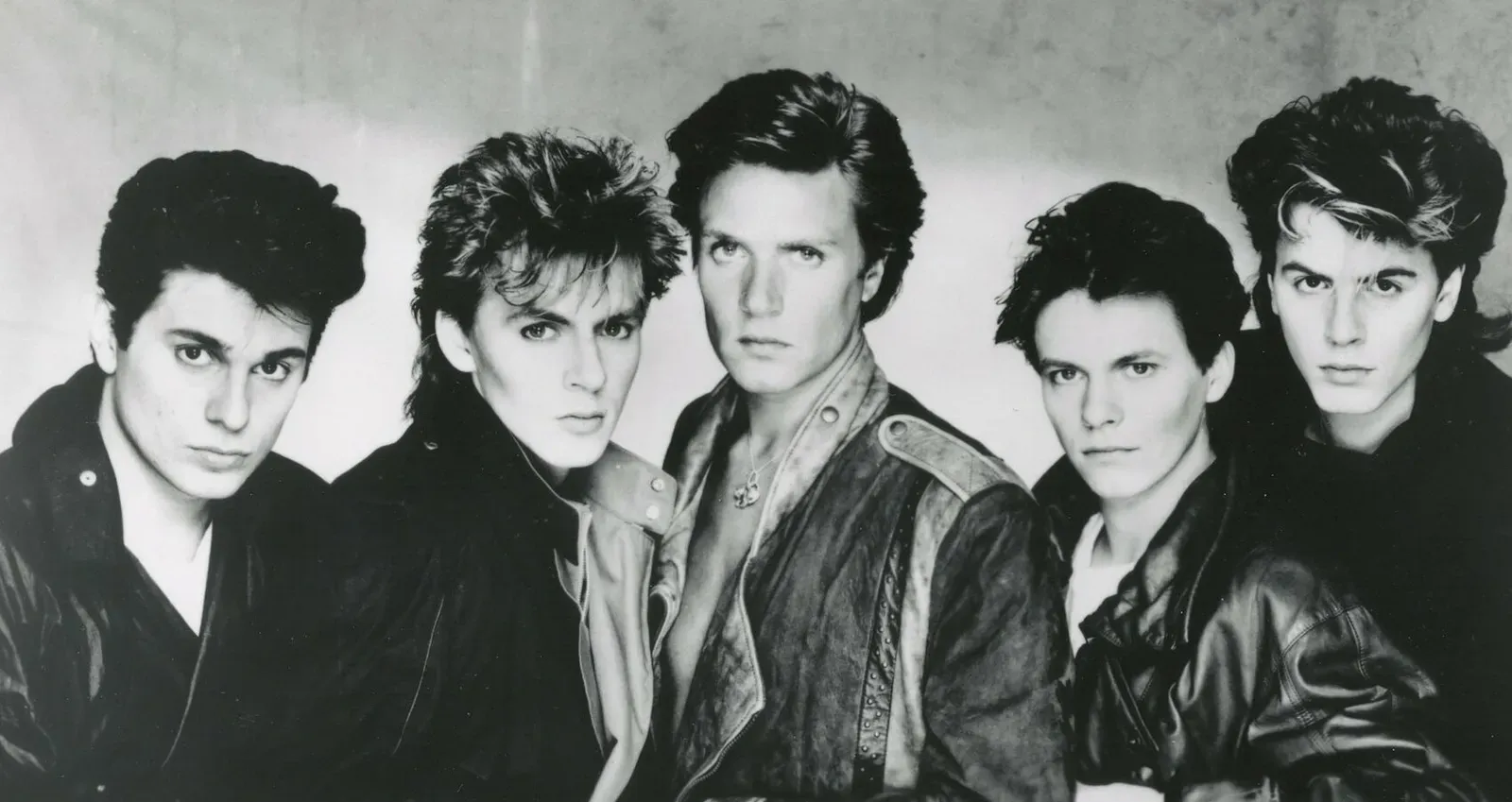
Not every expensive flop involves original material. Thank You was an entire album of cover songs, paired with lavish, individually produced music videos for nearly every track, an unusually costly approach for a covers project at the time. The band clearly intended it as a serious artistic statement rather than a stopgap release.
Critics disagreed almost universally, and the album is regularly cited as one of the most poorly reviewed releases of Duran Duran’s career. Sales fell well short of the band’s earlier commercial peak, and the record did little to slow the group’s declining chart presence through the mid 1990s. It remains a reminder that expensive production choices cannot substitute for a compelling core idea.
What These Nine Records Have in Common