Some of the biggest songs in music history started out as something else entirely, sometimes barely recognizable from the finished product. A placeholder title scrawled on a lyric sheet, a working name meant only for the recording studio, or a phrase that got tossed out during a heated argument with a producer. All of it can vanish the moment a song becomes a hit, leaving fans with no idea how close their favorite track came to being called something totally different. These nine songs prove that even the most iconic titles in pop and rock history were, at some point, just a rough draft.
1. Yesterday by The Beatles Almost Stayed Scrambled Eggs
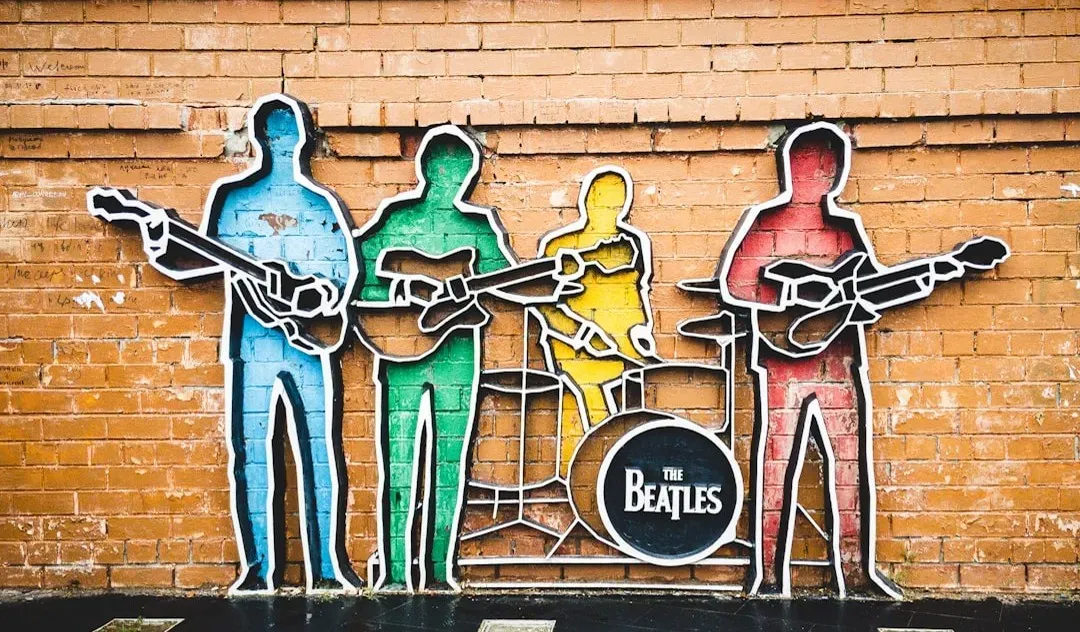
Before it became one of the most covered songs in recorded music, Paul McCartney’s melody carried a very different set of words. The original title was actually “Scrambled Eggs,” with lyrics that went “Scrambled eggs, Oh you’ve got such lovely legs, Scrambled eggs.” McCartney used the food-themed phrase purely as a placeholder to help him remember the timing while he searched for real lyrics.
The transformation into “Yesterday” took a surprisingly long time. It took almost two full years for “Yesterday” to be recorded after the original “Scrambled Eggs” version, and Beatles producer George Martin recalled McCartney worrying the eventual title might sound “too corny.” Martin talked him out of that fear, and the rest became music history.
2. Bohemian Rhapsody Started Out as The Cowboy Song
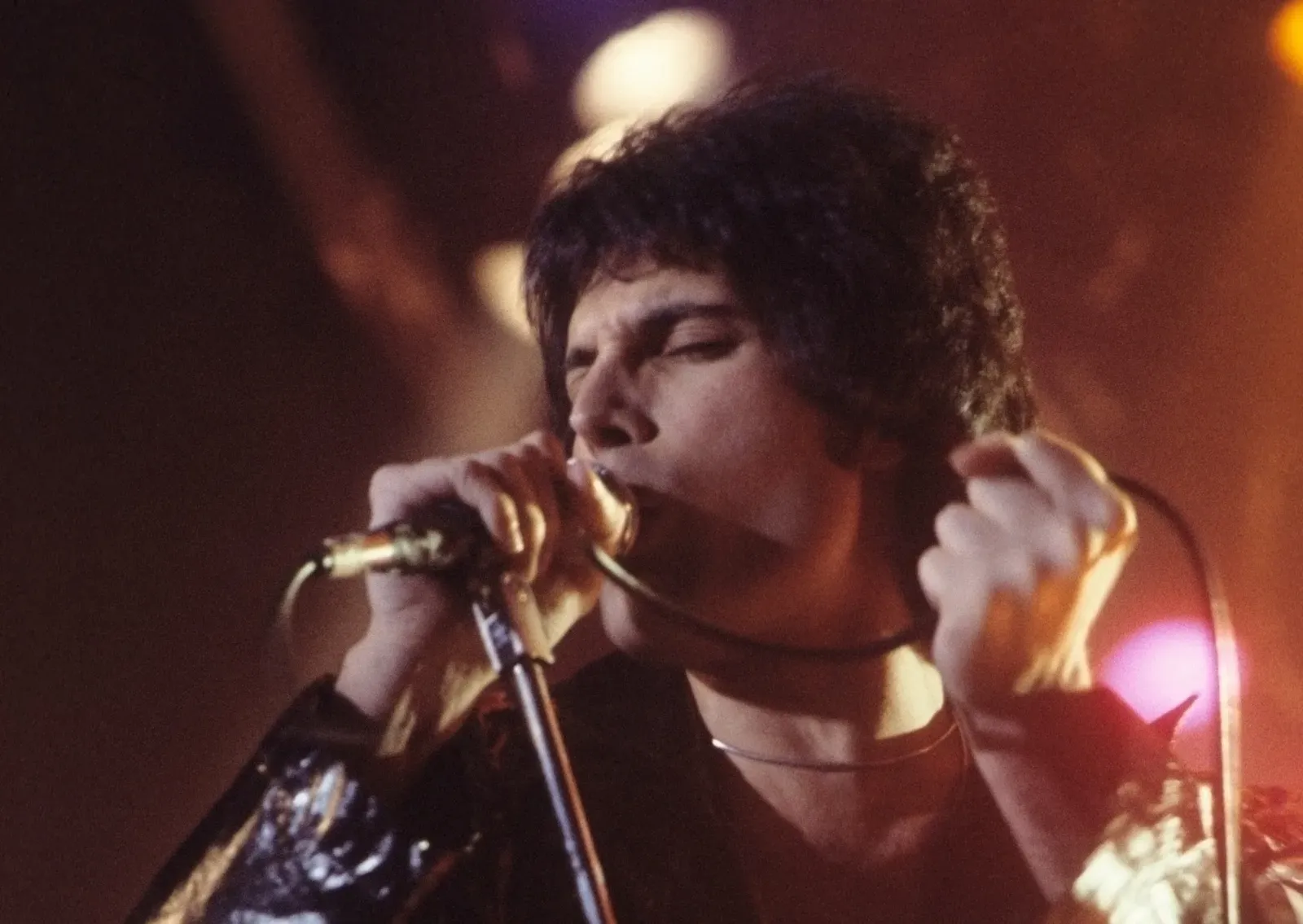
Queen’s sprawling rock opera had humble, almost comical beginnings. This entry was almost named “The Cowboy Song,” the title Freddie Mercury gave the bits and pieces he had written starting in the late 1960s that would eventually make it into the final cut. It is hard to imagine such an operatic, genre-bending track wearing a name that sounds like it belongs on a dusty saloon jukebox.
Mercury kept refining fragments of the piece for years before it took its final shape. The working title eventually gave way to something far more theatrical, matching the song’s operatic structure and dramatic shifts in tone. Considering how seriously the band treated the recording process, it is fitting that the title eventually matched the ambition of the music itself.
3. Thriller Was Once Called Starlight, Then Midnight Man

Michael Jackson’s most famous single went through more than one identity crisis before landing its name. Songwriter Rod Temperton initially wrote a different chorus built around the word “Starlight,” but producer Quincy Jones sent him back to try again, and his second attempt, “Midnight Man,” did not stick either. Only on the third try did Temperton land on the word that would define an entire era of pop music.
Eventually, Temperton found “Thriller” and the rest is MTV history. The title ended up doing double duty, naming both the song and the album, and later inspiring the record-breaking short film that helped define the music video format.
4. Takin’ Care of Business Began Life as White Collar Worker

Bachman-Turner Overdrive’s blue-collar anthem almost carried a title that leaned in the opposite direction. The original title for this track was “White Collar Worker,” and the final name was not found until singer Randy Bachman heard someone say the titular phrase on the radio. It is a small twist of fate that gave the song its far catchier, working-class identity.
Bachman has told the story of hearing the phrase come through his car radio while driving to a gig, and immediately recognizing it fit the song better than his original idea. The switch turned a fairly dry, office-themed title into a phrase that would become shorthand for getting things done, still recognizable in pop culture decades later.
5. Livin’ on a Prayer Was First Cruisin’ for a Lady
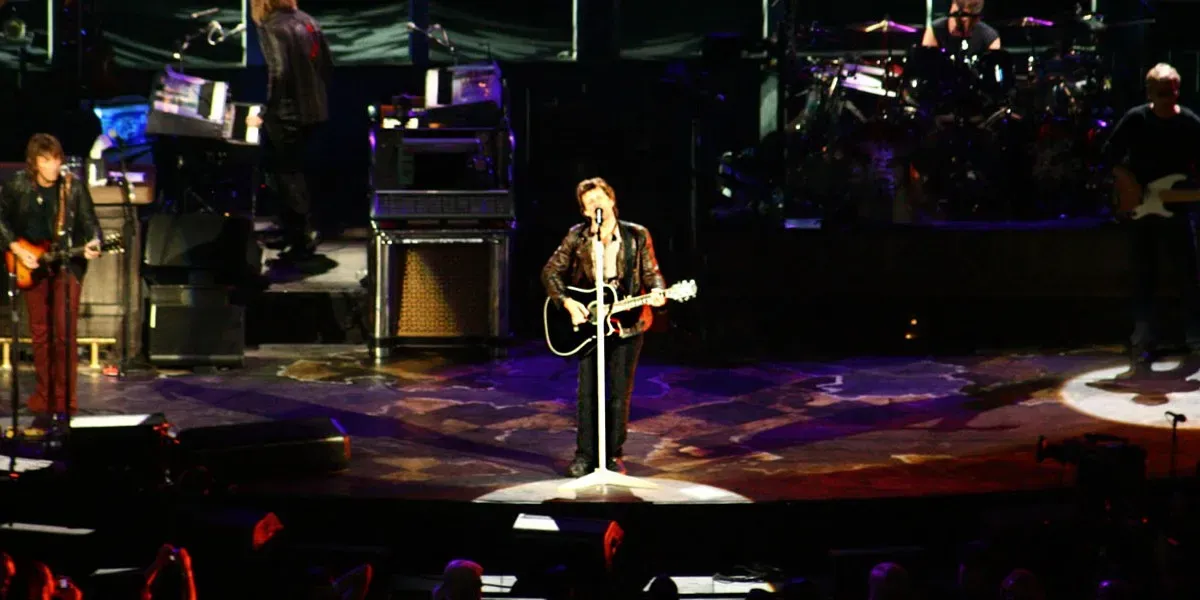
Bon Jovi’s signature power ballad almost went out under a much less memorable name. The original title was “Cruisin’ For a Lady,” which songwriter Desmond Child found to be cowardly, reportedly saying he did not think Van Halen would put that on the B-side of their worst record. That blunt reaction pushed the collaborators to dig deeper into the song’s story.
Partner offer
Despite the song’s themes, the band initially tried to water down the lyrics, but they eventually worked through the idea and landed on the career-defining hit fans know today. The final title captured the resilience of the song’s characters, Tommy and Gina, far better than the original ever could.
6. Mrs. Robinson Was Written for a Very Different Woman

Simon & Garfunkel’s classic from The Graduate almost paid tribute to a completely different historical figure. The song was not originally about the most famous adulterous character in the film. It was called “Mrs. Roosevelt,” referencing Eleanor Roosevelt rather than the movie’s leading lady. Paul Simon had already written the piece in her honor before the film’s needs reshaped it.
Simon & Garfunkel were tapped to provide a song for the 1965 film but struggled to create something that satisfied the director, and Simon eventually reworked the Eleanor Roosevelt tribute into what became the movie’s theme. The swap gave the song a sly, satirical edge that fit the film’s tone about suburban disillusionment far better than a straightforward historical tribute would have.
7. Crazy Was Originally Titled Stupid

Willie Nelson’s songwriting talent produced one of country music’s most enduring heartbreak songs, but its first title carried a much harsher edge. Patsy Cline made Willie Nelson’s heartbreaking country song a hit, though he originally titled it “Stupid” before selling it to Cline, and the title was deemed too harsh for the final cut. The blunt self-criticism in the original name gave way to something gentler and more universal.
“Crazy” went on to become one of the most performed jukebox songs in American history, largely thanks to Cline’s aching vocal delivery. It is easy to see why a softer title suited that performance better than the original’s harsher self-judgment ever could.
8. War Pigs Almost Carried the Name Walpurgis
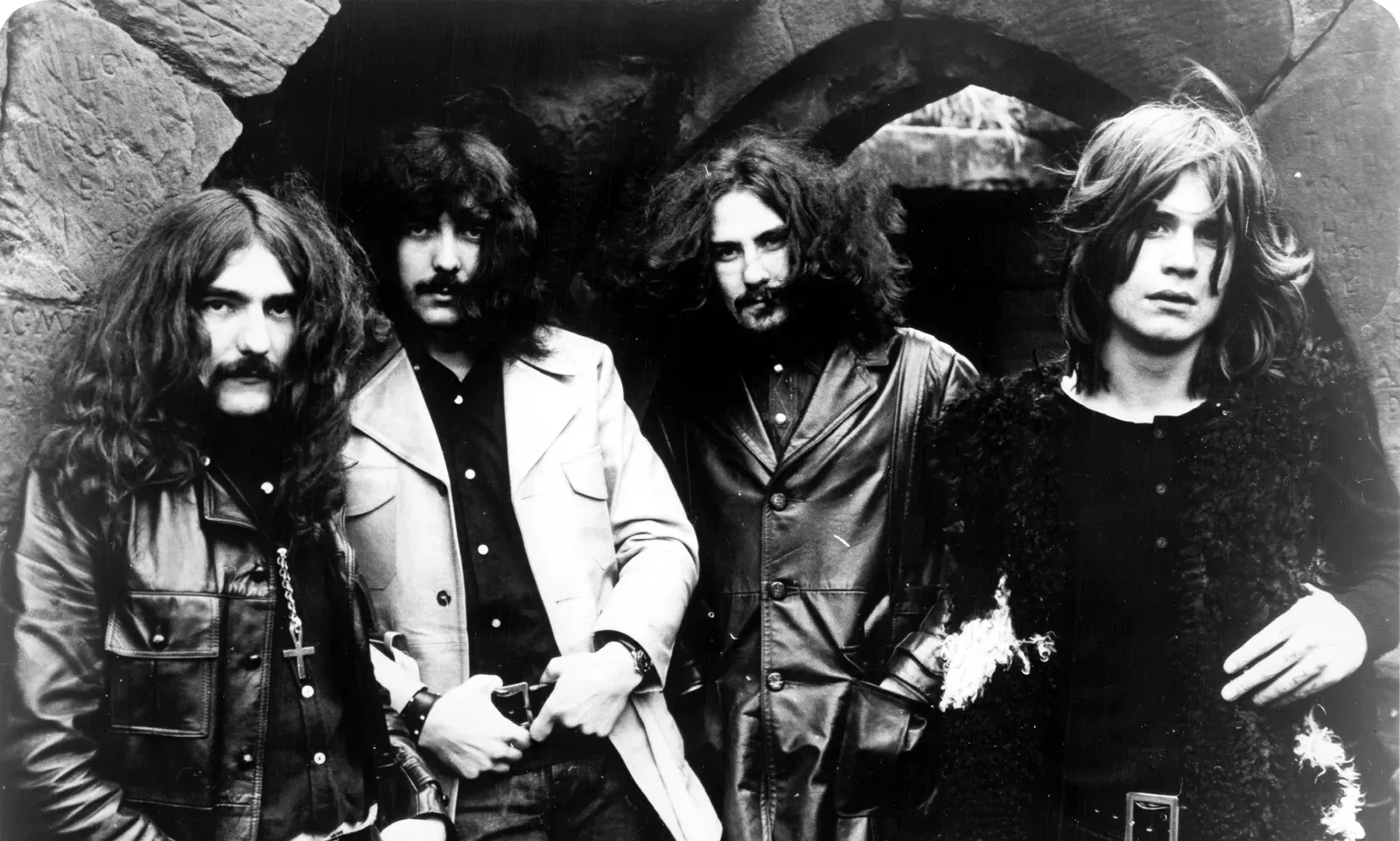
Black Sabbath’s anti-war anthem had roots in something far more occult sounding. Sabbath’s signature song was initially called “Walpurgis,” which bassist Geezer Butler described as a sort of Christmas for Satanists, due to lyrics about generals gathering like witches at black masses. Record executives worried the original name leaned too heavily into satanic imagery for mainstream radio.
The band ultimately shifted the title toward its now-famous critique of political and military leadership, keeping much of the original lyrical imagery intact while reframing the song’s target. The change turned a horror-tinged title into one of heavy metal’s most pointed political statements, a reputation the song still holds among fans of the genre.
9. The Lion Sleeps Tonight Began as a South African Song Called Mbube

This doo-wop favorite has roots that stretch back decades and continents before The Tokens ever recorded it. The song was first released in the 1930s as “Mbube,” and when The Tokens covered it, the title was loosely translated based on a vague understanding of the word, which means “lion.” The original recording, written by South African musician Solomon Linda, had a completely different melody and lyrical structure rooted in Zulu tradition.
By the time the song crossed into American pop culture, it had passed through several other adaptations and titles before settling into its most familiar English-language form. The journey from a regional South African recording to a doo-wop radio staple, and later a Disney soundtrack fixture, remains one of the more remarkable title transformations in modern music.
Song titles rarely arrive fully formed. Most of these examples show a slow process of trial and error, shaped by producers, record labels, bandmates, and sometimes pure chance, like a radio DJ saying the right words at the right moment. What is striking is how differently each of these songs might have been remembered under their original names. A title as simple as “Scrambled Eggs” or as ominous as “Walpurgis” carries a completely different emotional weight than the one history ultimately chose. In the end, these small changes did more than rename a song. They shaped how millions of listeners would understand and remember it for generations.Partner offer
Planning a trip to Vegas?
Compare hotel rates and show tickets on VEGAS.com.