Casting decisions for iconic villains often look inevitable once a film is out in the world. It’s hard to picture anyone but the actor we know saying those famous lines or wearing that famous face. Yet behind almost every one of these performances sits a messier story full of scheduling conflicts, cold feet, and studio politics that nearly sent the role somewhere else entirely.
Some of these near misses were leaked decades later in interviews, others came from producers finally telling the truth once egos had cooled. Either way, looking back at these seven villains and the actors who almost played them gives a strange kind of alternate history to some of cinema’s most memorable characters.
1. The Joker in Batman (1989)
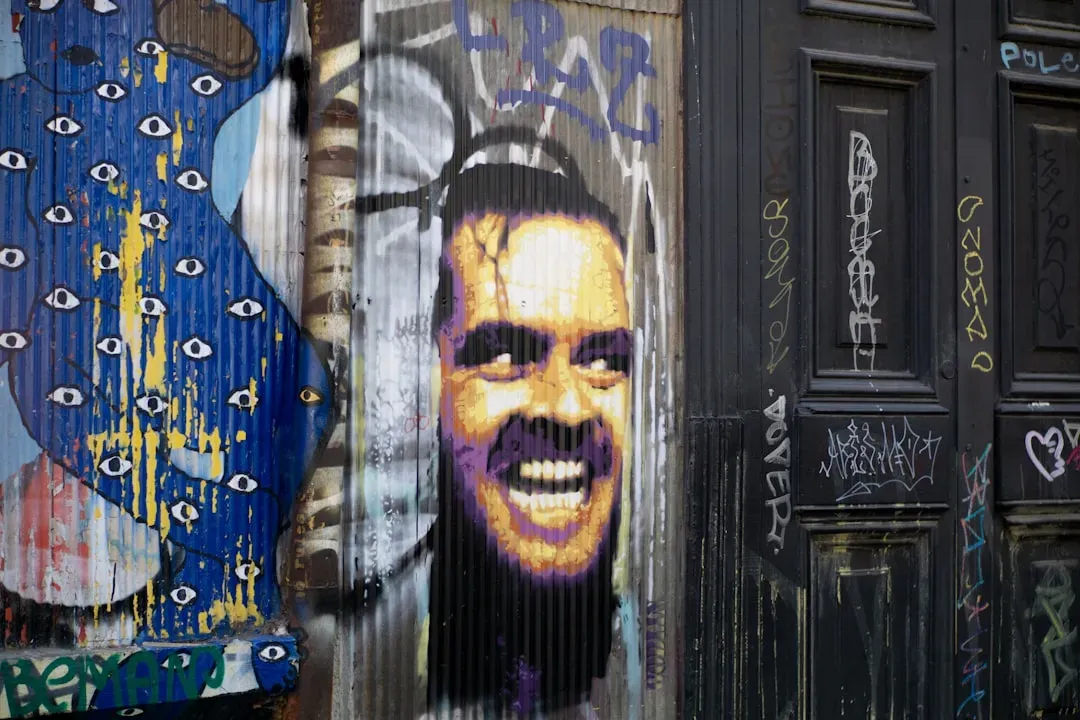
Before Jack Nicholson signed on to play the Joker in Tim Burton’s Batman, Warner Bros. approached Robin Williams, fresh off his Oscar nomination for Good Morning, Vietnam. Robin Williams was offered the role of Joker when Jack Nicholson hesitated, and he had even accepted the role before producers approached Nicholson again and told him Williams would take the part if he did not. It turned out the offer to Williams was never fully sincere.
It turned out he was being used as leverage to pressure Jack Nicholson into signing on, and when Nicholson finally agreed, Williams was unceremoniously dropped from consideration. Williams was reportedly so stung by the experience that he refused to work with the studio again until receiving an apology, and years later he was passed over a second time when the Riddler role in Batman Forever went to Jim Carrey instead.
2. Hannibal Lecter in The Silence of the Lambs
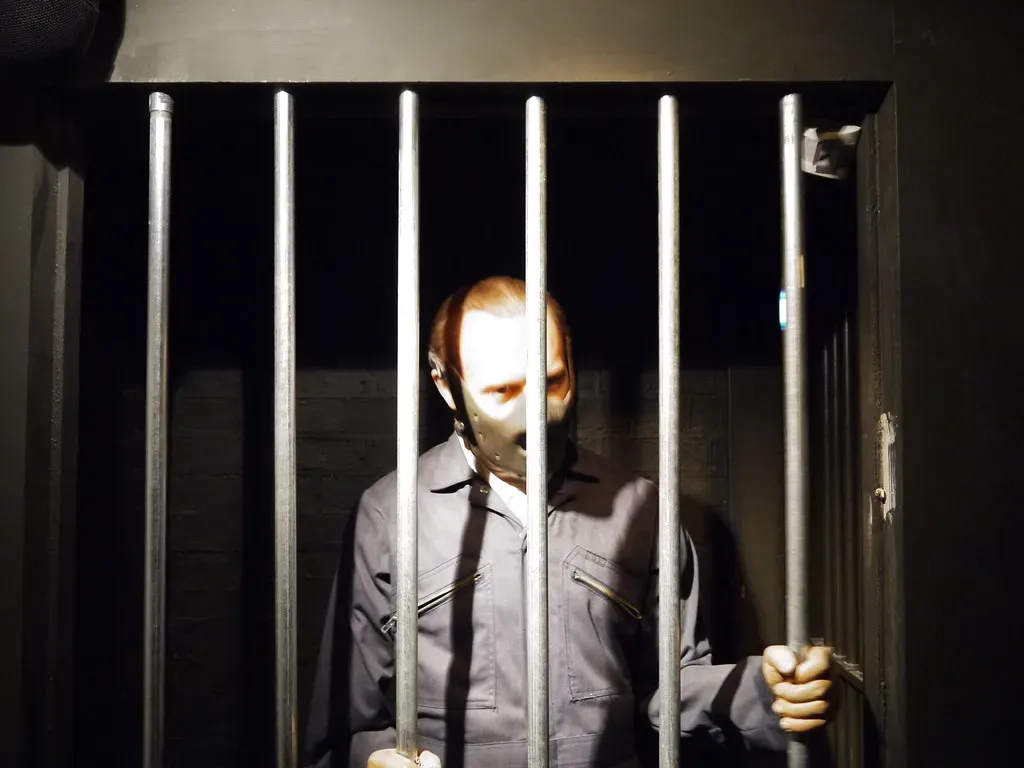
Long before Anthony Hopkins turned Hannibal Lecter into one of cinema’s most chilling characters, the role very nearly belonged to Gene Hackman. Hackman didn’t just want to direct the film but also wanted to play the lead role of Hannibal Lecter himself. He had even purchased the rights to Thomas Harris’s novel with the intention of shaping the project entirely on his own terms.
The plan fell apart for an unusually personal reason. Gene Hackman’s daughter read the book and called her father to tell him he was not making this movie. Hackman dropped out, the rights eventually landed with Orion Pictures, and Jonathan Demme stepped in to direct, ultimately casting Hopkins in the role that would win him an Academy Award.
3. The Terminator in The Terminator
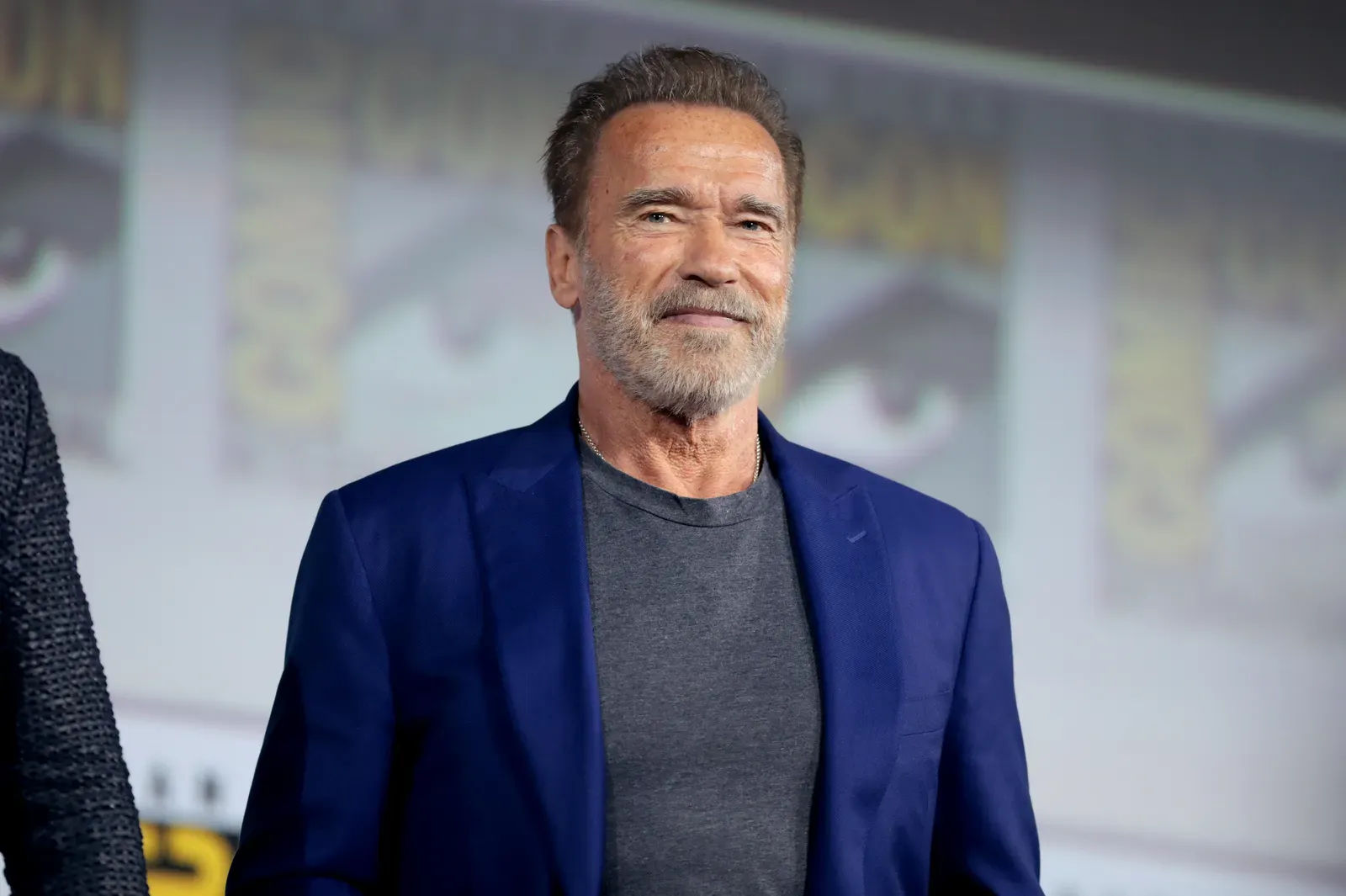
Few casting rumors have been as persistent, or as thoroughly denied, as the idea that O.J. Simpson was originally set to play the Terminator. According to James Cameron, a studio executive called him up during early development and pitched O.J. Simpson for the Terminator, to which Cameron immediately replied that he actually thought that was a bad idea. The suggestion never went beyond that phone call.
Cameron has explained his reasoning in blunt terms over the years. He felt Simpson wasn’t believable as a killer at the time, since everybody loved him and he came across as a likable, goofy, kind of innocent guy. Arnold Schwarzenegger has told a more dramatic version of the story for years, but Cameron insists Simpson was never seriously in the running, and the role of the emotionless killing machine went to Schwarzenegger instead.
4. Scar in The Lion King
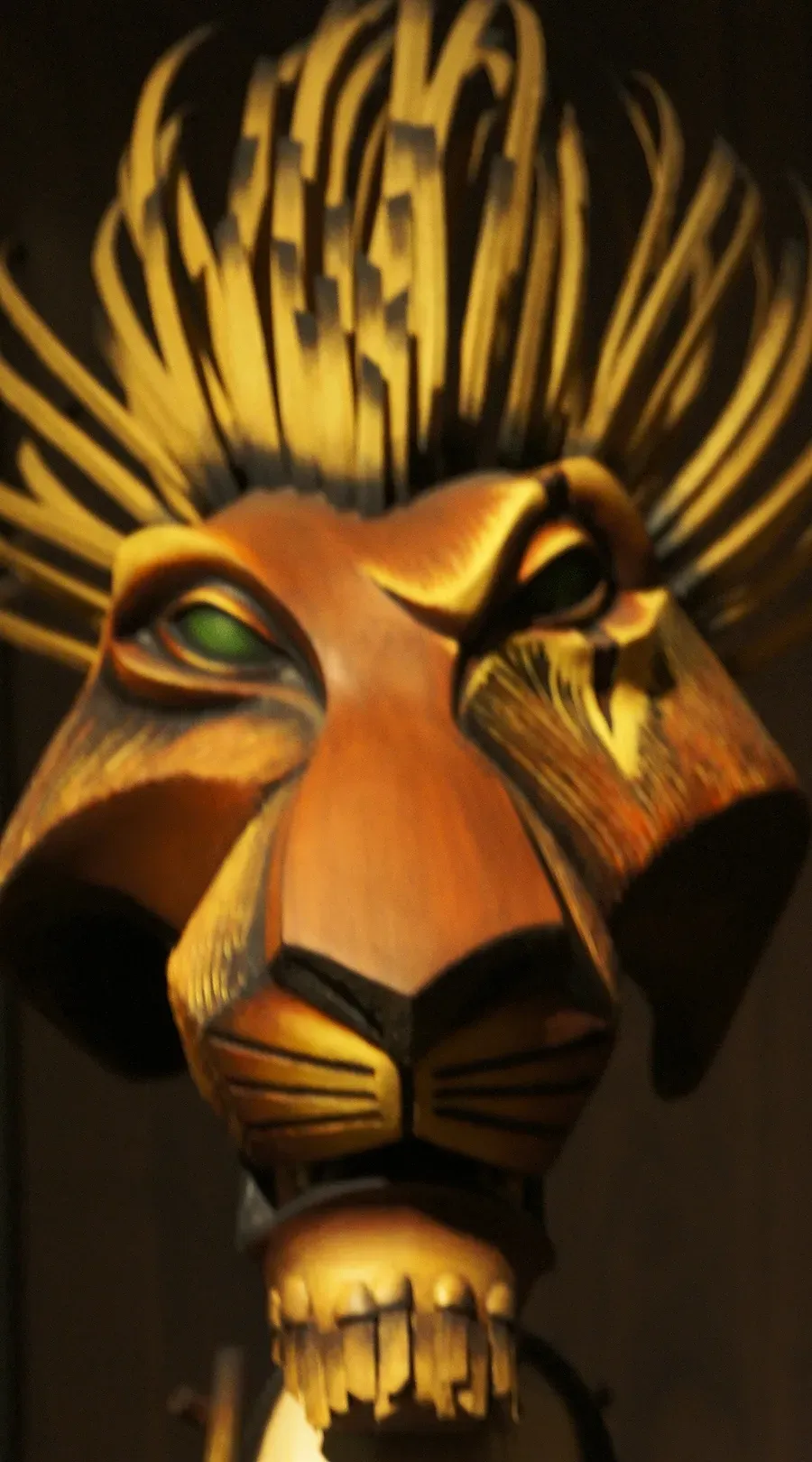
Disney’s animators had more than one actor in mind before Jeremy Irons brought his cold, theatrical menace to Scar. Tim Curry auditioned for the role and later said landing it “would have been nice,” though the part ultimately went to Jeremy Irons. Curry wasn’t the only name on the list either.
Partner offer
Irons was chosen over Tim Curry, James Caan, Robert Duvall, Ray Liotta, and Malcolm McDowell for the role of Scar. The filmmakers reportedly wanted Scar to feel like a Shakespearean villain, and Irons’s classical stage training and recent Oscar win for Reversal of Fortune ended up tipping the decision in his favor.
5. Thanos across the Marvel Cinematic Universe
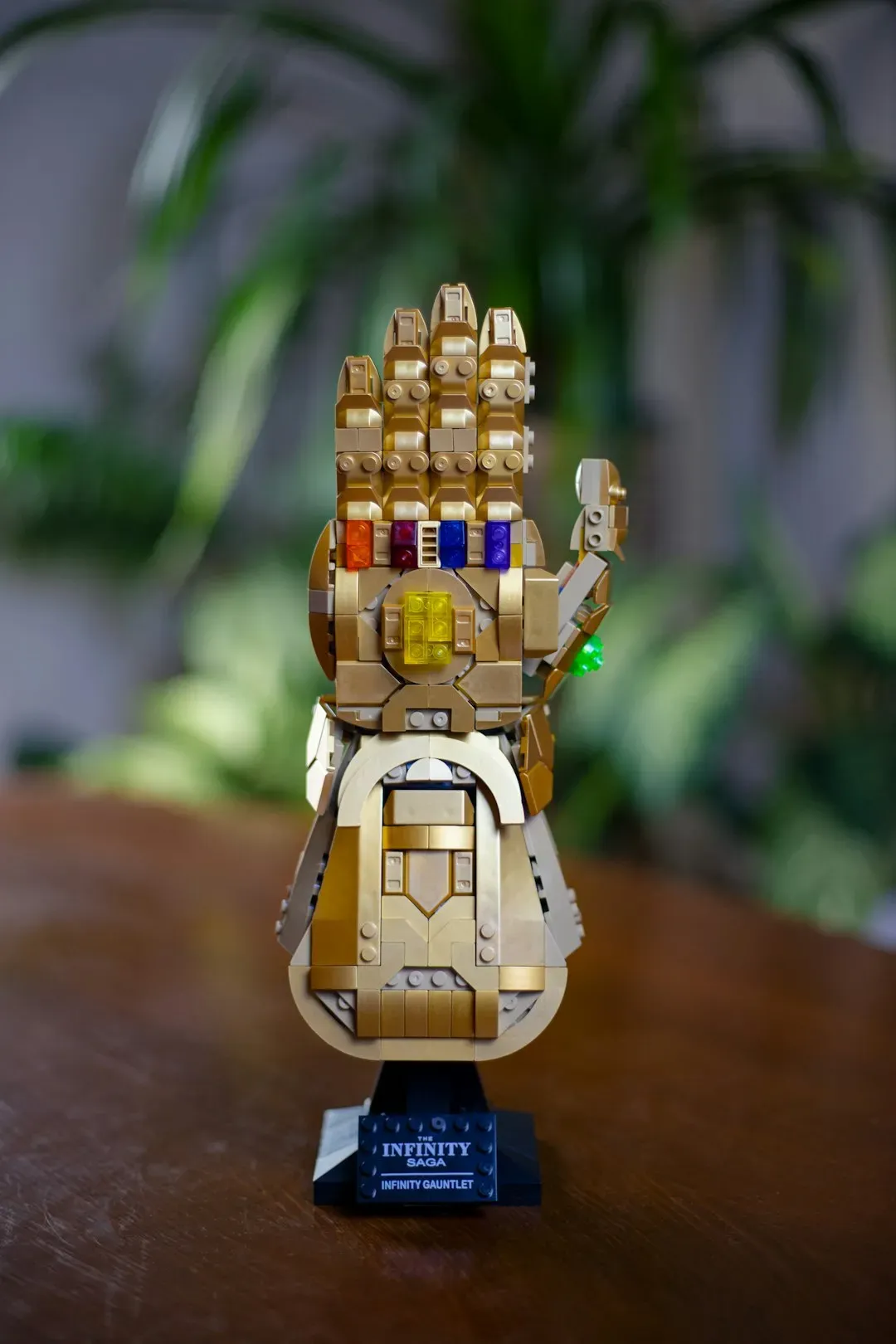
Thanos made his first on screen appearance in the mid-credits scene of The Avengers in 2012, long before Josh Brolin ever put on the purple makeup. That brief cameo was performed by actor Damion Poitier, who appeared only in silhouette as the Mad Titan turned to face the camera for the first time. It was a quiet, almost throwaway moment that most audiences barely registered as significant casting at the time.
When Marvel Studios decided to build Thanos into a fully realized character for Guardians of the Galaxy and eventually Avengers: Infinity War, the role was recast entirely, with Josh Brolin taking over through a combination of live performance and heavy visual effects work. The switch wasn’t controversial in the way some recastings can be, since Poitier’s appearance had been so brief, but it remains one of the more overlooked “different actor” stories in modern blockbuster filmmaking.
6. Lord Voldemort in the Harry Potter series
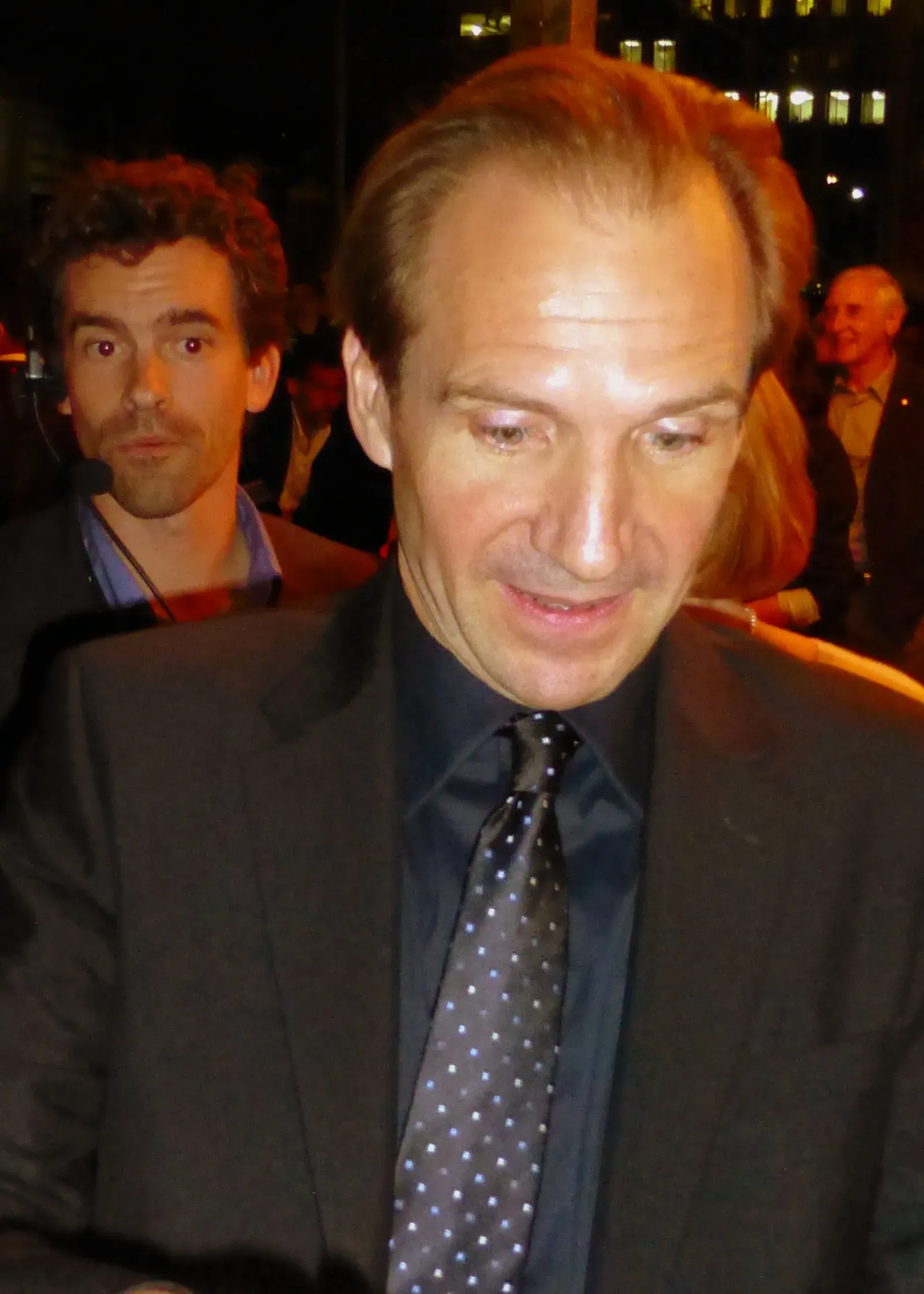
Ralph Fiennes became so associated with Lord Voldemort that it’s easy to forget another respected British actor was in serious contention first. Tim Roth was reportedly approached for the role before Fiennes was cast, having built a reputation for playing unsettling, morally complicated characters in films throughout the 1990s. Scheduling conflicts, including his commitment to Tim Burton’s Planet of the Apes remake, are widely reported as the reason he was unable to take the part.
Fiennes stepped in and delivered a performance built almost entirely around stillness and quiet menace, helped by prosthetic work that removed his nose entirely for the character’s snake-like appearance. It’s difficult now to picture the franchise’s central villain as anyone else, which says something about how thoroughly Fiennes made the role his own once he got the chance.
7. Loki in the Marvel Cinematic Universe
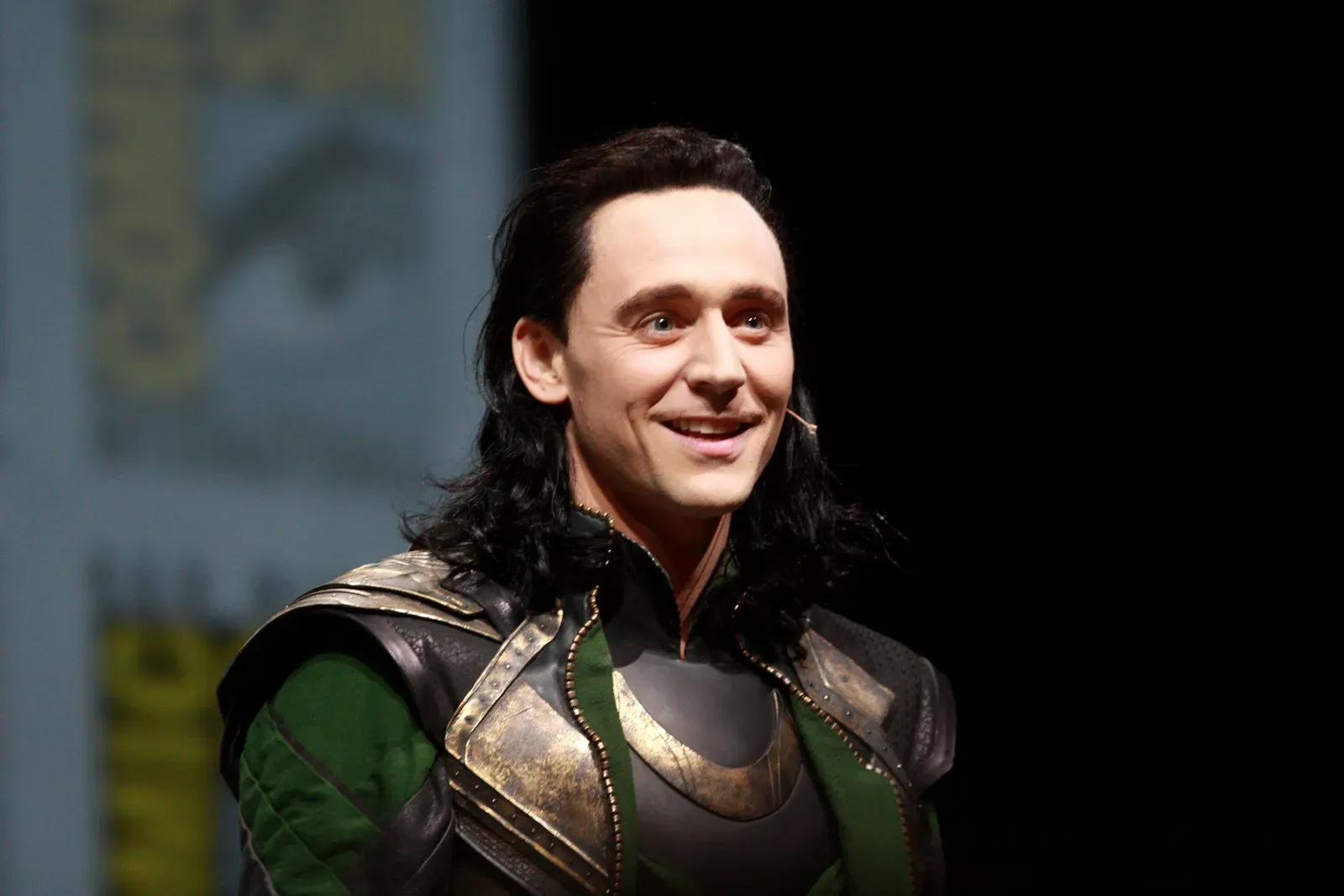
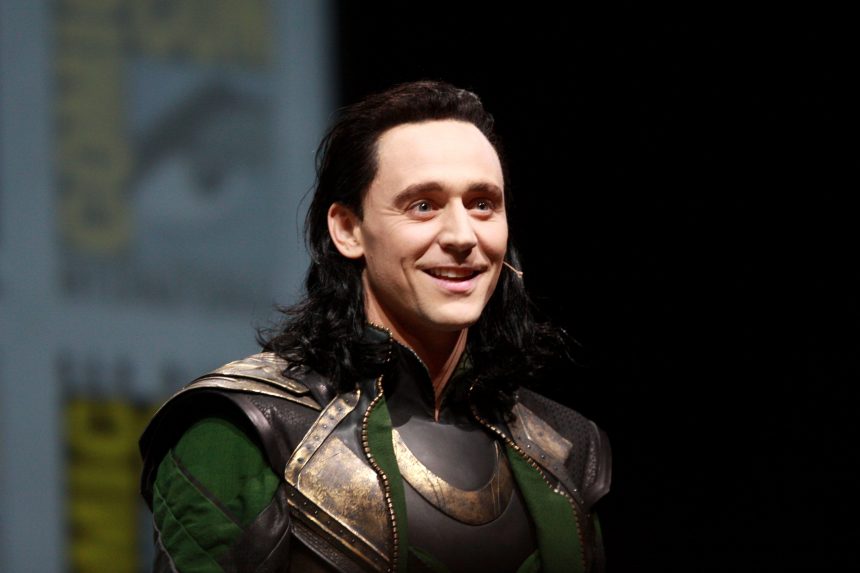
Tom Hiddleston’s take on Loki has become one of the most enduring characters in the entire Marvel Cinematic Universe, but he wasn’t originally in the room to play the villain at all. Hiddleston auditioned for the title role of Thor itself, reading for director Kenneth Branagh alongside other actors being considered for the hero. Branagh reportedly saw something sharper and more interesting in Hiddleston’s screen presence that fit the trickster god better than the golden-haired protagonist.
Chris Hemsworth ultimately landed the role of Thor, while Hiddleston was redirected toward Loki, a decision that ended up shaping over a decade of Marvel storytelling. Loki went on to headline his own Disney+ series years later, an outcome that would have seemed unlikely had the original audition gone the other way.
Casting stories like these are a reminder that even the most iconic screen villains were never guaranteed to turn out the way audiences remember them. A dropped phone call, a scheduling clash, or a director’s gut instinct in an audition room was often all it took to send these roles in an entirely different direction. What ended up on screen feels inevitable only in hindsight, shaped as much by chance and negotiation as by any single filmmaker’s original plan.
Partner offer
Planning a trip to Vegas?
Compare hotel rates and show tickets on VEGAS.com.