Some films arrive right on time. Others need years, sometimes decades, before the right audience catches up with them. The history of cinema is full of titles that limped out of theaters, wrote off their budgets, and quietly disappeared from marquees, only to resurface later as beloved classics thanks to video rentals, cable reruns, or a generation of viewers discovering them fresh on streaming. What follows is a look at eight movies that struggled commercially on release but eventually built the kind of devoted following their original studios never saw coming.
Blade Runner (1982)

Ridley Scott’s dystopian detective story arrived the same summer as E.T. the Extra-Terrestrial, and audiences chose the friendly alien over the moody, philosophical noir about android hunters. Now considered a seminal achievement in cyberpunk sci-fi cinema, Ridley Scott’s Blade Runner stumbled out of the blocks in 1982, and made for 30 million dollars, the film barely broke even at the domestic box office before grossing 39.5 million dollars worldwide. Critics at the time were unimpressed, and the pacing struck many viewers as slow for what looked like an action picture.
The turning point came gradually, through repeated television airings, home video, and eventually a series of re-edited versions that stripped away the studio-mandated happy ending. In the decades following its theatrical release, the movie surpassed cult classic status to be recognized as one of the most landmark, visionary science fiction films ever made, and since 1993, it has been preserved in the National Film Registry by the Library of Congress for its cultural relevance. Today it’s routinely cited as one of the most influential science fiction films ever made, shaping the visual language of the genre for generations of filmmakers.
The Shawshank Redemption (1994)
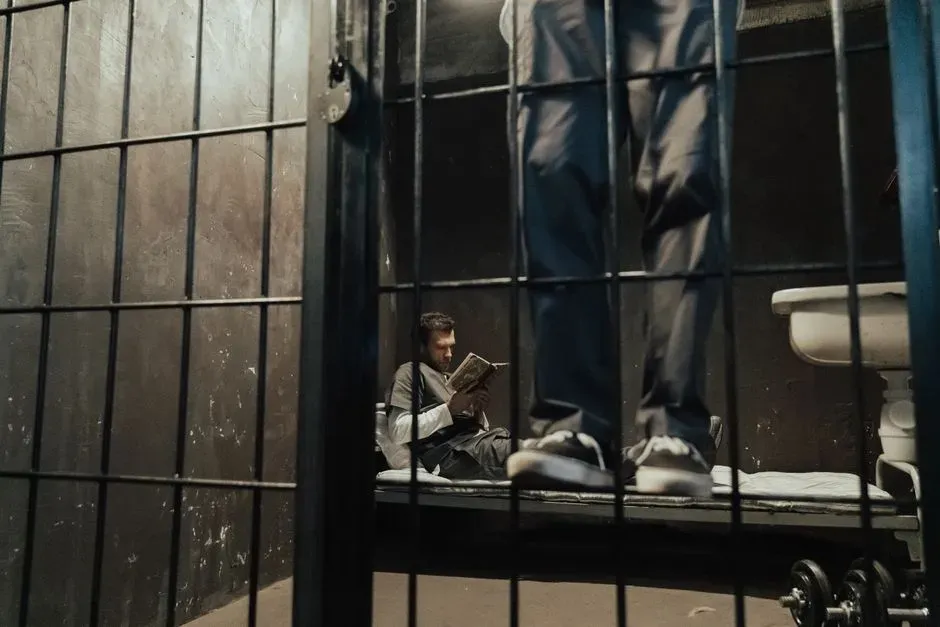
It’s almost hard to believe now, but this prison drama barely made a dent when it opened. Audiences did not turn out for the film, and its initial box office run earned the film only 16 million dollars against a 25 million dollar budget. Part of the problem was timing. The film opened the same year as Pulp Fiction and Forrest Gump, two movies that dominated conversation and awards buzz that season.
Everything changed after the film picked up seven Academy Award nominations, which sparked renewed curiosity and a theatrical re-release. This inspired a re-release of the film, and eventually, when the movie found its way onto VHS, it became the top video rental of 1995. Constant cable reruns on TNT throughout the late nineties cemented its place in households everywhere, and it now sits at the very top of IMDb’s user rating list, ahead of films like The Godfather.
The Big Lebowski (1998)
Coming off the Oscar success of Fargo, the Coen brothers’ follow up seemed like a guaranteed hit. Instead, it landed with a shrug. Reviews were mixed and it performed poorly in the States, taking just 17 million dollars against a budget of 15 million dollars before creeping to 46 million dollars internationally. Much of the blame fell on bad timing, since it opened while Titanic was still dominating multiplexes and the Academy Awards conversation.
What followed was one of the slowest, strangest rises in modern film history. It developed a cult following that included passionate fans who called themselves achievers, and that following grew as more and more people began to rediscover The Dude’s journey, even giving birth to a religion called Dudeism. Annual Lebowski Fest gatherings, endless quotable lines, and its bizarre, shaggy plot have turned it into one of the most quoted comedies of its era.
Fight Club (1999)
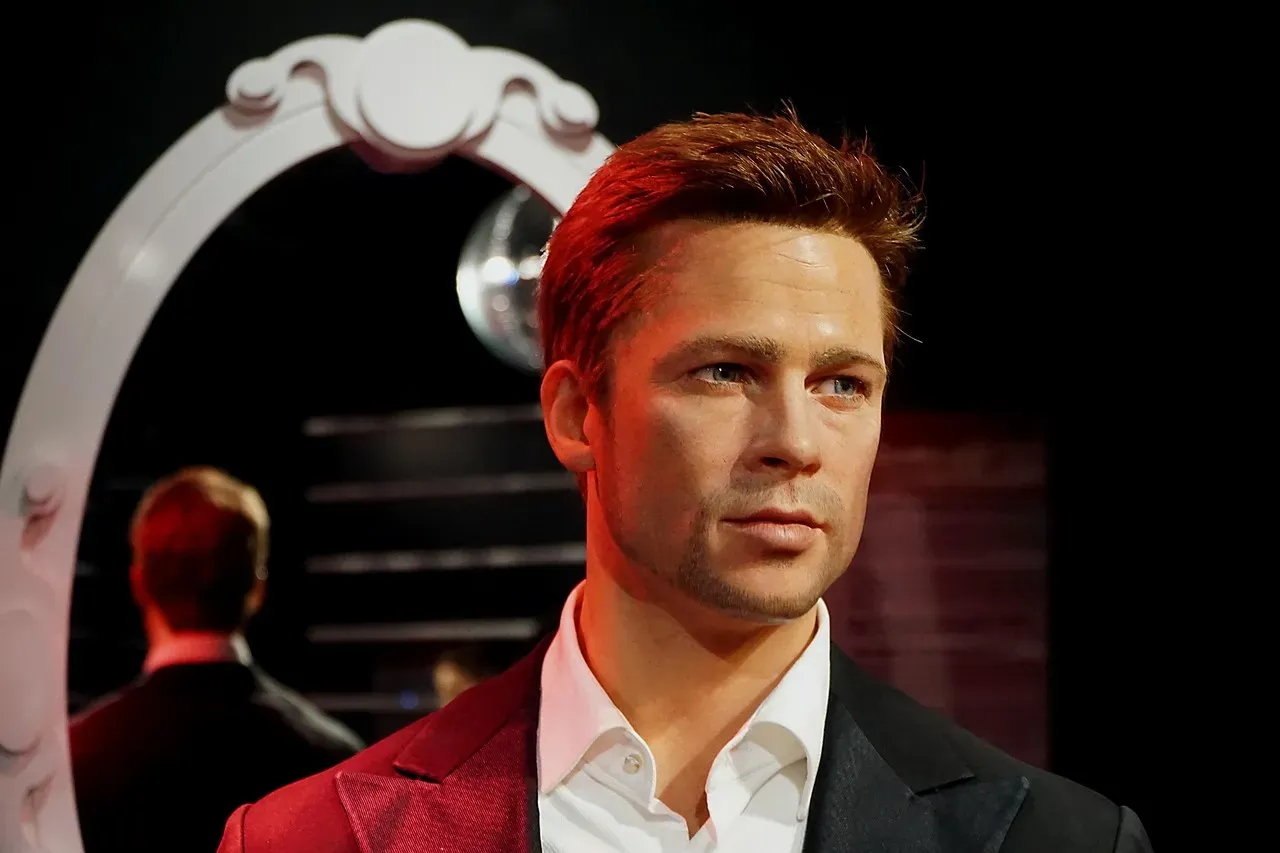
David Fincher’s satire about masculinity, consumerism, and underground brawling confused a lot of people who expected a straightforward action movie. Produced on a reported 63 million dollar budget, Fight Club earned roughly 37 million dollars domestically and just over 100 million dollars worldwide during its theatrical run. The marketing leaned heavily on Brad Pitt’s physical presence, which set expectations the film never intended to meet.
Home video changed the conversation entirely. The film found new life on DVD, and the turning point came when CBS acquired the TV rights and began airing it every holiday season. Its themes about disillusioned masculinity and consumer culture only grew more relevant with time, turning it into one of the most quoted and analyzed films of its generation.
Partner offer
The Iron Giant (1999)

Brad Bird’s animated feature about a boy and a giant robot from outer space is now considered one of the finest animated films ever made, yet it barely registered at the box office when it opened. Brad Bird’s animated gem bombed spectacularly, earning a measly 23 million dollars against its hefty 75 million dollar budget, largely because Warner Bros. completely dropped the ball on marketing, basically rushing the film into theaters with barely any promotion. It also had the misfortune of opening in a crowded animation season alongside bigger, flashier releases.
Word of mouth, cable television airings, and later streaming platforms did what the original marketing campaign couldn’t. Released in 1999, The Iron Giant had the heart but not the push, and after a quiet box office run competing against Tarzan and Toy Story 2, it gained traction through home video and TV airings. Today, animators and critics alike regularly rank it among the best animated features of its decade, and its message about choice over destiny still resonates with new viewers.
Donnie Darko (2001)

Richard Kelly’s strange, time bending drama about a troubled teenager and a menacing rabbit named Frank had almost impossibly bad timing. Richard Kelly’s mind-bending drama had the worst timing ever, released right after 9/11, with its airplane disaster subplot making it practically radioactive to American audiences. Its tangled narrative about parallel universes and fate didn’t help matters either, leaving many first time viewers baffled rather than intrigued.
The film found its footing overseas before catching on at home. Donnie Darko found a foothold in the UK market first, which helped spark its eventual cult status. DVD sales, late night screenings, and Jake Gyllenhaal’s breakout performance eventually turned it into a defining film for a generation of viewers who embraced its mix of teen angst and existential dread.
Scott Pilgrim vs. the World (2010)

Edgar Wright’s hyperactive, video game inspired comic book adaptation had energy to spare but couldn’t translate that into ticket sales. Based on Bryan Lee O’Malley’s graphic novel series, Scott Pilgrim Vs. the World only grossed 49.3 million dollars against its 85 million dollar budget overall but has since accumulated a cult following. It opened against stiff competition from bigger action and drama titles the same weekend, which didn’t leave much room to build momentum.
Wright himself has been candid about how misleading opening weekend numbers can be for judging a film’s long term impact. He has said that the three day weekend is not the end of the story for any movie, and that rating films by their box office is like the football fan equivalent to films, since most of his favorite films considered classics today were not considered hits in their time. A tenth anniversary re-release and a Netflix anime spin-off years later confirmed just how much the fan base had grown since 2010.
Office Space (1999)

Mike Judge’s deadpan comedy about cubicle life and corporate absurdity opened to modest returns, another casualty of a crowded 1999 release calendar. Office Space only made 800,000 dollars more than it cost to produce, which barely registered as a theatrical success. Critics found it amusing but unremarkable at the time, and it came and went from theaters without much fanfare.
Cable television changed its fortunes almost entirely. Frequent airings on Comedy Central throughout the 2000s introduced the film to office workers who instantly recognized its portrayal of soul crushing meetings, malfunctioning printers, and passive aggressive memos about TPS reports. That recognition turned lines and scenarios from the film into shorthand for workplace frustration still used decades later, giving it a lasting relevance the original box office numbers never suggested.
What ties these eight films together is not genre or budget, but timing. Each one asked something of its audience that mainstream moviegoers weren’t ready to give in the moment, whether that was patience with an unconventional structure, tolerance for dark satire, or simply a willingness to sit with discomfort rather than easy resolution. Home video, cable reruns, and later streaming gave these films the second chance that a single opening weekend never could. It’s worth remembering the next time a strange, divisive film underperforms at the box office. Commercial failure and lasting quality are not the same thing, and sometimes it just takes the right audience a little longer to show up.Partner offer
Planning a trip to Vegas?
Compare hotel rates and show tickets on VEGAS.com.