Every classic film feels inevitable once it’s finished. The lead actor seems destined for the part, the chemistry seems impossible to replicate, and it’s hard to picture anyone else in the role. Yet behind almost every iconic performance sits a stack of memos, screen tests, and last minute phone calls that could have gone the other way. Some of the most beloved characters in movie history were one signature away from belonging to a completely different actor.
Harrison Ford almost never became Indiana Jones

Before Harrison Ford ever picked up a whip, the role of Indiana Jones actually belonged to Tom Selleck. Harrison Ford revealed to Deadline in June 2023 that Selleck was, in fact, the first choice for the role but turned it down due to his commitment to CBS’ Magnum P.I., which aired for eight seasons from 1980 to 1988, around the same time the first three Indiana Jones films were shot. The production team was so confident in Selleck that the film’s costume designer, Deborah Nadoolman-Landis, revealed that George Lucas was so set on Selleck that she even had a prototype costume built to fit him. Spielberg and Lucas did not give up easily either, since they held their offer out to Selleck for over a month while they waited for CBS’s decision on his television pilot.
The problem was contractual, not creative. Once CBS committed to Magnum, P.I., the network decided to go forward with the show, its highest testing pilot, and refused to delay it so Selleck could shoot Raiders first. Ford stepped into the role instead, and the franchise became one of the defining adventure series in film history. Selleck went on to build a long, successful television career of his own, so the story ended up working out for everyone involved.
Will Smith almost played Neo instead of Keanu Reeves
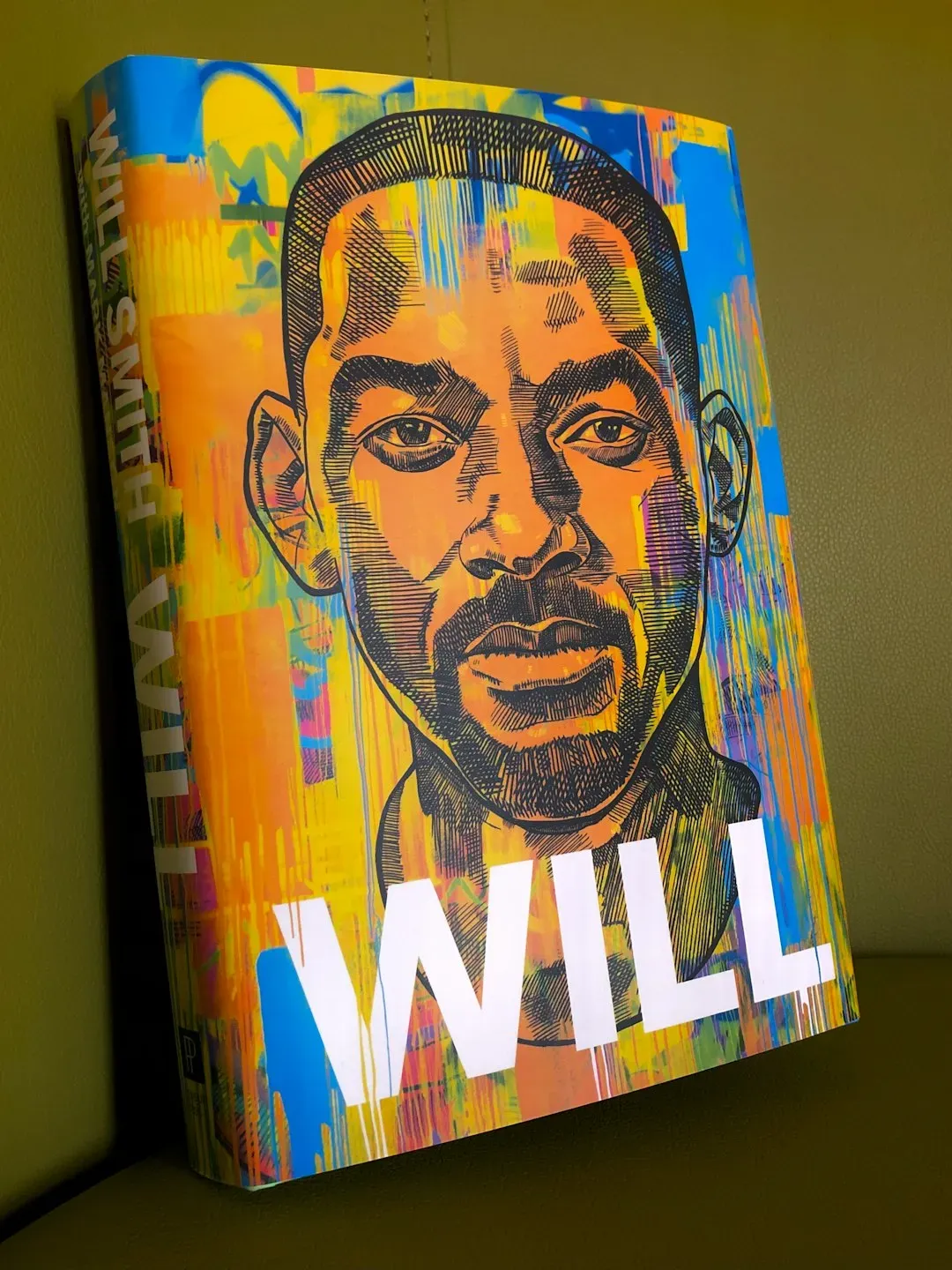
Before The Matrix redefined science fiction filmmaking, the role of Neo was actually pitched to Will Smith. Lily and Lana Wachowski, the writers and directors of the first Matrix movie, offered the role of Neo to Smith before it ever reached Keanu Reeves. Smith wasn’t convinced by the meeting, and he was unsure about the Wachowskis’ pitch for the film and ultimately decided to turn down the leading role. He chose to star in Wild Wild West instead, a decision that did not age nearly as well.
Once Smith passed, the part of Neo went to Reeves, elevating his career and setting him up for future successes like the John Wick franchise. Reeves has since said the role changed his life both personally and creatively, and it is genuinely difficult to imagine anyone else stopping bullets in slow motion. Smith himself has acknowledged over the years that Reeves fit the character in a way he likely would not have. It remains one of the most talked about near misses in modern Hollywood casting history.
Tom Hanks was not the first choice for Forrest Gump
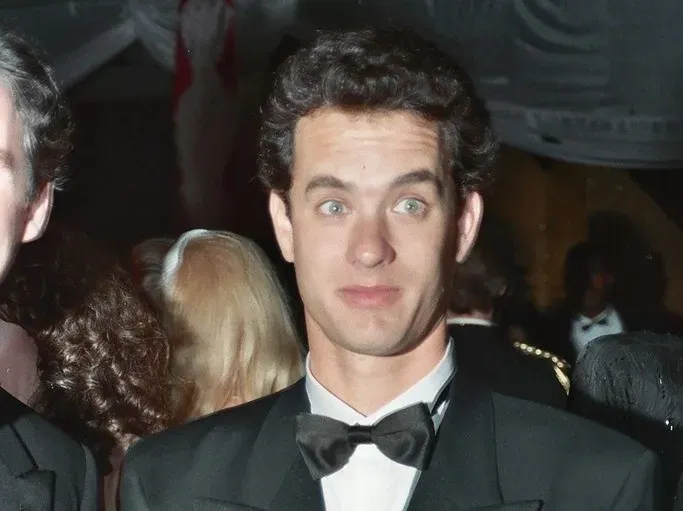
Forrest Gump earned Tom Hanks his second consecutive Best Actor Oscar, but the role almost went to someone else entirely. Hanks wasn’t the first choice to play Forrest Gump, since John Travolta was approached first but turned down the film in favor of playing Vincent Vega in Quentin Tarantino’s Pulp Fiction. Both films were released in 1994, which set up one of the more unusual head to head award season stories in recent memory.
Travolta’s decision reshaped his career path significantly. He declined the part that ultimately won Hanks an Academy Award, and he later called the decision a mistake, though his career rebounded in other ways. Pulp Fiction did revive his career and remains a cultural touchstone in its own right, so the outcome was not exactly a loss. Still, it is one of the clearest examples of two career defining films colliding over a single actor’s choice.
Sean Connery turned down Gandalf before Ian McKellen ever got the offer
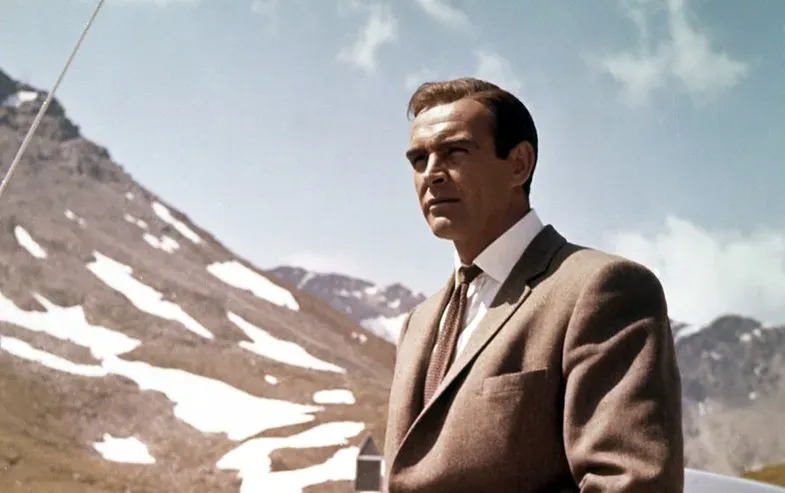
Ian McKellen’s performance as Gandalf feels so complete now that it is hard to imagine the part being offered elsewhere first. McKellen shockingly wasn’t the first choice for Gandalf, since Sean Connery almost played the famed character in Peter Jackson’s adaptation of Tolkien’s story. Producers were genuine about the offer too, confirming years later that they made a formal approach to Connery, only for him to decline. The deal on the table was reportedly substantial, including a large upfront salary along with a meaningful share of the trilogy’s box office earnings once the films became blockbusters.
Connery’s reasoning came down to something simpler than money. He later explained that he had read the book, the script, and watched the finished film, and he still did not fully understand the story. McKellen ended up embracing the role so completely that it became one of the defining performances of his career, later reprising it across the Hobbit trilogy as well. Connery, for his part, never seemed to regret the decision and spoke warmly of McKellen’s performance afterward.
Partner offer
Aragorn was recast just one day before filming began
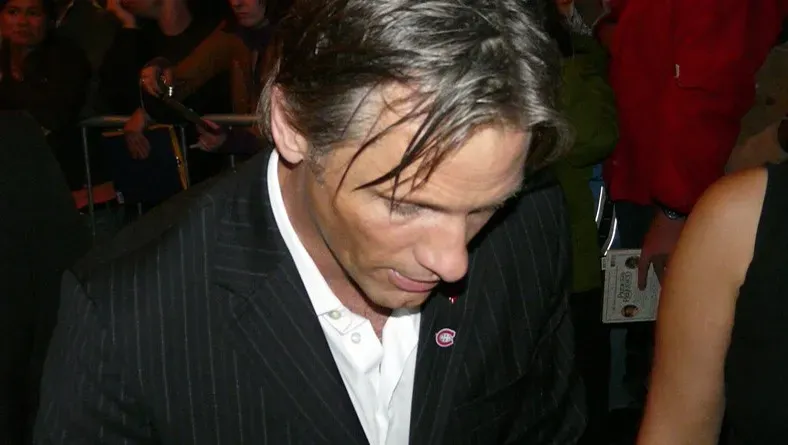
Long before Viggo Mortensen rode into Middle earth, the role of Aragorn belonged to Irish actor Stuart Townsend. He trained for months, moved to New Zealand, and prepared alongside the rest of the Fellowship cast. Then, only one day before shooting was set to begin, Townsend was notified that he would no longer be playing the role of Aragorn. Peter Jackson had come to believe the actor was simply too young for the part.
Filmmakers explained that Townsend, while a talented actor genuinely well suited to the role, was too young for it because he was close in age to the actors playing the Hobbits. Mortensen was called in on extremely short notice, and by his own account he almost turned the offer down before his young son convinced him to take the part. The gamble paid off in a way few could have predicted, since Mortensen’s grounded, weathered performance became inseparable from the character. It remains one of the most dramatic last minute casting swaps in modern blockbuster history.
Matthew McConaughey came close to playing Jack Dawson in Titanic
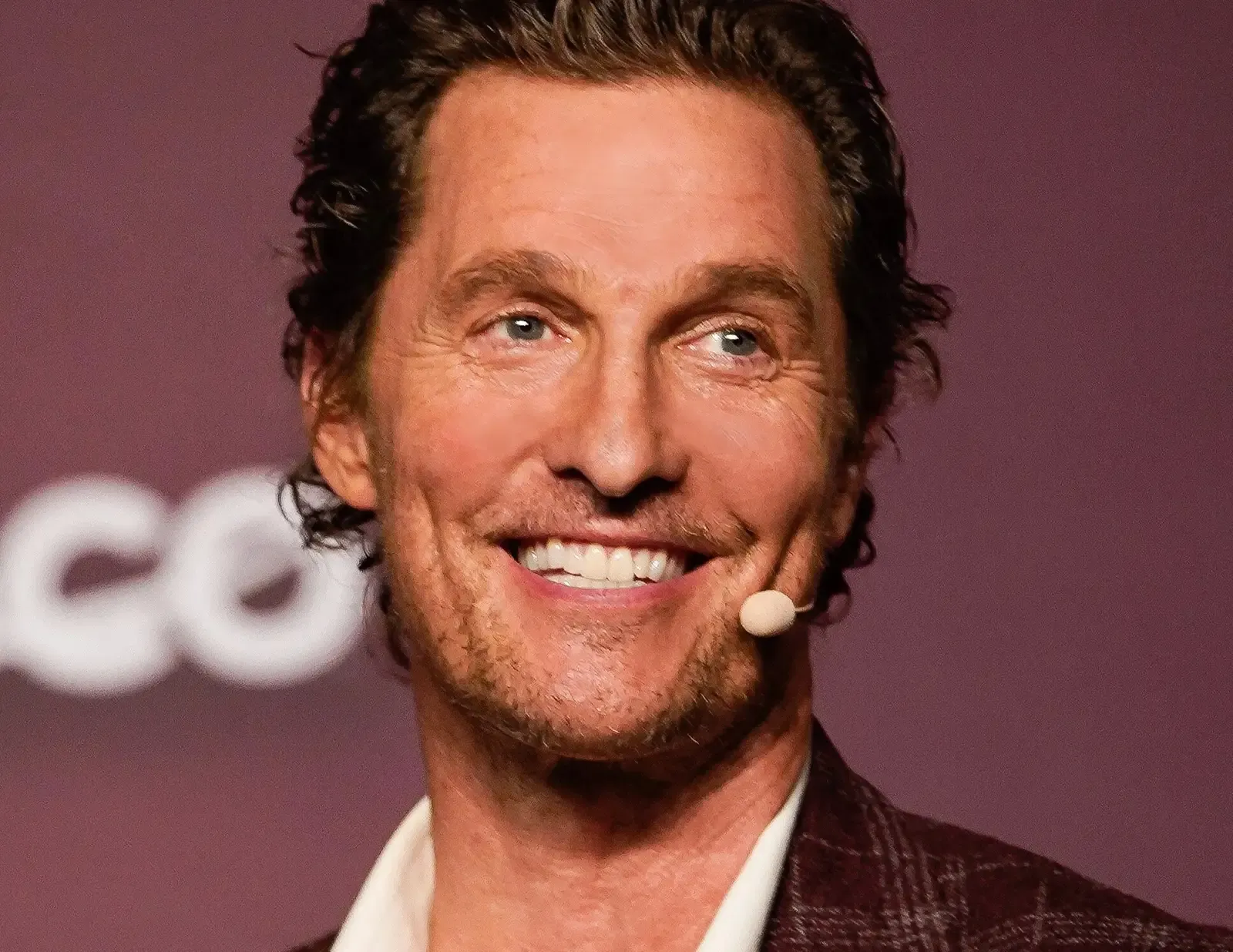
Leonardo DiCaprio’s performance as Jack Dawson became a defining moment of his career, but the role nearly went to Matthew McConaughey instead. DiCaprio almost lost out on the part to McConaughey, who according to Kate Winslet auditioned alongside her, and was reportedly favored by the studio before director James Cameron insisted on DiCaprio instead. Paramount Studios had actually picked McConaughey for the role, and he auditioned opposite Winslet before Cameron pushed to cast the younger, less established DiCaprio.
Cameron’s insistence turned out to be one of the more consequential creative decisions in modern film history. Titanic went on to become one of the highest grossing films ever made, and DiCaprio’s performance launched him into a new level of stardom that has lasted for decades. McConaughey’s career took a different, slower path toward the top, eventually earning him his own Best Actor Oscar years later for Dallas Buyers Club. Winslet has since spoken about the audition with a mix of humor and disbelief, noting how different the film’s chemistry might have looked with a different leading man.
Gwyneth Paltrow nearly played Rose instead of Kate Winslet
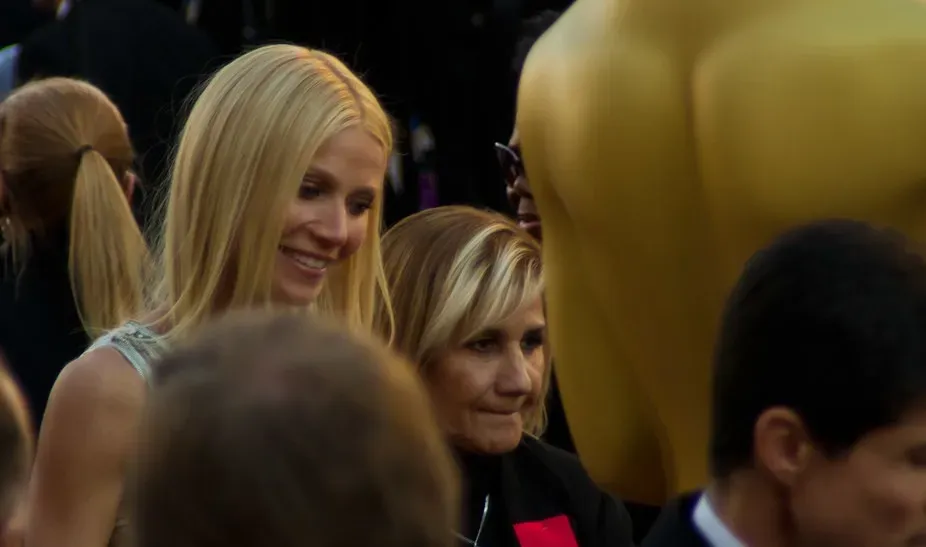
Jack was not the only major role that almost went to a different actor in Titanic. Gwyneth Paltrow was approached to play the part of Rose but turned it down in order to be in Great Expectations, and Winslet ultimately won the role while overcoming concerns that she was already too well known for historical dramas. James Cameron himself later admitted to some hesitation about casting Winslet, worried it might look like an uninspired choice given her recent run of period films.
Paltrow’s decision worked out well for her too. The following year she starred in Shakespeare in Love, which earned her an Academy Award for Best Actress, so her instincts about timing proved sound. Winslet, meanwhile, became a global star through Titanic and formed a lasting friendship with DiCaprio that has continued for decades. It is one of those rare situations where both paths led somewhere meaningful, just in very different directions.
Molly Ringwald turned down the role that made Julia Roberts a star
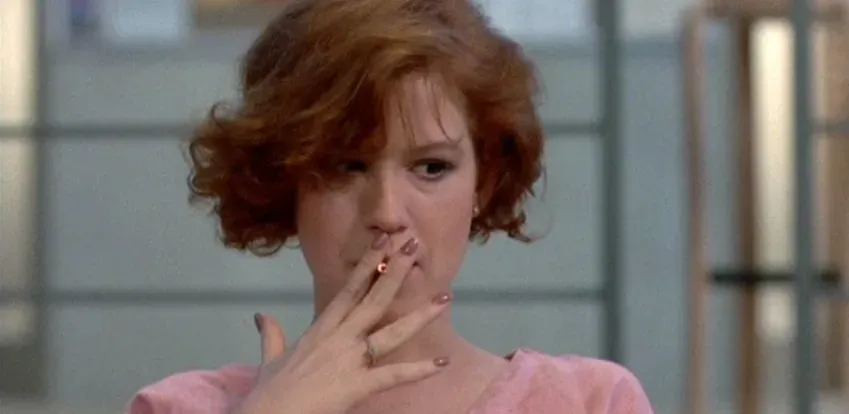
Pretty Woman turned Julia Roberts into one of the biggest stars of the 1990s, but she was not the studio’s original choice. Roberts rose to stardom with Pretty Woman, though Molly Ringwald was offered the role first and turned it down, unsure about the script’s tone at the time. Ringwald had built her career on teen films throughout the 1980s, and the romantic comedy’s mature subject matter reportedly gave her pause.
Roberts brought a warmth and charisma to the role that helped the film become one of the defining romantic comedies of its era. The film’s massive commercial success cemented her as a leading actress for the following decade. Ringwald has spoken candidly over the years about passing on roles during that period of her career, viewing some choices as reasonable given what she knew at the time. Looking back, it stands as one of the clearer examples of a script that read very differently on paper than it played on screen.
What these near misses reveal about Hollywood casting
Partner offer
Planning a trip to Vegas?
Compare hotel rates and show tickets on VEGAS.com.