Not every great movie needs a sequel. Yet Hollywood has a long history of chasing box office lightning long after it stopped striking, turning beloved originals into cautionary tales about knowing when to quit. Some of these films were modest hits that got inflated into misguided franchises, while others were genuine classics dragged through follow-ups that damaged their legacy.
What follows is a look at ten franchises where the first movie stood on its own just fine, and everything that came after made the case for leaving well enough alone.
1. Highlander
The original 1986 cult classic gave audiences immortal swordsmen, a killer Queen soundtrack, and the memorable line about there only being one. Then came Highlander II: The Quickening in 1991, which threw out the mythology entirely and reimagined the immortals as aliens from another planet living under a protective ozone shield. The result was so poorly received that it holds a rare approval rating of 0 percent on Rotten Tomatoes, meaning no favorable reviews whatsoever.
Critics did not hold back either. Roger Ebert wrote that the film was the most hilariously incomprehensible movie he had seen in a long time, calling it almost awesome in its badness. The franchise limped on through several more sequels and a television series, but nothing ever recaptured what made the original special, and Highlander II remains a textbook example of a sequel actively undoing everything fans loved.
2. Speed
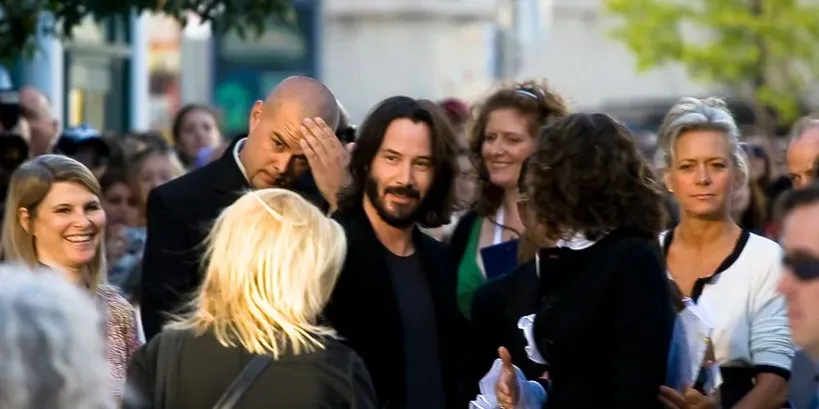
Speed turned a simple premise, a bus that could not slow down, into one of the sharpest action thrillers of the 1990s. It made stars out of Keanu Reeves and Sandra Bullock and grossed $164 million worldwide on a production budget as high as $160 million, compared with the original’s $350 million worldwide haul. Reeves wisely walked away from the follow-up, and Speed 2: Cruise Control swapped the bus for a cruise ship, a change that drained all the tension from the concept.
The sequel earned just a 4 percent critical rating on Rotten Tomatoes, and the critical consensus noted that it fell far short of its predecessor thanks to laughable dialogue, thin characterization, and action sequences that fail to generate any excitement. Even Bullock has since said she regrets making it, and the franchise never attempted a third installment.
3. Independence Day
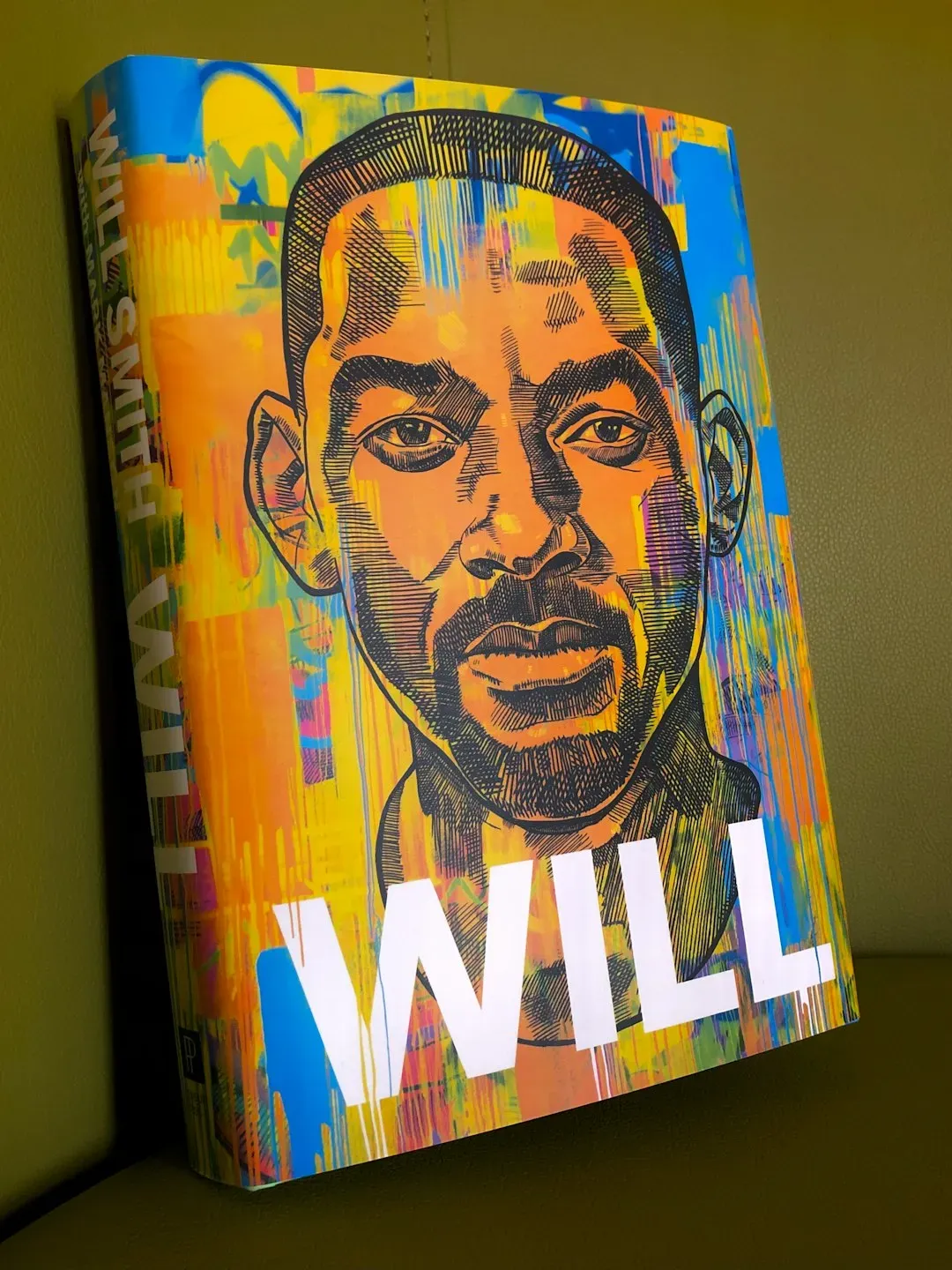
The 1996 alien invasion blockbuster was a genuine phenomenon, earning $817 million worldwide and an Academy Award for its visual effects. Twenty years later, Independence Day: Resurgence arrived without Will Smith and without much of what made the original work. It opened to just $41.6 million domestically, a number that was a far cry from its predecessor, which took in $76.9 million when adjusted for inflation.
Reviews were unkind, with the film settling around a 33 percent score on Rotten Tomatoes, well below the original’s approval rating. It did earn enough overseas to avoid being a total financial disaster, ultimately grossing $389.6 million worldwide against its $165 million budget, but the critical reception effectively ended any momentum for a third film.
4. Zoolander
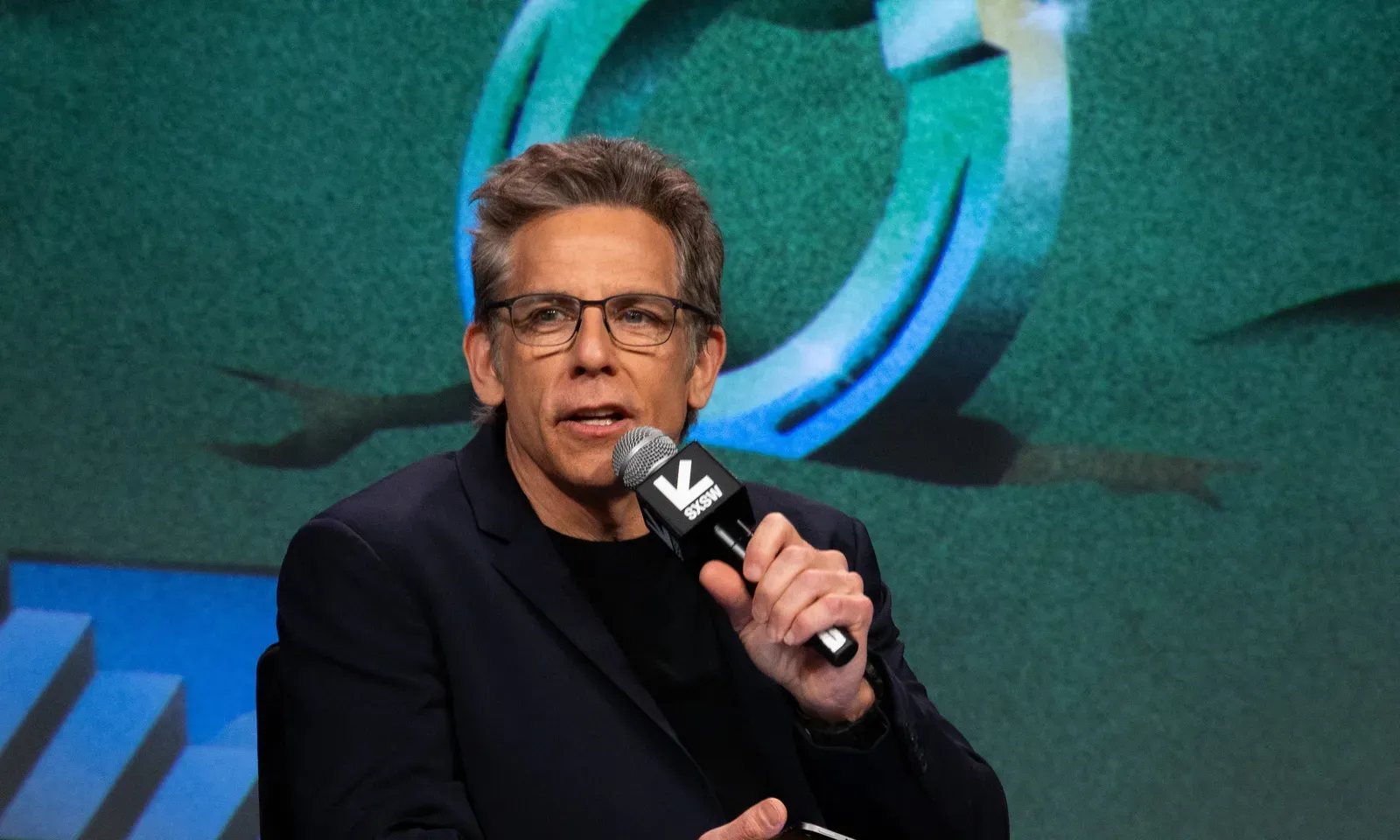
Ben Stiller’s 2001 fashion world satire became a slow-burn comedy favorite, eventually earning a very respectable audience following. Fifteen years later, Zoolander 2 brought back the whole gang, including Owen Wilson and Will Ferrell, but the magic simply was not there. The sequel earned only 22 percent on Rotten Tomatoes, with the audience score even lower at 20 percent.
Financially it fared no better, earning only $56.7 million on an estimated production budget of $50 million. Stiller has spoken candidly about how the film’s failure affected him personally, and the experience closed the book on any future Zoolander installments.
5. Miss Congeniality
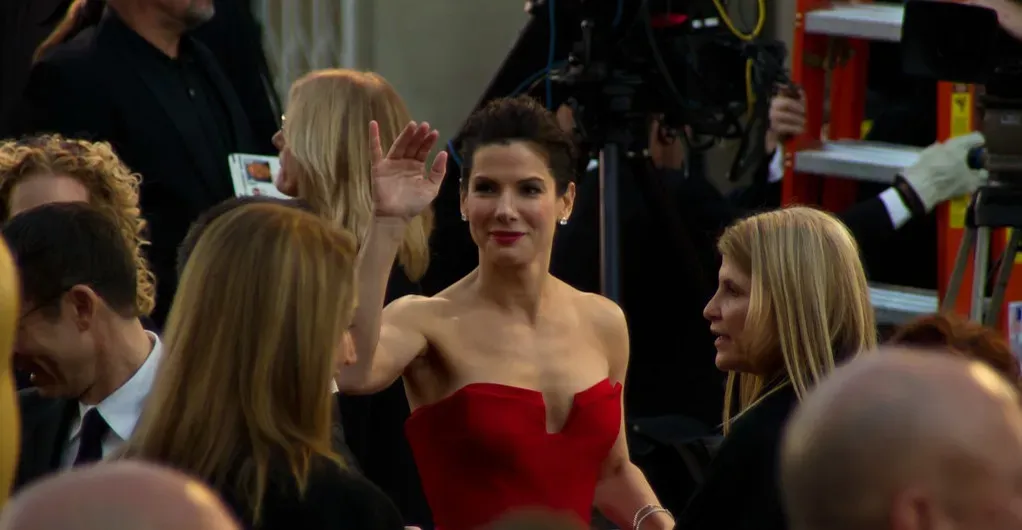
Sandra Bullock’s 2000 comedy about an FBI agent forced into a beauty pageant was a crowd-pleasing hit that mixed action beats with genuine laughs. The 2005 sequel, Miss Congeniality 2: Armed and Fabulous, tried to repeat the formula but landed with a thud. It managed only a rating of 5.2 out of 10 on IMDb and a low rating of 16 percent on Rotten Tomatoes.
The film’s box office returns fell well short of the original’s success, and plans for further sequels quietly disappeared. Bullock herself later acknowledged she has had mixed luck with sequels in general, and this one has not aged into any kind of reappraisal the way some critically maligned films eventually do.
6. Dumb and Dumber
The 1994 original turned Jim Carrey and Jeff Daniels into an unlikely comedy duo whose chemistry carried a film built almost entirely on gross-out gags and dumb luck. Twenty years passed before Dumb and Dumber To arrived in 2014, reuniting the stars and original directors Peter and Bobby Farrelly. The film actually performed well at the box office, opening with $38.1 million at the weekend box office and topping the charts that week.
Despite the strong opening, critical reception was largely lukewarm to negative, with many reviewers pointing out that the jokes felt recycled rather than refreshed. A poorly received 2003 prequel with different actors had already shown the concept did not travel well without its original leads, and the franchise has not moved forward since.
7. Grease
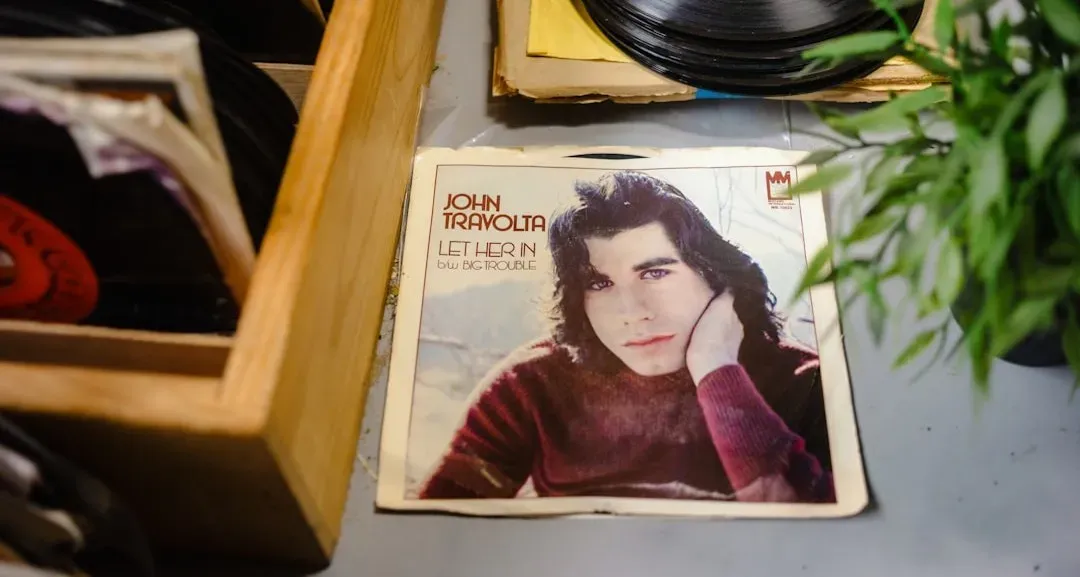
Grease became a cultural touchstone in 1978, turning its soundtrack and cast into household names and remaining one of the most rewatched musicals of its era. Grease 2, released in 1982 with an almost entirely new cast aside from Didi Conn, tried to replicate that success at Rydell High with a new set of students. It struggled badly at the box office and never came close to matching the original’s cultural footprint.
Critics were unimpressed with the shift in tone and the absence of the chemistry that John Travolta and Olivia Newton-John brought to the first film. The sequel has since become something of a punchline in conversations about unnecessary follow-ups, and no further Grease films have been made in the decades since.
8. Basic Instinct
The 1992 erotic thriller starring Sharon Stone was a defining piece of early 1990s cinema, controversial and inescapable at the time of its release. Fourteen years later, Basic Instinct 2 tried to recapture that same shock value with Stone reprising her role, but the cultural moment had clearly passed. The sequel was widely panned by critics and performed poorly domestically, failing to generate anything close to the conversation the original sparked.
Much of the criticism centered on a plot that felt like a pale retread rather than a genuine continuation of the character’s story. The film’s poor reception effectively closed the door on any further entries, and the franchise remains a two-film series in name only.
9. The Hangover
The Hangover in 2009 was a surprise smash, a raunchy bachelor party mystery that felt genuinely fresh and earned strong reviews alongside massive box office numbers. The Hangover Part II in 2011 was criticized heavily for essentially repeating the same plot beats in a different location, trading Las Vegas for Bangkok without much creative reinvention. Part III in 2013 shifted tone again, moving away from comedy toward a more straightforward heist story that alienated many fans of the original formula.
Both sequels made money, benefiting from the built-in audience of the first film, but critical goodwill eroded with each installment. By the time the trilogy wrapped, the diminishing creative returns had become one of the more discussed examples of a comedy franchise overstaying its welcome.
10. Sex and the City
Sex and the City the television series built a devoted following over six seasons, and the 2008 film continuation gave fans a satisfying big screen send off for Carrie, Samantha, Charlotte, and Miranda. The 2010 sequel, Sex and the City 2, took the characters to Abu Dhabi and was met with a sharply negative critical response, with many reviewers pointing to its tone-deaf handling of cultural differences and its bloated runtime. The film still performed reasonably at the box office thanks to the franchise’s loyal fan base, but the reputational damage was clear.
Plans for a third film were eventually scrapped after years of on-and-off development, partly due to the poor reception of the second and partly due to behind-the-scenes cast tensions. The franchise has since moved into a television revival format instead, leaving the film series to end on its weakest note.
Sequels are not inherently a bad idea, and plenty of franchises have found ways to build on a strong first film without losing what made it work. What connects these ten cases is a familiar pattern: a beloved or well-regarded original followed by a rushed or poorly conceived continuation that traded on nostalgia rather than earning its place. Audiences and critics alike tend to notice the difference, and box office receipts and review scores across these examples make that gap hard to ignore.