Hollywood loves a byline, except when it doesn’t. For every screenwriter whose name appears in the opening titles, there’s often another writer who quietly rewrote entire scenes, punched up dialogue, or in some cases wrote the single line everyone remembers, all without a single credit to show for it. The practice has a name, script doctoring, and it’s been part of the industry since the studio system’s earliest days.
What follows are seven cases where the words audiences quote decades later came from a writer whose contract, or contract negotiations, kept their name off the poster. Some of these stories are well documented through interviews and studio records. Others remain the subject of good natured arguments among the people who were actually in the room. Either way, they reveal how collaborative, and occasionally messy, the writing of a classic film line can really be.
John Milius and the Indianapolis speech in Jaws
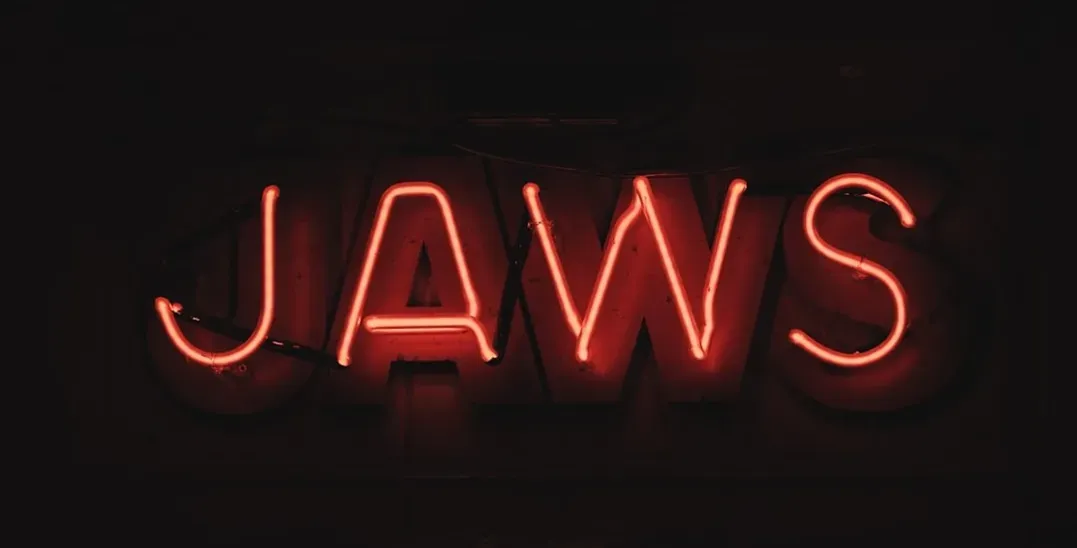
Quint’s monologue about the sinking of the USS Indianapolis is widely considered one of the great speeches in American film, and its authorship is famously contested. The speech is typically credited to one writer, or possibly a literary mixture of four individuals including Carl Gottlieb, John Milius, Howard Sackler, and Robert Shaw. Steven Spielberg himself has said Milius took Sackler’s earlier material and expanded it dramatically.
Spielberg has said that Milius took Sackler’s material and wrote a ten page monologue version of it, before having Shaw shorten it for shooting. Gottlieb has pushed back on that account for years, arguing Shaw deserves more of the writing credit than the Milius legend allows. Gottlieb has contended it was actually Shaw who wrote the speech and that Milius had been given undue credit thanks to his friendship with Spielberg. Whoever’s typewriter it truly came from, none of the four men involved in shaping the speech received a formal screenplay credit tied specifically to that scene.
Willard Huyck and Gloria Katz on Star Wars
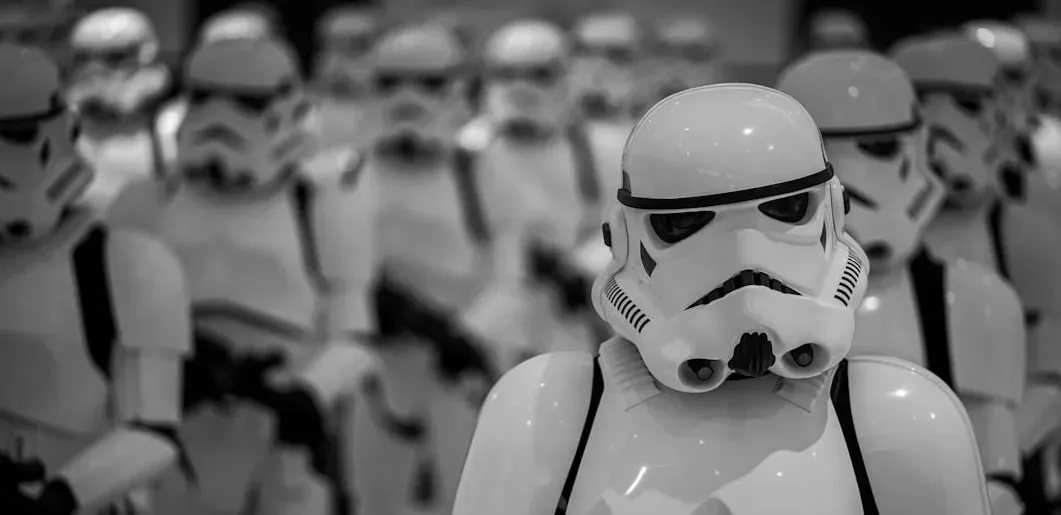
Before “May the Force be with you” became a cultural shorthand, George Lucas’s original Star Wars script needed help with its dialogue, and he turned to two writers he already trusted. Huyck and Katz had already cowritten American Graffiti with Lucas, which became a massive hit and his breakthrough in 1973. That earlier collaboration made them the natural choice when the space opera’s dialogue needed polishing.
Huyck and Katz took various screenwriting jobs, some credited and others uncredited, and their most notable work as uncredited script doctors came when they punched up the dialogue for Star Wars. Their fingerprints are all over the film’s more casual, human exchanges, the lines that keep the movie from feeling like pure mythology. Lucas never gave them a formal writing credit on the finished picture, even as the film went on to reshape blockbuster filmmaking entirely.
Robert Towne and the quiet dialogue in The Godfather
Robert Towne built his reputation on screenplays like Chinatown, but long before that he was one of the most trusted uncredited hands in the business. Directors and producers routinely called him in to fix scenes that weren’t quite landing, and Francis Ford Coppola was no exception. Towne, considered one of the greatest screenwriters of all time, did rewrites on The Godfather, as well as Bonnie and Clyde and The Parallax View.
His work on The Godfather has long been associated with the quieter, more intimate exchanges in the film, the moments that carry emotional weight without a raised voice. Towne never sought billing for the help, and Coppola and Mario Puzo remain the credited writers of record. It’s a reminder that some of the most memorable lines in a gangster epic can come from a writer working entirely behind the scenes.
Casey Robinson’s uncredited touch on Casablanca
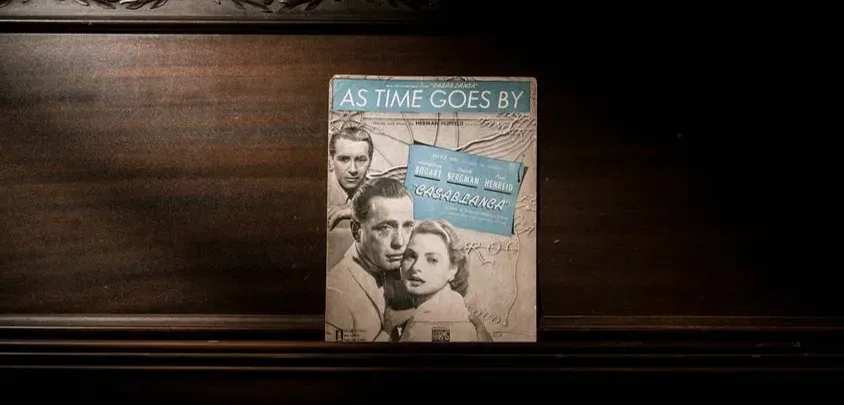
Casablanca is one of the most quoted films ever made, and its official credits list Julius Epstein, Philip Epstein, and Howard Koch as the screenwriters. Casey Robinson, a contract writer at Warner Bros., did substantial uncredited work on the script during production, reshaping scenes and dialogue under the studio’s request. This kind of arrangement was common practice at the time, when writers were employees rather than freelance talent negotiating their own credit.
The tradition of uncredited script doctoring goes back to Ben Hecht, who was such a snob about his movie work that he only received credit for about half of the more than one hundred films he worked on. Robinson’s situation reflects that same studio era culture, where a writer could shape some of a film’s most enduring dialogue and simply move on to the next assignment without any public acknowledgment. Casablanca’s lasting popularity has only deepened the interest in untangling exactly who wrote what.
Quentin Tarantino’s Silver Surfer scene in Crimson Tide
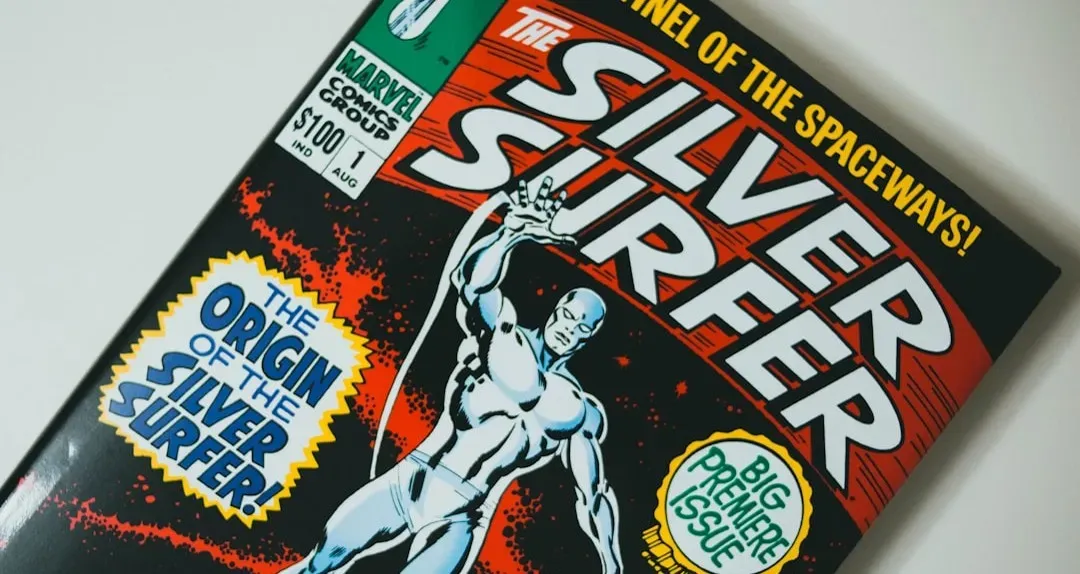
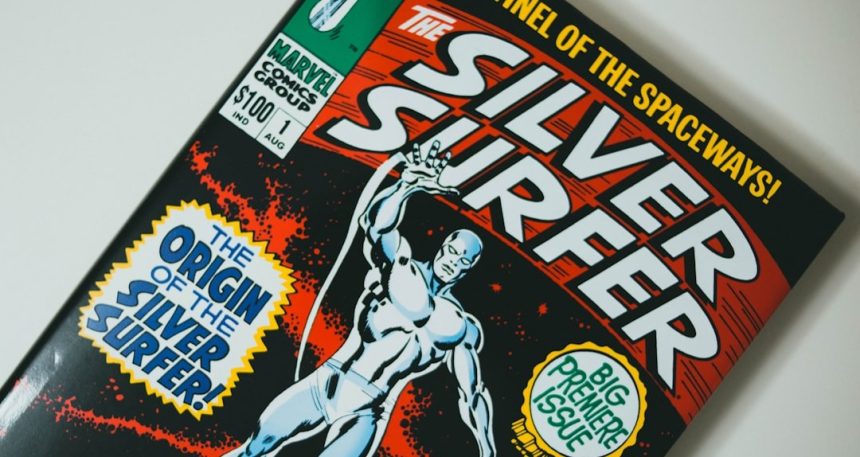
Long before Pulp Fiction made him a household name for dialogue, Tarantino was doing quiet, well paid rewrite work on other people’s movies. His contribution to the 1995 submarine thriller Crimson Tide is one of the better known examples of a young writer leaving an unmistakable stamp on someone else’s script. He did uncredited dialogue work for the submarine thriller Crimson Tide, most notably what is now known as the Silver Surfer scene.
The scene, a loose, pop culture heavy exchange between two officers debating comic book trivia in the middle of a tense military drama, has Tarantino’s rhythm written all over it. It stands out precisely because it feels so different from the rest of the film’s tighter, procedural dialogue. Director Tony Scott brought Tarantino on for a short, focused pass, and the studio never listed him among the film’s writers.
Joss Whedon’s dialogue overhaul on Speed
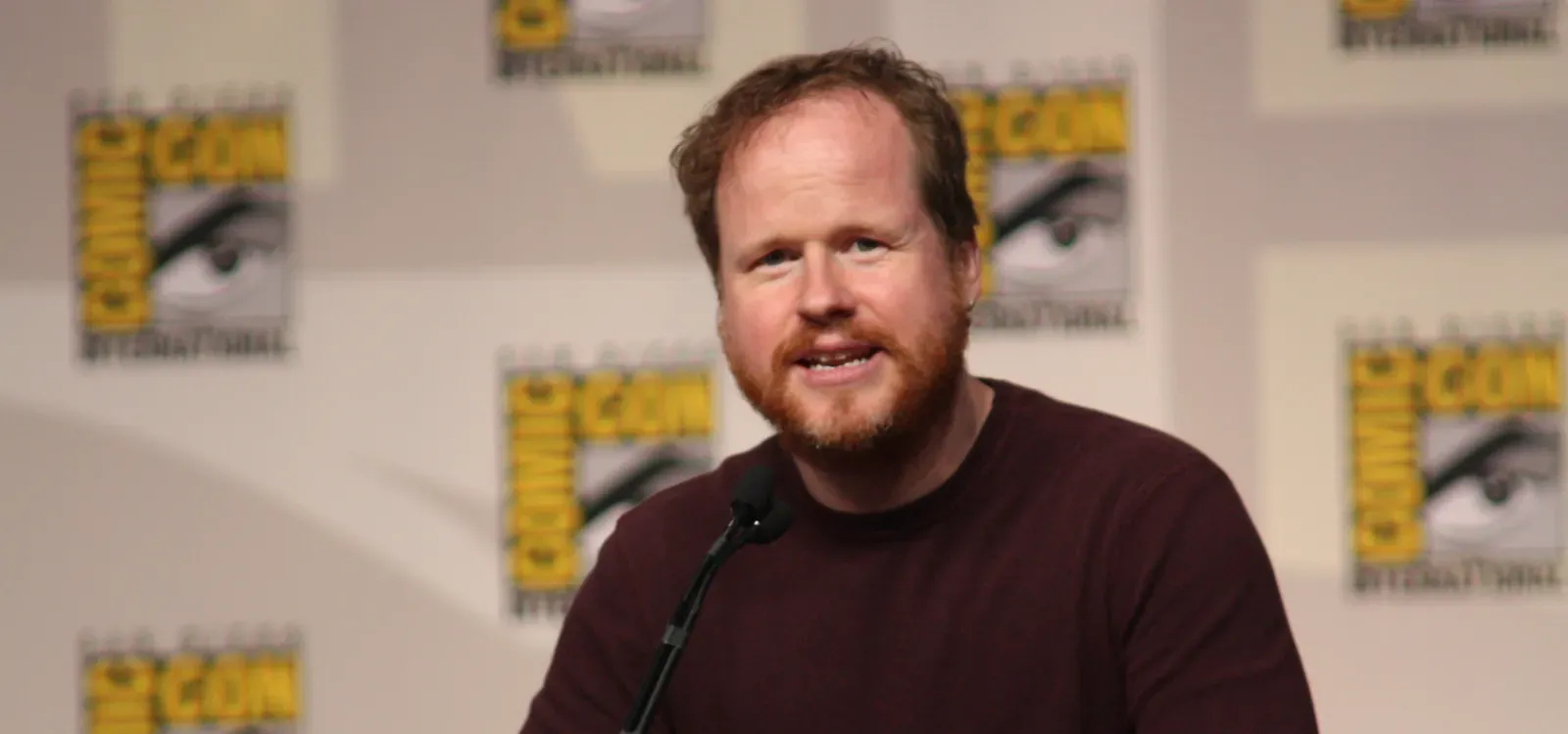
Speed is remembered for its relentless pace, but much of what audiences actually quote from the film, including the sharper one liners, came from a writer who wasn’t credited on the finished product. Director Jan de Bont brought on Joss Whedon to help punch up the script a week before filming started, and screenwriter Graham Yost admitted Whedon wrote nearly all of the dialogue in the film, though Whedon went uncredited. That’s a striking admission, coming directly from the writer who did receive the official credit.
Whedon’s uncredited work on Speed came early in a career that would later include Buffy the Vampire Slayer and a string of high profile screenwriting jobs. Long before he came on to Justice League, Whedon cut his teeth doing uncredited script doctor work on Speed, where the writers changed the ending to make it more contained and personal, helping the movie become a hit. It’s a rare instance where the credited writer himself has been transparent about how much of the dialogue actually belonged to someone else.
Ben Hecht’s uncredited hand in Gone with the Wind
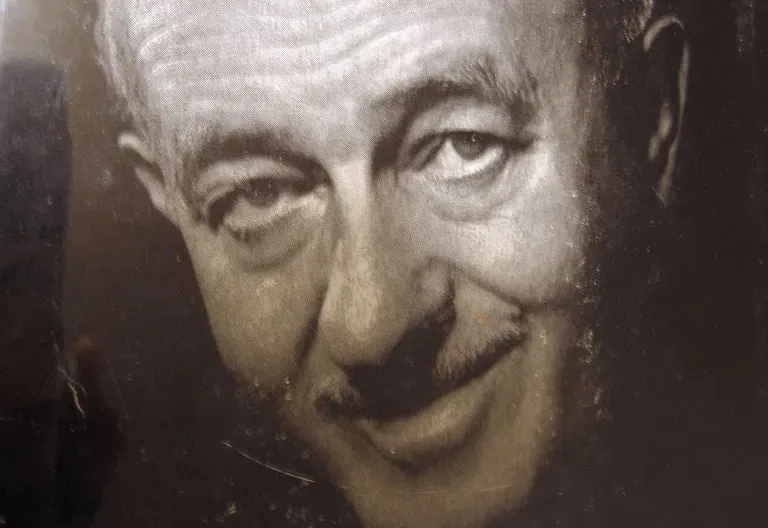
Gone with the Wind’s official screenplay credit went to Sidney Howard, but the production was notorious for cycling through additional writers during its long, chaotic development. Ben Hecht, already Hollywood’s most prolific and least credit hungry script doctor, was brought in for emergency rewrites during the film’s frantic production schedule. His reputation for this kind of work was already well established by the time producer David O. Selznick called him in.
Uncredited script doctoring as a Hollywood tradition traces back to Hecht, who downplayed his movie work because it suited his image among his literary peers at the Algonquin Hotel, and as a result only received credit for about half of the more than one hundred films he worked on. Gone with the Wind’s production troubles are well documented, and Hecht’s brief, uncredited involvement fits the same pattern that defined so much of his career. He moved quickly between assignments, rewrote what needed fixing, and left before the credits were finalized.
These seven stories share a common thread. The writer whose name appears on screen is not always the only person who shaped the words audiences fell in love with. Studios have long treated screenwriting as a relay race rather than a solo sprint, handing scripts from one writer to the next until a director felt the dialogue finally worked. That system has produced some of cinema’s most quoted lines, even as it left the people who wrote them largely unrecognized outside of industry lore and the occasional interview decades later.