There’s a particular kind of magic in a film that grabs you before you’ve even settled into your seat. No dialogue setup, no lingering exposition, just an image or a sound that tells your brain to pay attention right now. Some directors treat the first minute of a movie like a dare, betting everything on a cold open that either lands instantly or doesn’t land at all. What follows are nine openings that pulled this off, moments so immediate that audiences forgot they were watching a movie and started reacting like they were living through something real. Each one works for a different reason, but they share a common thread: they never ask for patience.
1. Jaws (1975) and the swim that changed beach season forever
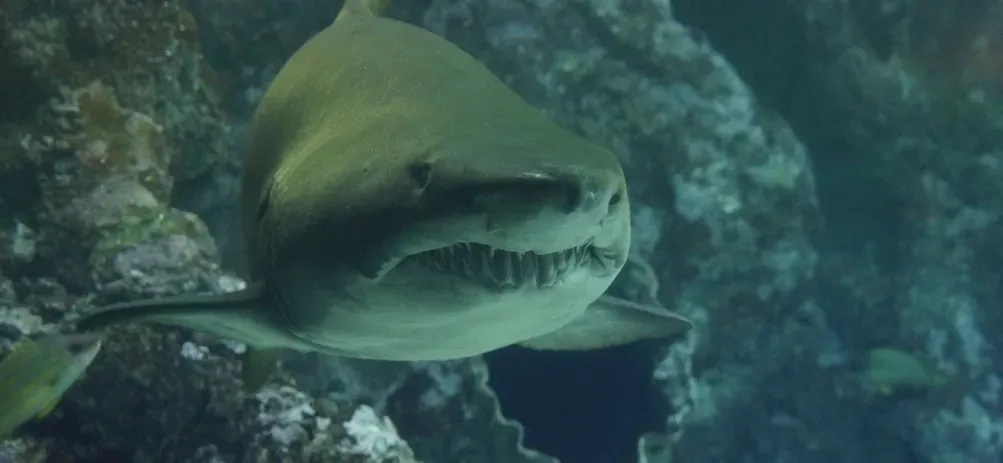
The 1975 film Jaws launched the career of a young Steven Spielberg, and in this scene, the town’s police chief Martin Brody witnesses the shark’s brutal attack for the first time. But before Brody even enters the frame, the film opens on something far simpler and far more devastating: a young woman named Chrissie Watkins going for a late night swim after a beach bonfire. Suddenly she feels it pull at her from beneath, and while her boyfriend slumbers on the sand, she’s being eaten alive.
What makes the scene so unshakeable is what it withholds. It’s important that we can’t see what’s attacking Chrissie, since Spielberg originally intended for the audience to see the shark, but crew problems with the mechanical shark forced him to use his camera to simulate the shark’s point of view instead. That limitation, born out of necessity rather than design, became the reason the sequence still works decades later. Susan Backlinie, the stuntwoman who played Chrissie, later described just how physically demanding the shoot was, noting she was pulled by ropes from both directions to create that thrashing motion in the water.
2. Raiders of the Lost Ark (1981) and the boulder that started an era
Before Indiana Jones ever says a word, he’s already sprinting through a booby trapped temple, snatching an idol, and outrunning a rolling boulder that seems to fill the entire frame. Spielberg and George Lucas built the sequence as a throwback to old Saturday matinee serials, and it functions almost like a short film unto itself, with a beginning, middle, and end before the title card even appears. The whip, the fedora, the reveal of the face we’ve been chasing from behind for several minutes, it’s all character introduction disguised as pure action.
What sells the sequence is its confidence in withholding information. We don’t get a name, a backstory, or a mission briefing until well after the temple has already collapsed behind him. By the time Indiana Jones boards a seaplane and the Paramount logo dissolves into a nearby mountain, audiences already know exactly who this person is without a single line of dialogue explaining it.
3. No Country for Old Men (2007) and a voice before a face
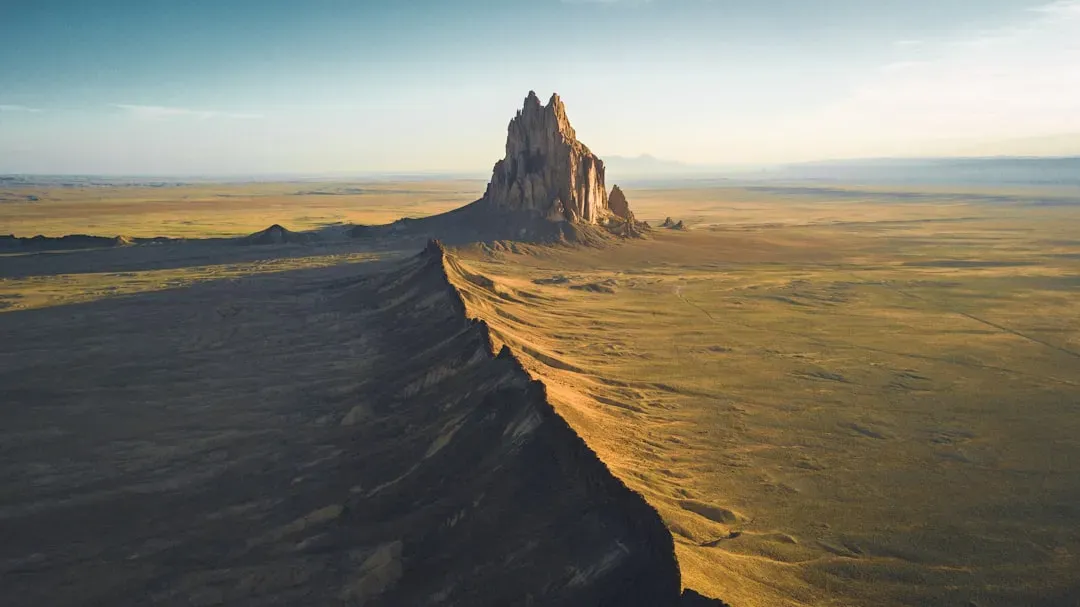
No Country for Old Men opens with an off screen monologue by Tommy Lee Jones’s character, Sheriff Ed Tom Bell, in which he laments how lawless the world has become during his tenure as sheriff of a rural Texas county. The Coen brothers pair that weary, unhurried narration with stark shots of empty desert landscape, letting the voice do all the emotional heavy lifting. Jones delivers his monologue with an extraordinary vocal precision, and it tells us all we need to know, setting up the entire film.
It’s an unusual choice for a thriller to open so quietly, but that restraint is exactly the point. The film went on to earn major recognition at the Academy Awards, and despite its unconventional style, it was nominated for eight Academy Awards, winning four, including Best Picture. The monologue sets a tone of fatalism that the rest of the film never abandons, and it does so without a single frame of violence.
4. Up (2009) and a marriage told in four silent minutes
Pixar’s Up famously spends its opening stretch on a wordless montage tracing the entire life of Carl and Ellie Fredricksen, from childhood meeting to old age. There’s no dialogue needed because the animation, paired with a simple, aching score, carries the entire emotional arc. Audiences walked out of theaters talking about how a children’s film had managed to produce one of the most devastating openings in recent memory, built entirely around a house, a balloon, and a life spent together.
The sequence works because it commits fully to being a short film about mortality before pivoting into an adventure story about a floating house. That tonal whiplash is deliberate. Pixar wanted the weight of loss sitting underneath everything that follows, so that Carl’s later stubbornness and grief feel earned rather than simply stated.
5. A Quiet Place (2018) and the silence that says everything
John Krasinski’s horror film opens on a family scavenging a deserted pharmacy, communicating entirely in sign language and careful footsteps. There’s no music cue explaining the danger, no dialogue laying out the rules. The tension comes purely from watching people move with an exaggerated, practiced carefulness that tells you something in this world punishes even the smallest sound.
Within the first few minutes, the film delivers a devastating loss that reframes everything the family does afterward. It’s a masterclass in show, don’t tell, using environmental details like a soundproofed floor and a missing hearing aid to build an entire mythology before anyone explains the creatures hunting by sound. Audiences left theaters famously reluctant to eat popcorn during the quiet stretches that followed.
Partner offer
6. Drive (2011) and a getaway told through headlights and heartbeat
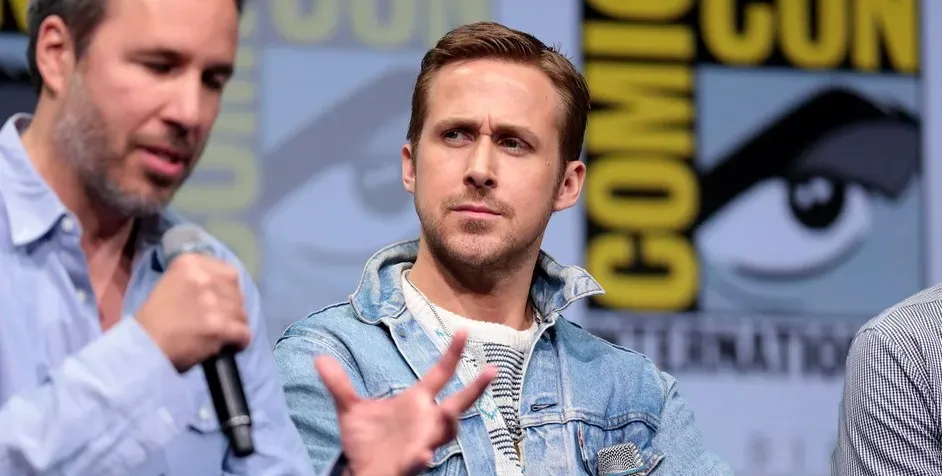
Nicolas Winding Refn’s Drive opens on a wordless, near real time heist getaway through downtown Los Angeles, with Ryan Gosling’s unnamed driver navigating traffic and police scanners with unnerving calm. The scene runs for several minutes without dialogue that matters, relying instead on ambient radio chatter, the hum of the engine, and a synth score that feels lifted from an eighties thriller. It’s less about spectacle and more about tension built through patience, letting the audience feel every red light and police siren in real time.
The sequence ends with the driver slipping away into a crowd outside a Clippers game, disappearing so completely that the getaway itself becomes the character introduction. Refn later spoke about wanting the opening to function like a genre mission statement, telling viewers immediately what kind of movie they were in for. It remains one of the more influential cold opens of the past two decades, echoed in countless heist and thriller films since.
7. There Will Be Blood (2007) and silence in a silver mine
Paul Thomas Anderson’s oil epic opens with roughly fifteen dialogue free minutes following Daniel Plainview as he digs alone in a primitive mine shaft, eventually breaking his leg in a fall. Jonny Greenwood’s dissonant, screeching score fills the silence where speech would normally be, creating a sense of dread and isolation before the audience even understands what era or location they’re watching. It’s a bold choice for a nearly three hour drama to open in near total silence.
The sequence establishes Plainview’s obsessive, solitary drive without a single line explaining his motivations. He drags himself out of the mine, alone, having struck a hint of silver, and that image of a man clawing his way toward wealth through sheer physical punishment sets up the entire arc of the character. Critics have pointed to this stretch as one of the boldest openings of American cinema in the twenty first century.
8. Saving Private Ryan (1998) and the beach that redefined war films
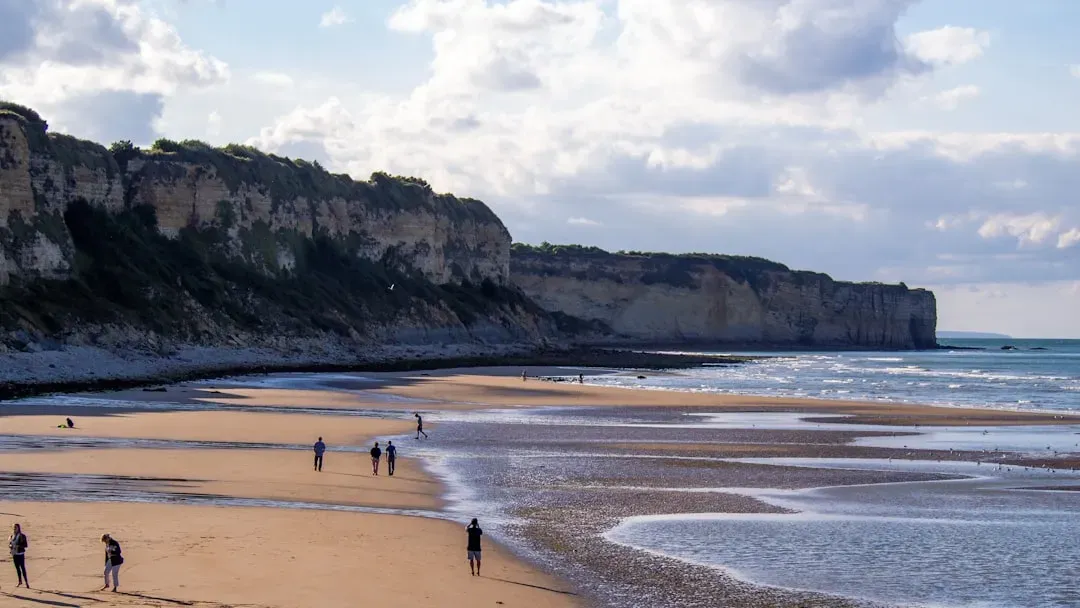
Steven Spielberg’s second appearance on this list arrives through the Omaha Beach landing sequence, roughly twenty minutes of visceral, disorienting combat that plays out almost entirely without traditional narrative structure. Soldiers die randomly and without warning, the camera shakes and loses focus, and the sound design deliberately mimics the muffled ringing of a nearby explosion. It remains one of the most studied combat sequences in film history for its refusal to romanticize violence.
Cinematographer Janusz Kaminski stripped color saturation and used handheld cameras to give the footage a documentary quality, a choice that reportedly caused some veterans watching the film to have visceral physical reactions in theaters. The sequence works precisely because it resists the usual rhythms of an action scene, offering chaos instead of choreography. By the time the beach clears, audiences understand the stakes of the film without a single line of exposition about the war’s broader context.
9. Baby Driver (2017) and a getaway set to its own soundtrack
Edgar Wright’s Baby Driver opens with its getaway driver, played by Ansel Elgort, waiting in a parked car with earbuds in, mouthing along to a song only he and the audience can hear. What follows is a bank heist and car chase choreographed so precisely to the music that every gunshot, tire squeal, and gear shift lands on a beat. It’s a stylistic gamble that could have felt gimmicky, but instead it establishes the film’s entire logic in one uninterrupted sequence.
Wright has spoken about wanting the opening to function as a thesis statement for the whole movie, proving immediately that music wasn’t going to be decoration here but structure. The sequence ends with Baby dancing through a parking garage while singing along, a tonal shift from tension to playfulness that tells the audience exactly what kind of ride they’ve signed up for. It remains one of the more purely enjoyable cold opens of the past decade, precisely because it never pretends to be anything other than fun.
These nine sequences prove that the strongest openings rarely rely on tricks. They rely on confidence, a willingness to trust an image, a sound, or a silence to do work that dialogue usually handles. Long after the rest of a film fades from memory, these first moments tend to stick around, still capable of raising a pulse decades after they first hit a projector.Partner offer
Planning a trip to Vegas?
Compare hotel rates and show tickets on VEGAS.com.