Anyone who has left a movie theater muttering about a missing subplot knows the feeling. The book had this whole chapter, this whole side character, this whole moment that mattered, and the film just skipped it. It turns out this isn’t random. Across decades of adaptations, from prestige literary dramas to blockbuster fantasy franchises, the same categories of scenes keep hitting the cutting room floor, and there are clear, practical reasons why. Internal monologue, slow-burn backstory, and quiet reflection scenes are the most consistent casualties. Film and television are visual, time-boxed mediums, while novels can spend as many pages as they want inside a character’s head. That fundamental mismatch shapes almost every adaptation decision that follows.
Interior monologue almost never survives

Novels rely heavily on interior monologue to build character, and it’s one of the hardest things to translate to screen. A page of a character’s private doubts or memories can be conveyed in film only through voiceover, facial expression, or invented dialogue, and none of those tools work as efficiently as prose. Voiceover in particular has a reputation among screenwriters as a crutch, something that tells rather than shows, so many adaptations avoid it almost entirely.
This is why psychologically dense novels like those by Virginia Woolf or Fyodor Dostoevsky are notoriously difficult to adapt well. The 2002 film adaptation of “The Hours,” based on Michael Cunningham’s novel, worked partly because it externalized inner turmoil through visual symbolism and editing rhythm rather than narration. When adaptations skip this step, entire chapters of introspection simply vanish, replaced by a single meaningful glance.
Extended flashbacks and backstory chapters get trimmed
Books often devote long stretches to a character’s history, sometimes an entire section explaining how someone became who they are. Films rarely have the runtime to accommodate this, since a two-hour movie typically holds around 20,000 to 25,000 words of content compared to a novel’s 80,000 or more. Something has to go, and backstory chapters are usually the first candidates because the plot can often move forward without them.
The Harry Potter franchise offers a clear example, as the films consistently trimmed or removed flashback sequences and historical exposition found in J.K. Rowling’s books, particularly around characters like Dumbledore and Voldemort’s past. Streaming adaptations with more episodic room, like prestige limited series, sometimes preserve more of this material, but even then, producers tend to compress rather than fully restore it.
Secondary romantic subplots rarely make the cut

Novels frequently juggle multiple romantic threads because readers can hold several relationships in mind across hundreds of pages. Screen adaptations tend to consolidate or eliminate secondary romances to keep the emotional focus on one central relationship, since audiences following a two-hour story have less patience for split attention. This is especially common in adaptations of sprawling literary fiction, where a book might follow three couples and the film narrows down to one.
Fantasy and historical fiction adaptations show this pattern often, trimming courtships that exist mainly to develop world texture rather than drive the main plot. Producers and screenwriters generally justify these cuts by pointing to pacing, arguing that romantic detours that work in a novel can stall momentum on screen. The result is usually a leaner, more singular love story, even when the source material offered something more layered.
Minor characters and their arcs disappear first
Books can support a large cast because readers can flip back to remind themselves who someone is. Film and television, especially in a single feature-length format, cannot afford that luxury, so minor characters are frequently merged, renamed, or cut outright. This happened extensively in adaptations of dense ensemble novels, where authors introduce dozens of named characters that a two-hour runtime simply cannot service.
The film adaptations of Game of Thrones-adjacent fantasy and classic literary sagas alike have drawn criticism for consolidating characters into composites. This isn’t laziness so much as a structural necessity, since every named character on screen requires casting, costuming, and screen time that a novel gets for free with a line of text. Screenwriters often describe this triage process as one of the most painful parts of adaptation work.
Long philosophical or political digressions get trimmed
Some novels, particularly literary and historical fiction, pause the plot to explore ideas directly, whether through essayistic asides or extended dialogue between characters debating morality or politics. These digressions can be some of a book’s most intellectually rewarding sections, yet they are also among the first things cut because they don’t move the visual story forward. Leo Tolstoy’s philosophical passages in “War and Peace,” for instance, are almost always reduced or removed entirely in film versions.
Screenwriters tend to distill these ideas into shorter dialogue exchanges or drop them altogether, trusting that visual storytelling and performance can imply the same themes more efficiently. This is a defensible creative choice, though it often frustrates readers who felt the digressions were the point rather than a detour. The tension between thematic depth and narrative momentum is one of the oldest disputes in adaptation criticism.
World-building exposition gets heavily compressed
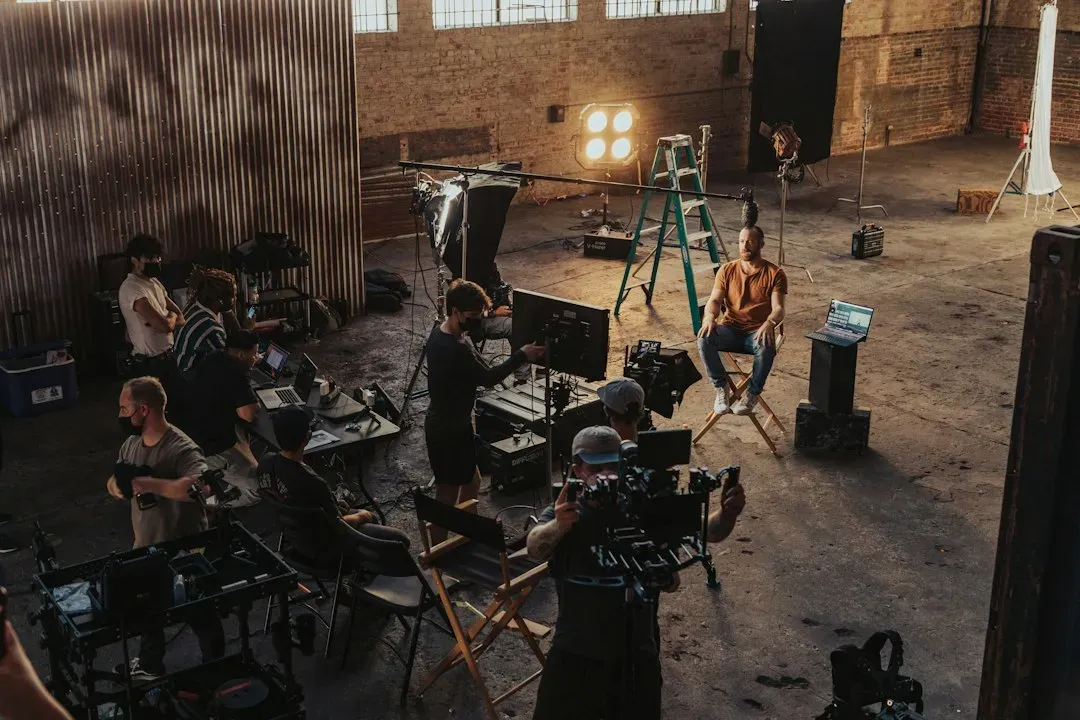
Fantasy and science fiction novels often include lengthy passages explaining history, magic systems, or political structures that give a fictional world texture and internal logic. On screen, this kind of exposition is notoriously difficult to deliver without feeling like a lecture, so adaptations lean on visual shorthand instead, letting costumes, sets, and production design imply what the prose spelled out. Frank Herbert’s “Dune” is a well-documented example, since both the 1984 and more recent 2021 to 2024 film adaptations had to cut or restructure large portions of the novel’s political and religious background.
This kind of compression is one of the more defensible cuts, since audiences generally respond better to discovering a world through action than through explanation. Still, fans of the source material often feel something is lost when the deeper logic of a fictional world gets flattened into atmosphere. Denis Villeneuve’s “Dune” films were praised precisely because they found visual ways to suggest complexity without stopping to explain it outright.
Slow, meditative pacing sections almost never survive
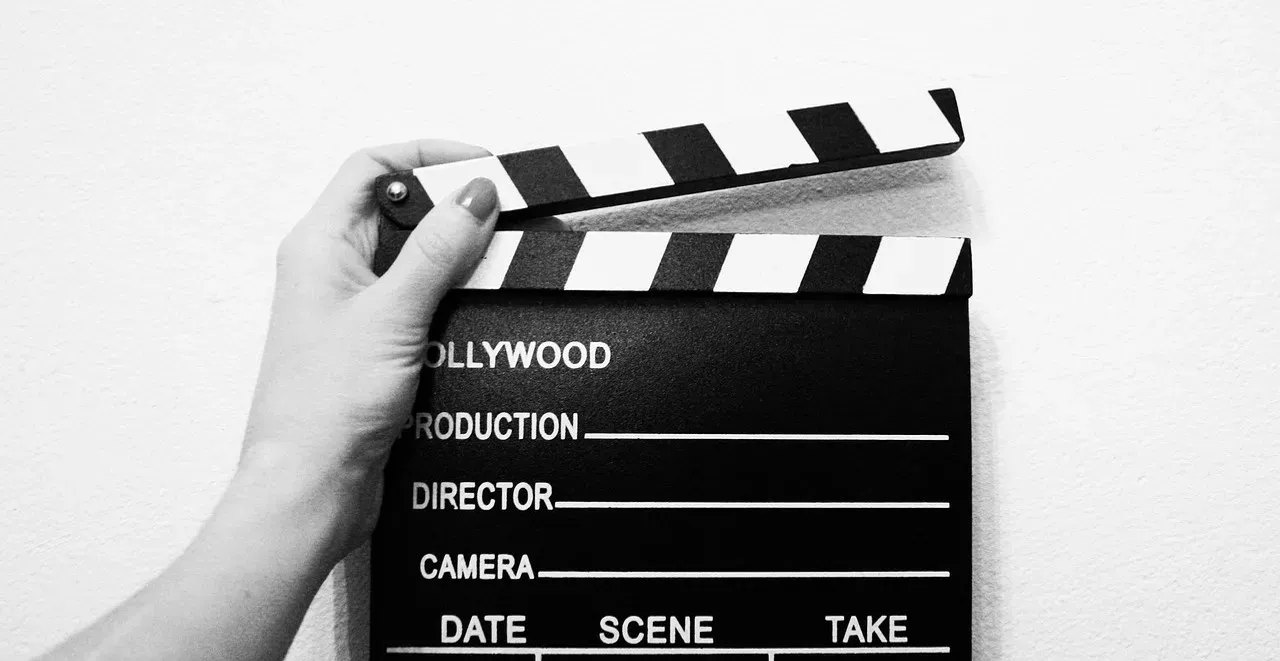
Literary novels sometimes deliberately slow down, lingering on scenery, weather, or mundane daily routines to build atmosphere or mood. These passages work because reading is a self-paced activity, but film and television are timed experiences where a slow scene risks losing audience attention. As a result, adaptations routinely compress or cut these meditative stretches, replacing them with a few establishing shots or a quick montage. This is especially visible in adaptations of literary fiction where mood is as important as plot, such as adaptations of Kazuo Ishiguro’s work, where quiet, restrained pacing is central to the novel’s emotional effect. Filmmakers who try to preserve this pacing often face commercial pressure to tighten the runtime, since studios and streaming platforms track engagement metrics that reward faster pacing. The trade-off is real, and it explains why so many “faithful” adaptations still feel noticeably brisker than their source material.
Multiple points of view get narrowed to one or two

Novels told from several perspectives, sometimes alternating chapters between five or six characters, present a particular challenge for adaptation because screen storytelling generally favors a clearer point of view. Adaptations frequently narrow the perspective down to one or two central characters, cutting entire narrative threads that belonged to other voices in the book. This happened notably in film adaptations of multi-perspective literary novels, where studios chose a single protagonist to anchor audience identification.
Streaming television has slightly more flexibility here, since a multi-season series can dedicate episodes to different characters in a way film cannot. Even so, showrunners still tend to prioritize certain viewpoints over others based on which characters test well with audiences or which actors carry more marketing weight. The result is that even celebrated series adaptations often quietly demote perspectives that were equally weighted in the source novel.
Extended endings and epilogues get shortened
Books often take their time winding down, offering readers a slower emotional descent after the climax, sometimes with entire chapters devoted to aftermath and resolution. Film endings, by contrast, are under pressure to close quickly once the central conflict resolves, since prolonged endings risk feeling anticlimactic on screen in a way they rarely do on the page. The Lord of the Rings films faced public criticism for this exact issue, ironically for including too much ending rather than too little, which shows how sensitive audiences are to pacing at a story’s close.
More commonly, adaptations trim epilogues significantly, compressing years of fictional time into a single scene or a title card. This happened with several young adult franchise adaptations, where lengthy print epilogues were reduced to brief final images meant to imply rather than narrate future events. Studios generally view long endings as a commercial risk, worried that audiences will disengage once the main conflict is resolved.
Detailed sensory and descriptive passages rarely translate directly

Authors often spend paragraphs describing a room, a meal, or a piece of clothing in careful sensory detail, giving readers a fully imagined world through language alone. Film accomplishes the same goal instantly through production design, cinematography, and sound, which means these descriptive passages become redundant rather than adapted. Costume and set designers frequently point to these very passages as source material for their visual choices, even though the text itself never appears on screen.
This is one of the more painless cuts in adaptation, since almost no one misses a paragraph of description once they can simply see the image realized. Where it becomes contentious is when descriptive passages also carried emotional or symbolic weight, such as a character’s clothing reflecting their inner state. In those cases, filmmakers have to find a purely visual equivalent, and not every adaptation manages that translation successfully.