Film history has a strange habit of rewarding directors for the wrong movie. A filmmaker spends years building toward a masterpiece, the one that ends up on every greatest-films list decades later, and the trophy goes to something else entirely, sometimes to a lesser work released years earlier or later. It’s one of the odder patterns in awards history, and once you start looking for it, the list of famous names gets long fast. What follows are nine directors whose most enduring, most studied, most quoted film never actually won them the recognition it eventually earned in the cultural memory. Some walked away with honorary statues decades later. Others got nothing at all for the film in question. Either way, the gap between critical consensus today and what the Academy or other bodies decided at the time is worth a closer look.
1. Alfred Hitchcock and Vertigo
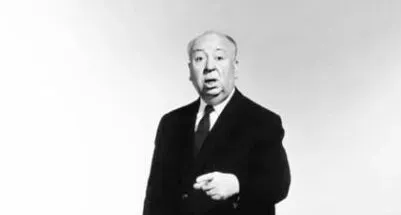
Most film scholars consider Alfred Hitchcock never winning Best Director despite five nominations the biggest Oscar snub in cinema history. Vertigo, now regularly cited as one of the greatest films ever made, was not even among his nominated works, and the films that did earn him nods, including Rear Window and Psycho, all lost.
In 1967, Hitchcock did walk away with the Irving G. Thalberg Memorial Award, a distinction reserved for creative producers, though that award doesn’t even look like an Oscar; it’s a rather awkward bust of Thalberg. He accepted it with characteristic dryness, a brief thank you and nothing more, leaving his most acclaimed work permanently uncelebrated by the Academy itself.
2. Stanley Kubrick and 2001: A Space Odyssey
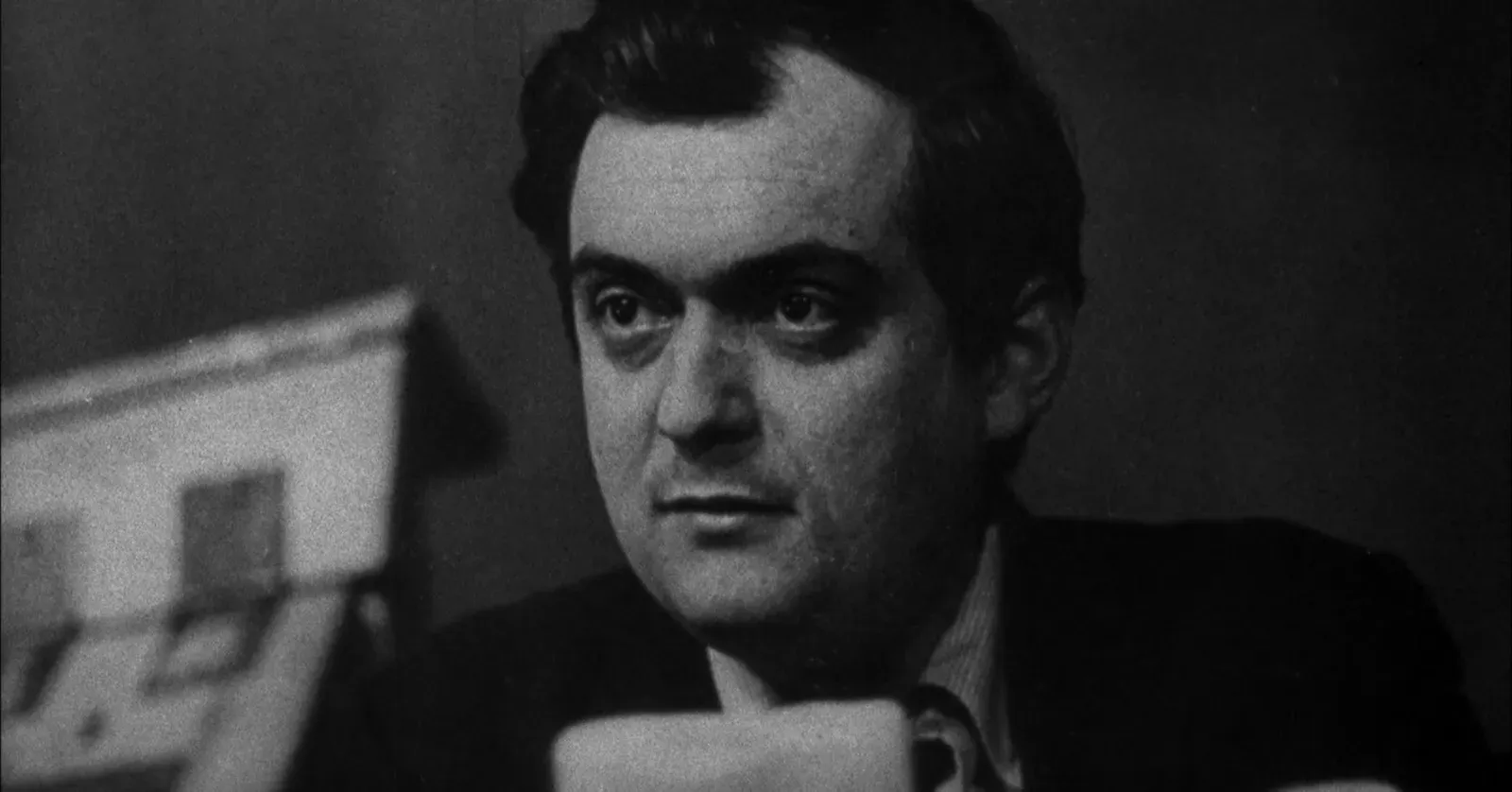
Kubrick built a filmography that includes some of the most studied movies in cinema history, yet the directing prize eluded him every single time. Despite earning nominations for Dr. Strangelove, 2001: A Space Odyssey, A Clockwork Orange, and Barry Lyndon, Stanley Kubrick never actually won an Oscar for Best Director.
The one Oscar he did receive came for visual effects work on 2001, and even that has an asterisk attached to it. Though he never won an award for directing, he did take home one Oscar, Best Special Visual Effects for 2001: A Space Odyssey, and according to visual effects pioneer Douglas Trumbull, who worked on the film with Kubrick, it was an award the filmmaker didn’t deserve, since “Kubrick did not create the visual effects. He directed them.” It remains, technically, his only Oscar, awarded for a category that undersells what the film actually accomplished.
3. Orson Welles and Citizen Kane
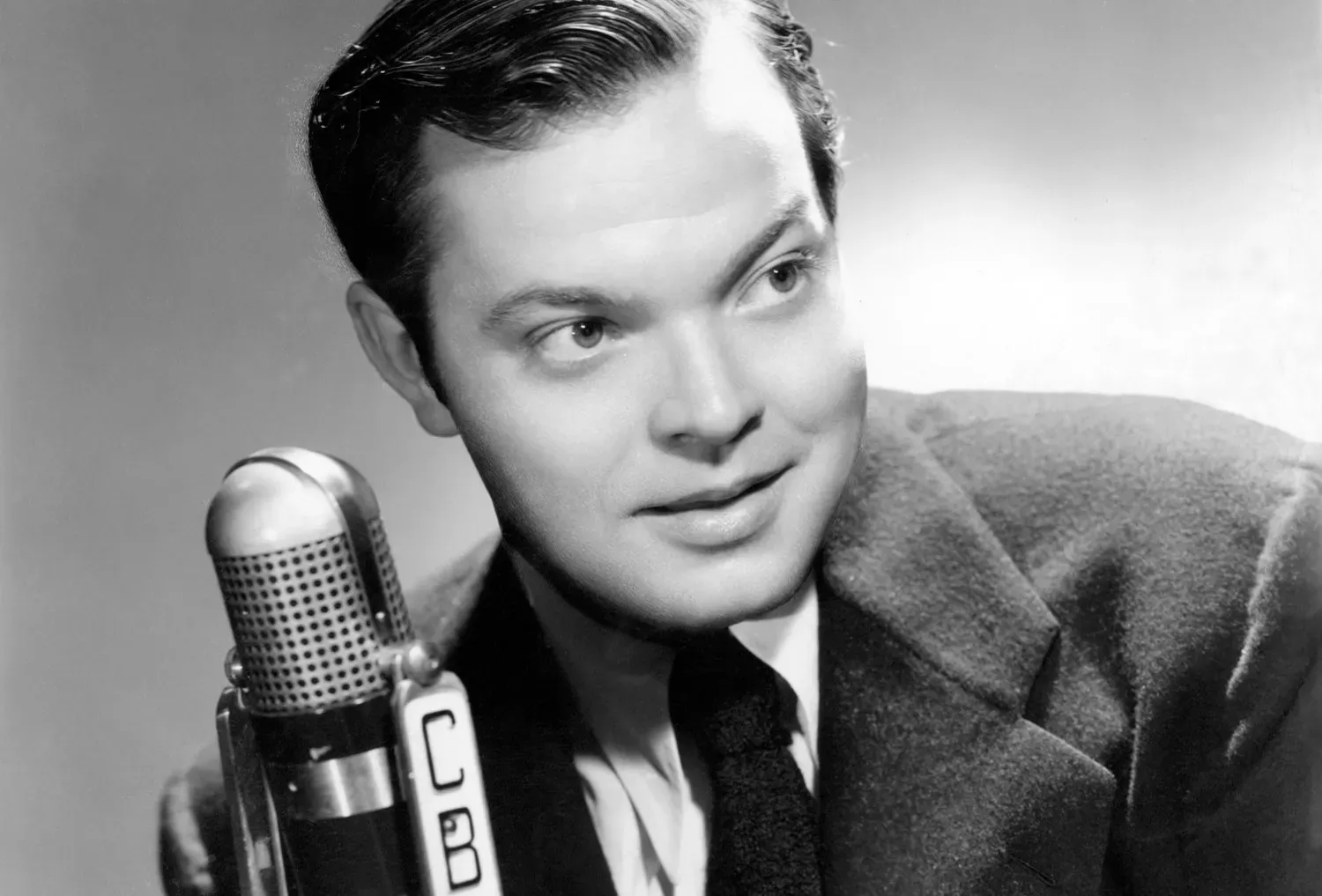
Citizen Kane sits near the top of nearly every all time greatest films list ever assembled, and it was Welles’s only Best Director nomination in his entire career. His technical innovation in Citizen Kane ensured the 1941 classic a place at the top of the American Film Institute’s 100 Years 100 Movies list, among many others, and it’s the only film that earned him a Best Director nomination.
The directing award that year went elsewhere. Though Citizen Kane is considered one of the greatest films of all time, Orson Welles lost the 1941 Best Director Oscar to John Ford and How Green Was My Valley. Welles did pick up a writing Oscar for the screenplay, and much later an honorary award, but the directing prize for his most famous work never came.
4. Akira Kurosawa and Seven Samurai
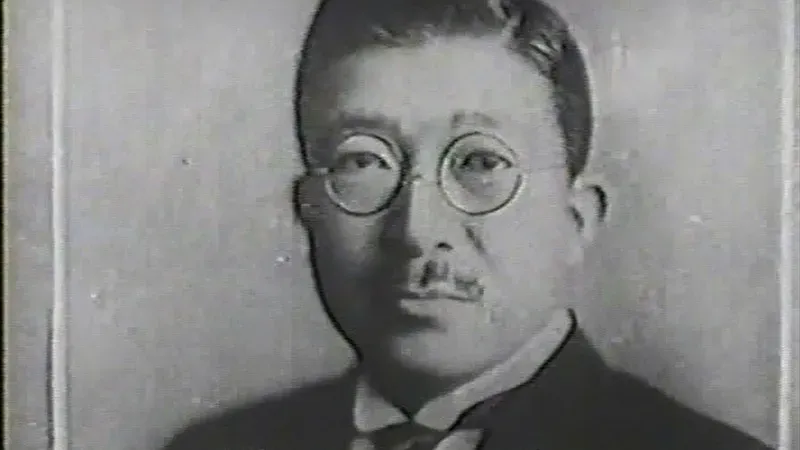
Seven Samurai has influenced filmmakers across generations and even inspired a Hollywood remake, yet it collected no Academy Award for Kurosawa’s direction. The epic adventure Seven Samurai received two Oscar nominations and was later remade as the classic Western The Magnificent Seven. Those nominations were in craft categories, not directing.
Kurosawa’s only competitive Best Director nomination came decades later, for an entirely different film. It seems almost shocking that it took until Akira Kurosawa released Ran in 1985 for him to earn an Oscar nomination for Best Directing. By the time the Academy gave him an honorary award in 1990, Seven Samurai had already been a global influence for well over three decades, entirely without a directing prize to its name.
5. Robert Altman and Nashville
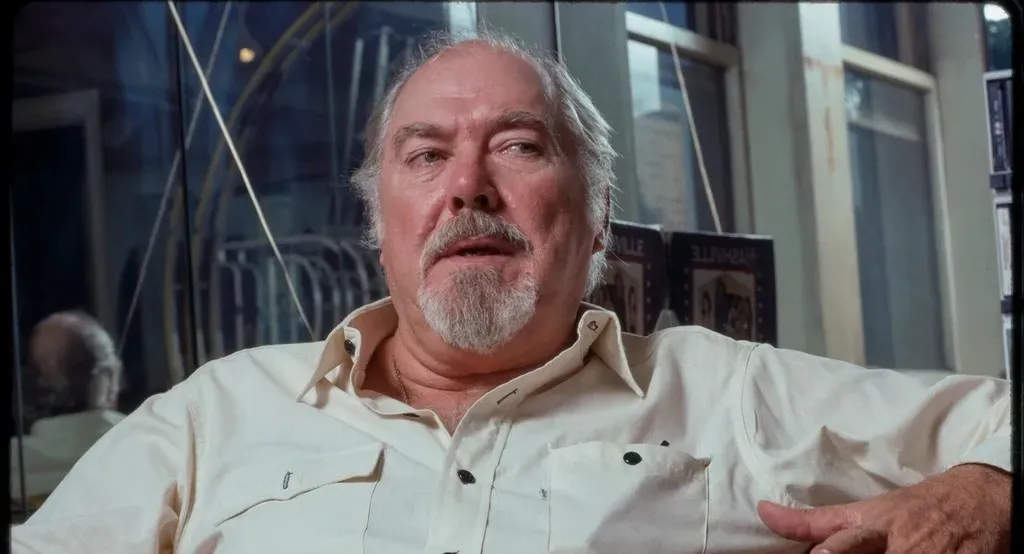
Robert Altman built a career on ensemble storytelling and loose, naturalistic structure, and Nashville is often considered the fullest expression of that style. Despite the acclaim, it never brought him a competitive Oscar. Robert Altman holds the record with seven nominations and zero wins.
Altman’s nominations spanned decades and multiple films, a testament to sustained critical respect that somehow never converted into a win. Robert Altman received his honorary Oscar in 2006 just months before his death. By then, Nashville had been part of the cinematic conversation for over thirty years without ever taking home the directing trophy it was so often cited as deserving.
Partner offer
6. Sidney Lumet and Network
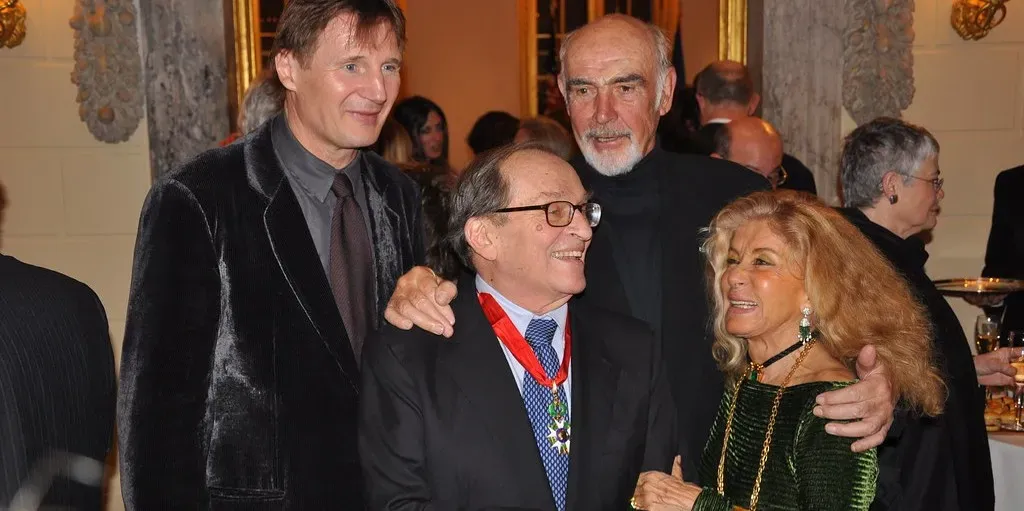
Lumet directed some of the sharpest, most quoted American films of the 1970s, and Network is frequently the one people point to first. It swept several major categories at the ceremony where it competed, yet the directing award slipped past him. Lumet was nominated for four Best Director Oscars, spanning quite a bit of time; in 1957, he received a nod for 12 Angry Men, and in between, he made Dog Day Afternoon and a little film called Network that won a ton of Oscars, but none of them went to Lumet, and the director passed away in 2011.
It’s a peculiar footnote for a film so thoroughly rewarded elsewhere. Network won multiple acting Oscars and a screenplay award, essentially validating everything Lumet had assembled on screen, minus the one credit that would have gone to him directly.
7. David Lynch and Mulholland Drive
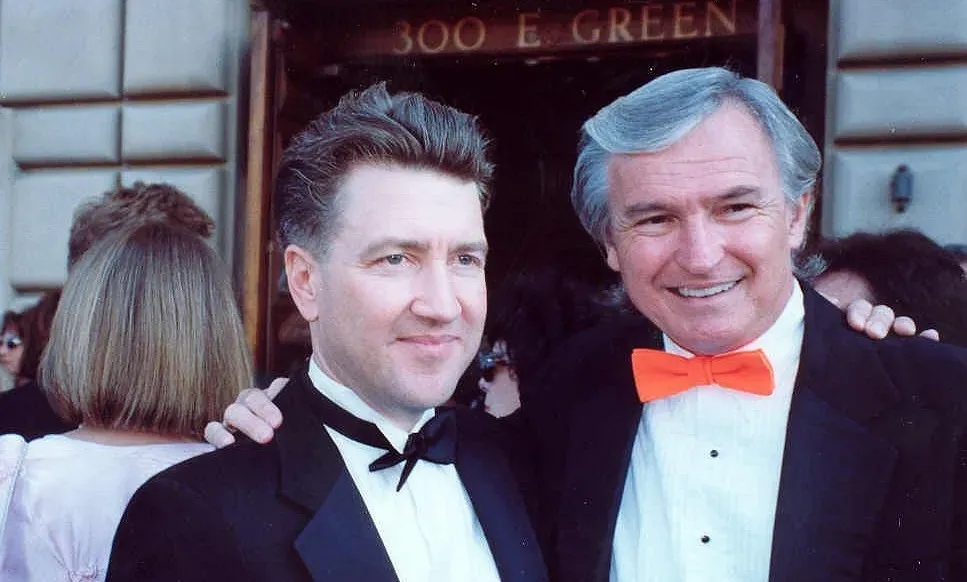
Lynch spent decades making films that critics and other filmmakers openly admired, often more than mainstream audiences did at the time. Mulholland Drive, released in 2001, has since become his most frequently cited masterwork, yet it never earned him a competitive directing award. Never won a Directing Oscar: Kubrick, Hitchcock, Godard, Welles, Kurosawa, Lynch, PTA, Chaplin, Tarantino, Cronenberg, Malick, Fellini, Bergman, Varda, Leone, Fincher, Altman, Hawks, Lumet, Herzog, Scott, Gilliam, Preminger, Cassavetes, Lang.
Lynch’s relationship with the Academy stayed distant throughout his career, a reflection perhaps of how uncompromising his work remained. David Lynch received an Honorary Award in 2019. That recognition arrived roughly eighteen years after Mulholland Drive, and it came in the form of a lifetime honor rather than a prize tied to the film itself.
8. Howard Hawks and Rio Bravo
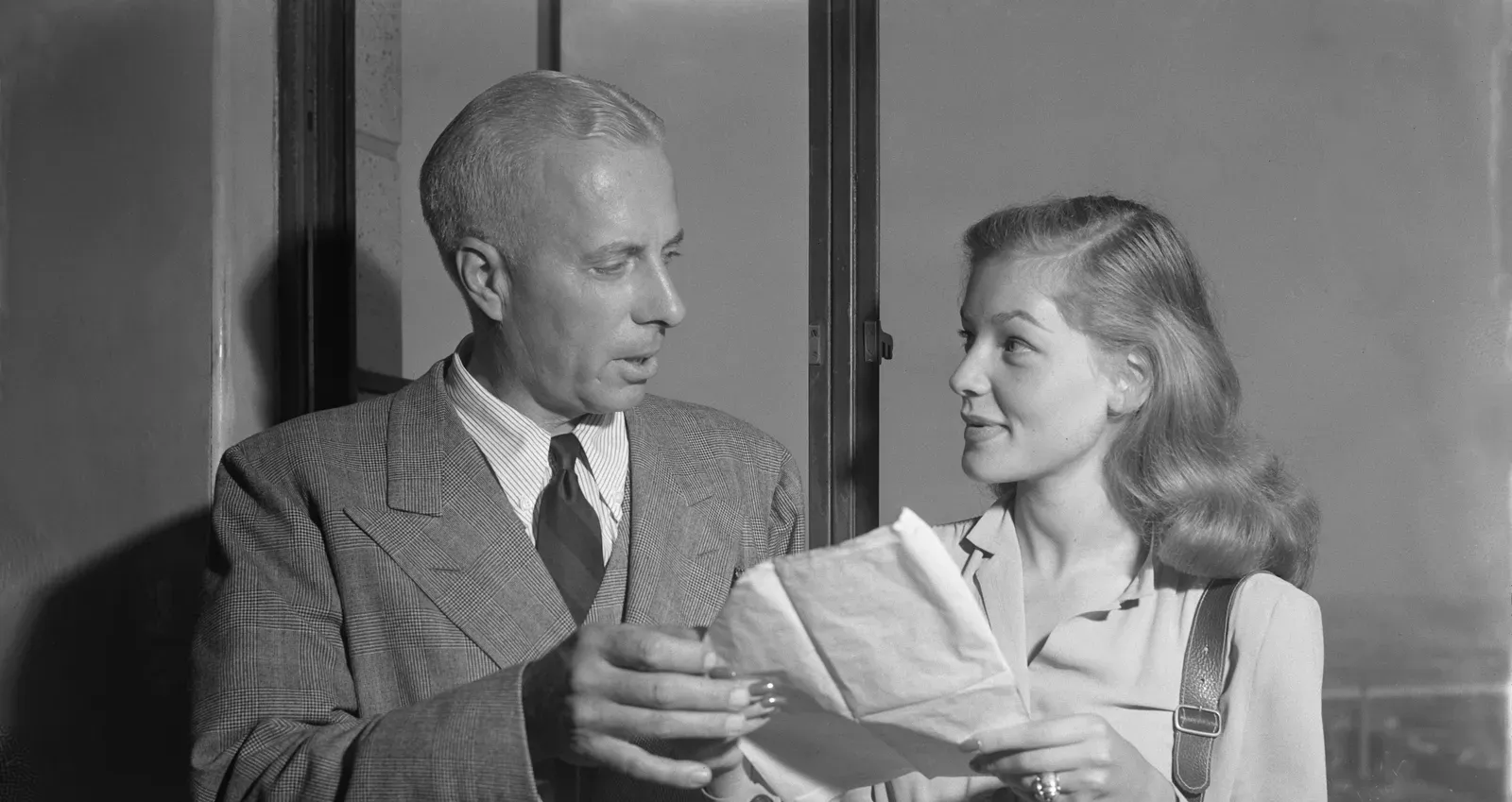
Hawks directed across nearly every genre imaginable, and Rio Bravo has aged into one of the most beloved and studied Westerns in American film. His single Best Director nomination, though, came for an entirely different picture years earlier. It’s shocking to think the director of films like His Girl Friday, Rio Bravo, Bringing Up Baby, the original Scarface, and who influenced directors like Martin Scorsese, Quentin Tarantino, and Michael Mann, never won a Best Director Oscar; he was nominated for his work on Sergeant York but lost to John Ford for How Green Was My Valley.
Rio Bravo, released in 1959, never factored into that equation at all. Hawks eventually received an honorary Oscar, arriving long after critics and later filmmakers had already cemented Rio Bravo’s reputation without any help from an awards body.
9. Martin Scorsese and Goodfellas
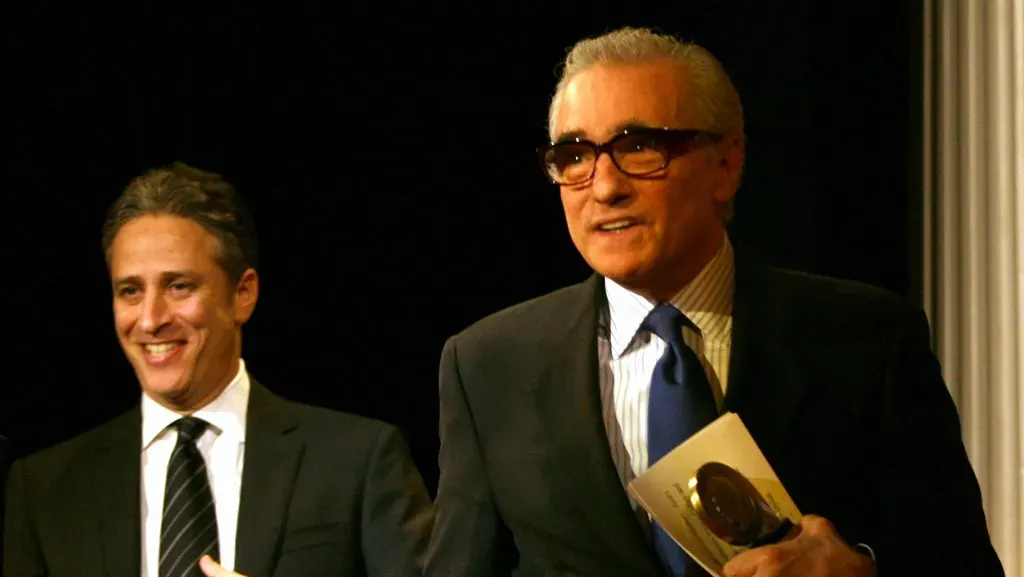
Scorsese’s relationship with the Academy has been complicated for decades, and Goodfellas sits at the center of that story. As it stands, he has that lone Best Director win, not for Goodfellas or Raging Bull, but for 2006’s The Departed. Taxi Driver never even received a directing nomination, and Raging Bull lost in a widely debated decision.
The pattern held for years before finally breaking, and even then not for the film most critics point to as his defining work. Firstly, for 1980’s Raging Bull, which lost Picture and Director to Ordinary People and Robert Redford, then there’s Scorsese again losing to an actor-turned-director in 1991, Goodfellas and Scorsese were beaten by Kevin Costner’s Dances With Wolves. Scorsese finally won for The Departed in 2007, a fine film by most accounts, but rarely the one placed above Goodfellas on any serious ranking of his career.
These nine cases are a reminder that awards ceremonies capture a single night’s consensus, not the long verdict of film history. The films that missed out on trophies at the time have, in most cases, only grown in stature since, outlasting the ceremonies that overlooked them and the competitors that beat them. It says something about how these industries work that the honor and the legacy so often arrive on separate schedules.Partner offer
Planning a trip to Vegas?
Compare hotel rates and show tickets on VEGAS.com.