A critic’s verdict can feel permanent when it’s printed, framed on a poster, and repeated for decades. Yet films keep getting watched by new people, and those people bring their own values, expectations, and knowledge of what happened behind the camera.
The eight movies below were celebrated by reviewers or awards bodies in their day. Some are still held up as landmarks, while others now spark real arguments over craft, politics, or ethics. Each one shows how much a reputation can shift.
Gone with the Wind (1939)
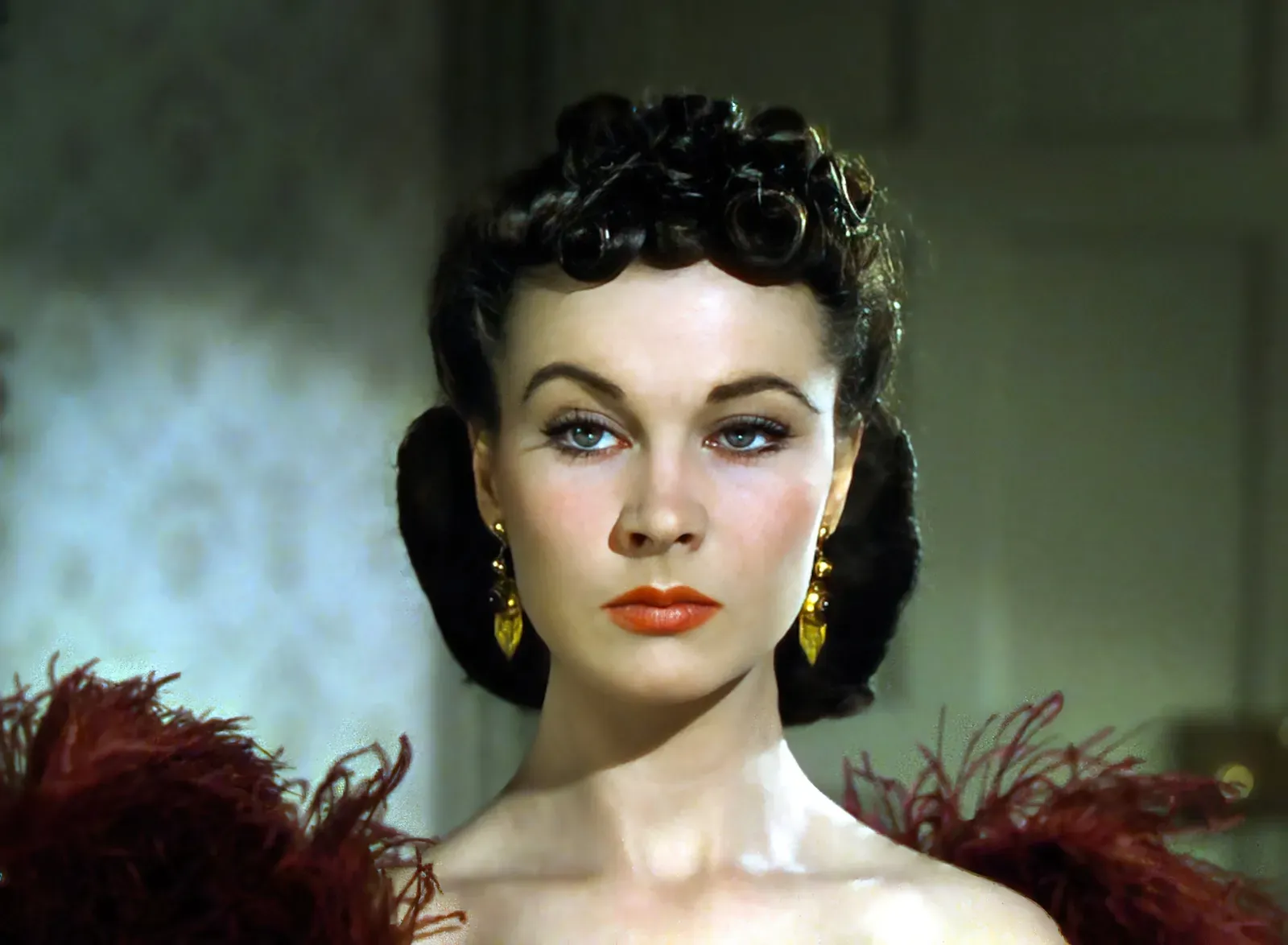
This Civil War epic swept the Academy Awards in a big way. Hattie McDaniel became the first Black performer to win an Oscar for her supporting role, and the film’s scale and Technicolor spectacle set a benchmark for Hollywood.
Today the debate centers on how it presents slavery and the antebellum South. In June 2020, HBO Max temporarily removed it from its catalog, then brought it back with added historical context, including a discussion by film scholar Jacqueline Stewart. Many viewers still admire the filmmaking, though fewer accept its romantic view of the Confederacy.
The Birth of a Nation (1915)
D.W. Griffith’s silent epic is often credited with pushing forward film language, including cross cutting, large scale battle staging, and a feature length narrative structure. Early audiences flocked to it, and it helped prove that cinema could be a major commercial art form.
The film is also based on The Clansman, and it glorifies the Ku Klux Klan. The NAACP organized protests against it when it was released, and historians link it to the Klan’s revival in the following years. Film schools still teach it for technique, but usually with a firm warning about its content.
Citizen Kane (1941)
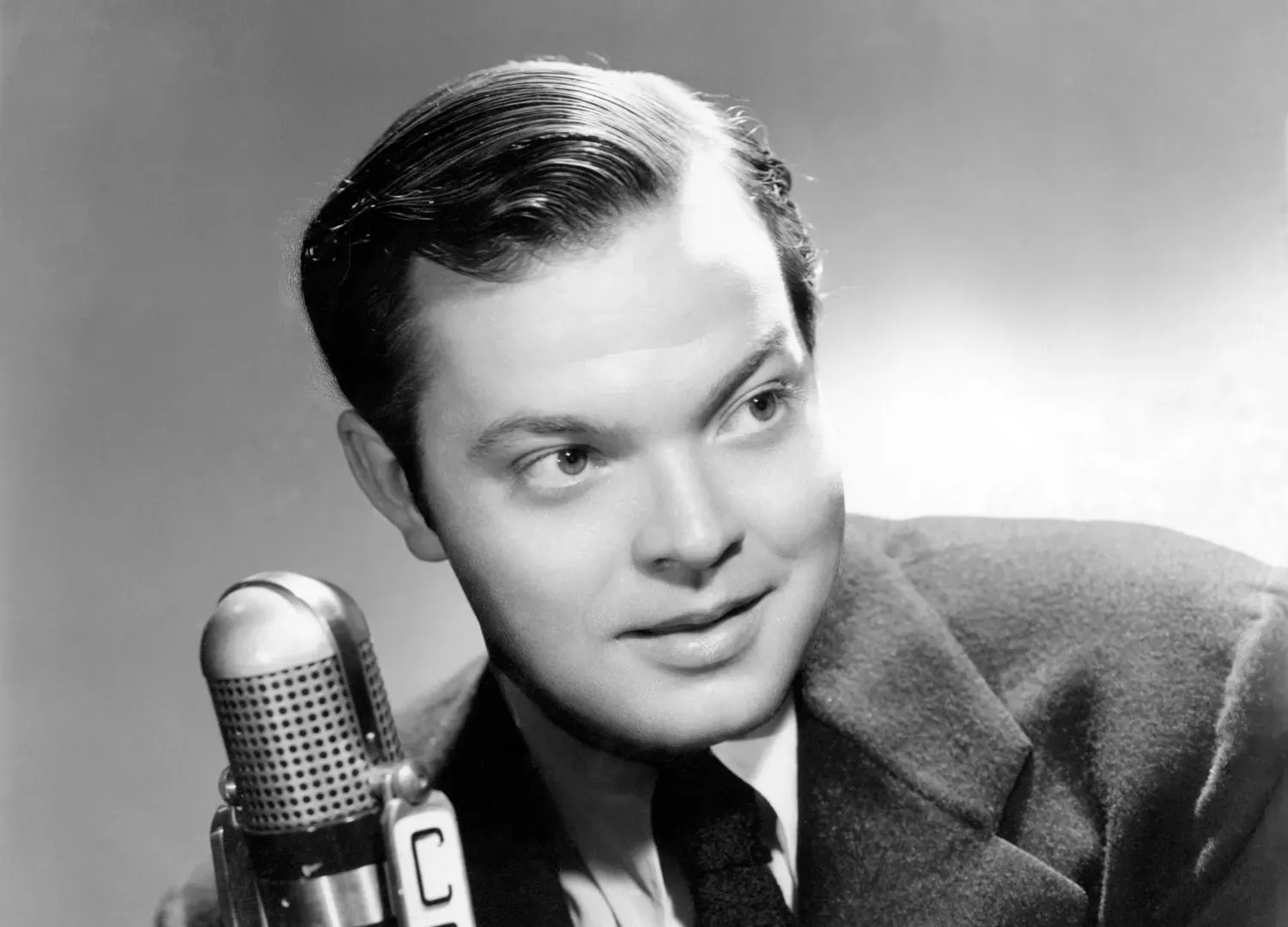
For decades, Orson Welles’s debut sat at the top of the Sight and Sound critics’ poll, holding first place from 1962 through the 2002 edition. Its deep focus photography, overlapping dialogue, and fractured storytelling changed how directors thought about structure.
Modern audiences can be less impressed. Some find it cold or slow, and viewers who’ve already seen its many imitators may not sense how radical it once was. In the 2022 poll it slipped to third place, which says something about how critical taste keeps moving.
Vertigo (1958)
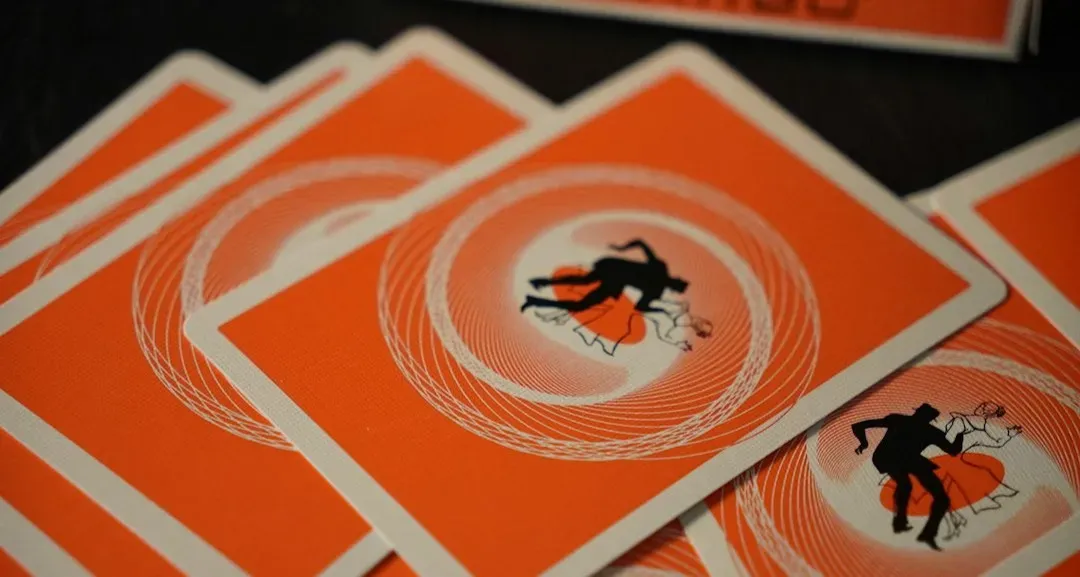
Alfred Hitchcock’s psychological thriller got a mixed reception on release, and it wasn’t seen as his greatest work at the time. Over the following decades its reputation climbed until it topped the Sight and Sound poll in 2012, ending Kane’s long run.
Partner offer
Audiences still split on it. Admirers see a haunting study of obsession and identity, while others find the pacing sluggish or the story’s treatment of its female lead troubling. Its dreamlike style rewards patience, but not everyone wants to give it.
Annie Hall (1977)
Woody Allen’s romantic comedy won four Academy Awards, including Best Picture, Best Director, Best Actress for Diane Keaton, and Best Original Screenplay. Critics loved its fourth wall breaks, its nonlinear structure, and its sharp, neurotic humor. It also famously beat Star Wars for the top prize.
Allen’s later personal controversies, including allegations made by Dylan Farrow, which he has denied, changed how many people feel about watching his work. Some viewers separate the film from its maker, and others simply can’t. The result is a beloved comedy that now comes with an asterisk for many.
Manhattan (1979)
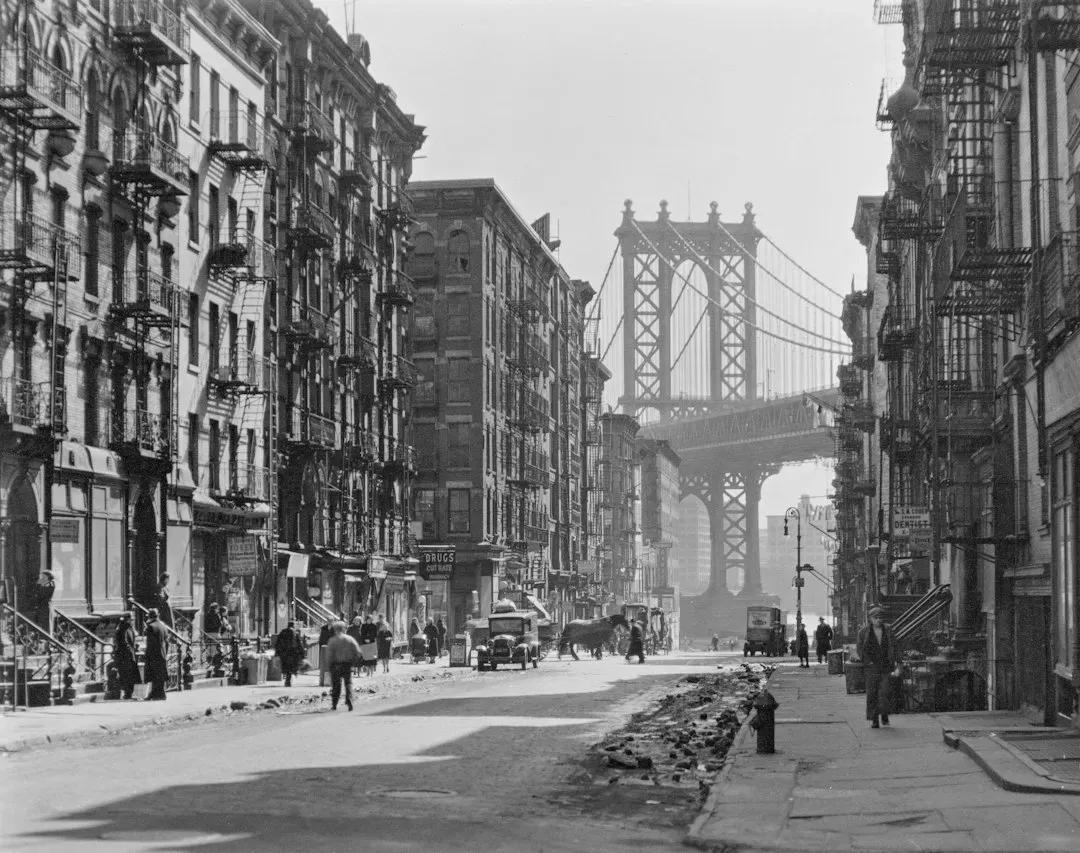
Also from Woody Allen, this black and white love letter to New York was praised for Gordon Willis’s cinematography and the Gershwin soundtrack. Mariel Hemingway earned an Oscar nomination for her supporting role.
The central relationship, between a man in his forties and a high school student, reads very differently now than it did in 1979. Many contemporary viewers find it hard to get past that plot, however gorgeous the visuals. It’s a clear case of a film’s craft and its subject matter pulling in opposite directions.
Last Tango in Paris (1972)
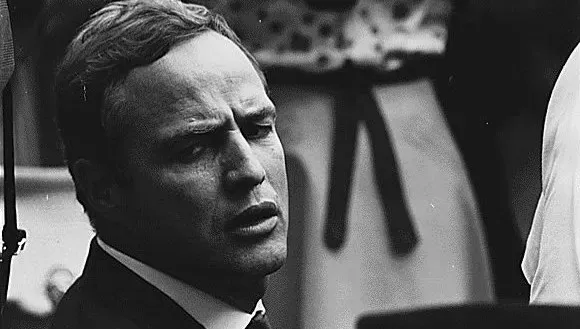
Bernardo Bertolucci’s drama, starring Marlon Brando and Maria Schneider, was hailed by influential critics as a landmark of adult cinema. Brando’s performance earned an Oscar nomination, and the film was treated as a serious artistic event.
Its reputation changed as Schneider’s experience came to light. She said she was not fully prepared for the infamous butter scene, and when Bertolucci discussed it in an interview that resurfaced in 2016, renewed criticism followed. Many viewers now see the film as inseparable from questions about consent on set.
A Clockwork Orange (1971)
Stanley Kubrick’s dystopian satire won the New York Film Critics Circle awards for Best Film and Best Director. Critics admired its bold visual design, its use of classical music, and its cold, ironic view of state control and violence.
Yet it has always been divisive. Kubrick himself withdrew the film from distribution in Britain in the 1970s, and it didn’t return there until after his death in 1999. Some audiences still see a sharp satire, while others find the violence and its stylish presentation hard to defend.
Partner offer
Planning a trip to Vegas?
Compare hotel rates and show tickets on VEGAS.com.