Most people picture an Oscar winner as someone who carries a film from the first scene to the last. Plenty of trophies have gone to actors who barely seem to be in the movie at all.
The record books on this are a little untidy. Screen time is counted by hand, and different outlets land on slightly different totals. The figures below come from published tallies, and I’ve flagged where they disagree.
Beatrice Straight in Network

Straight won Best Supporting Actress as Louise Schumacher in Sidney Lumet’s 1976 satirical drama Network. She holds the title for the shortest Oscar winning performance.
The exact length depends on who’s counting. One tally gives five minutes and 40 seconds, while another puts it at five minutes and two seconds. Either way, it’s a little over five minutes.
Why Her Scene Worked

Straight’s time on screen is built around one scene. Almost four of those minutes are a single soliloquy, delivered after her character learns her husband is having an affair with a much younger woman.
That is why the performance sticks, even though it’s brief. She was one of three Oscar winners in the cast, alongside Faye Dunaway and Peter Finch, who won posthumously.
Judi Dench in Shakespeare in Love
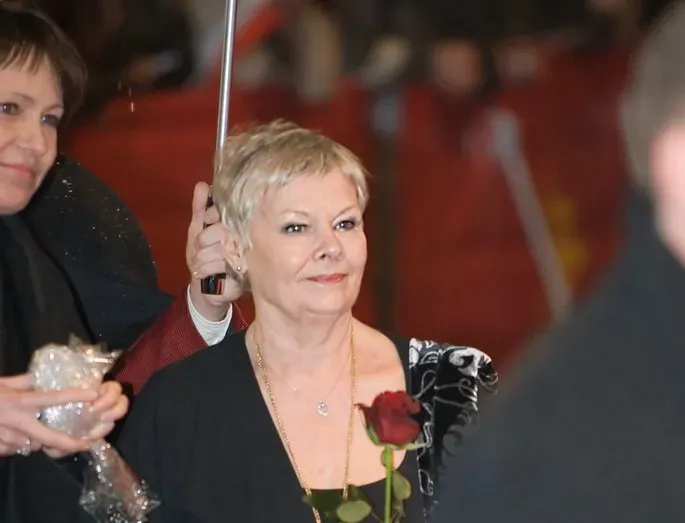
Dench plays Queen Elizabeth I in Shakespeare in Love and appears for only about eight minutes. The Best Supporting Actress win came at the 1999 ceremony.
Dench herself joked about the brevity when she accepted the award. Not every count agrees with the eight minute figure, though. WatchMojo says her screen time was closer to six minutes.
Gloria Grahame in The Bad and the Beautiful
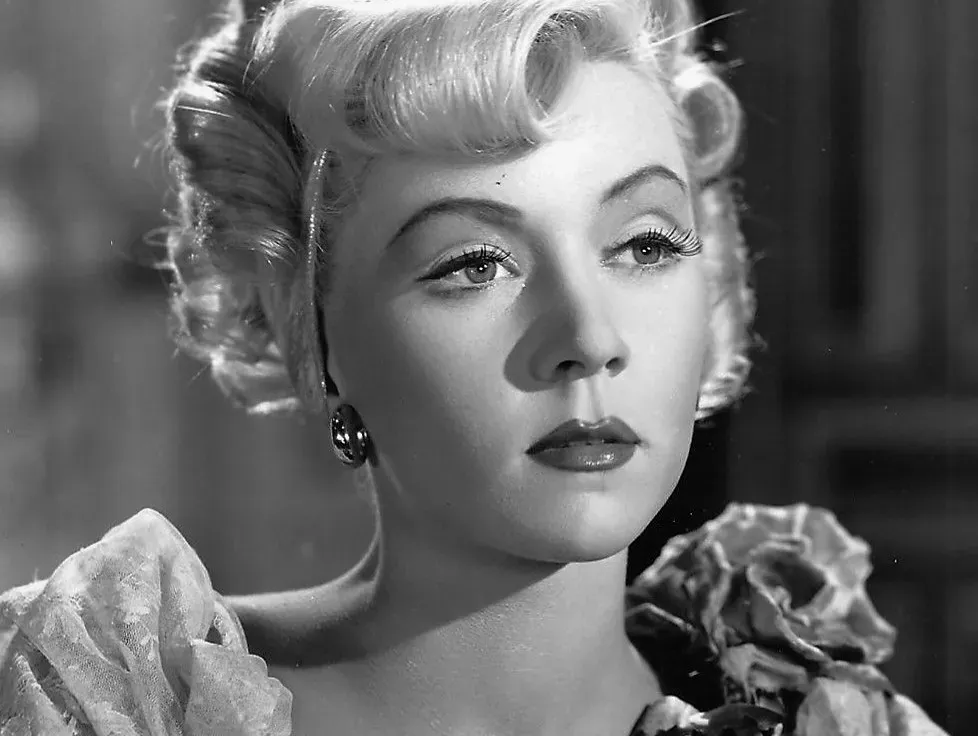
Grahame won Best Supporting Actress for her role as Rosemary in Vincente Minnelli’s The Bad and the Beautiful, appearing for just nine minutes and 32 seconds.
She held the record for the shortest winning performance for 25 years, until Beatrice Straight took it in 1977. It was the first time an actor had won with so little screen time.
Partner offer
Anthony Quinn in Lust for Life
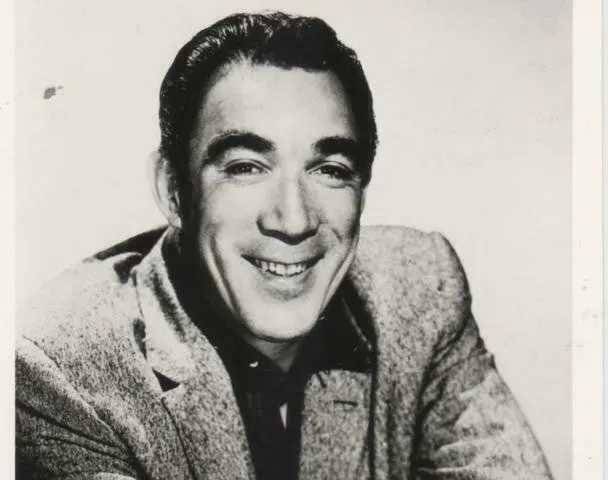
Quinn tied Dench’s total, at about eight minutes. He won for playing a painter in Lust for Life, a 1956 fictionalized biopic of Van Gogh based on the letters Van Gogh wrote to his brother.
His part is a clear case of a supporting role that registers well beyond its length. Biographical roles like this one often leave a stronger mark than the minutes would suggest.
Gale Sondergaard in Anthony Adverse
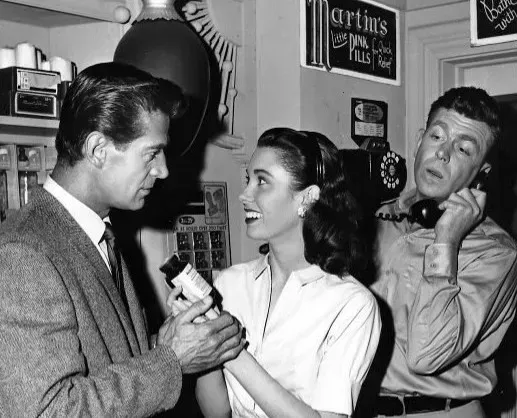
Sondergaard’s win goes back to the 1930s. WatchMojo lists her Anthony Adverse performance from 1936 at 13 minutes and 34 seconds.
By that same account, she kept the record for the shortest Oscar winning performance for over 15 years. That makes her the first holder of the title, before Grahame.
Ingrid Bergman in Murder on the Orient Express

Bergman’s win for Murder on the Orient Express is listed at 14 minutes and 18 seconds. That puts her in a small group of winners who took the award with less than a quarter of an hour.
Only eight actors have won an Academy Award for less than 20 minutes on screen, according to Far Out, and Bergman is one of them. The same list includes Anthony Hopkins and Anne Hathaway.
Anthony Hopkins in The Silence of the Lambs
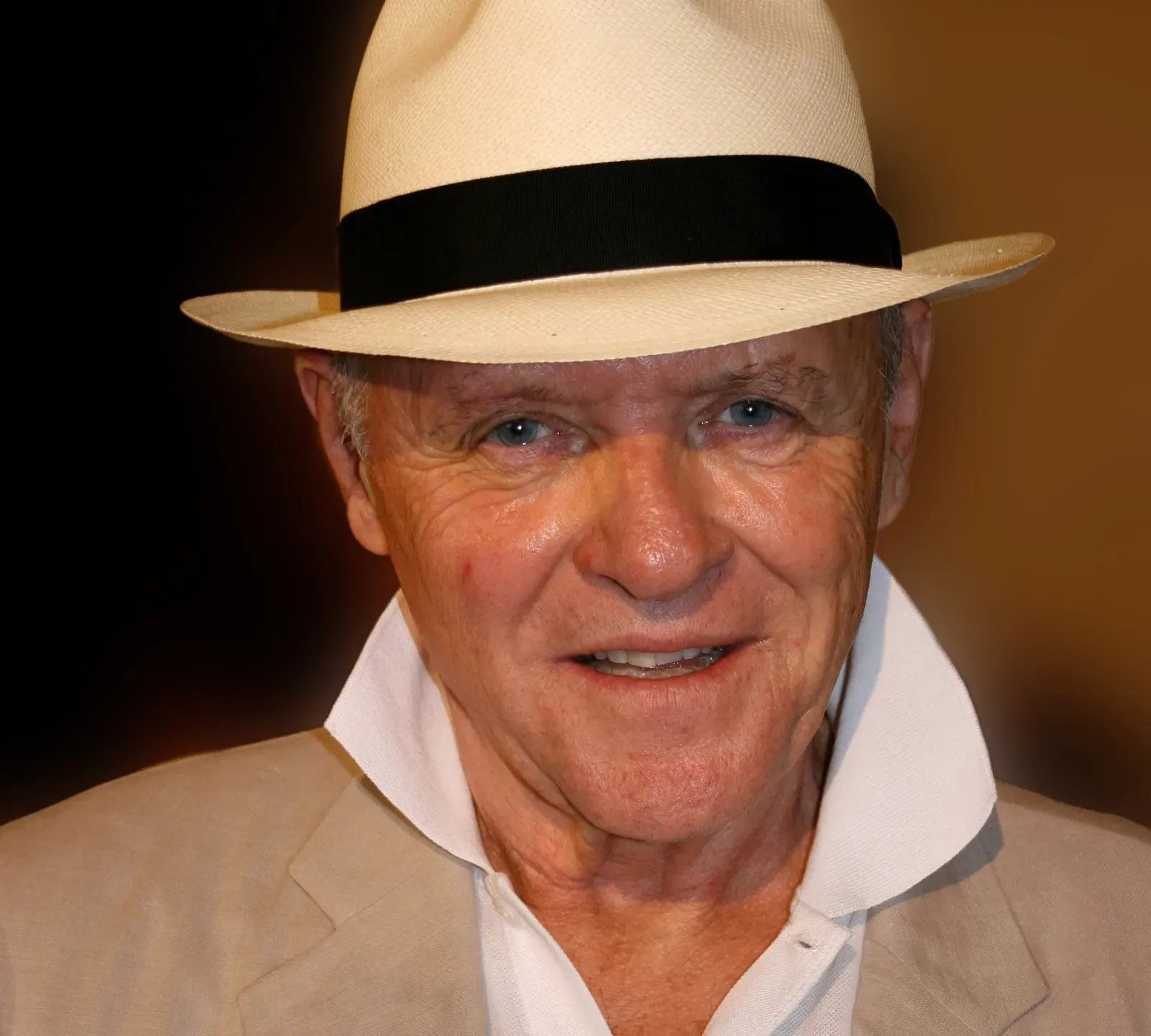
Hopkins is the best known case, partly because he won a lead award. He was recognized for only about 16 minutes of screen time as Hannibal Lecter. The Best Actor win came in 1992.
Counts vary here too. WatchMojo says he was on screen for under 25 minutes, and Emanuel Levy’s site says 20 minutes. The commonly cited figure is still about 16 minutes. He won again in 2021 for The Father.
How These Winners Compare With the Norm

It helps to know what a typical winner looks like. Most Oscar winning lead performances run roughly 60 to 120 minutes, while supporting winners often appear for about 20 to 40 minutes.
Against that range, the performances above are far outliers. Jack Palance, for City Slickers in 1991, is listed at 12 minutes and 24 seconds. The shortest of all remains Straight’s in Network, at somewhere between five and six minutes.
Partner offer
Planning a trip to Vegas?
Compare hotel rates and show tickets on VEGAS.com.