Today a film arrives at most theaters as a digital file and starts on a schedule. For most of cinema’s history, a person in a small room behind the audience made every screening happen. That person handled heavy metal reels, hot lamps and tight timing, and was rarely seen.
The job mixed mechanics, caution and showmanship. Here is what projectionists did on an ordinary day before digital took over.
Inspecting and Assembling the Print
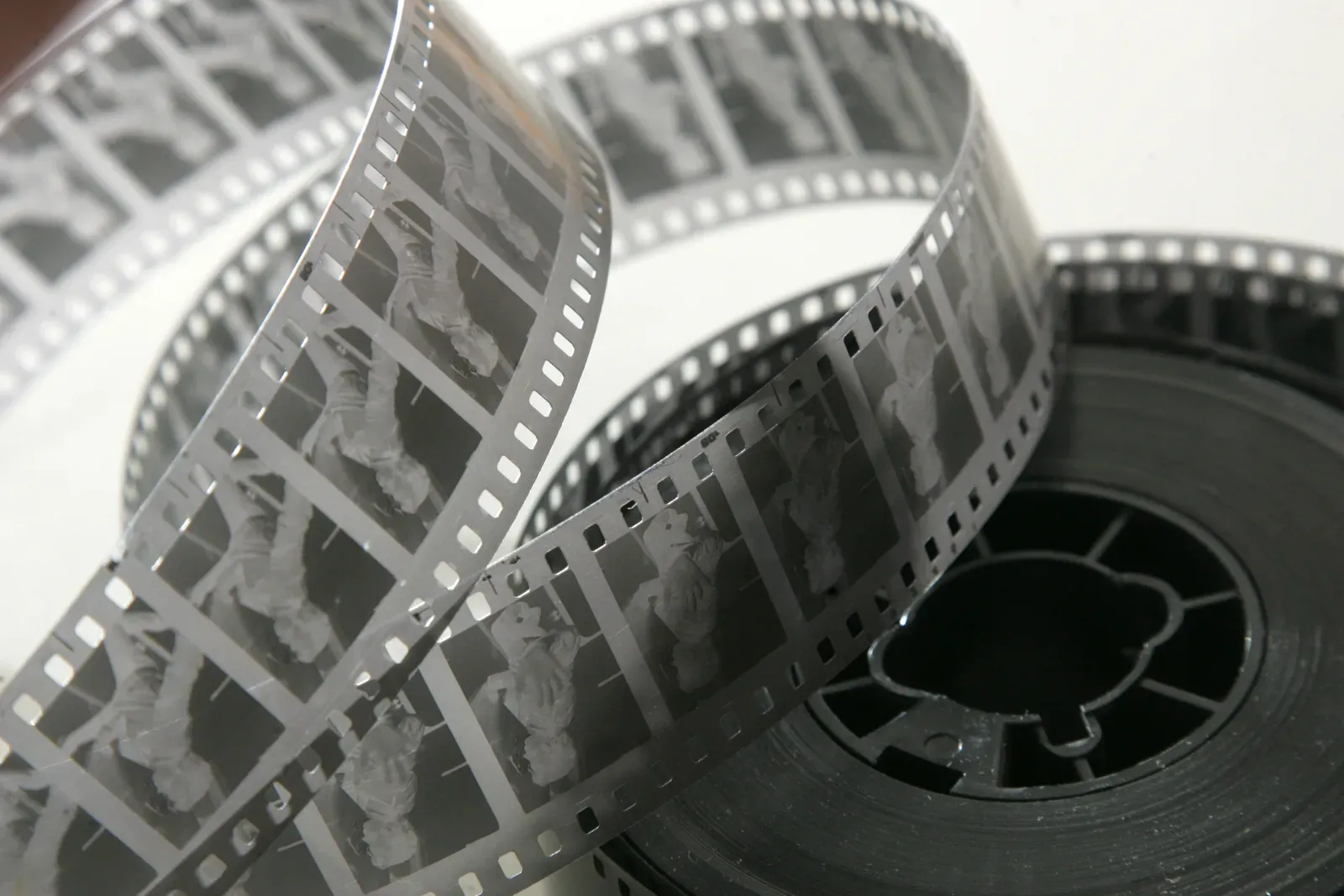
A feature film usually reached the theater in several metal cans, each holding one reel. A standard reel ran roughly twenty minutes, so a typical movie came on five or six of them. The projectionist checked each can against the shipping paperwork to make sure nothing was missing.
Before showtime, the reels were joined into larger ones, a step called making up the program. The projectionist wound film on a rewind bench and checked for torn sprocket holes, loose splices and dirt. Trailers and ads were spliced onto the same reels, so a bad splice could stop the show in front of a full house.
Threading the Projector
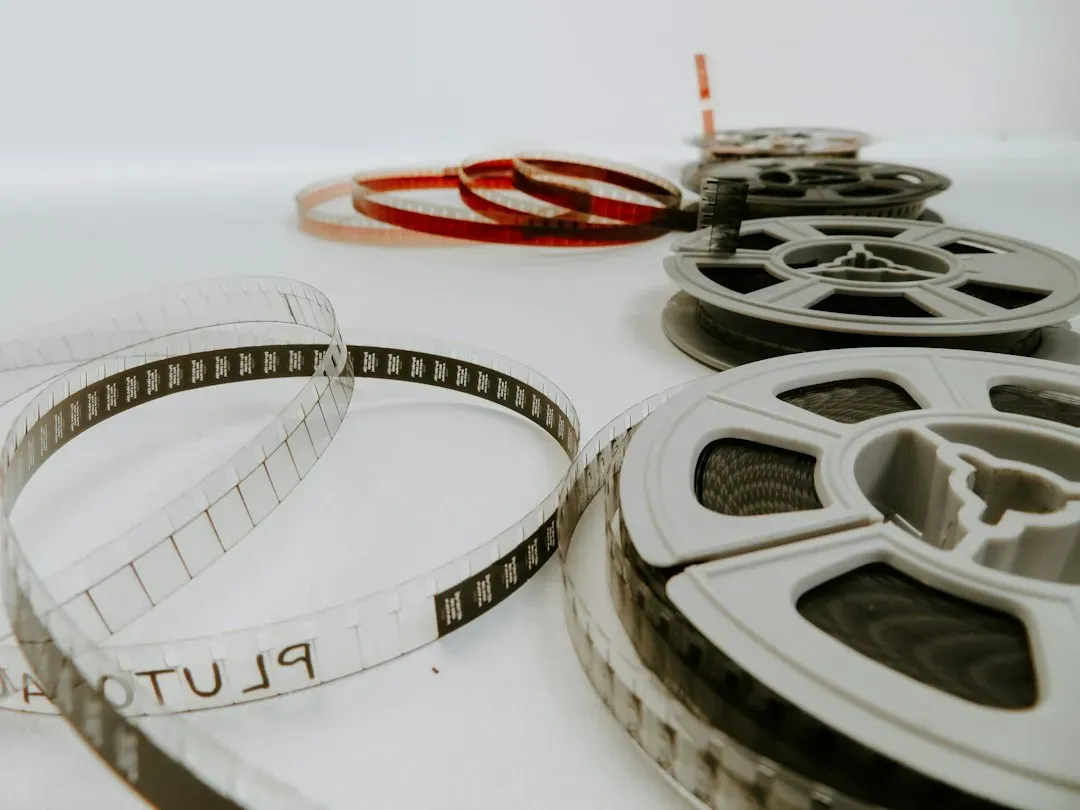
Threading meant guiding film along a precise path through sprockets, rollers and the gate. The gate is the spot where each frame stops for a split second in front of the light. Film had to leave small loops above and below the gate, or the strip could tear under the strain.
Most projectionists learned to thread by feel because the booth was dim and time was short. A mistake could scratch the print or throw the picture out of focus. Checking the threading was a ritual before every show.
Running Two Projectors and the Changeover
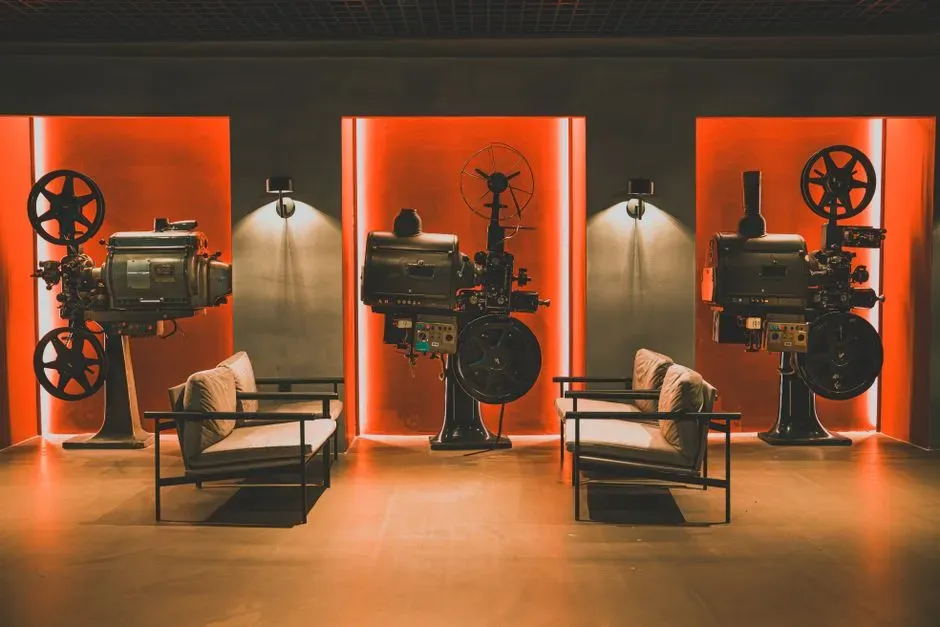
In traditional booths, two projectors stood side by side. While one ran a reel, the other was loaded with the next. Because a single reel held only about twenty minutes, the projectionist had to swap machines several times during a feature.
Small marks called cue dots appeared in the upper right corner of the picture near the end of each reel. The first dot warned that the change was close, and the second signaled the moment to switch. Done well, the audience noticed nothing. Done badly, they saw a flash of white or a few seconds of darkness.
Tending the Light Source
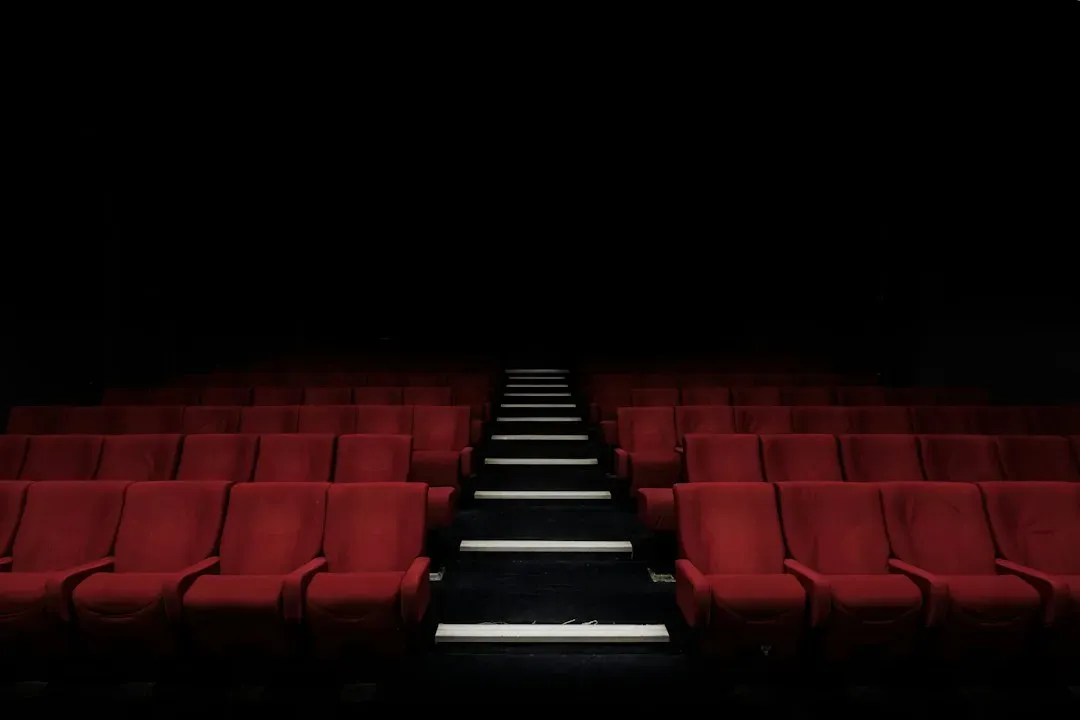
Early theaters used carbon arc lamps, which produced a very bright light between two carbon rods. The rods burned away as they were used, so the projectionist had to keep adjusting them to hold the gap and the brightness steady. The lamphouse got hot, and the fumes needed proper ventilation.
Later, xenon lamps replaced carbon arcs in many theaters. They were more stable and needed far less hands-on adjustment. Even so, bulbs still had to be changed, and a cooling system had to be kept working.
Partner offer
Managing the Fire Risk
Early film stock was made of cellulose nitrate, which is highly flammable. Fire safety shaped the design of the booth, which typically had fireproof construction, small ports for projecting and viewing, and shutters that could close in an emergency. Projectionists were trained to handle film carefully and to keep the booth tidy.
Safety film, made on acetate, gradually replaced nitrate in the middle of the twentieth century. This lowered the danger, though the lamps and mechanics still demanded attention. Booth rules and licensing requirements stayed in place in many places for years afterward.
Handling Sound and Picture Quality
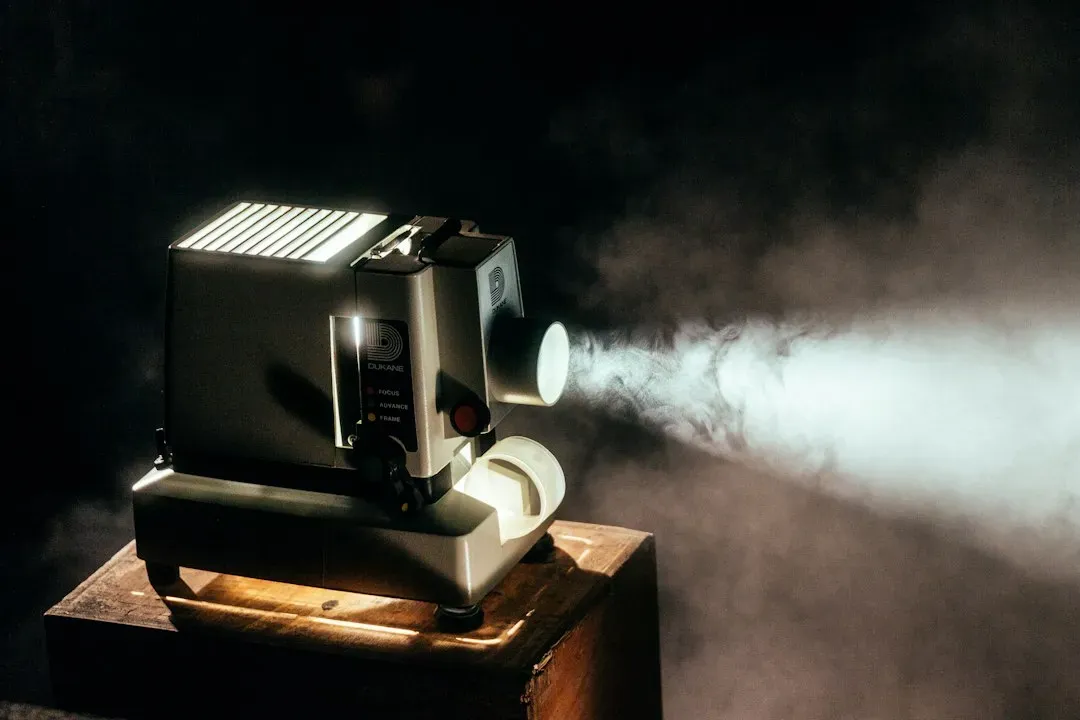
The projectionist also managed sound. Film carried its soundtrack in an optical strip along the edge, or on separate discs in the early sound era. The projectionist set the volume and watched the sound equipment through the show.
Picture quality was their job too. They adjusted focus, framing and brightness, and corrected the position of the picture if it drifted up or down on the screen. A good projectionist could tell a problem from the sound of the machine before the audience saw it.
Maintenance and Print Care
Projectors were mechanical, and they needed regular oiling and cleaning. Dust and film emulsion built up in the gate and could scratch a print. Projectionists cleaned the path, checked lenses and replaced worn parts.
They also looked after the film itself. When a print came back damaged, they repaired splices and noted problems for the distributor. Prints were passed from theater to theater, so careless handling at one house showed up at the next.
Union Work and Training
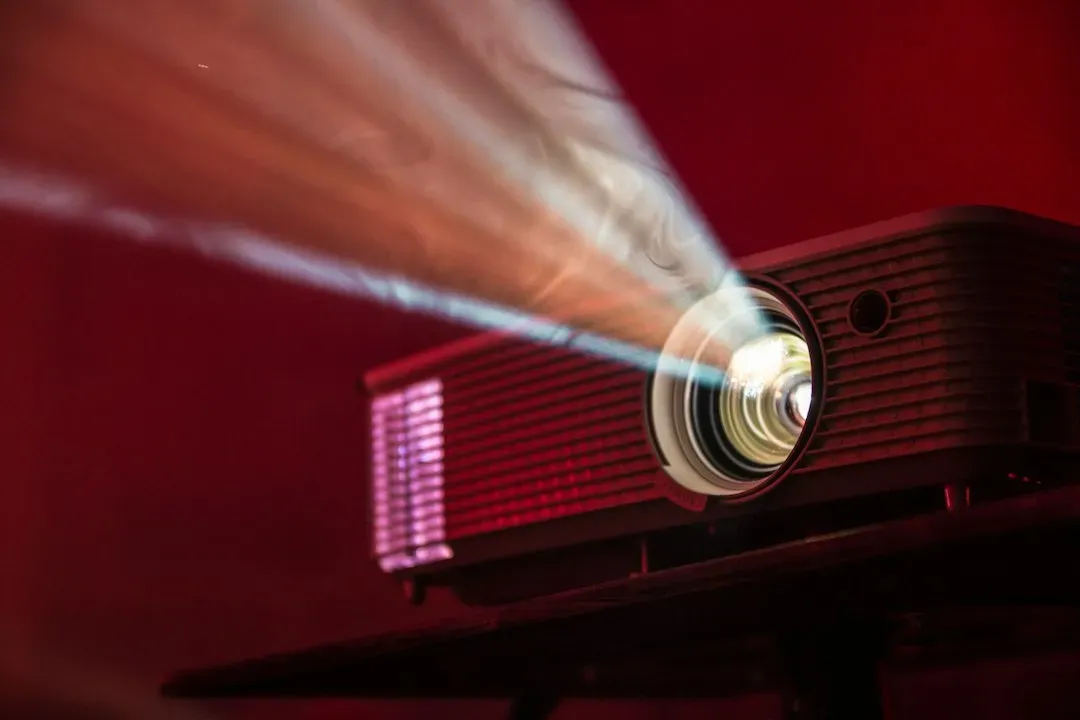
In the United States, many projectionists were members of the International Alliance of Theatrical Stage Employees, known as IATSE. Training often came through apprenticeship, with a newcomer learning beside an experienced operator. Some places also required a license.
The work changed with the rise of multiplexes in the 1970s. Platter systems let a whole movie sit on one horizontal stack of film, so a single projector could run it without changeovers. One projectionist could then look after many screens, which reduced the number of people needed.
The Shift to Digital and What Remains
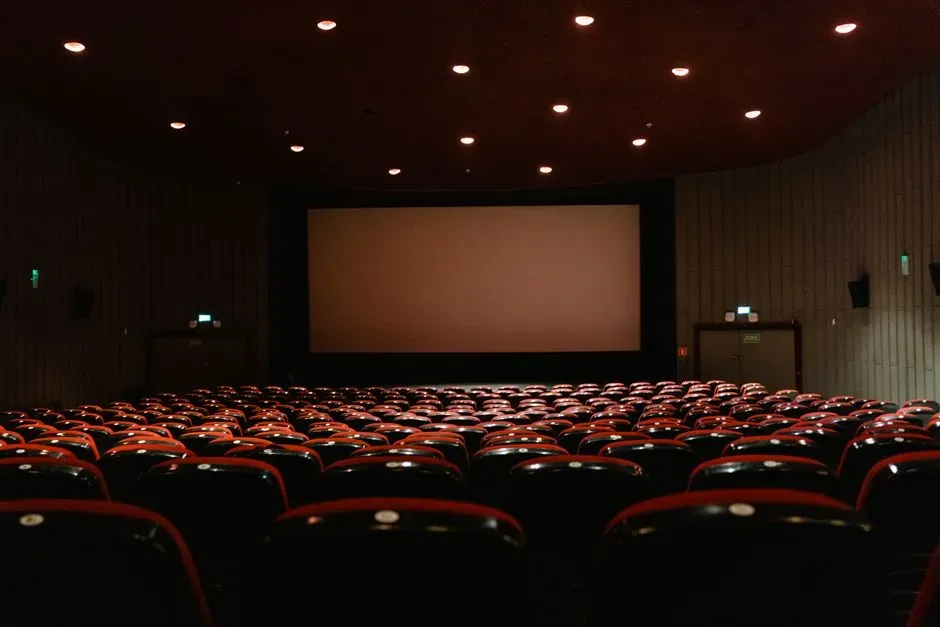
The move to digital cinema accelerated in the 2000s and early 2010s, as studios stopped making large numbers of film prints. Theaters that couldn’t afford the new equipment often closed or converted with outside financing. Digital files, delivered on drives or by satellite, replaced the reels.
Film hasn’t vanished entirely. Some theaters and festivals still run 35mm and 70mm prints, and the 2023 release of Oppenheimer in 70mm IMAX renewed interest in the format. In those venues, the old skills of threading, focusing and timing are still part of the show.
Partner offer
Planning a trip to Vegas?
Compare hotel rates and show tickets on VEGAS.com.