Putting a name on a book feels like the most basic thing an author does. For centuries, though, plenty of writers chose otherwise, whether out of modesty, social pressure, or plain caution. Some of the most famous novels in English were first sent into the world with no author credited at all.
The reasons varied from one book to the next. A few authors worried about reputation, while others wanted the work judged on its own terms. Here are eight classics that first appeared without their creators’ names.
Frankenstein by Mary Shelley
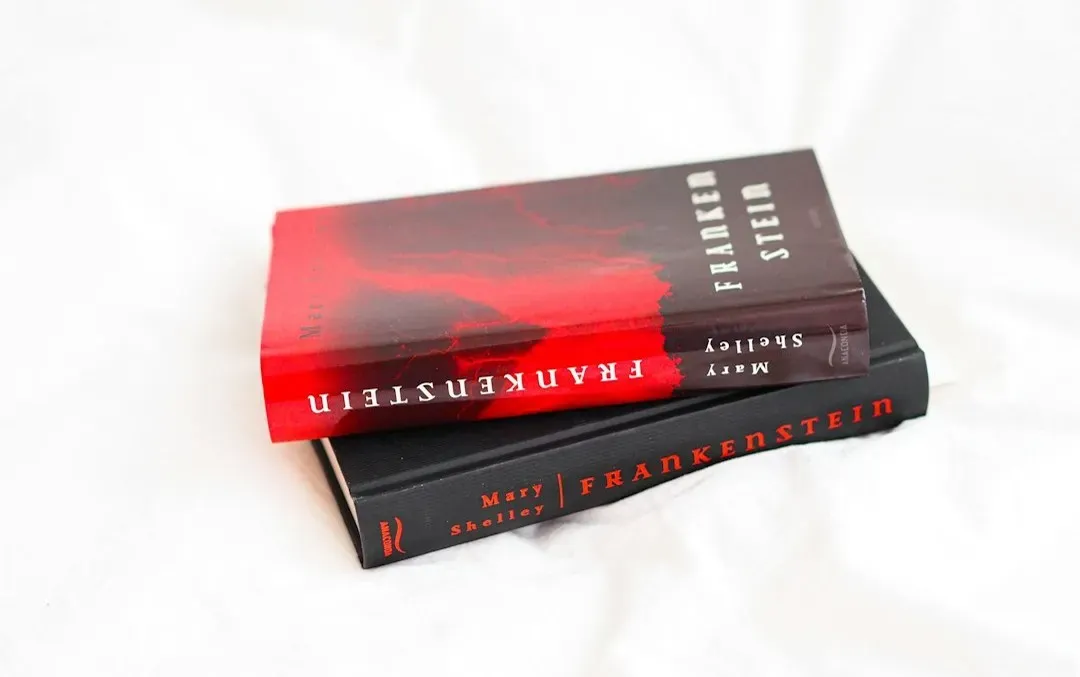
Frankenstein came out in London in 1818 in three volumes, and the title page carried no author’s name. The book included a preface written by Percy Bysshe Shelley, which led many early readers to assume he had written the novel himself.
Mary Shelley’s name appeared on the second edition in 1823. The novel was published when she was still in her early twenties, and the anonymity probably reflected how risky it was for a young woman to publish such a dark, unusual story.
Pride and Prejudice by Jane Austen
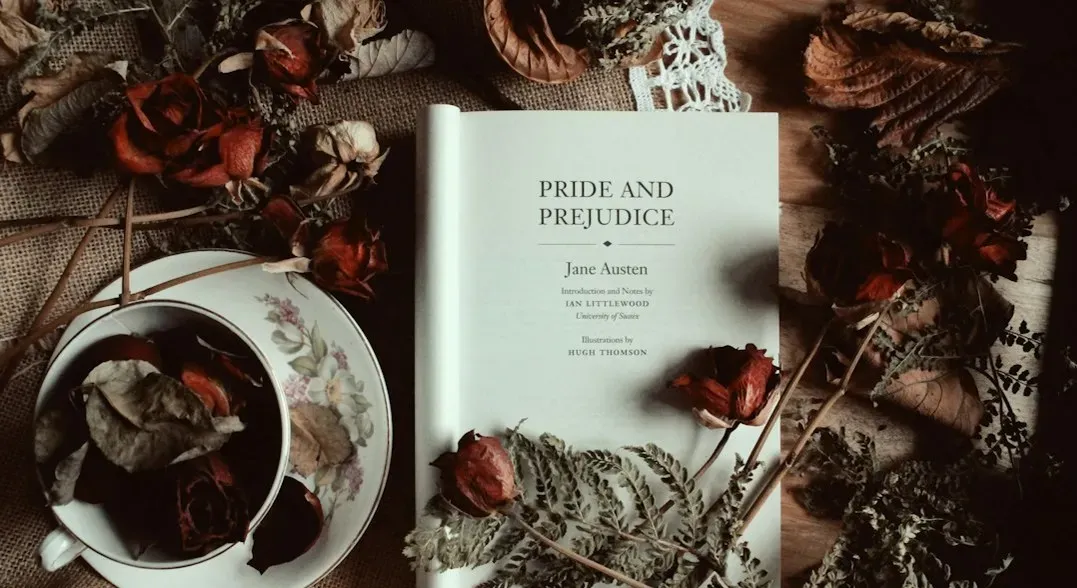
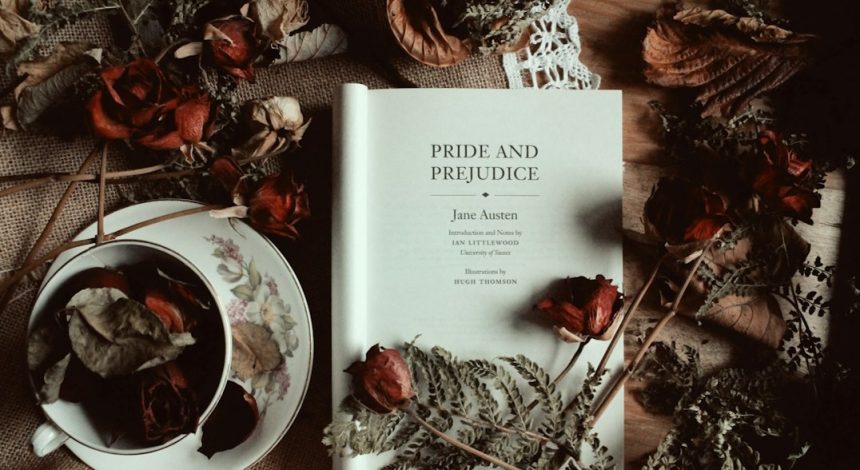
Jane Austen’s novels were published during her lifetime without her name. Pride and Prejudice appeared in 1813, and its title page credited it only to the author of Sense and Sensibility.
That small line did real work. It let readers connect the book to her earlier success without exposing a woman novelist to public attention. Her identity became widely known only gradually, and her brother Henry added a biographical note after her death in 1817.
Sense and Sensibility by Jane Austen

Austen’s first published novel, Sense and Sensibility, appeared in 1811. The title page said only that it was written by a lady, which was a common way of signalling a female author without naming her.
The book was published at her own financial risk, on commission. Its modest success helped pave the way for Pride and Prejudice two years later, and the byline she’d use from then on was born here.
Waverley by Walter Scott
Waverley, published in 1814, is often described as one of the first historical novels in English. Walter Scott released it without his name, and he went on to publish many further novels .
He was already a well known poet, and he reportedly worried that fiction might harm his standing. The books became known as the Waverley novels, and Scott only publicly acknowledged his authorship in 1827.
Emma by Jane Austen

Emma was published in December 1815, with a title page dated 1816. Once again no name appeared, and the book was credited to the author of Pride and Prejudice and other novels.
Interestingly, it was dedicated to the Prince Regent, who admired her work. Even with that royal connection, her name stayed off the page. Her anonymity remained in place until after her death.
Robinson Crusoe by Daniel Defoe

Robinson Crusoe appeared in 1719 and was presented as the real memoir of a castaway. The title page named Crusoe himself as the author, and Daniel Defoe’s name did not appear.
That choice was part of the illusion. Readers were meant to take the account as true, and Defoe’s authorship was a matter of attribution that was settled by later scholars and editors. Today the book is often cited as an early landmark of the English novel.
Gulliver’s Travels by Jonathan Swift

Gulliver’s Travels was published in 1726 under the invented name of Lemuel Gulliver. Jonathan Swift did not put his own name on it, partly because the satire took sharp aim at politics and society.
The book was an immediate hit, and Swift’s role was widely suspected. Its fictional narrator posed as a genuine traveller, which fit the satirical purpose. Later editions came to carry his name openly.
Jane Eyre by Currer Bell

Jane Eyre appeared in 1847 under the pseudonym Currer Bell, subtitled as an autobiography. Charlotte Brontë chose a name that hid her sex, and her sisters Emily and Anne also published under male sounding names.
The book was a sensation, and speculation about who Currer Bell really was ran for some time. Brontë’s identity became public in the years after, and she is now firmly associated with the novel. Strictly speaking it was pseudonymous rather than fully nameless, yet the real author stayed hidden at first.