
Award season used to follow a rhythm most fans could recite from memory. Golden Globes in January, a long campaign sprint, then the Oscars at the end of February or early March. A lot of that rhythm has shifted, sometimes quietly, sometimes with a headline.
Some changes came from the industry’s own reckoning, others from technology and money. Here are seven traditions that look noticeably different now than they did ten years ago.
The Oscars Calendar Moved Around
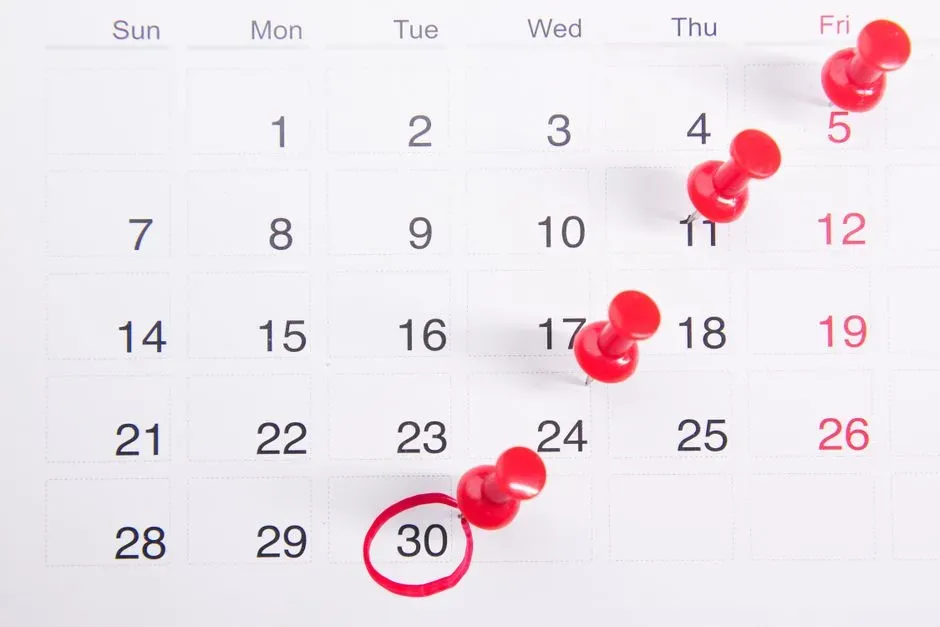
For years, the Oscars landed in late February or the first days of March. Recent ceremonies have kept a similar window but with more variation. The 96th Oscars took place on March 10, 2024, and the 97th followed on March 2, 2025.
The 2026 ceremony was scheduled for March 15, which is later than most fans were used to. The shifts reflect scheduling around other major events and the need to fit a long nominations and voting period. Even a few weeks of difference changes how studios plan their campaigns.
The Golden Globes Got New Owners and a New Image

The Globes were once run by the Hollywood Foreign Press Association, which faced intense criticism in 2021 over its membership and ethics. In 2023, the group dissolved the old structure, and the awards were taken over by Dick Clark Productions and Eldridge Industries. That ownership change turned a once controversial institution into a company run event.
The ceremony returned in January 2024 on CBS, and it has stayed in early January since. Comedian Nikki Glaser hosted the 2025 show and came back for 2026. The Globes now feel more like a mainstream kickoff party than an insider curiosity.
Inclusion Standards Became Part of Eligibility
In 2020, the Academy announced representation and inclusion standards for Best Picture eligibility. The rules were phased in, and they became mandatory beginning with the 96th Oscars, held in 2024. Films must meet requirements in categories such as on screen representation, creative leadership, and industry access.
Supporters see it as a structural response to years of criticism about who gets recognized. Critics have questioned how much it changes what actually gets made. Either way, the rules are now a formal part of the process rather than a public pledge.
Streaming Services Entered the Winner’s Circle
A decade ago, the idea of a streaming film winning Best Picture was still debated. Netflix pushed hard with films like Roma, which earned major nominations in 2019. Then Apple’s CODA became the first streaming service film to win Best Picture, at the 2022 ceremony.
Today, streamers are regular players in nearly every major category. Studios still argue about theatrical windows and what counts as a real release. Still, no one treats a streaming nominee as an outlier anymore.
Voting Rules Tightened Up

The Academy updated its rules in 2025, requiring members to confirm they had watched all nominees in a category before casting a final vote. The change was meant to make voting more informed and less driven by buzz or reputation. It also came as the Academy addressed how members handle screeners and screenings.
The Academy also clarified that the use of generative AI in a film would neither help nor harm its chances. It said human authorship would remain an important consideration. These are small adjustments, but they show voting procedures being treated as something that needs ongoing maintenance.
New Categories Finally Appeared

For a long time, the list of Oscar categories felt almost frozen. That changed in 2025, when the Academy announced a new award for casting, beginning with the 98th Oscars. It was the first competitive category added in many years.
The Academy also announced an award for stunt design, set to debut at the 100th Oscars in 2028. Both categories honor crafts that audiences have long recognized as essential to filmmaking. Their arrival suggests the Academy is more willing to evolve its structure than it once was.
Watching the Ceremony No Longer Means Just Cable
The Oscars telecast has long been tied to ABC and traditional television. In recent years, the viewing experience has widened. The 2025 Oscars were also available to stream live on Hulu, giving viewers without cable another way to tune in.
Host choices have also moved toward familiar comedic hands after the host-free years of 2019 to 2021. Jimmy Kimmel hosted in 2023 and 2024, and Conan O’Brien took over for the 2025 ceremony. Social media clips now carry the biggest moments far beyond the broadcast itself.