Most people assume a trailer is a quick highlight reel pulled from a completed movie. In practice, the timeline often runs the other way. Marketing calendars are set early, and a teaser may be needed long before the film is done.
That gap shapes almost everything about how trailers get made. It explains the unfinished effects, the borrowed music, and the odd shot that never shows up in theaters.
Marketing Moves Faster Than Post Production
Marketing timelines run ahead of post timelines, so a teaser may need to be in theaters or online long before the film is locked, mixed, or fully rendered. Release dates are usually announced well in advance, and the promotional schedule has to match.
That is why trailer work often starts while the film is still being finished. A trailer can reach theaters or go online months before the film is fully locked. The movie itself is still changing as the public sees its first look.
What Trailer Editors Actually Start With
The material is rarely a polished final cut. Editors and trailer houses may receive rough cuts, unfinished effects, and sometimes just dailies, the raw footage shot each day on set. Scripts and marketing briefs often come along too.
From there, the first job is sorting. Teams review the footage and sift through hours of material to find the most impactful and narratively compelling moments. It’s closer to mining than assembling.
Trailer Houses, Not the Film’s Editor
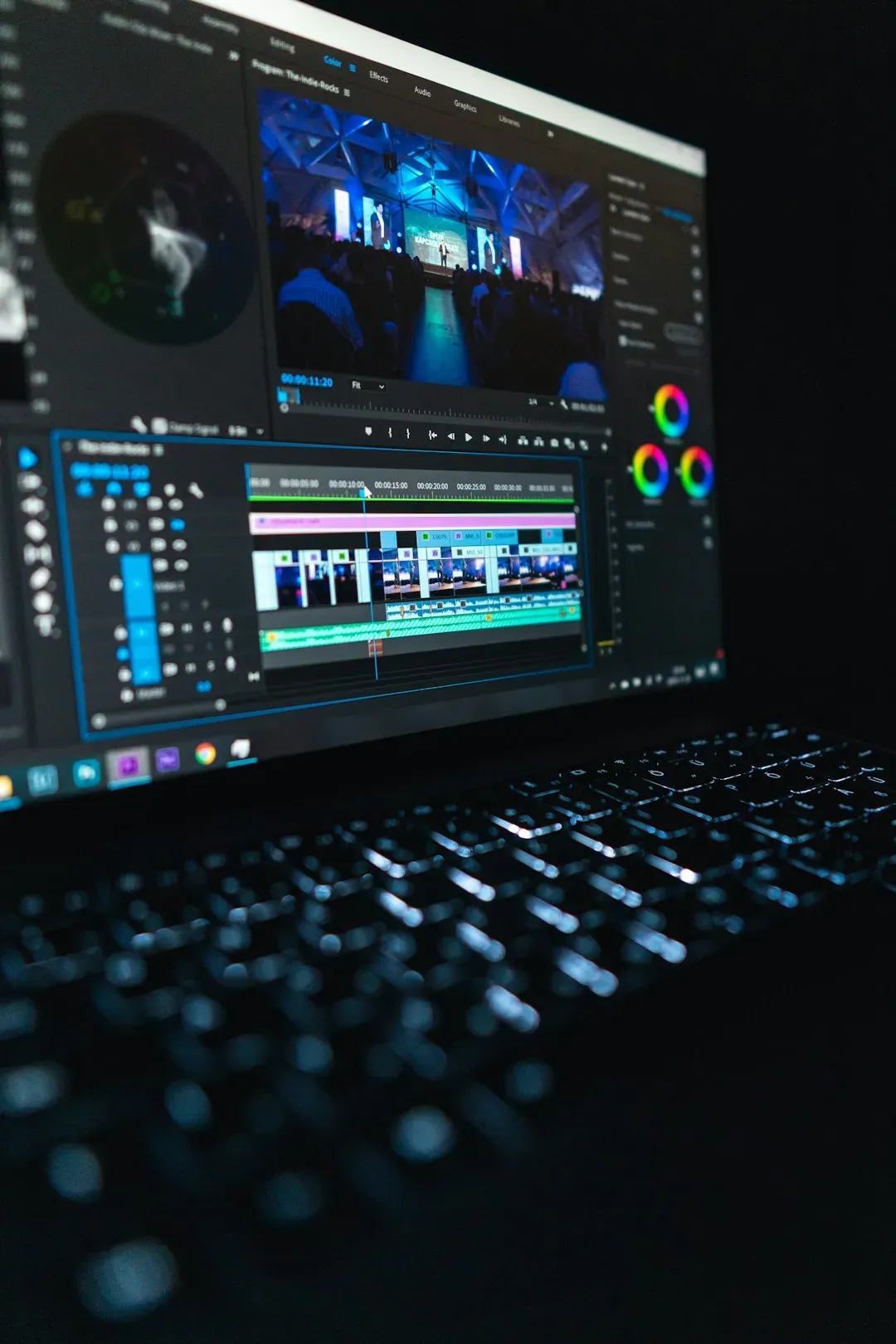
On most studio pictures, the person who cut the movie isn’t the person who cuts the trailer. Studios hire specialized trailer editors or entire trailer production companies. These outside shops handle the work as a separate craft.
The skill sets really do differ. A film editor focuses on character, emotional arcs, and pacing over ninety minutes or more, while a trailer editor boils that down to about two minutes of emotional hits, rising tension, and a clear hook. Neither job is a smaller version of the other.
A Competition Among Several Houses
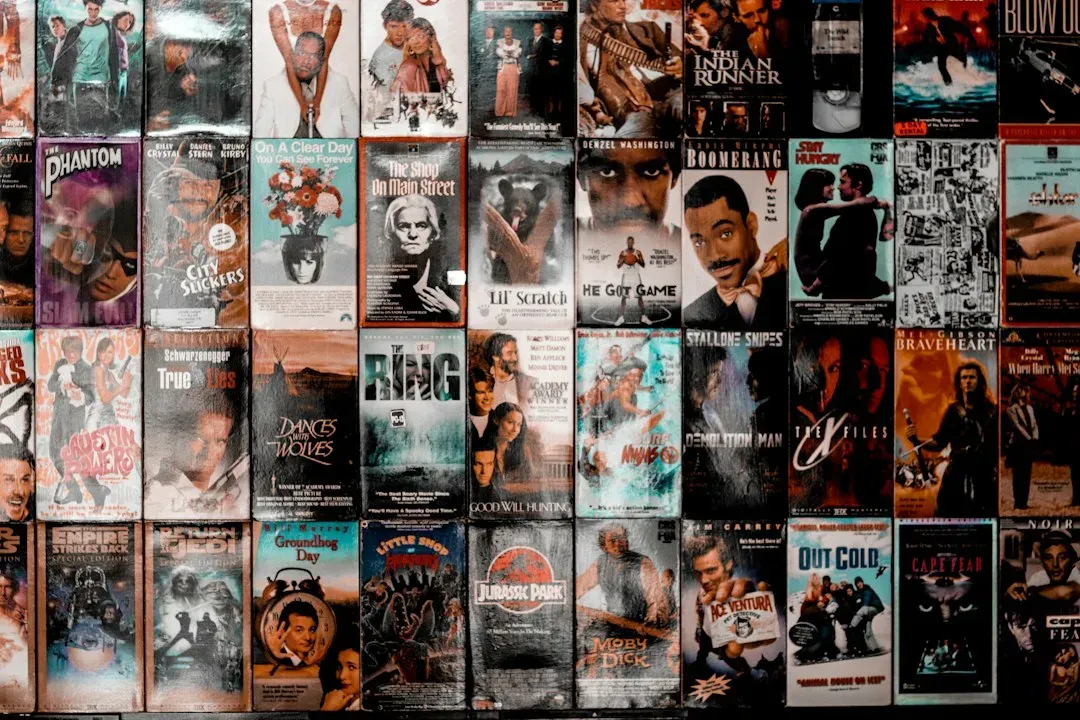
Studios don’t usually give one company an exclusive assignment and wait. They send footage to several houses at once and ask each to pitch cuts, then marketing picks a version and gives notes, sometimes for weeks. Some trailers go through dozens of iterations.
Reporting on Marvel’s process describes the same pattern. Sometimes one house gets the green light, but more often the work is split between a couple of houses to get different perspectives and target different demographics. The same article reported that houses were paid roughly fifty thousand dollars to start, though that figure dates from 2018.
Partner offer
Building a Story That Isn’t the Film’s Story
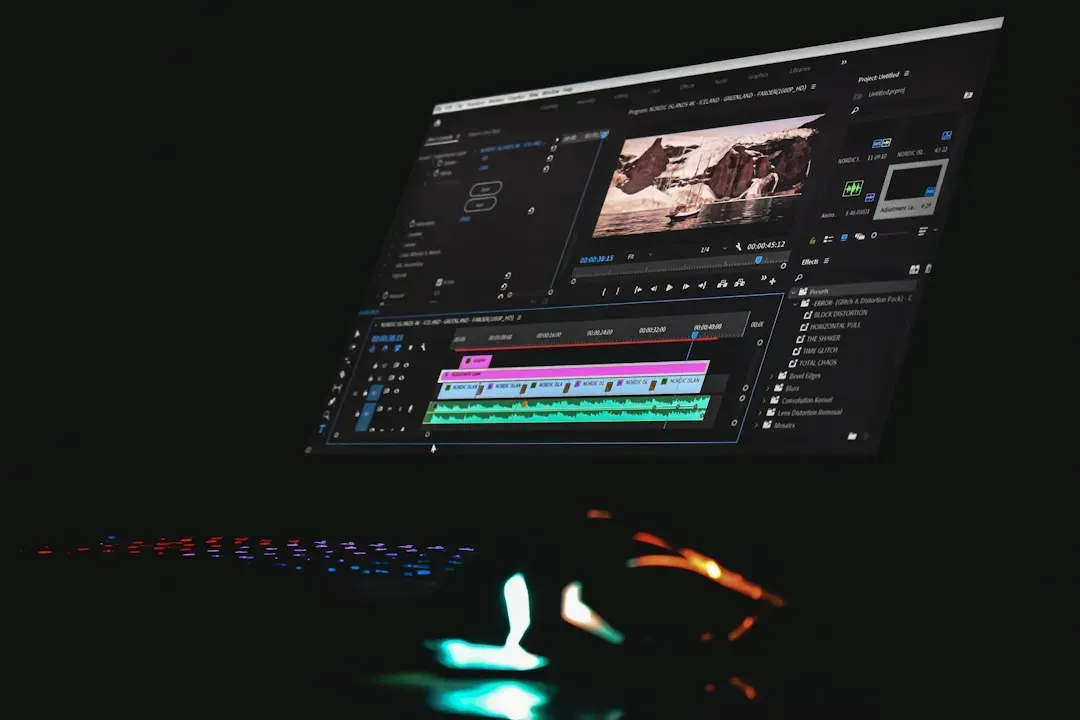
A trailer doesn’t just compress the movie. Editors develop a story arc specifically for the trailer, which may differ significantly from the film’s own narrative arc. The goal is to sell the experience, not to retell the plot.
Houses often pitch different angles on the same film. Some focus on action, others on romance, and others on suspense. Which one wins depends on the audience the studio wants to reach.
Temp Music Fills the Gap
Film scores are often composed late in post production. Studios often don’t use the actual movie score for the trailer, especially if it hasn’t been composed yet. Trailer music has grown into its own niche industry.
Music supervisors step in here. They select existing tracks or commission original pieces that complement the visuals. The result is that a trailer’s sound can feel quite different from the finished movie’s.
Unfinished Effects and Placeholder Shots
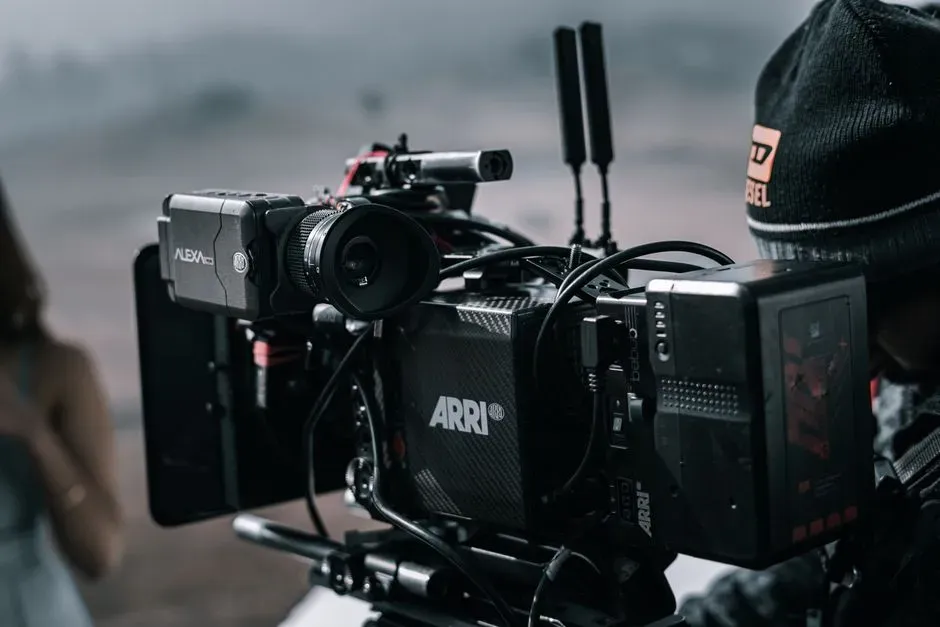
Visual effects are frequently the slowest part of a big film, so trailers can’t always wait. Some shots are at a lower level of completion than the final, and a few are rendered specifically for marketing and never used again. Viewers usually can’t tell.
Editors may also lean on stand ins until the real thing exists. That can mean placeholder shots or temp music until final versions are available. The trailer is a working document, even once it’s public.
Why Some Trailer Moments Vanish From the Movie
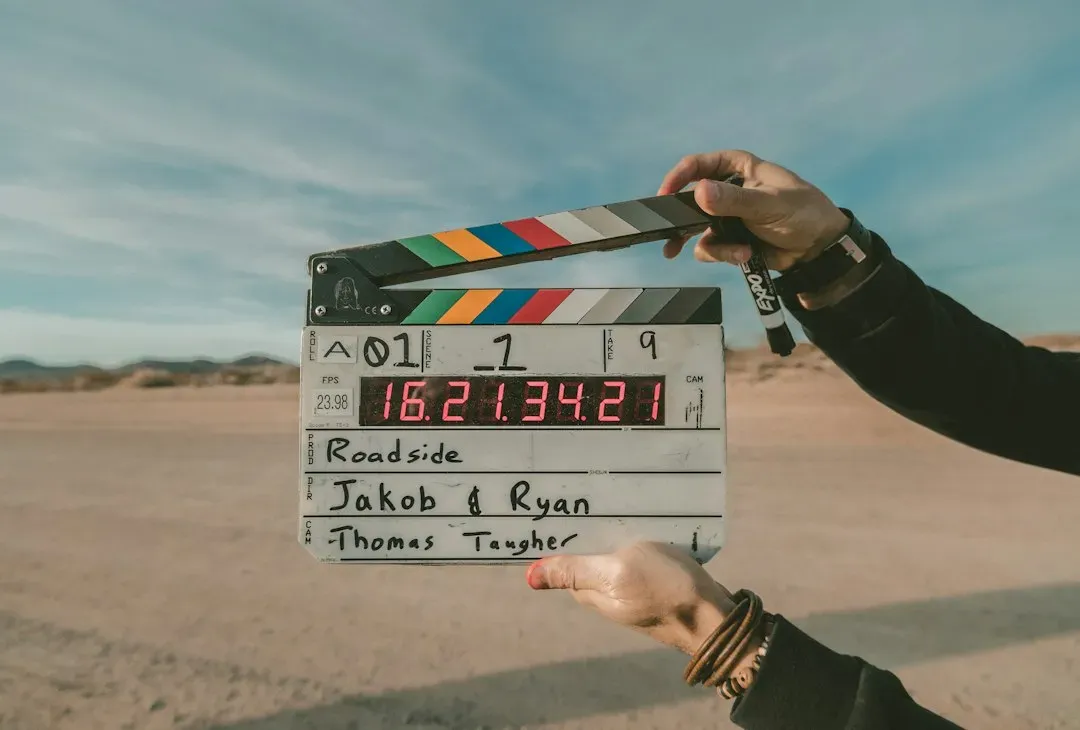
Because the footage is still in flux, trailers can show things that don’t survive. Trailers sometimes include scenes or lines that don’t end up in the final movie, because they came from earlier cuts or midstream marketing decisions. A scene trimmed in the last editing weeks can still live on in a teaser.
Teasers are the most exposed to this. They’re often released months or even a year ahead, and may include different versions of scenes than the finished film. That’s a normal side effect of selling something that isn’t done yet.
Final Thoughts
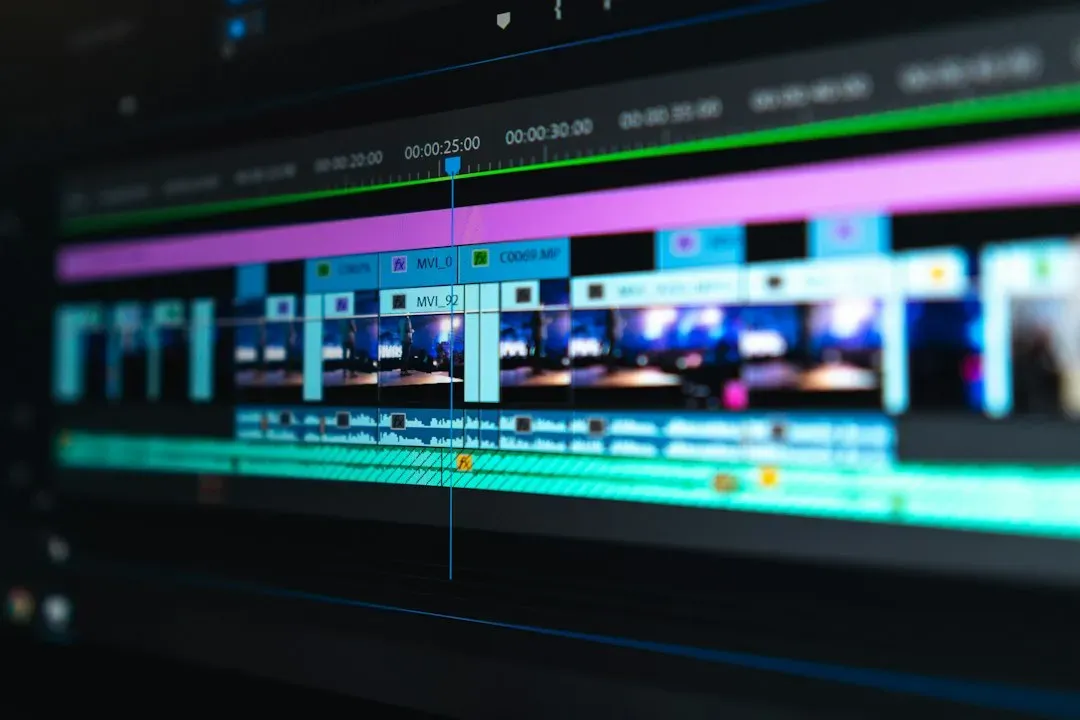
Trailers are cut by specialist teams, from unfinished footage, with temporary music and rough effects. They run on the marketing calendar, not the editing room’s. That’s why a trailer and its finished film can differ.
Partner offer
Planning a trip to Vegas?
Compare hotel rates and show tickets on VEGAS.com.