Most album covers are built in a studio, then polished until the location hardly matters. A few were shot outdoors, on ordinary streets and wild coastlines, and those places are still there.
Some are busy city corners and others are protected landscapes. All seven below can be visited today, though a couple come with small catches worth knowing about.
Abbey Road by The Beatles, London
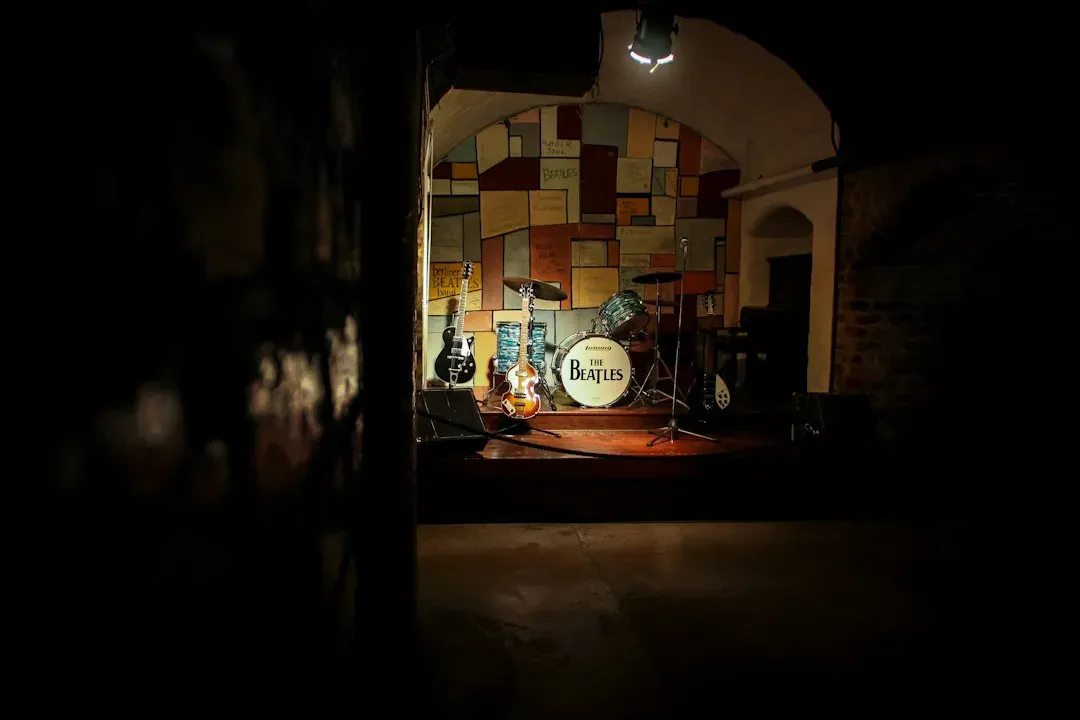
The cover shows the four band members crossing the zebra crossing outside EMI Studios, now Abbey Road Studios, in St John’s Wood. Photographer Iain Macmillan took the picture on 8 August 1969. The crossing has since become one of London’s best known pedestrian spots.
The crossing was given Grade II listed status in 2010, which recognizes its cultural importance. It remains a working road, so traffic does pass, and visitors tend to take turns for photos. The nearest Tube station is St John’s Wood, only a short walk away.
Physical Graffiti by Led Zeppelin, New York City

The die cut sleeve of the 1975 double album features a tenement building, with windows that reveal changing images when the inner sleeves are moved. The building is on St Mark’s Place in the East Village, and the cover shows numbers 96 and 98. It’s a real residential block, not a set.
The building appears again in the band’s video footage and has drawn fans for decades. Visitors can stand on the sidewalk across the street and photograph it freely. Since people live there, the stoop is best treated as private.
Houses of the Holy by Led Zeppelin, Northern Ireland

The 1973 cover shows children climbing across a rocky formation, and the images were shot at the Giant’s Causeway on the coast of County Antrim. The design came from the Hipgnosis studio, with the photograph captured by Aubrey Powell. The final colors were heavily tinted, which gives the scene its otherworldly look.
The Causeway is a UNESCO World Heritage Site, known for its thousands of interlocking basalt columns. Today the site is run by the National Trust, and there is a visitor centre and clear walking paths. In real life the stone looks greyer than it does on the sleeve, but the shapes are unmistakable.
(What’s the Story) Morning Glory? by Oasis, Soho
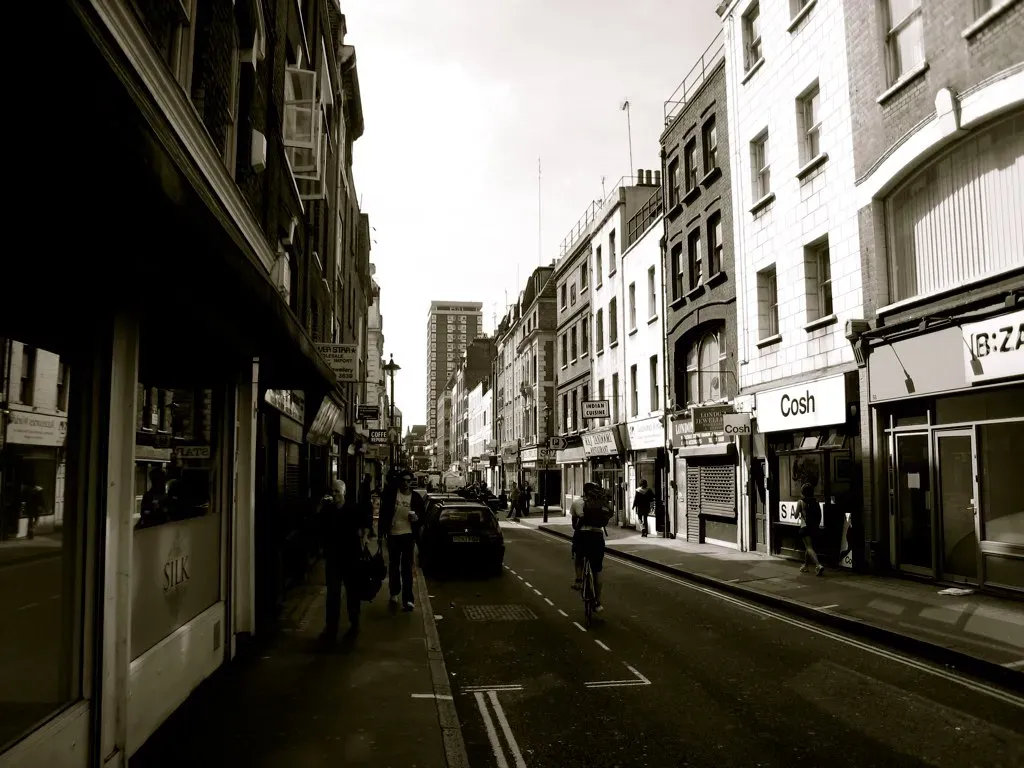
The 1995 cover shows a man walking past the camera on Berwick Street in Soho, with Noel Gallagher in the background. It was shot on the street itself, which is known for its market stalls and record shops. The location suits the cover, because it captures a very ordinary London moment.
Berwick Street is open to the public and sits a few minutes from Oxford Circus and Piccadilly Circus. The street has changed in small ways, yet the narrow, busy character is still recognizable. Fans often visit the nearby shops for vinyl after taking a photograph.
The Freewheelin’ Bob Dylan, Greenwich Village
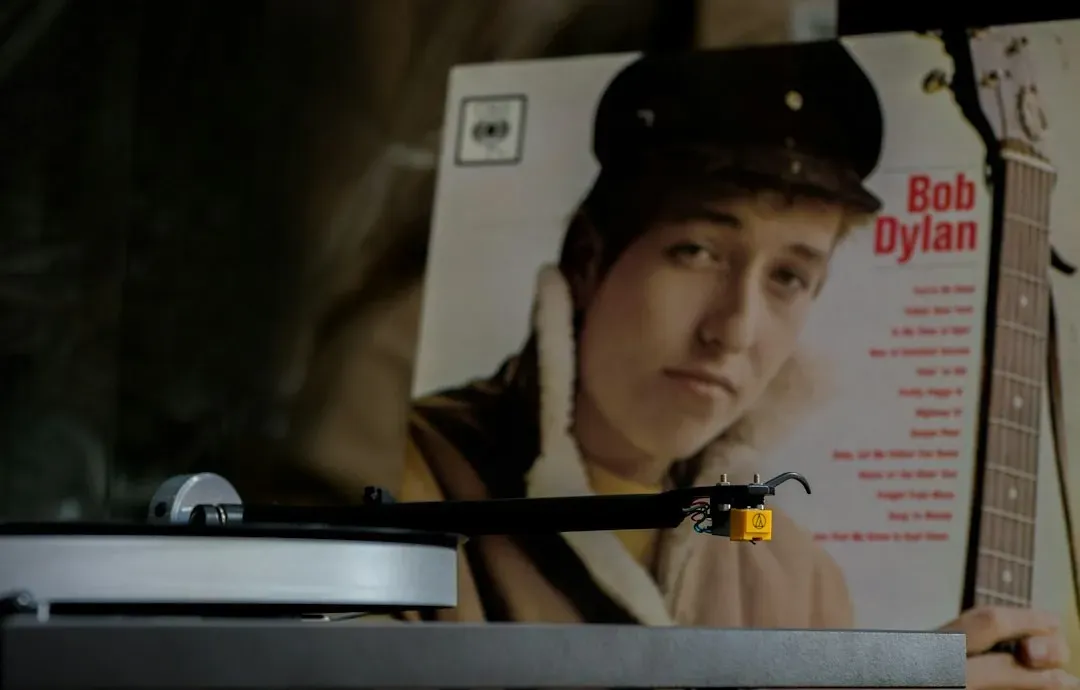
The 1963 cover shows Bob Dylan walking along a snowy street with his girlfriend Suze Rotolo. Photographer Don Hunstein took the picture on Jones Street in the West Village. It became one of the most copied images in popular music.
Jones Street is a short, quiet block near West 4th Street, lined with older townhouses. It is easy to reach on foot from the nearby subway station. The scene is far less snowy now, but the street’s low buildings still look much as they do in the photograph.
Animals by Pink Floyd, Battersea Power Station
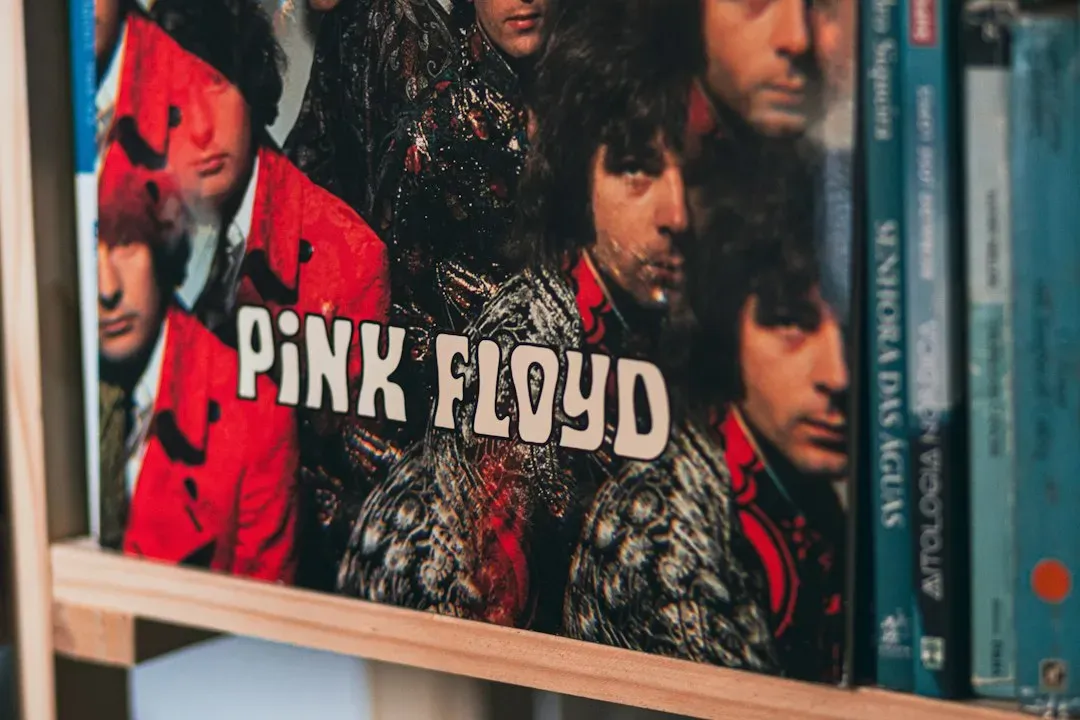
The 1977 sleeve centers on the four chimneys of Battersea Power Station on the south bank of the Thames. The famous inflatable pig was added to the scene, so the final image is partly staged, though the building is real. The station was a coal fired plant that closed in the early 1980s.
After years of redevelopment, Battersea Power Station reopened to the public in 2022 with shops, restaurants and a lift up one of the chimneys for city views. A new Underground station on the Northern line serves the area. Visitors can walk the riverside path for the closest match to the cover’s angle.
The Joshua Tree by U2, California

The 1987 cover was photographed by Anton Corbijn, and the band portrait was taken at Zabriskie Point in Death Valley National Park. The tree that gave the album its name was photographed separately in a different part of California. That tree later fell, so the park’s viewpoint is the more reliable place to visit.
Zabriskie Point is a popular viewing spot with a short paved walk from the parking area. It’s best at sunrise or sunset, when the eroded golden hills show their color. Summer temperatures in Death Valley can be extreme, so many visitors choose the cooler months.